Guides
What to See in Iceland in Summer Months
See what to see in Iceland in summer months: Golden Circle, Jökulsárlón, puffins, and midnight sun. Get a simple week-by-week plan.
Think Iceland is only for winter aurora hunters?
Think again.
Summer opens roads, trails, puffin cliffs, whale-rich waters, and a midnight sun that keeps the world lit late into the night.
This guide points to the must-see stops, including the Golden Circle, south coast waterfalls, Jökulsárlón, highland trails, Snæfellsnes and North Iceland, and shows when to go, how long to stay, and what to skip.
If you only have a week, we’ll give a simple day-by-day plan so you leave with memories, not a packed regret list.
Iceland’s Essential Summer Sights at a Glance
If this is your first trip to Iceland, the goal is balance. You want the landmarks that make this island famous, plus a couple of things that only work this well when the sun barely sets. Summer opens up roads, trails, and wildlife that winter just shuts down, so your shortlist should lean into that.
Here’s the core list worth building a summer trip around.
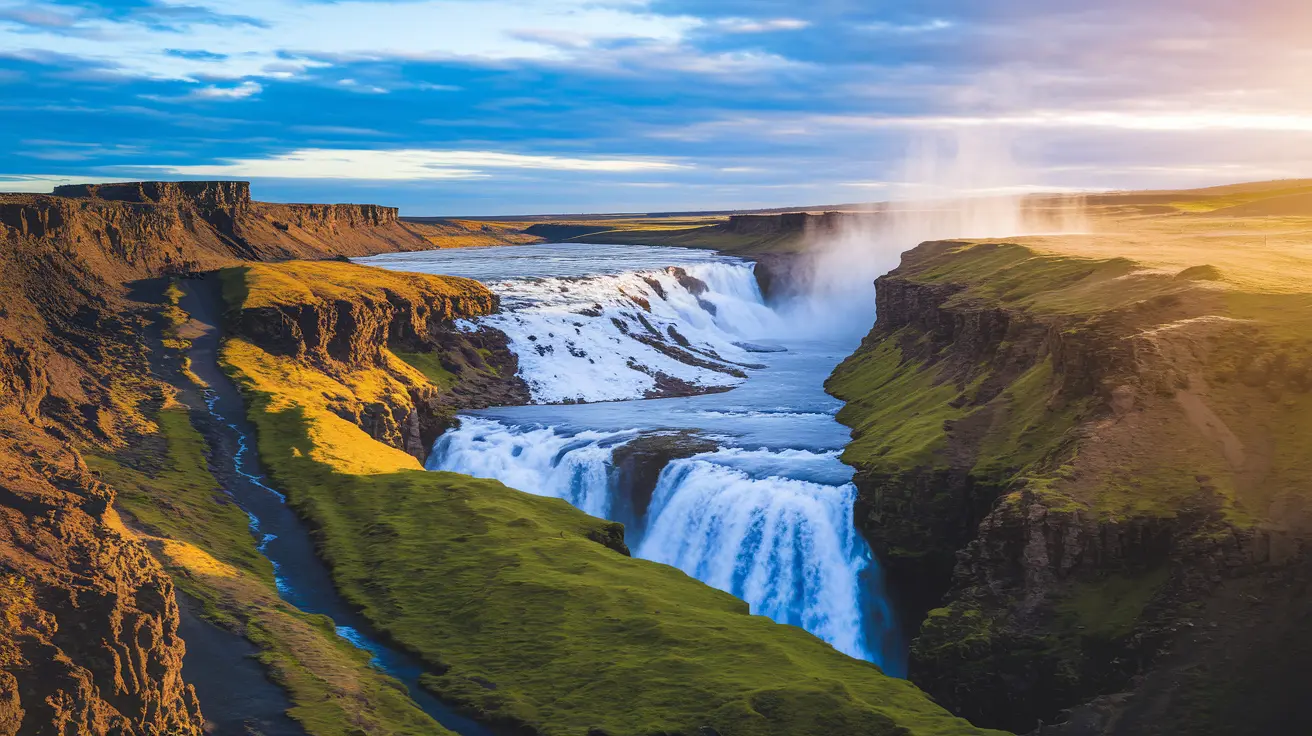
- Golden Circle: Þingvellir, Geysir, and Gullfoss, three iconic stops in one loop, easy to reach, and a fair introduction to Iceland’s geology and history.
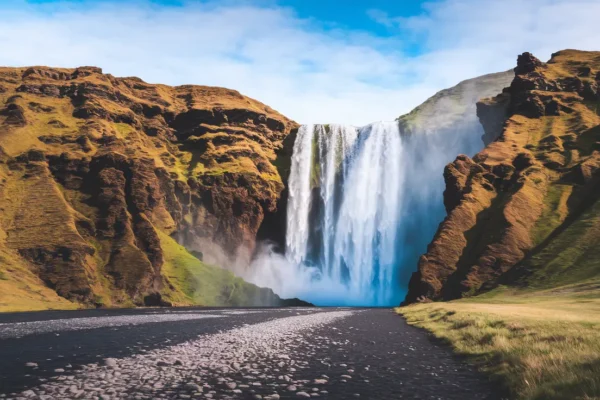
- South Coast: Seljalandsfoss and Skógafoss, two of the country’s most photographed waterfalls, both dramatic and both easy to reach from the road.
- Vík, Dyrhólaey, and Reynisfjara, black sand, basalt cliffs, and dramatic sea stacks that feel like nowhere else.
- Jökulsárlón Glacier Lagoon and Diamond Beach, floating icebergs next to a beach scattered with ice chunks. A genuinely surreal pairing.
- Vatnajökull National Park and Skaftafell, Europe’s largest glacier and hiking trails that only open fully once summer arrives.
- Landmannalaugar or Þórsmörk, highland terrain with colorful mountains and valleys, both reachable only in the warmer months.
- Snæfellsnes Peninsula, often called Iceland in miniature, with a glacier, lava fields, and coastline packed into one drive.
- Húsavík, Lake Mývatn, and North Iceland, whale watching, geothermal landscapes, and a quieter pace than the south.
- Westman Islands or Látrabjarg, two of the best spots in the country for puffins, with very different travel styles.
- Reykjavík and the Reykjanes Peninsula, a walkable capital paired with geothermal fields right near the airport.
Think of this as your foundation. Where each of these fits into your days, how long to spend, and what else pairs well nearby, that all gets sorted out in the sections ahead.
Iceland’s Midnight Sun, Puffins, and Whales in the Summer Months
(((alt-img2)))
June, July, and August each give you a slightly different version of Icelandic summer. June brings the longest light of the year, with the sky barely dimming at night. July pairs that long light with the warmest average temperatures, which is why it’s the most popular month to visit. August starts bringing real darkness back into the evenings, and by mid month, many puffins have already left their cliffside burrows for the open ocean.
Timing matters here more than in almost any other part of your trip.
Where and When to Experience the Midnight Sun
Reykjavík and the nearby Grótta lighthouse are easy, low effort spots to watch the sky stay lit well past midnight. Snæfellsnes offers the same light over dramatic coastal scenery, while North Iceland gives you a quieter, more remote backdrop. For the strongest effect, head to Grímsey, an island sitting right on the Arctic Circle that gets close to 24 hours of daylight.
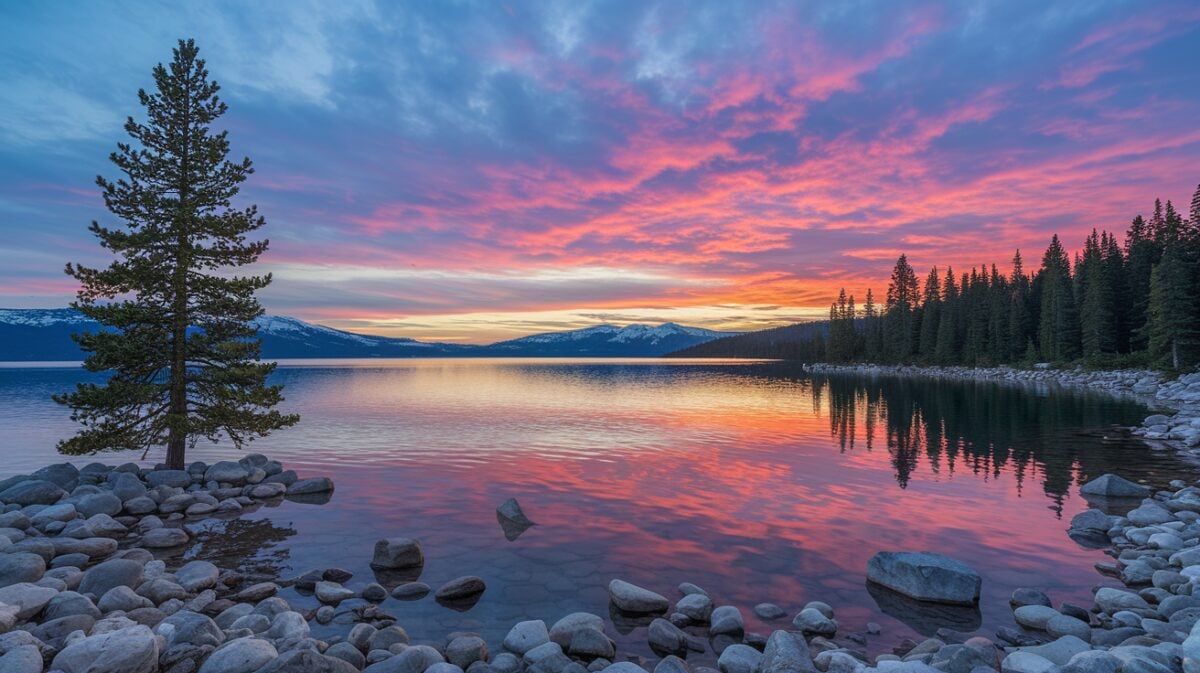
The effect peaks from late May to mid July, with the June 21 solstice as the high point. If you’re chasing that golden, late night light for photos, plan to be out between 9 PM and 1 AM. That’s when the sun sits low enough to cast long shadows and warm tones without ever fully setting.
Where and When to Watch Puffins
The Westman Islands, Látrabjarg, and Dyrhólaey are the three names to know. Puffins are generally around from mid April to mid August, but June and July are your most reliable window.
A few ground rules matter here. Stay on marked paths, keep well back from cliff edges and nesting burrows, and never block a puffin’s path back from the sea. These birds are skittish and the cliffs are often unstable, so a little distance protects both you and them.
Summer Whale Watching Locations
Húsavík, Reykjavík, and Akureyri are your three main departure points, each offering access to slightly different waters. The broader season runs May through September, but June through August is when humpback and minke whales show up most consistently. Tours typically run 3 to 4 hours, and while sightings are common, no operator can guarantee them.
One honest note on the aurora. Iceland’s bright summer skies rule out June and July entirely for northern lights chasing. Late August offers only a slim chance as darkness starts creeping back in, so if the aurora is your priority, this isn’t the season for it.
Reykjavík, Reykjanes, and the Golden Circle in Summer
(((alt-img3)))
Reykjavík’s compact, walkable center makes it an easy first stop, and summer brings the city fully to life. Hallgrímskirkja towers over downtown, the Sun Voyager sculpture catches the evening light along the harbor, and museums, cafés, and local restaurants stay busy well into the long evenings. Give yourself at least a half day just to wander, grab a coffee, and get oriented before heading out toward the countryside.
The long daylight hours make the Golden Circle one of the most flexible day trips in the country, whether you’re driving yourself or joining a guided tour. Þingvellir National Park anchors the route, carrying both geological significance (it sits where two tectonic plates meet) and historical weight as the site of Iceland’s original parliament. From there, Geysir delivers the show, with its neighbor Strokkur erupting roughly every five minutes, shooting water high into the air on a schedule reliable enough to plan photos around. Gullfoss follows, a thundering two tiered waterfall that’s hard to overstate in person. Many travelers add Kerið, a volcanic crater with a startlingly blue green lake inside, and Friðheimar, a working tomato farm turned restaurant. Reservations at Friðheimar are worth making ahead, since tables fill fast in summer.
The Reykjanes Peninsula offers a different flavor entirely, trading waterfalls for raw geothermal and volcanic geology. The Bridge Between Continents lets you walk across a footbridge symbolically connecting North America and Europe, and Gunnuhver steams and bubbles as one of the region’s most active geothermal are
Final Words
Chase waterfalls and late-night light. Head from Reykjavík to the Golden Circle, then the South Coast to Jökulsárlón, or push north or west for puffins and whales.
Use the checklists, activity comparisons, and sample itineraries to choose Highland hikes, glacier options, and day tours that match your pace. Pack layers, bring photo gear, and follow the logistics notes before you go.
If you want a simple shortlist, pick a waterfall, a glacier lagoon, and a wildlife trip. That captures what to see in iceland in summer months. You’ll come home with easy stories and real memories.
FAQ
Q: How cold is it in Iceland during the summer?
A: The temperature in Iceland during the summer averages about 8–13°C in June, 10–15°C in July, and 9–14°C in August; conditions shift quickly, so pack warm layers and a waterproof shell.
Q: How much is a cup of coffee in Iceland?
A: A cup of coffee in Iceland typically costs about ISK 500–800 (roughly €3–€6), with specialty café drinks or tourist spots often on the higher end.
Q: Is it okay to wear jeans in Iceland?
A: Wearing jeans in Iceland is fine for city days or casual outings, but they’re heavy when wet; for hikes or changeable weather, choose quick-drying trousers, insulating layers, and a waterproof outer.
Q: What I wish I knew before going to Iceland?
A: What I wish I knew before going to Iceland was that costs run high, weather changes fast, popular sites fill up—book ahead, bring layered waterproof clothing, plan fewer long drives, and respect marked paths and wildlife.