Featured
Solo Weekend Getaway Safety Tips for Confident Travelers
Solo weekend getaway safety tips plus a ranked list of easy, low-risk destinations from Tokyo to Banff. Grab the checklist and pick your first trip.
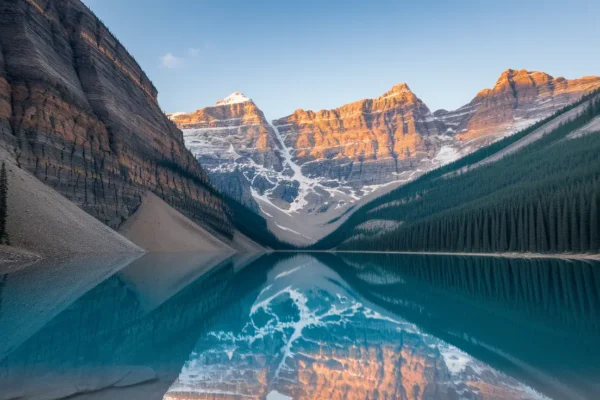
Think solo weekends are risky? They only are when you try them without a plan.
Traveling alone can feel freeing, like a clean map and warm coffee at dawn.
This post gives you the safety basics that actually matter: quick checks before you book, simple habits for arrival, and a ranked list of weekend-ready destinations from Tokyo to Banff rated for solo difficulty.
Read on and you’ll leave with a short checklist and one clear next step: pick your comfort level and go.
Top-Ranked Weekend Options and a Quick-Start Safety Check
These ratings weigh three things: how easy it is to get around, how solid the tourism infrastructure feels, and the general personal-safety picture for someone traveling alone. A 5 out of 5 means strong transit, low violent crime, and an easy learning curve for a first-timer. A 4 out of 5 still means a smart pick, just with a bit more to keep in mind, like crowded squares or bike lanes to watch for.
One quick note before you scan the list. These scores are planning tools, not guarantees. Current advisories, the weather during your actual dates, and the specific neighborhood you book still need a separate check.
| Rank | Destination | Country or Region | Travel Style | Safety Rating | Solo Difficulty | Key Safety Advantage |
|---|---|---|---|---|---|---|
| 1 | Tokyo | Japan | Urban | 5/5 | Easy | Extensive public transit, very low violent crime |
| 2 | Reykjavik | Iceland | Urban/Nature | 5/5 | Easy | Compact city, highly walkable |
| 3 | Kyoto | Japan | Cultural | 5/5 | Easy | Easy to navigate temple districts, timed entry ticketing |
| 4 | Vancouver | Canada | Urban | 4/5 | Easy | Well lit neighborhoods and reliable transit |
| 5 | Charleston | United States | Cultural/Coastal | 4/5 | Easy | Pedestrian friendly historic district |
| 6 | Amsterdam | Netherlands | Urban | 4/5 | Easy | Strong transit, though bike traffic needs attention |
| 7 | Prague | Czech Republic | Cultural | 4/5 | Easy | Strong tourist infrastructure |
| 8 | Lisbon | Portugal | Coastal/Cultural | 4/5 | Easy to Moderate | Good public transport, mind pickpocketing in tourist zones |
| 9 | Sedona | United States | Nature/Wellness | 4/5 | Easy to Moderate | Strong solo hiking community |
| 10 | Banff | Canada | Nature | 4/5 | Moderate | Accessible day hikes with ranger infrastructure |
Here’s a quick checklist before you get into the details below.
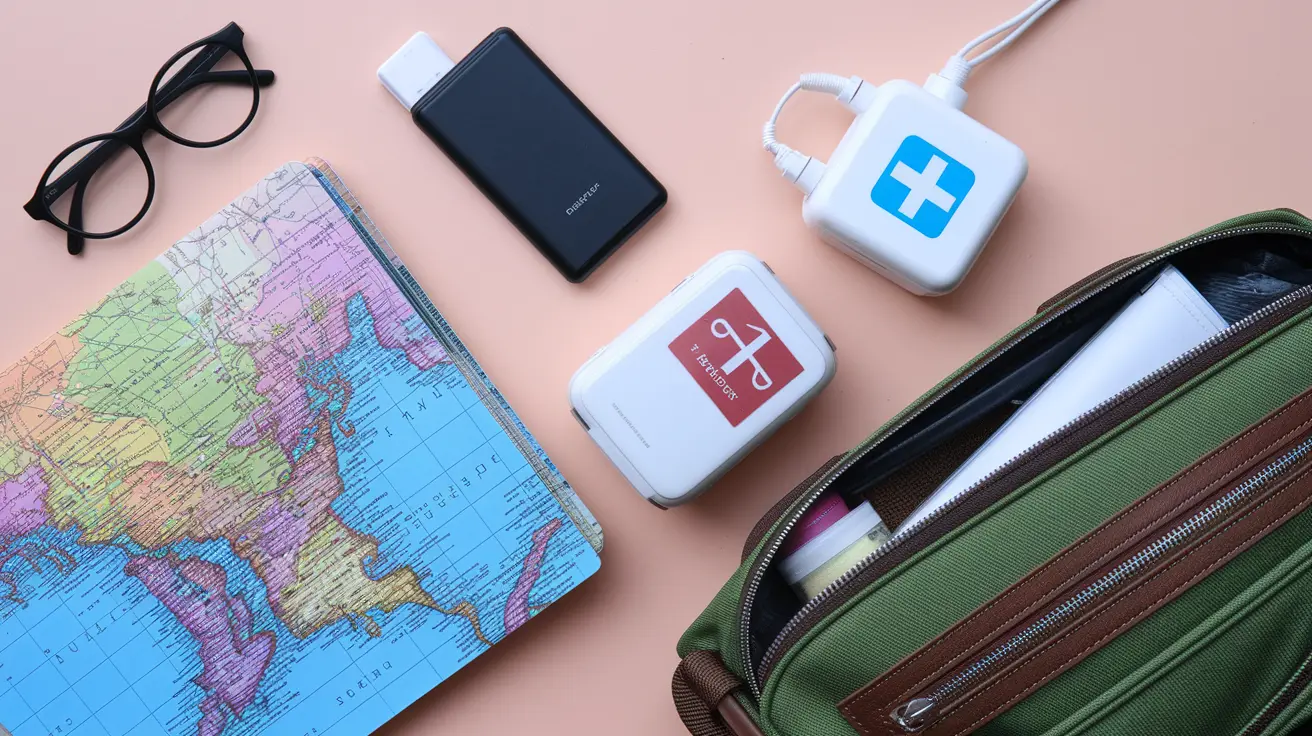
Pick a destination that matches your experience level, not just your wish list. Share your full itinerary with at least one trusted contact before you leave, and set a check in cadence so someone always knows your rough location. Vet your accommodation and its exact block, not just the city’s reputation. Confirm your arrival transfer and how you’ll get around after dark. Pack basic emergency resources, including backup cash and copies of key documents. Set up offline maps and a phone charging backup before you lose signal, and double check your insurance coverage along with the weather forecast a day or two out.
For a first solo weekend, lean toward something rated Easy at 4/5 or 5/5. Then build your activities around your own comfort and fitness level. Tokyo and a demanding backcountry hike are two very different kinds of “easy.”
How to Plan a Safe Solo Weekend Escape
(((alt-img2)))
A solo weekend lives or dies on timing. If half your 48 hours disappears into layovers and transit delays, you’re left rushing, and rushing is when mistakes happen. Start by comparing your total door to door travel time, not just the flight or train duration listed on the booking page. A 90 minute flight with a long airport transfer on each end can eat more of your weekend than a 3 hour direct train. Check the Transportation section for how to handle that first transfer safely, especially if you’re landing close to sunset.
Booking timing matters more than people think. For an ordinary weekend, aim to book 2 to 6 weeks out. If you’re traveling during a holiday or peak season, stretch that to 6 to 12 weeks. Planning around a major festival? Give yourself 2 to 3 months of lead time, since lodging and transport both tighten up fast. Once you’re there, popular timed entry attractions often need reservations 1 to 2 weeks ahead, and guided tours can usually be locked in anywhere from 3 to
Final Words
Jump in: you’ve got a ranked snapshot of safe, easy-to-navigate weekend spots and a compact quick-start safety checklist to use right away.
We covered how to pick a weekend-friendly route, plan timing, share your itinerary, vet places to stay, handle transport, pack smart, and prepare for emergencies so you can travel with less worry.
For your first solo trip, choose an Easy 4/5 or 5/5 city and follow these solo weekend getaway safety tips and destinations to keep the weekend simple—and worth it.
FAQ
Q: How to stay safe when traveling alone?
A: Staying safe when traveling alone means choosing manageable destinations, sharing your itinerary, arranging check-ins, vetting lodging and transport, carrying emergency cash and document copies, and trusting your instincts.
Q: Is $20,000 enough to travel the world?
A: Twenty thousand dollars can be enough to travel the world if you prioritize budget travel, choose low-cost regions, slow your pace, and cover essential safety costs like accommodation, transport, insurance, and an emergency buffer.
Q: Where is it best to travel alone?
A: The best places to travel alone are destinations with easy transport, good tourism infrastructure, and low personal-safety risk; top examples: Tokyo, Reykjavik, Kyoto, Vancouver, Charleston, Amsterdam, Lisbon, Sedona, Prague, and Banff.
Q: What are the 10 riskiest countries for solo travel?
A: The 10 riskiest countries for solo travel often include Afghanistan, Syria, Yemen, Somalia, South Sudan, Libya, Central African Republic, Venezuela, Haiti, and Mali; check official advisories before planning.