
Have you ever wondered why certain places just stick with you? UNESCO World Heritage Sites do that, they capture our hearts and spark a sense of wonder that crosses all borders.
These spots aren’t just old landmarks. They feel like pages out of a living history book, where nature and culture mix together beautifully. From ancient ruins in Greece to the breathtaking views of Serengeti National Park, over 1,150 sites invite you to step into a world filled with stories and natural charm.
This article is all about how these special places inspire us to take care of our shared heritage, making every trip feel like a treasure hunt for the soul.
unesco world heritage sites Spark Global Wonder
UNESCO World Heritage Sites were created back in 1978 to help protect our planet’s most special natural and cultural treasures. Over the years, this list has grown into an amazing global catalog, now boasting over 1,150 sites that celebrate our shared history and nature. Imagine walking into a natural museum where every stone and scenic view has a story, like the ancient ruins in Greece or the lush greenery of the Amazon.
These incredible sites range from busy cultural landmarks to peaceful natural reserves and even spots that blend both. Think about exploring the Historic Centre of Rome with its jaw-dropping old buildings or wandering through spirited streets in Kyoto, Japan, where history whispers in every corner. And then there are the wild places like Serengeti National Park, where nature puts on its most inspiring show. Many travelers say it feels like stepping into a living masterpiece.
The magic of UNESCO’s work goes beyond just preserving these spots, it sparks a genuine sense of wonder that invites us to explore and care for our heritage. Each site is like a page in a book that tells the fascinating story of human creativity and the beauty of our natural world. So next time you plan a trip, think of these treasures as your gateway to experiencing travel that’s both exciting and respectful of our past and nature.
Selection Criteria for UNESCO World Heritage Sites
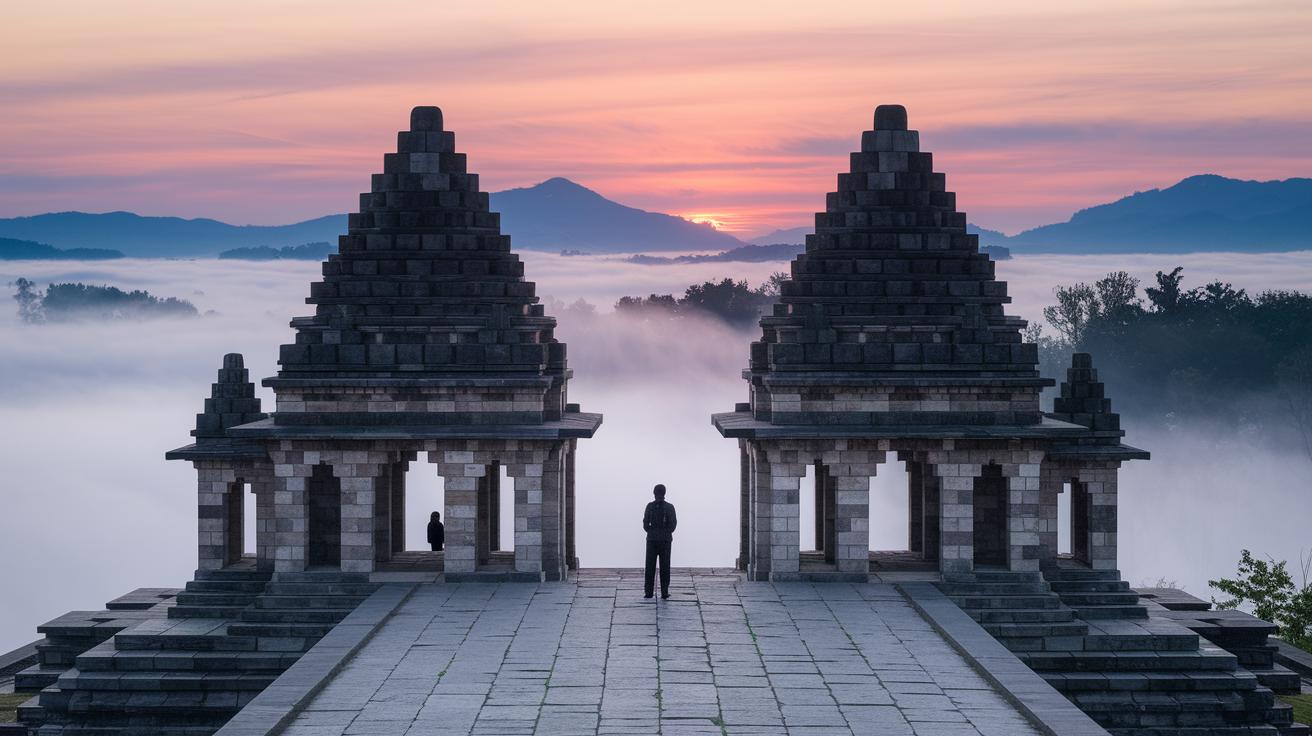
UNESCO World Heritage Sites earn their spot on an official world legacy list by meeting strict standards. They celebrate places that hold huge universal value, with six cultural standards and four natural ones. A site might be honored as a dazzling example of human creativity or as a lasting story of cultural traditions. Imagine an ancient monument standing tall for centuries, echoing the art and spirit of its era. Natural sites, on the other hand, need to show off exceptional natural wonders or a vibrant variety of life.
These special recognitions help protect ancient treasures under a strong legal framework while inspiring smart, sustainable tourism. They serve as a guide for preserving our shared cultural and natural heritage and for caring for these irreplaceable sites responsibly. Below is a table that sums up the ten criteria along with their types and simple descriptions:
| Criterion | Type | Description |
|---|---|---|
| Masterpiece of human creative genius | Cultural | Exemplary creative achievements and artistic breakthroughs |
| Interchange of human values | Cultural | Significant exchange and influence among cultures |
| Testimony to cultural tradition | Cultural | Outstanding representation of a cultural tradition or civilization |
| Architectural/human settlement examples | Cultural | Unique examples of significant human settlements or architecture |
| Traditional land use | Cultural | Landscapes reflecting long-standing rural traditions |
| Intangible cultural heritage | Cultural | Expressions of cultural practices and oral traditions |
| Natural phenomena | Natural | Exceptional natural beauty or unique environmental features |
| Geological history | Natural | Outstanding examples of Earth’s geological processes |
| Ecological processes | Natural | Critical natural habitats demonstrating ongoing ecological evolution |
| Biodiversity | Natural | Regions hosting a wide array of species and ecosystems |
Each of these criteria ensures that every recognized site is not only a visual wonder but also a treasured part of our global cultural and natural heritage.
Regional Distribution of UNESCO World Heritage Sites
UNESCO World Heritage Sites dot the globe, creating a lively mix of historical treasures that invite you on a unique journey through time and culture. As of 2021, there were 1,153 sites around the world, and Europe & North America shine brightly with 497 of them, almost half of the total. It’s like stepping into a vast storybook where each site narrates its own tale.
Asia & Pacific follows with 257 fascinating sites, each offering its own blend of natural charm and rich history. Then there’s Latin America & Caribbean, home to 149 vibrant spots that burst with color and life. Africa contributes 98 incredible sites that mix nature with culture in a truly unique way, while Arab States add 82 treasures to this global mosaic. These numbers can help you plan a special trip to explore clusters of these historic gems.
| Region | Number of Sites | % of Total |
|---|---|---|
| Europe & N. America | 497 | 43% |
| Asia & Pacific | 257 | 22% |
| Latin America & Caribbean | 149 | 13% |
| Africa | 98 | 9% |
| Arab States | 82 | 7% |
Iconic UNESCO World Heritage Sites Around the Globe
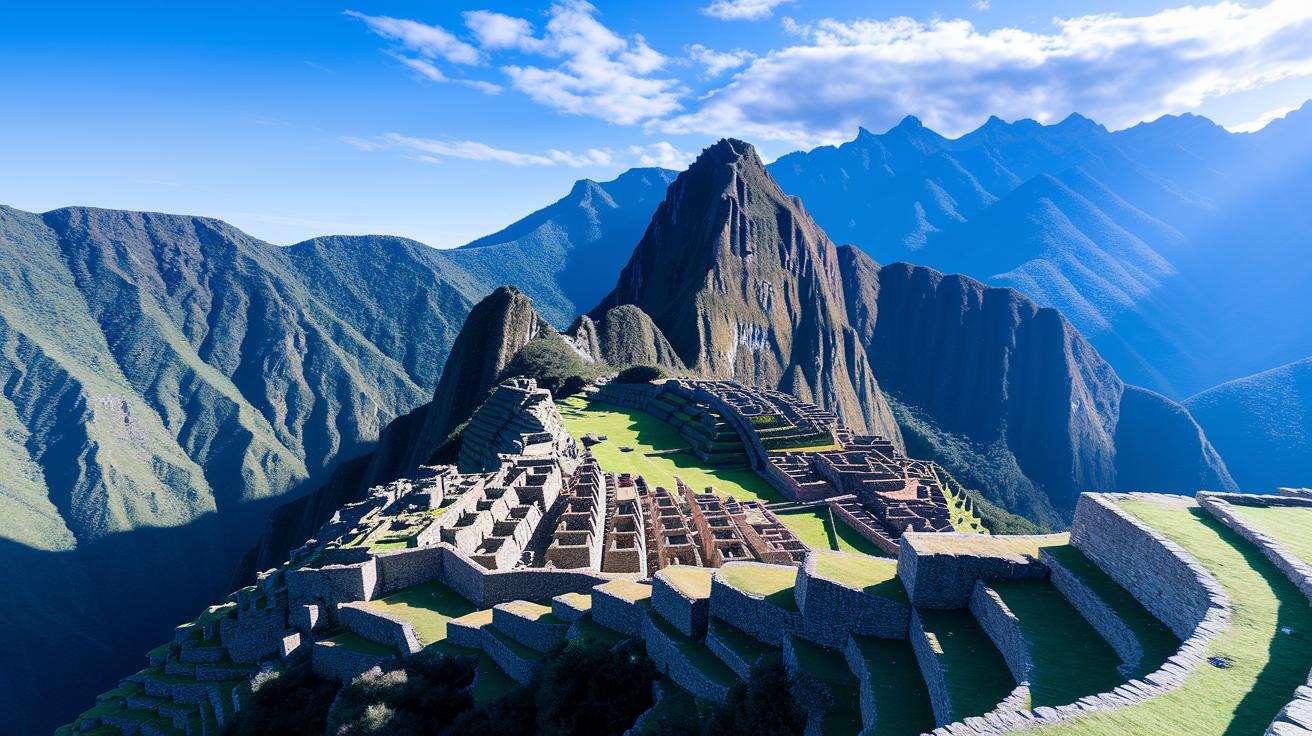
Machu Picchu in Peru was added in 1983, and it’s a real marvel of ancient ingenuity. Picture winding trails snaking among mountain peaks crowned with soft clouds, it feels like stepping right into a living legend.
The Taj Mahal in India, also listed in 1983, shines with its white marble beauty and timeless charm. It’s a romantic masterpiece that draws travelers from all corners of the globe, kind of like a fairy tale come to life.
The Great Wall in China, recognized in 1987, stretches over rugged mountains and vast landscapes. It stands as a mighty reminder of ancient defense and bold construction. It’s amazing to imagine the hard work and spirit that built such a colossal structure.
Then there’s the Historic Centre of Rome in Italy, added in 1980. Every cobblestone and ancient corner whispers tales of emperors and gladiators, making history feel like it’s right there with you as you wander the streets.
In Japan, Ancient Kyoto, designated in 1994, welcomes you with its serene temples and calm gardens. It’s a perfect blend of tradition and peaceful beauty that invites you to slow down and soak it all in.
Moving over to Tanzania, Serengeti National Park, recognized in 1981, bursts with the raw energy of the wild. Lions, elephants, and endless plains create a natural stage that’s as vibrant as it is untamed.
And in Sri Lanka, the Ancient City of Sigiriya, inscribed in 1982, rises as a magnificent fortress carved from rock. It’s surrounded by lush gardens and decorated with striking frescoes that spark the imagination.
Finally, the Old City of Dubrovnik in Croatia, added in 1979, charms visitors with its fortified walls and narrow alleys. Walking its sunlit streets feels like a delightful journey back in time.
Each of these sites holds a rich cultural story and invites you to experience history in the most real and captivating way.
Conservation and Sustainable Management of UNESCO World Heritage Sites
UNESCO sites aren’t just ancient landmarks; they’re living legacies that are cared for by passionate teams. These treasures are kept safe through hands-on care and modern fixes. When a site is in trouble, emergency help and funds from the World Heritage Fund jump into action, much like a quick repair that helps a famous monument stand strong for years to come.
Conservation Initiatives and Partnerships
Building global friendships is key to protecting these sites. Experts from around the world team up, sharing ideas and tools as if they were on a friendly rescue mission to protect something precious. They work closely with organizations like IUCN, ICCROM, and WTTC to create sustainable plans that shield these cultural gems from harm.
Case Studies in Site Restoration
Real-life examples show just how strong these conservation efforts can be. For instance, restoration work at the At-Turaif District in Saudi Arabia uses modern techniques to bring history back to life. Reef projects on the Great Barrier Reef remind us that caring for our natural wonders is just as important, while thoughtful fixes at Machu Picchu help slow down erosion. These stories prove that with a mix of smart planning and genuine care, our global heritage can shine for generations.
Planning Your UNESCO World Heritage Site Tour

Planning your tour of these amazing landmarks is all about a little clever organization and the flexibility to go with the flow. Try breaking your adventure into clusters by region. For example, you might design an Italy heritage trip that lets you wander through charming streets of Rome before drifting off to the canals of Venice. Or perhaps you’d prefer an Asian tour, where you marvel at India’s Taj Mahal and then catch the mystique of Sri Lanka’s Sigiriya. This way, you spend less time on the road and more time soaking in local life.
Itinerary Planning and Travel Tips
Start by checking out self-guided maps that define the best routes for your journey. It helps a lot to invest in timed-entry tickets so you aren’t left waiting around, giving you room to relax a bit. Pack for all kinds of weather, mornings might be cool and afternoons warm. Think of your bag as a handy toolkit with your sunblock, a light jacket, and comfy shoes ready for adventure. And if you time your visit seasonally, imagine wandering Rome on a crisp fall day or enjoying Venice with its summer buzz. Ever felt like planning your route is like piecing together a beautiful puzzle?
Digital and Interactive Tools
These days, there are fantastic travel apps that turn your smartphone into an interactive map full of hidden gems. They work like mini atlases, letting you zoom in on details from border crossings to those tucked-away treasures. And with real-time updates for public transport and on-site navigation, you’re all set if you stumble upon an unexpected detour. These digital helpers make finding your way a breeze, while also sharing local insights that enrich your visit. With tech at your fingertips, every UNESCO site becomes even more accessible and your journey truly unforgettable.
The Future of UNESCO World Heritage Preservation and Technology
Imagine walking through an old city where every corner tells a story, brought to life by VR and AR tours. It’s like history is unfolding right before your eyes, blending the past with modern digital magic.
New tools like 3D digital mapping capture even the smallest details of ancient monuments. These maps help experts record and share our cultural treasures with people from all over the world. Meanwhile, drones buzz above historical sites, offering real-time photos to spot any signs of wear or damage instantly.
AI also plays a big role by digging into data to spot potential risks, kind of like having a smart alarm that warns you before anything goes wrong. One tech-savvy traveler even said that using an interactive cultural atlas felt just like finding a secret doorway into another era.
The Digital World Heritage initiative is taking things a step further with interactive exhibits that mix digital archives with virtual tours. This makes it easier for conservationists, students, and curious travelers alike to explore UNESCO heritage sites from anywhere.
Final Words
in the action, this article whisked you through the vibrant story behind unesco world heritage sites. We explored their rich history, the special criteria that protect cultural and natural treasures, and the worldwide spread that makes each site unique.
We also uncovered secrets for planning memorable tours and the role technology plays in preserving these marvels. Every insight aims to spark your curiosity and inspire a truly unforgettable journey ahead.
FAQ
What UNESCO World Heritage Sites can be found near California and Texas?
The UNESCO World Heritage Sites in the USA include notable cultural and natural landmarks near states like California and Texas. Local guides can update you on current sites, offering rich travel experiences in both regions.
What is the UNESCO World Heritage Sites book?
The UNESCO World Heritage Sites book is a comprehensive guide that details landmarks recognized for their outstanding cultural or natural value. It provides historical context, travel insights, and conservation information.
How are UNESCO World Heritage Sites organized by country?
UNESCO World Heritage Sites by country are listed by each nation’s distinctive cultural and natural treasures. This organization helps travelers explore regions that celebrate a unique blend of history, art, and nature.
What are some of the Top 10 UNESCO World Heritage Sites?
The Top 10 UNESCO World Heritage Sites feature world-famous landmarks like Machu Picchu, the Taj Mahal, and the Great Wall. These sites stand out for their historical charm, artistic achievements, and breathtaking landscapes.
How does the UNESCO World Heritage Sites map work?
The UNESCO World Heritage Sites map offers an interactive tool to locate sites around the globe. It helps travelers plan routes, visualize clusters of cultural and natural landmarks, and explore diverse heritage territories.
How many UNESCO World Heritage Sites are there in the world and in the USA?
Globally, there are over 1,150 UNESCO sites, while the USA is home to around 24. These figures highlight a world of preserved cultural and natural treasures waiting to be explored.
What does UNESCO World Heritage Site stand for?
A UNESCO World Heritage Site stands for a landmark or area distinguished by its exceptional cultural or natural importance. These sites are preserved to benefit all of humankind through shared legacy and history.
What does UNESCO stand for?
UNESCO stands for the United Nations Educational, Scientific and Cultural Organization. It works to build peace and foster collaboration through international initiatives in education, culture, science, and communication.