Destinations
Packing Lists for Overseas Travel: Stress-Free Essentials Await
Skip the generic packing lists for overseas travel. Get 8 simple categories, carry-on vs checked tips, and a printable checklist that actually works.
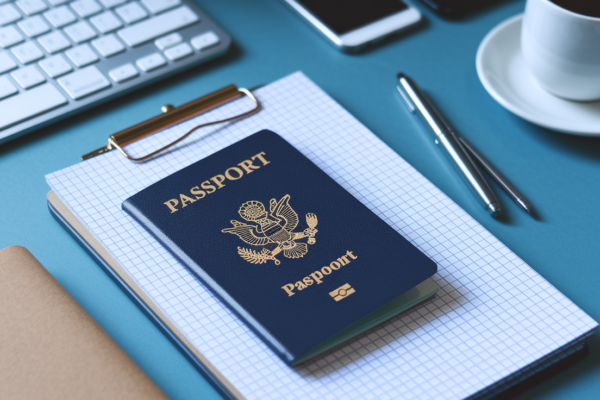
Most packing lists for overseas travel do more harm than help—too long, too vague, and they leave you overpacked or stalled at the baggage scale.
This guide strips everything back into eight easy categories so you can pack fast, stay inside airline rules, and actually find what you need mid-trip.
You’ll get the exact essentials, where each item belongs (carry-on or checked), destination tweaks, and a printable checklist to save or share.
If you only do one thing before your flight, pick three items from this list and pack them first.
Complete Overseas Travel Checklist at a Glance
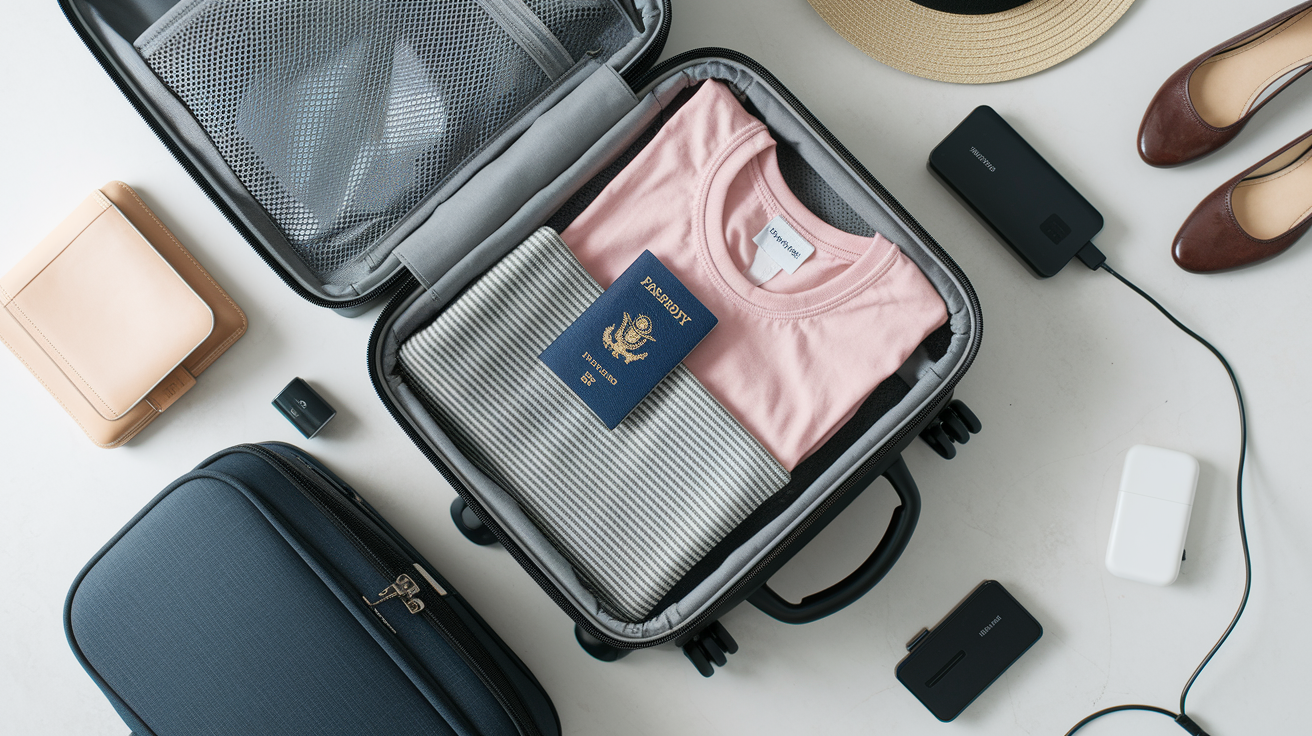
Before you dive into the checklist, remember that the exact quantities below should flex with your trip length, the climate you’re heading into, what activities you’ve got planned, whether you’ll have laundry access, and your airline’s baggage rules. A weekend city break needs a lot less than a month backpacking through three countries. Treat this as your starting point, not a rigid rulebook.
[Download the Printable Overseas Travel Checklist]
Quick note before you start checking boxes: carry-on liquids, batteries, sharp objects, and medically necessary items are all subject to placement or screening rules that can shift between airports and airlines. Always confirm current requirements with your departure airport, any transit airports, and your operating airline before you pack.
Here’s your master list. Eight categories, and you’ll want to work through them one at a time:
- Documents and legal essentials: passport, visa or permits, insurance policy, itinerary, tickets, vaccination records, emergency contacts, and document copies.
- Money and communication: primary card, backup card, local cash, unlocked phone, and SIM or eSIM details.
- Clothing and shoes: itinerary based outfits, underwear, socks, sleepwear, weather layer, comfortable shoes, and one smart outfit.
- Toiletries: dental care, deodorant, solid or travel size products, sunscreen, and hygiene products.
- Health: prescriptions, prescription documentation, basic first aid supplies, and destination specific preventive items.
- Electronics: phone, charging cables, adapter, power bank, headphones, and optional camera or laptop.
- Carry-on essentials: documents, medication, valuables, chargers, snacks, empty water bottle, sleep items, and one change of clothes.
- Checked or activity gear: larger liquids, sharp tools permitted only in checked luggage, hiking equipment, beach gear, and spare shopping space.
That’s the shape of a solid overseas packing plan. Keep reading for the exact quantities, placement rules, destination tweaks, and timing details behind each category. Each section below builds out one piece of this list, so you’re not left guessing what “basic first aid supplies” or “weather layer” actually means for your trip.
Overseas Travel Documents, Money, and Entry Requirements
(((alt-img2)))
Most destinations expect your passport to stay valid for at least six months beyond your planned departure date, though the exact rule changes by country. Don’t assume your passport is fine just because it hasn’t technically expired. Some countries also require a certain number of blank visa pages, and visa applications typically need to start four to eight weeks before you fly. Always verify the current rules directly with the destination’s embassy or consulate. Requirements shift more often than travelers expect.
Once you know what documents you need, back them up using a simple formula: one original, two printed copies, and one secure digital copy. This applies to your passport, visa, insurance policy, itinerary, and vaccination certificates. Keep one paper copy with you, separate from the originals, and leave the second with a trusted contact at home. Upload scans to a secure cloud folder you can access from your phone, even offline.
Buy travel insurance as soon as your trip is booked, not the week before you leave. Look for a policy that covers cancellation, overseas medical emergencies, theft, a lost passport, and baggage. Write down the policy number and emergency contact line somewhere you’ll actually find it at 2 a.m. in an unfamiliar airport.
On the money side, carry one primary credit card, one backup card stored separately from the first, and roughly US$50 to $200 in local currency for emergencies, depending on where you’re headed. Notify your bank about two weeks before departure, set up card locking controls through your banking app if available, and use an RFID blocking wallet if you’re concerned about skimming. When you do get local cash, check unfamiliar notes carefully. Counterfeit bills are more common in certain regions, and a quick glance at security features can save you a headache later.
Baggage Allowances and Item Placement Rules
(((alt-img3)))
Cabin bag size, personal item allowance, checked bag weight, and baggage fees all vary by airline, fare class, route, and even your loyalty status. If you’re flying with more than one airline on a single itinerary, this matters even more. Check every flight segment individually rather than assuming the airline you booked through sets the rules for the whole trip.
A commonly cited cabin bag guideline is 22 by 14 by 9 inches, or 56 by 36 by 23 centimeters, and a frequent checked bag benchmark is 23 kilograms or 50 pounds. Neither number is universal, so treat these as a starting point, not a guarantee. When you measure your bag, include the wheels, handles, and any filled external pockets, since these count toward the final dimensions. Weigh it at home with a luggage scale and leave yourself a margin below the stated limit. Airport scales don’t negotiate.
Placement rules matter just as much as size. Larger liquids and any sharp tools you’re permitted to travel with belong in checked luggage, not your carry-on. Power banks and spare lithium batteries go the opposite direction. They belong in your cabin bag, not checked. Medication, travel documents, electronics, valuables, and anything fragile should stay under your control in your carry-on or personal item. If you’re bringing specialist gear like camping fuel, diving equipment, or certain sporting goods, check whether prior approval is needed.
Before you finalize your packing, check your airline’s current restricted items page, the security rules for your departure and transit airports, and the import requirements at your destination. Suitcase brands, folding techniques, and what exactly goes in your personal item are covered later. This section is purely about allowances and where things legally need to go.
Clothing Packing Guide by Trip Length and Climate
(((alt-img4)))
Think of your clothing as a small capsule wardrobe rather than a random pile of outfits. Pick two or three neutral colors that mix and match, add a couple of layering pieces, lean toward quick dry fabrics, and build complete outfits tied to what’s actually on your itinerary instead of packing “just in case” options.
Final Words
In the action: you already have the master checklist, TSA note, and the printable download ready to use. This guide walked through documents and money, baggage rules and placement, clothing quantities by trip length, toiletries and meds, electronics and battery safety, packing cubes, destination tweaks, a pre-departure timeline, and a 24–48-hour disruption kit.
Use the downloadable format that fits you best and tweak quantities for climate, laundry access, and activities. These packing lists for overseas travel will make the final pack fast and calm.
Safe travels. You’re almost there.
FAQ
Q: Can you provide a free travel packing checklist in PDF format?
A: A free travel packing checklist in PDF format is available via the “Download the Printable Overseas Travel Checklist” link on this page; it prints with checkboxes and blank quantity fields to adjust for trip length.
Q: What is the 5 4 3 2 1 rule of packing?
A: The 5 4 3 2 1 rule of packing means packing roughly five tops, four bottoms, three pairs of shoes or shoe options, two layers, and one smart outfit so you have flexibility without excess.
Q: What does Rick Steves recommend for packing?
A: Rick Steves recommends packing light with a capsule wardrobe, using carry-on plus a personal item, planning laundry, and keeping essentials and documents accessible to move easily and avoid checked-bag hassles.
Q: What are 10 must-have travel essentials?
A: Ten must-have travel essentials are passport and documents, primary card and some local cash, phone and charger, medications and prescriptions, a change of clothes, comfortable shoes, a weather layer, power bank, adapter, and a basic first-aid kit.
More from Politics
 Destinations
Destination Events: Unforgettable Gatherings Await Every Planner
 Destinations
Budget Honeymoon Destinations: Romantic Escapes Without Overspending
 Destinations
Family Friendly Vacation Destination: Joyful Memories Await Everyone
 Destinations