Destinations
Destination Events: Unforgettable Gatherings Await Every Planner
Destination events can build real connections, but is the travel worth it? Here's how to decide, pick the right format, and plan it step by step.
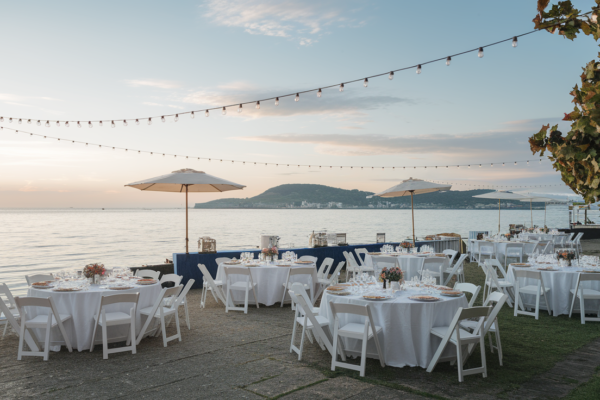
Is asking people to fly, book a hotel, and take time off worth it for your event?
Destination events – multi-day gatherings where travel matters – deliver big upside: deeper connections, focused work, and memories that stick, but they also add planning weight around logistics, cost, and accessibility.
This guide shows when a destination truly makes sense, how to pick the right format, and the practical shortlist and checklists that turn wanderlust into a real, doable plan.
What Destination Events Are and When They Make Sense

Destination events are multi-day gatherings held away from most attendees’ home cities, usually running anywhere from one to five days. The format covers a lot of ground. Destination weddings, corporate retreats, incentive trips, conferences, festivals, and brand activations all fall under this umbrella. What ties them together isn’t the type of event, it’s the travel. If most of your guests need a flight, a hotel room, and a few days away from their normal routine to attend, you’re planning a destination event, not just an event that happens to be out of town.
That distinction matters because destination events carry a different planning weight than a local gathering. Planning for a destination format means thinking through the attendee experience from the first invitation, not just the day of run sheet. You’re asking people to commit travel days, vacation time, and real money. Group travel logistics, programme length, and budget per attendee all shift once you add plane tickets and hotel nights to the equation. A wedding reception twenty minutes from home is a very different commitment than one on a beach three time zones away.
So who actually chooses this path? Couples wanting a trip worthy celebration instead of a single night party. Corporate planners trying to pull a team out of its daily grind for real focus. Conference organizers who need a destination strong enough to justify the travel ask. Incentive programme managers rewarding top performers with an experience, not just a bonus check. And event professionals juggling all of the above, often for clients who’ve never done this before and need a steady hand.
Here’s the simple test. Move forward with a destination event when the setting genuinely improves the outcome, whether that’s a more memorable wedding, sharper strategic alignment, or stronger motivation among your top earners, and when the budget, accessibility needs, and travel logistics are realistic for your actual attendee list. If the destination is a stretch for your group’s budget or mobility needs, it’s probably the wrong destination, not the wrong event type.
Destination Event Types and Formats
(((alt-img2)))
Once you know a destination event is the right call, the next decision is format. Each type carries its own scale, duration, and defining choices. Getting this right early saves you from redesigning the whole programme six months in.
Destination Weddings
Destination wedding planning centers on creating a meaningful shared celebration, usually for 50 to 200 guests. Couples generally choose between an intimate ceremony with a tight guest list, a standard destination wedding sized for extended family and friends, or a multi-day celebration that spans a welcome dinner, the ceremony, and a farewell brunch. Some couples keep it family-focused with kids running around the pool deck, others go adults-only for a quieter weekend, and some build the entire weekend around cultural or religious traditions that need specific venues or officiants. The format choice should come before the venue search, not after.
Corporate Retreats and Offsites
Corporate offsite planning usually serves one of a few goals: strategic alignment, leadership development, team cohesion, or simply recognizing a team for a strong year. Most retreats run 25 to 200 people over two to four days. Some are workshop-led with structured sessions and breakout rooms, others lean recreation-led with hikes, group activities, and open time, and plenty land somewhere in between with a blended format that mixes work sessions with shared experiences.
Incentive Travel Programmes
Incentive travel programs reward and motivate, built around premium shared experiences rather than agenda items. Groups typically run 10 to 300 attendees over three to five days. Formats vary from leisure-led trips built around relaxation, to adventure-led programmes with excursions and physical activity, to cultural immersion trips, to executive level programmes with more polish and fewer group activities.
Conferences and Summits
Conference destination selection depends heavily on your core goal: education, networking, lead generation, or industry positioning. Attendance ranges from 100 to 2,000 or more, typically over one to three days. Formats include single track programmes where everyone sees the same content, multi track events with parallel sessions, exhibition led conferences built around a trade show floor, and hybrid formats blending in person and remote attendance.
Festivals and Brand Experiences
Destination festival planning serves public engagement, product awareness, or pure entertainment, with scale ranging from 500 to 50,000 attendees. Smaller micro destination brand experiences run 20 to 75 guests for a more intimate activation. You’ll choose between ticketed public festivals, private brand activations, pop up experiences, and fully immersive formats designed around a single story or theme.
How to Shortlist Domestic and International Locations
(((alt-img3)))
Every destination on your list, no matter how beautiful, should be measured against the same criteria: access, seasonality, cost, venue capacity, and whether it actually fits your attendees. A gorgeous location that’s a 14 hour journey with no direct flights isn’t automatically wrong, but it needs to earn its place on the list the same way every other option does.
| Destination | Domestic or International | Best Event Fit | Favourable Season | Access or Visa Consideration | Indicative Cost Level |
|---|---|---|---|---|---|
| Napa Valley | Domestic | Weddings, incentive trips | Spring, fall | Drive or short flight via SFO/OAK | High |
| Charleston | Domestic | Weddings, corporate retreats | Spring, fall | Direct flights from most major hubs | Mid to high |
| Maui | Domestic | Weddings, incentive trips | Spring, fall shoulder months | Longer flight times from East Coast | High |
Final Words
You’ve covered the essentials: what destination events are, formats and scale, location shortlisting, budgeting, timelines, travel and room-block logistics, vendor contracts, attendee experience, production and risk, marketing and ROI, plus case studies and templates.
If you do one thing next, pick your top three destinations, score them for access, cost, and venue inventory, then arrange a site inspection or virtual walkthrough. Destination events pay off when the setting lifts the experience, so choose what truly improves the program and you’ll finish with a smooth run and happy attendees.
FAQ
Q: What is a destination party?
A: A destination party is a multi-day gathering held away from most guests’ home cities—like a wedding, retreat, or branded event—created to offer an immersive shared experience that makes travel worthwhile.
More from Politics
Destinations
Destination Events: Unforgettable Gatherings Await Every Planner
 Destinations
Budget Honeymoon Destinations: Romantic Escapes Without Overspending
 Destinations
Family Friendly Vacation Destination: Joyful Memories Await Everyone
 Destinations