Destinations
UNESCO World Heritage Sites Worth Chasing
18 UNESCO World Heritage sites worth real plans, from misty citadels to reef-blue coasts. Pick your pace, then circle your top three.
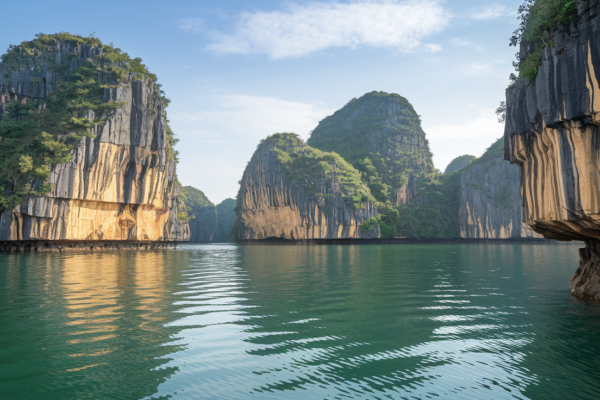
Not every UNESCO site deserves a long detour, but some are absolutely worth chasing.
This post gives 18 tried-and-true picks across six inhabited continents, from cloud-wrapped citadels to reef-blue seascapes and desert hush.
We balanced culture, nature, visitor appeal, and travel effort so you can choose fast, slow, family, or budget-friendly options.
Read on to find the ones that fit your travel energy, then circle three to make real plans.
18 Must-Visit UNESCO Sites for a World Heritage Bucket List
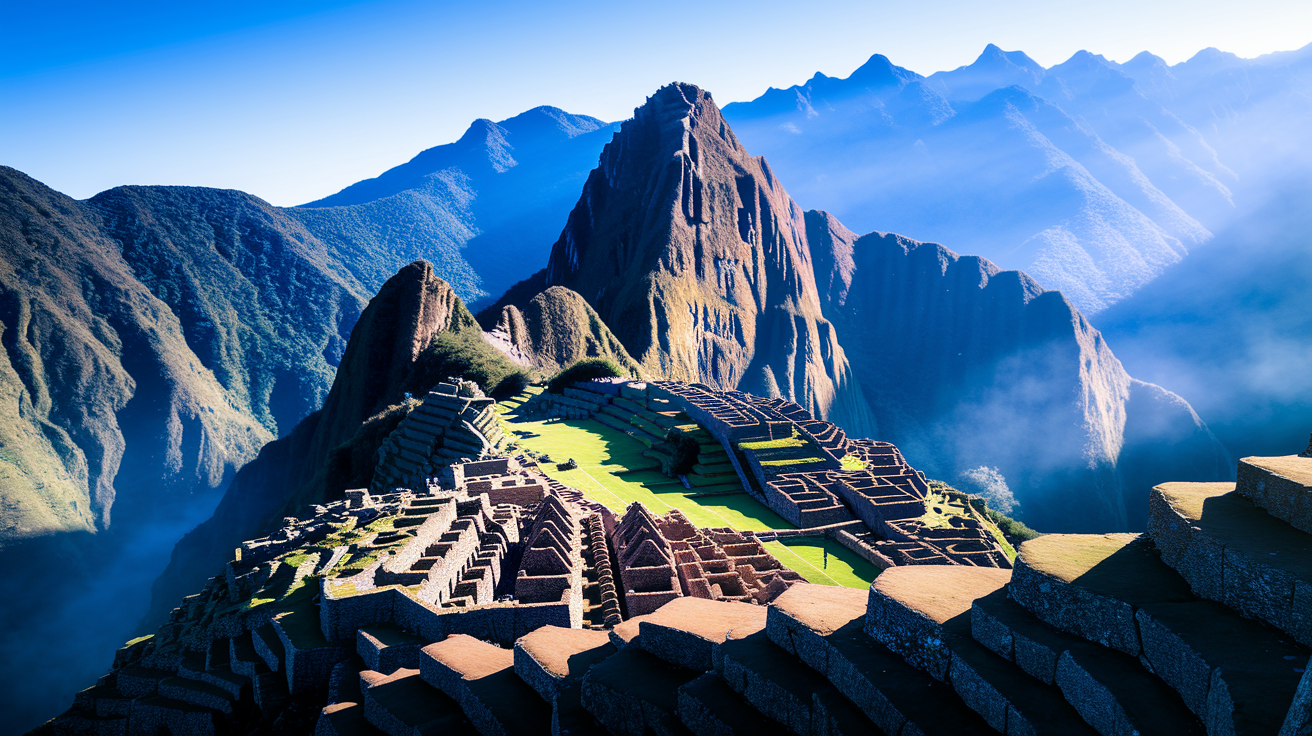
These 18 picks stretch across six inhabited continents, and they pull together archaeological complexes, historic cities, wildlife reserves, marine ecosystems, deserts, and volcanic terrain. If you’re putting together a World Heritage bucket list, this is a solid starting point. It balances cultural weight, natural value, visitor appeal, and a good spread of geography. For more planning detail, check out our full roundup of UNESCO World Heritage Sites You Need to See.
Think of this table as your first sorting tool. Scan it, circle a few names that catch your eye, and save those for the deeper profiles below.
| UNESCO Site | Country or Territory | Heritage Type | Main Reason to Visit | Best Timing Note | Access Effort |
|---|---|---|---|---|---|
| Machu Picchu | Peru | Cultural | Inca citadel in the clouds | May–September | Moderate |
| Galápagos Islands | Ecuador | Natural | Endemic wildlife encounters | June–December | Moderate |
| Yellowstone National Park | United States | Natural | Geysers and wildlife | check current conditions | Easy |
| Great Barrier Reef | Australia | Natural | World’s largest reef system | June–November | Moderate |
| Nazca Lines | Peru | Cultural | Ancient geoglyphs seen from the air | check current conditions | Easy |
| Taj Mahal | India | Cultural | Iconic mausoleum architecture | October–March | Easy |
| Angkor | Cambodia | Cultural | Vast Khmer temple complex | November–February | Moderate |
| Historic Monuments of Ancient Kyoto | Japan | Cultural | Temples, shrines, gardens | check current conditions | Easy |
| Ha Long Bay | Vietnam | Natural | Limestone karst seascape | October–April | Moderate |
| Hiroshima Peace Memorial | Japan | Cultural | Preserved post-1945 memorial | check current conditions | Easy |
| Acropolis of Athens | Greece | Cultural | Classical monuments above the city | check current conditions | Moderate |
| Petra | Jordan | Cultural | Rock-cut city and Treasury | March–May or September–November | Moderate |
| Giza Pyramids | Egypt | Cultural | Ancient monumental tombs | check current conditions | Easy |
| Serengeti National Park | Tanzania | Natural | Great Migration safari ecosystem | check current conditions | Strenuous |
| Þingvellir National Park | Iceland | Mixed | Rift valley and historic assembly site | check current conditions | Moderate |
| Wadi Rum Protected Area | Jordan | Mixed |
Final WordsYou’ve got a clear shortlist. 18 UNESCO World Heritage sites across six inhabited continents, including archaeological complexes, historic cities, wildlife reserves, marine ecosystems, deserts, and volcanic landscapes. This article walks through regional profiles, season and booking notes, itineraries, photography tips, accessibility checks, and responsible-travel advice so you can match places to your time, mobility, and travel style. Pick three favorites, check timing and reservations, and start booking. The UNESCO World Heritage sites to add to your travel bucket list are ready. Go make your next trip happen. FAQQ: What does UNESCO World Heritage status mean?A: UNESCO World Heritage status means a site has outstanding universal value and is recognised as cultural, natural, or mixed, warranting international attention and measures to protect and conserve it. Q: When did the World Heritage program begin?A: The World Heritage program began with the 1972 Convention; the first inscriptions followed in 1978, including early properties like the Galápagos Islands and Yellowstone National Park. Q: How many UNESCO World Heritage properties are there?A: The number of UNESCO World Heritage properties is 1,248 as of July 2025; check UNESCO’s live list for the current total because new inscriptions and boundary changes happen. Q: Does UNESCO status guarantee easy public access?A: UNESCO status does not guarantee easy public access; permits, visitor caps, timed entries, conservation work, and local rules can restrict entry, and access conditions differ by site. Q: Can a property lose World Heritage status?A: A property can lose World Heritage status, but delisting is rare and only happens when serious damage or failed protection undermines the values for which it was inscribed. Q: How far ahead should I book tickets, permits, or trips?A: Book 30–180 days ahead for popular or complex trips; simple timed entries may need less lead time, while treks, permits, and cruise cabins often require months of advance booking. Q: What are typical costs for visiting different UNESCO site types?A: Typical costs range from about $10–$40 for urban monuments, $150–$600 per safari day, and $800–$5,000+ for multi-day marine cruises; exact fees and levies vary by site and operator. Q: Are UNESCO sites accessible for travelers with reduced mobility?A: Accessibility varies by site; contact the property or operator to ask about step-free routes, accessible toilets, mobility equipment, companion policies, seating, and whether services must be reserved. Q: How can I avoid crowds and get better photos at iconic sites?A: Avoid crowds and get better photos by checking timed-entry windows, visiting lesser-known viewpoints, comparing weekdays versus weekends, and verifying gate times before planning sunrise access. Q: How can I visit responsibly and support conservation and local communities?A: Visit responsibly by choosing locally run guides and businesses, paying fair prices, avoiding natural souvenirs, reducing single-use waste, keeping wildlife distance, and contributing to conservation or community programs. |
More from Politics
 Destinations
Destination Events: Unforgettable Gatherings Await Every Planner
 Destinations
Budget Honeymoon Destinations: Romantic Escapes Without Overspending
 Destinations
Family Friendly Vacation Destination: Joyful Memories Await Everyone
 Destinations