Destinations
Peru Travel Destination: Breathtaking Adventures Await Explorers
Peru travel destination guide: ancient ruins, Andes peaks, Lima food, Amazon wildlife. Plan your trip by region, time, and season.
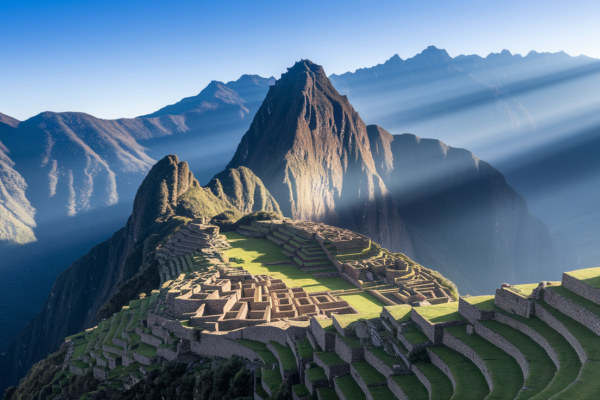
Think you can squeeze Peru into a long weekend? Think again.
This country stacks ancient Inca stonework, towering Andes peaks, Lima’s celebrated food scene, and steaming Amazon wildlife into one travel-packed package.
One morning you wander a 500 year old stone plaza.
A week later a pink river dolphin surfaces beside your canoe.
Peru rewards travelers who want bold variety and big stories, but it asks for time and a little planning.
If you only have a week, pick one region and go deep.
If you have more time, spread out to feel the shifts in climate and altitude.
Is Peru the Right Destination for Your Trip?
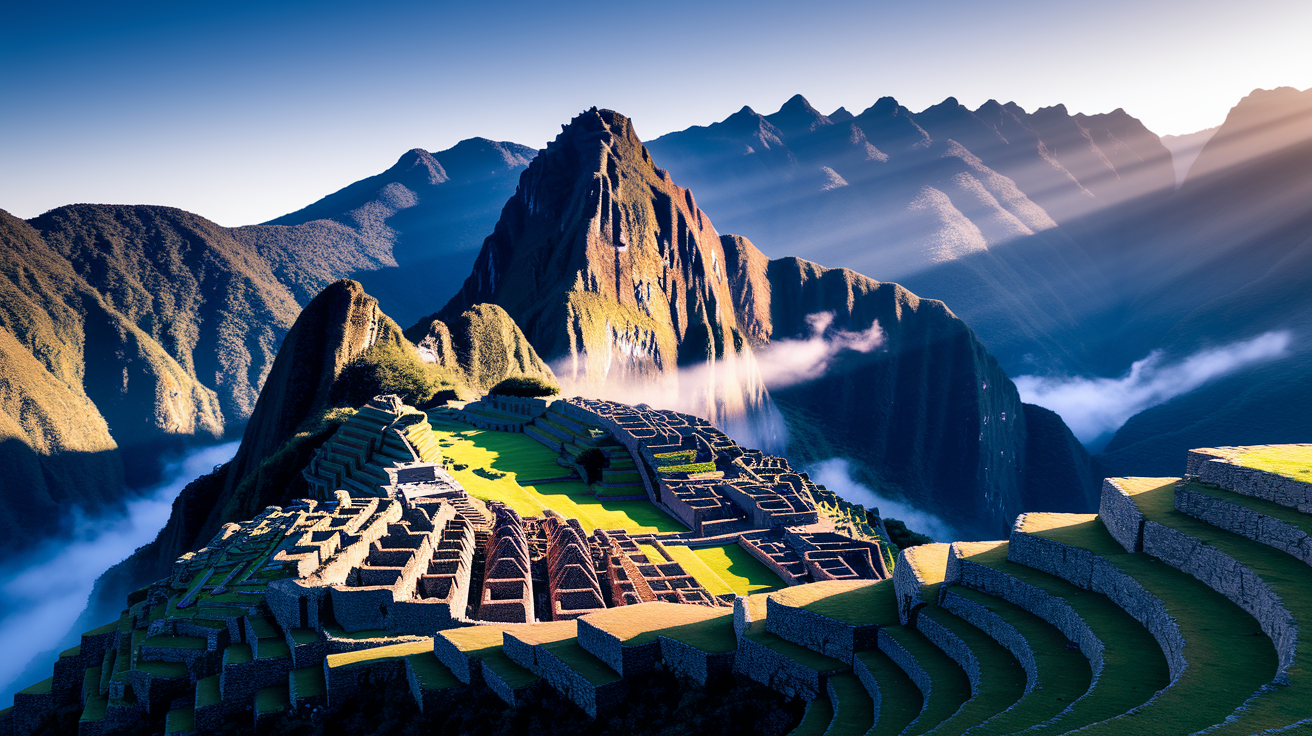
Peru is a strong pick if you want ancient ruins, mountain scenery, celebrated food, rainforest wildlife, and real adventure, all inside one country. Few places let you stand in a 500 year old stone plaza one week and watch a pink river dolphin surface the next. This travel destination rewards travelers who like variety.
The flagship names are Machu Picchu, Cusco, the Sacred Valley, Lima, the Amazon, Arequipa, Colca Canyon, and Lake Titicaca. Each one works together to build a trip that feels full, not rushed.
A rewarding first visit usually takes at least 7 days. If you can stretch to 10 or 14, you’ll get a better balance of sightseeing, acclimatization, and the travel time Peru’s geography demands.
Here’s who tends to fall hardest for this country:
- History and archaeology enthusiasts
- Hikers and outdoor travelers
- Food-focused visitors
- Wildlife and birdwatching travelers
- Cultural and festival travelers
- Landscape and travel photographers
Not sure if your style matches? Here’s a quick gut check.
| Traveler Profile | Why Peru Fits | Recommended Trip Length |
|---|---|---|
| Archaeology lover | Machu Picchu, Cusco city, and the Sacred Valley hold some of the best preserved Inca sites anywhere | 7 to 10 days |
| Hiker or trekker | The Inca Trail and several high altitude alternatives offer multi day routes through dramatic terrain | 10 to 14 days |
| Foodie | Lima’s dining scene ranks among the world’s best, plus street food worth planning meals around | 7 days minimum |
| Wildlife watcher | The Peruvian Amazon delivers macaws, monkeys, caimans, and river dolphins in dense, accessible habitat | 10 to 14 days |
| Cultural traveler | Quechua and Aymara communities, markets, and festivals offer living tradition, not just ruins | 10 to 14 days |
| Photographer | Sunrise at Machu Picchu, condors over Colca Canyon, and golden hour on Lake Titicaca are hard to beat | 10 to 14 days |
How Geography, Climate, and Altitude Shape a Peru Trip
(((alt-img2)))
Peru isn’t one climate. It’s three, stacked on top of each other. The Pacific coast sits at sea level with desert landscapes and beach towns. The Andes climb to serious heights, Cusco at roughly 3,400 meters, Machu Picchu at 2,430 meters, Lake Titicaca at 3,812 meters, and Rainbow Mountain topping out near 5,200 meters. Then the Amazon drops back down to steamy lowland jungle, reached through gateways like Iquitos and Puerto Maldonado. Each zone demands different clothes, different expectations, and honestly, a different mindset.
That jump from coastal warmth to thin mountain air is the part first time visitors underestimate. Altitude sickness becomes more likely above 2,500 meters, so arriving in Cusco and heading straight into a strenuous hike the same afternoon is a rough plan. Give yourself acclimatization time before anything physical. It’s not about toughness. It’s about biology.
And because these regions are spread across a genuinely large country, getting between them eats real time. A flight might save you a full day compared to a bus. This is why domestic flights, buffer days, and picking fewer regions well tend to beat trying to see everything.
Here’s the quick regional breakdown, without repeating the big name attractions:
- Coast: low elevation, desert conditions, marine weather, warmest from December through March
- Andes: high elevations, broadly dry May through September, cold nights, real altitude considerations
- Amazon: lowland heat, humidity, seasonal river changes, occasional weather related transport delays
Machu Picchu, Cusco City, and the Sacred Valley
(((alt-img3)))
Cusco, the Sacred Valley, and Machu Picchu form the backbone of almost every first Peru itinerary, and for good reason. They flow into each other logically, geographically and emotionally, building from a living Andean city to agricultural ruins to the main event itself.
Cusco City
Cusco, the former Inca capital, sits at about 3,400 meters and deserves 2 to 3 days on its own, acclimatization included. Wander the Plaza de Armas, step into Qorikancha’s Inca stonework beneath colonial church walls, climb to Sacsayhuamán’s massive terraced walls, and get lost a little in San Pedro Market or the artisan lanes of San Blas. Early morning in Plaza de Armas, before the tour groups arrive, is a genuinely great photo window, as is an elevated city panorama from one of the hillside lookouts.
The Sacred Valley
Lower in elevation than Cusco, the Sacred Valley is where you slow down and look at how Inca engineering actually worked. Pisac and Ollantaytambo offer markets and fortress ruins, Moray shows off its mysterious circular terraces, and Maras holds nearly 3,000 salt pans still worked by hand. Add mountain biking, horseback riding, or rafting if you want to move your legs before Machu Picchu. The terrace patterns, salt pan textures, and woven textiles here make for some of the most striking shots of the whole trip.
Final Words
Jump in—Peru packs ancient sites, Andes peaks, coastal cities, and the Amazon into one trip.
Plan for at least 7 days; 10–14 is better for acclimatization, Machu Picchu tickets, a short trek, and a touch of Lima or the jungle. Book permits and trains early, pack layers, and leave buffer days for flights or weather.
Pick your vibe, choose one major addition, and follow the checklist in this guide. If you want a memorable travel destination peru, now’s a great moment to lock dates and start booking.
FAQ
Q: Is Lima, Peru a good place to travel?
A: Lima, Peru is a great place to travel for celebrated food, coastal views, museums, and lively neighborhoods like Miraflores and Barranco; plan 1–2 full days to taste the city and visit key museums.
Q: How far does 100 US dollars go in Peru?
A: A hundred US dollars in Peru typically equals about 320–400 soles depending on rates, enough for several budget meals, local transport, and one or two nights in simple guesthouses outside major tourist hubs.
Q: How much will a trip to Machu Picchu cost?
A: A trip to Machu Picchu typically costs between US$100–400 for a day visit from Cusco (train, entrance, basic hotel), while trekking packages or Inca Trail permits commonly run US$500–1,200 or more. Book trains and tickets well ahead.
Q: Is Costa Rica or Peru better?
A: Choosing between Costa Rica and Peru depends on your priorities: pick Costa Rica for accessible beaches, easy wildlife viewing, and eco-lodges; choose Peru for archaeology, mountain trekking, celebrated cuisine, and diverse ecosystems.
More from Politics
 Destinations
Destination Events: Unforgettable Gatherings Await Every Planner
 Destinations
Budget Honeymoon Destinations: Romantic Escapes Without Overspending
 Destinations
Family Friendly Vacation Destination: Joyful Memories Await Everyone
 Destinations