Bucket Lists
Solo Travel Safety Tips Every Beginner Needs
New to solo travel? These 12 safety tips for beginners cover what to do before you leave, on arrival, and each day. Simple steps, real peace of mind.
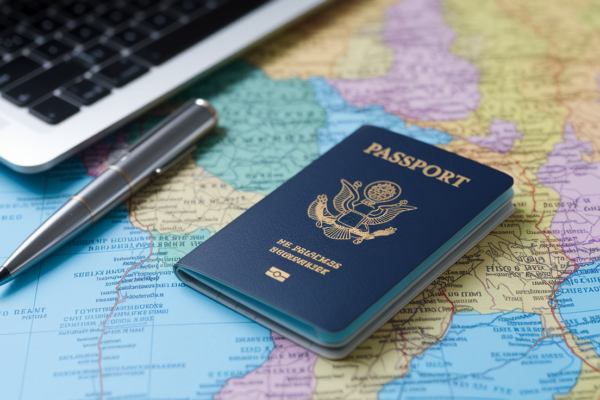
Solo travel isn’t as dangerous as people say.
Being unprepared is the real risk for beginners.
If you’re new, decisions seasoned travelers make without thinking add up fast and can feel overwhelming.
This post gives 12 clear, practical actions to do before departure, on arrival, and each day so you stay safe and still enjoy the trip.
Work through them before you book anything else. It’s the simple safety map every beginner needs.
Before Departure, On Arrival, and Each Day: A 12-Point Checklist
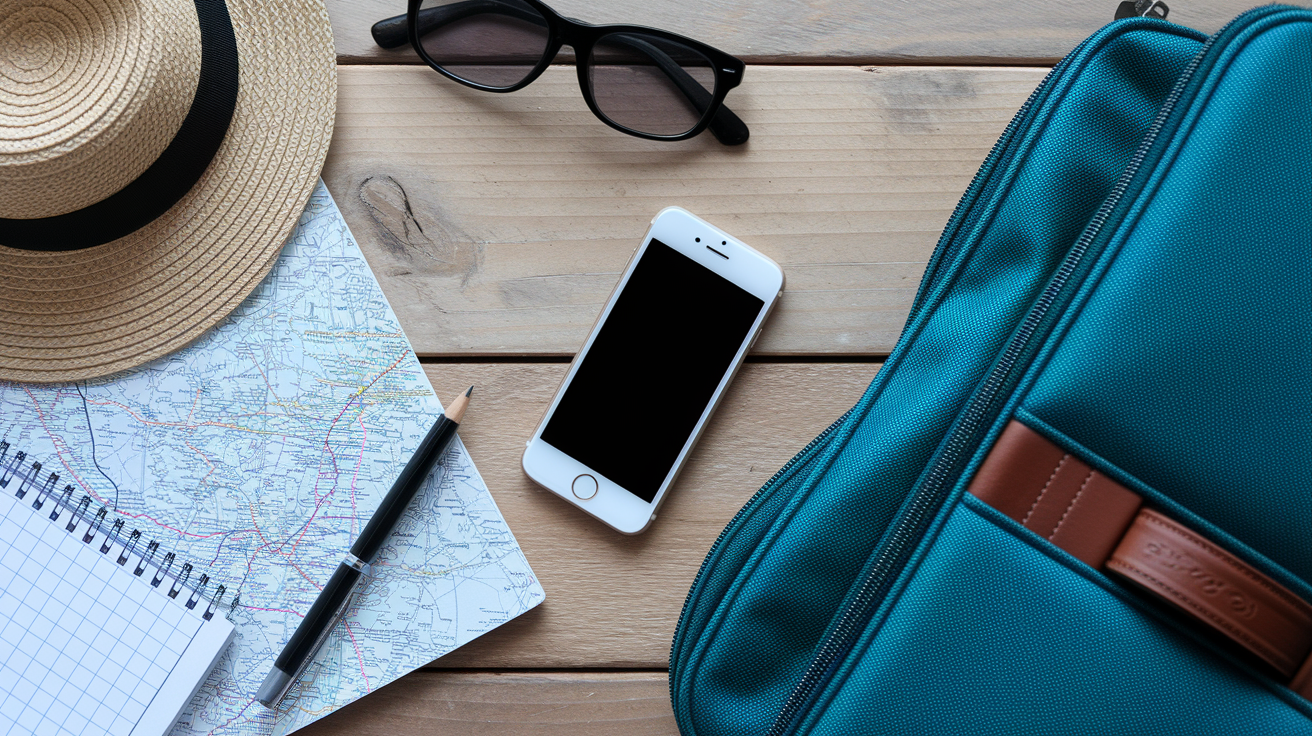
Work through these 12 actions before you book anything else. They cover the whole arc of a trip, not just the packing list, so you won’t get caught flat footed once you land.
This beginner solo traveler checklist works as a map for solo travel safety, split into three stages that matter equally.
Before Departure
- Check official travel advisories and purchase suitable medical, cancellation, and evacuation insurance.
- Share the itinerary with trusted contacts and agree on specific check in times and a missed check in response.
- Vet the lodging location, recent reviews, access controls, and late arrival arrangements.
- Configure the phone, download offline maps, and save the destination’s police, ambulance, fire, embassy, insurer, and trusted contact numbers.
On Arrival
- Use prearranged first night transport or an official taxi or ride service instead of accepting unsolicited offers.
- Confirm the accommodation entrance and room locking procedures without announcing the room number publicly.
- Split cards and cash between separate secure locations while keeping only a limited amount in the everyday wallet.
- Check in with the designated contact after reaching the accommodation and report any major itinerary change.
During Daily Travel
- Decline common scam setups involving unsolicited help, distractions, fake officials, forced urgency, or unofficial transport.
- Stay aware in public, limit visible valuables, and avoid getting absorbed in the phone while moving through unfamiliar places.
- Leave immediately and move to a staffed public place whenever a person, vehicle, venue, or situation feels wrong.
- In an emergency, call local emergency services first, then contact the insurer and designated trusted contact.
Solo travel planning for safety works best when you treat it as one continuous system. Not a single pre-trip to-do list you forget about once you land.
A Brief Note on New-Traveler Risk
(((alt-img2)))
Here’s the honest part. First time solo travelers haven’t built the muscle memory experienced travelers rely on, the kind that lets you read a sketchy taxi stand or a confusing metro transfer without even thinking about it.
That unfamiliarity adds mental load. You’re making more decisions, solo, with less context, and that can feel exhausting by day two.
It doesn’t mean solo travel is riskier for you specifically. It just means your routines aren’t automatic yet.
The good news? These are learnable habits, not personality traits. Safety tips for beginners exist precisely because every seasoned solo traveler started exactly where you are now.
Pre-Trip Research: Solo Travel Planning For Safety
(((alt-img3)))
When you travel with someone else, you’ve got a second set of eyes checking whether a neighborhood feels off or a bus route makes sense. Solo, that job is all yours. Which is exactly why researching destinations for safety deserves real time before you book.
To keep it simple, here’s what to check before committing to a destination or neighborhood.
- Check official government travel advisories for your destination country and region.
- Read recent local news to catch any unrest, scams, or safety trends making headlines.
- Scan traveler reviews from the last 6 to 12 months, not older ones, since conditions shift.
- Research local laws, customs, and dress codes so you’re not caught off guard on day one.
- Consider a trial run closer to home first, a short solo weekend, to build confidence before a longer trip.
If this is genuinely your first solo trip, lean toward destinations where you speak the language, even a little, or where you’ve got firsthand recommendations from other travelers rather than relying purely on search results. A friend’s “here’s exactly where I stayed and how I got around” beats a stranger’s five star review every time.
Documents, Insurance, and Emergency Contacts Before You Leave
(((alt-img4)))
Losing a passport abroad is stressful. Losing it with no backup copy, no travel insurance, and nobody expecting your call, that’s the scenario you’re actually preparing against here.
Redundancy is the whole point. One copy can get lost, stolen, or soaked in a sudden downpour, so build in backups from the start.
| Item | Why It Matters | Recommended Action |
|---|---|---|
| Passport copies | A lost or stolen passport is far easier to replace with proof of the original | Keep 2 physical photocopies in separate bags plus 2 encrypted digital copies, one cloud and one offline |
| Emergency card and saved numbers | In a crisis, you need critical info accessible fast, without digging through apps | Carry a card with your name, blood type, medications, 2 contacts, and embassy phone number |
| Travel insurance | Medical care abroad can be expensive, and evacuation costs can be enormous | Get at least $100,000 medical coverage, $1,000 to $2,000 trip cancellation, and evacuation coverage for remote areas |
| Embassy registration | Registering lets your government reach you during emergencies or local unrest | Sign up with your national travel program, such as STEP where it’s available |
| Itinerary sharing | Someone back home should always know where you’re supposed to be | Share flights, accommodation addresses, and 2 daily check in windows with at least 2 trusted contacts |
Lock this all in at least 48 hours before departure. Send the final itinerary, confirm your check in schedule with your contacts, and make sure everyone agrees on what happens if you miss one.
Money Security: Carrying Cash, Cards, and Valuables Safely
(((alt-img5)))
Here’s a simple way to think about it.
Final Words
Start with action: use the 12-point checklist covering before departure, on arrival, and daily travel so nothing important slips through the cracks.
Do the prep work we outlined — research advisories and local news, organize documents and insurance, share your plan, and set up money backups and phone tools. Follow the arrival and daily habits for safer choices and quicker decisions on the ground.
Treat these solo travel safety tips for beginners as a simple routine: check, copy, split, and trust your gut. You’ll travel smarter—and enjoy it more.
FAQ
Q: What are the most important safety steps to take before a solo trip?
A: The most important safety steps to take before a solo trip are checking official advisories, buying medical/cancellation/evacuation insurance, sharing your itinerary with check-in rules, vetting lodging, configuring your phone, and saving emergency numbers.
Q: What should I do on arrival to stay safe?
A: On arrival to stay safe, use prearranged first-night transport or an official taxi, confirm the accommodation entrance and room-locking procedures, split cards and cash into separate secure spots, and check in with your designated contact.
Q: What daily habits should solo travelers follow for safety?
A: Daily habits solo travelers should follow include declining unsolicited help or distractions, staying aware and limiting visible valuables, avoiding phone absorption while moving, leaving if something feels wrong, and calling local emergency services first.
Q: How do I research a destination for safety before booking?
A: To research a destination for safety before booking, consult government travel advisories, recent local news, and traveler reviews from the past 6–12 months; check neighborhood crime, transit safety, laws, dress codes, and consider a trial trip.
Q: What documents and insurance should I prepare before leaving?
A: Documents and insurance to prepare before leaving include your passport plus two physical and two encrypted digital copies, an emergency card with medical and contact details, registering with your government travel program, and insurance with about $100,000 medical and evacuation coverage.
Q: How should I share my itinerary and set check-ins?
A: To share your itinerary and set check-ins, send full plans to at least two trusted contacts, include flights and accommodation, give two daily check-in windows, agree a missed-check-in response, and confirm everything 48 hours before departure.
Q: How should I carry cash and cards safely?
A: To carry cash and cards safely, keep two active cards plus one backup in separate locations, split $50–$200 between an everyday wallet and a hidden emergency stash, use bank ATMs in staffed areas, and enable alerts or daily limits.
Q: What should I do if my card is lost or stolen while traveling?
A: If your card is lost or stolen while traveling, freeze or block the card and contact the issuer immediately, switch to your separately stored backup, avoid accessing accounts on public Wi‑Fi, and report suspected fraud to your bank and local police.
More from Politics
 Destinations
Destination Events: Unforgettable Gatherings Await Every Planner
 Destinations
Budget Honeymoon Destinations: Romantic Escapes Without Overspending
 Destinations
Family Friendly Vacation Destination: Joyful Memories Await Everyone
 Destinations