
Ever wondered about a place where you feel completely safe on your travels? We took a close look at what makes a destination welcoming and secure. We checked out everything from low crime rates and good health measures to the friendly warmth of the locals.
This guide is all about highlighting spots where safety is more than just a number, it’s a promise. We explored places where community trust is strong and nature is kind. So, if you’re looking for peace of mind and a welcoming atmosphere on your next adventure, read on and discover your next safe haven.
Definitive Guide to the World’s Safest Countries
We put together our list by taking a good, hard look at safety factors that really matter. We checked everything from crime rates and terrorism risks to transportation security, health precautions, and how friendly a place feels for minority groups. We even asked American travelers what they thought over the past five years, making sure every safety detail, from Iceland’s super low serious crime numbers to Australia’s strong emergency plans, was covered.
We also considered local rules and natural hazards that might affect safety. For example, Iceland is known for its unarmed police and very low violent crime. It used to be ranked first and is still staying near the top, though it dipped a bit (↓3) this year.
| Rank | Country | 2026 Rank Change | Key Safety Indicator |
|---|---|---|---|
| 1 | Netherlands | ↑14 | Progressive policies with high community safety |
| 2 | Australia | ↓1 | Stable political climate and rigorous protocols |
| 3 | Austria | – | Robust public safety and low crime |
| 4 | Iceland | ↓3 | Minimal crime rate and pristine natural conditions |
| 5 | Canada | ↑2 | Universal healthcare and community trust |
| 6 | New Zealand | – | Stringent transport safety and low crime |
| 7 | United Arab Emirates | ↑11 | Rapid emergency response and modern infrastructure |
| 8 | Switzerland | ↓3 | Low crime and meticulous disaster preparedness |
| 9 | Japan | – | Efficient transport safety and earthquake protocols |
| 10 | Ireland | ↓6 | Community oversight and political stability |
| 11 | Belgium | ↑9 | Secure public amenities and effective policing |
| 12 | Portugal | ↓1 | Stringent health measures and cultural inclusiveness |
| 13 | France | ↑4 | Comprehensive safety measures and tourism security |
| 14 | United Kingdom | ↑1 | Historic stability and low terrorism risk |
| 15 | Denmark | ↓5 | Enhanced child safety and peaceful society |
Countries like the Netherlands and Australia have made big leaps in their rankings as they quickly adjust to new challenges. Meanwhile, steady players such as Austria, New Zealand, and Japan repeatedly show that safety can be reliably maintained year after year.
Key Safety Indicators Shaping Safest Countries Rankings

When it comes to figuring out how safe a country is, looking at many different clues makes all the difference. We now mix official numbers with fresh data like community trust surveys and real-time risk checks. Take Iceland, for example. It isn’t just about low crime rates, locals back their unarmed police with strong confidence and safety scores.
Here are some of the things we look at:
- Crime & Policing: We check how well communities feel about their police, like in Iceland where low theft and vandalism bring comfort.
- Political Stability: Countries like the Netherlands and Austria show low civil unrest, backed by current political trend checks.
- Healthcare Quality: Canada stands out with its strong pandemic readiness and universal care, shown in the latest public health reports.
- Disaster Preparedness: In Iceland, advanced volcanic monitoring pairs with Japan’s quake strategies, with live risk tests adding extra insight.
- Transportation Safety: Strict speed limits, firm DUI rules, and up-to-date road safety checks all play a role.
All these points come together to form a clear picture of a country’s safety. By blending time-tested factors with new, real-time data, travelers get modern insights to help them feel secure wherever they wander.
Regional Breakdown of the Safest Countries
Travelers will notice that safety trends change from one region to another. In Europe, 10 out of the top 15 safe countries show a strong commitment to community security and handling disasters. Over in the Asia-Pacific, countries shine with strict transport rules and a solid emergency response. In North America, Canada leads the way with its mix of universal healthcare and low crime. And in the Middle East, you'll see modern safety systems coming together quickly.
| Region | Top Country | 2026 Rank | Notable Safety Factor |
|---|---|---|---|
| Europe | Netherlands | 1 | Progressive policies and community trust |
| Asia-Pacific | Australia | 2 | Strict safety protocols and transport systems |
| North America | Canada | 5 | Universal healthcare and low crime |
| Middle East | UAE | 7 | Modern infrastructure and rapid response |
| Other | N/A | N/A | Not applicable; top safety trends concentrated elsewhere |
When you look at these trends, a few patterns stand out. Europe’s success comes from a long tradition of smart community planning and trusted local systems. In Asia-Pacific, the focus is on being ready for emergencies and ensuring safe roads. North America's strong public services have helped its countries rank high. And the UAE's modern methods bring a fresh look to safety. Each region shows that local cultures and proactive steps play a big role in making places safe.
Safest Countries: Safe Havens for Expats, Women, and Families
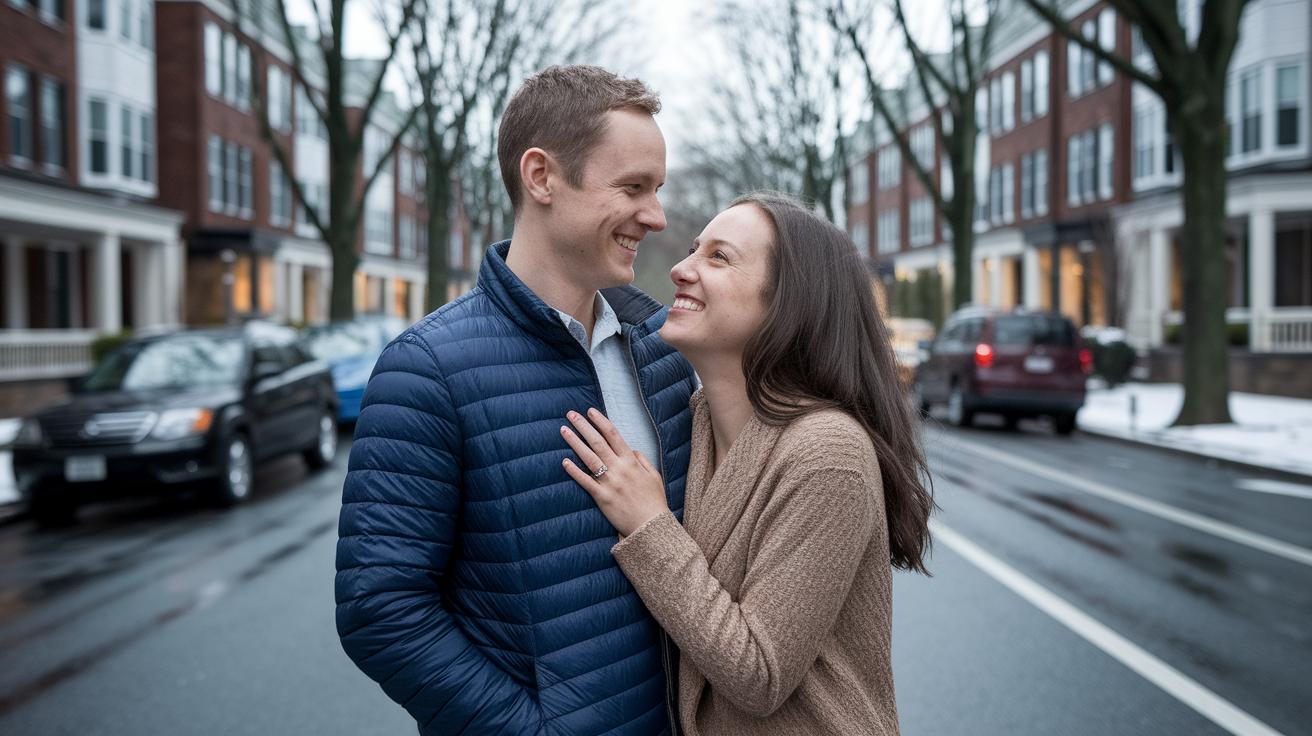
Every traveler has their own idea of what makes a place feel safe. Expats often look for a stable economy and low crime, women value progressive environments where they can be themselves, and families want neighborhoods with strong child-protection rules and overall security.
For expats, some of the best choices include:
- Canada (#5): A country known for its reliable services and a close-knit community atmosphere.
- Australia (#2): Loved for its safe neighborhoods and sturdy infrastructure.
- Switzerland (#8): Celebrated for a steady economy and very low crime rates.
Women find comfort and safety in places like:
- Iceland (#4): A top pick because of its strong stance on gender equality and support for the LGBTQ+ community.
- Netherlands (#1): Admired for its forward-thinking policies and welcoming, inclusive culture.
- New Zealand (#6): Praised not only for its child and road safety but also for a warm, inviting vibe.
Families can feel secure in spots such as:
- Iceland: Known for its strict child-protection measures and a very secure environment.
- Denmark (#15): Recognized for dependable family-friendly policies.
- New Zealand: Offers excellent child safety and trusted public services.
For more ideas and tips on staying safe when traveling solo or as a woman, check out our insider guide to solo travel safety tips.
Future Trends in Global Safest Countries Rankings
Safety rankings aren’t as steady as they used to be. Think about the recent eruptions in Iceland, it’s a perfect reminder that natural events can quickly change how safe a country feels. And then there’s COVID-19, which showed us that being ready for a pandemic is now a huge part of what makes a nation secure. So really, these rankings keep shifting as big events and new priorities come into play.
Climate change and rising costs also mix things up. Countries now have to deal with unpredictable extreme weather and natural disasters. Experts are starting to look at climate risks and even how strong a country’s healthcare system is when they decide on safety. It’s like blending old safety ideas with new challenges, so we get a whole new picture of what staying safe means.
Technology is changing the game too. New digital security tools and smarter data gathering are giving us fresh ways to watch out for risks. When you see a country boosting its health systems and emergency communications, it might just be the next safe bet. They’re quick to adopt tech fixes along with solid disaster plans, which makes all the difference.
Expert Tips for Choosing and Traveling to the Safest Countries
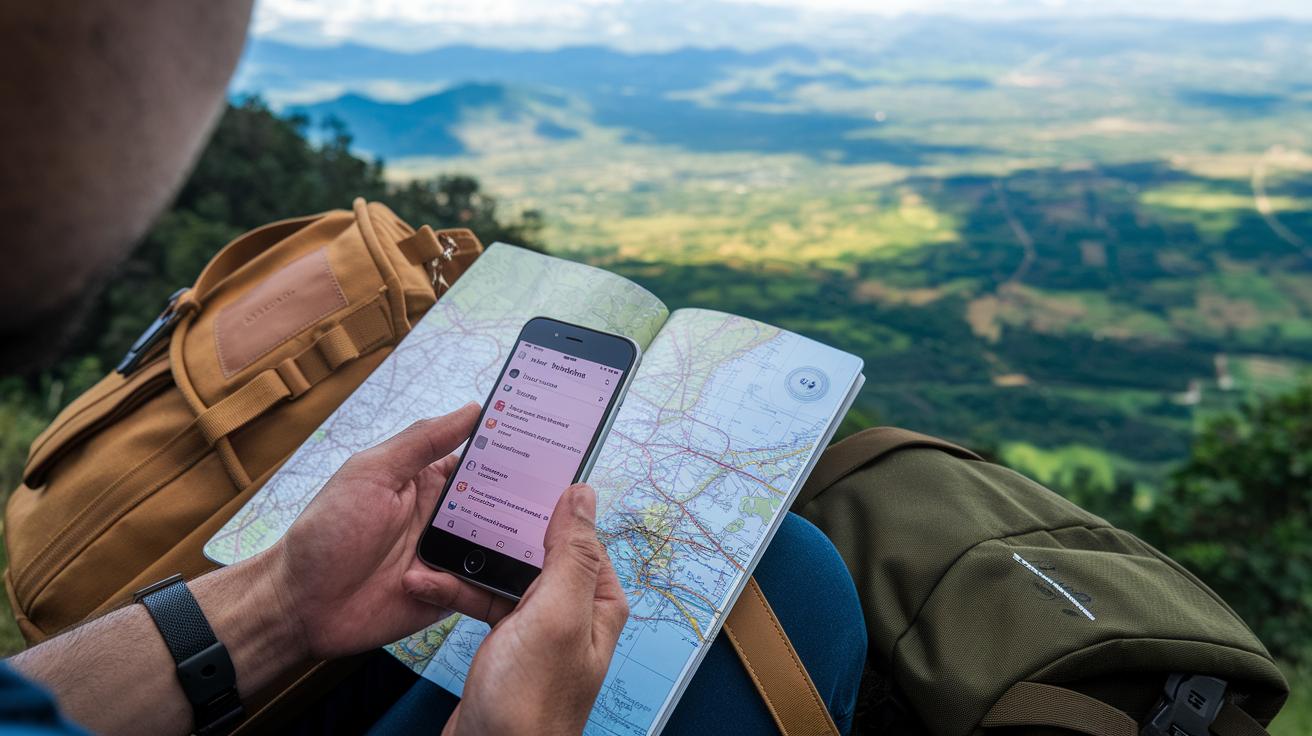
Before you hit the road, it’s a smart move to check official travel advisories and look at Global Peace Index reports. These sources offer up-to-date info on local crime, political stability, and more. For example, if an advisory mentions a temporary curfew in a popular spot, you can plan an alternate route or pick different activities. Starting your trip with trusted information makes everything smoother.
When you arrive at your destination, try to blend in with the local vibe. Register with your embassy, grab comprehensive insurance, and use helpful safety apps like SafeTravel to stay informed about any issues. It’s best to avoid isolated areas after dark and keep your valuables secure so you can truly enjoy the local culture without any worries.
If you plan to stay longer, joining community events or connecting with expat networks can really boost your confidence. Chatting with locals and fellow travelers not only helps you feel safer but also gives you insider tips for everyday life in your new surroundings.
Final Words
In the action of uncovering vital insights, we broke down rankings, regional trends, and expert tips to guide your travel planning. We explored safety metrics from low crime to healthcare quality that set each nation apart. Highlights included expat favorites and family-friendly havens, offering a well-rounded view of adventure possibilities. Embrace these perspectives and let them inspire your journey as you explore the safest countries in the world. Enjoy your travels with confidence and a spark of curiosity as you discover hidden gems along the way.
FAQ
Q: What are the top 10 safest countries in the world?
A: The top 10 safest countries in the world include the Netherlands, Australia, Austria, Iceland, Canada, New Zealand, United Arab Emirates, Switzerland, Japan, and Ireland. These rankings reflect low crime, excellent healthcare, and stable political climates.
Q: How does the USA rank in safety?
A: The USA has robust infrastructure and strong services, yet it often ranks lower than the top global safeties due to higher crime rates and political volatility compared to top-ranked nations.
Q: Which is the safest country for females?
A: Nations like the Netherlands and Iceland are celebrated for progressive policies and strong gender equality measures that provide extensive legal protections and supportive communities.
Q: What do lists like the top 50 or top 100 safest countries include?
A: These lists compile nations rated for low crime, stable politics, quality healthcare, efficient transport safety, and disaster preparedness, helping residents and travelers gauge overall safety.
Q: How are safety rankings determined for these global listings?
A: Safety rankings are determined using multi-dimensional factors such as crime rates, healthcare quality, transportation safety, disaster readiness, and political stability, which together form a holistic security score.
Q: What defines the unsafest countries in the world?
A: Nations with high crime rates, political instability, poor infrastructure, and limited disaster preparedness typically fall at the bottom of global safety indexes.
Q: What might the list of safest countries in 2025 look like?
A: Future lists will likely incorporate updated metrics like digital security and climate risk, potentially shifting rankings in response to global events and policy changes.
Q: What safety indicators matter most for travelers?
A: Travelers should consider factors such as crime rates, healthcare standards, disaster preparedness, transportation safety, and political stability to gauge a country’s security.