
Have you ever felt your heart skip when you think of a new adventure? It isn’t just a passing wish, it’s a strong call to break free from your daily routine and feel alive.
When you step into a place you've never been, you unlock a part of yourself that craves new experiences. It’s like your mind lights up with excitement, leaving behind the ordinary for a burst of fresh energy.
Every journey, no matter how small, shows you hidden parts of who you are. And isn't that what travel is all about? Finding a little escape while discovering more about yourself every step of the way.
Understanding the Psychology of Wanderlust
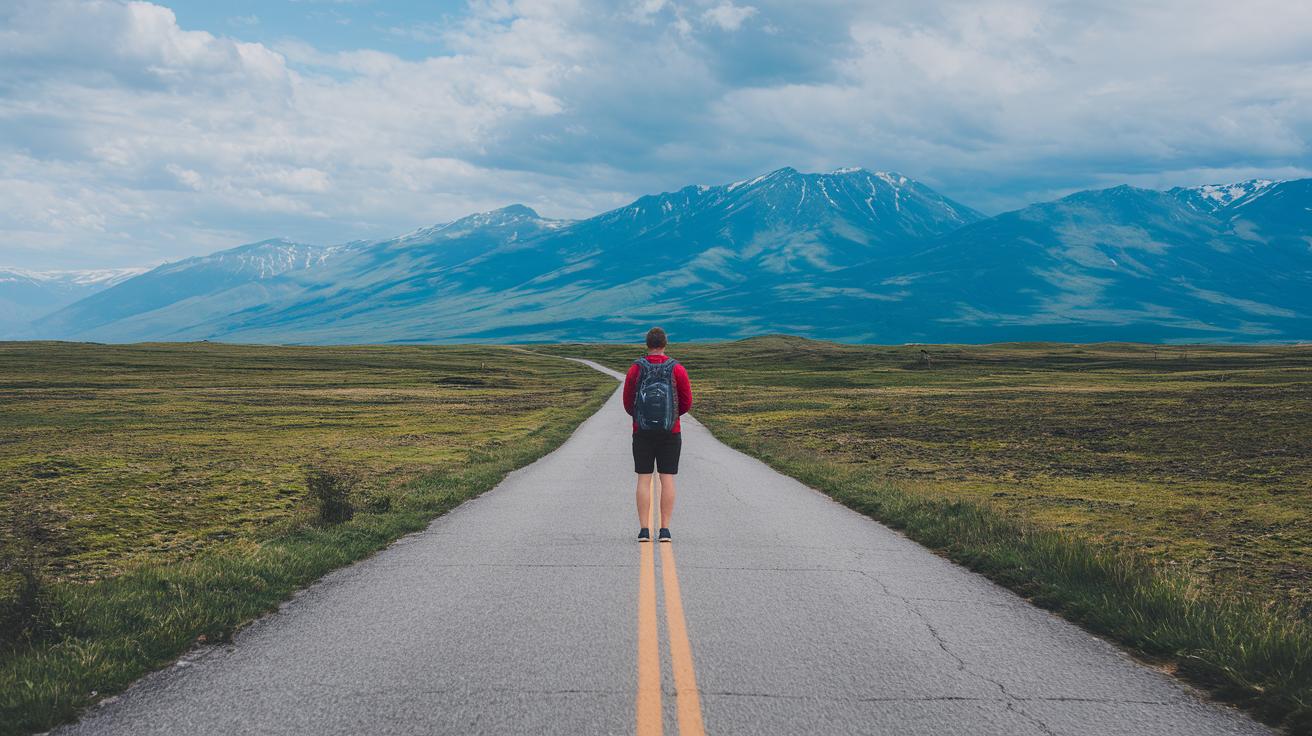
Wanderlust comes from two German words, one meaning "to roam" and the other "desire." Simply put, it’s that burning urge to explore new places and try new things. I remember feeling a spark of excitement every time I stepped into a town I’d never seen before. It’s like a little nudge from inside, telling you, "Go see what’s out there!"
Everyday routines can start feeling a bit too predictable, sometimes even a little boring. That’s when you crave something fresh, a taste of the unknown to recharge your spirit. You know how stepping off a familiar path can sometimes feel like finding a piece of yourself you’d lost? It’s amazing how travel can be both an outer adventure and a journey inward.
And guess what? Science backs this up too. A study by the APA in 2018 found that trying new travel experiences can really lift your mood. Plus, a 2017 survey revealed that 69% of travelers say they feel more refreshed and in tune with themselves after a trip. So, breaking away from your routine isn’t just fun, it helps you feel happier and understand yourself a bit more with every new step you take.
Novelty Seeking Behavior and the Brain’s Reward System

Our brains love a good adventure. Have you ever felt that burst of excitement when trying something completely new? It's no accident. When you leap into experiences like skydiving or wandering along a hidden trail, your brain releases dopamine, a chemical that makes first-time thrills feel so rewarding.
| Neurotransmitter | Psychological Effect | Triggering Travel Stimulus |
|---|---|---|
| Dopamine | Reward, pleasure | First-time activities (e.g., skydiving) |
| Serotonin | Mood stabilization | Serene environments (e.g., beaches) |
| Oxytocin | Social bonding | Shared group tours |
Looking at this table, you can see how each brain chemical plays a role in our travel experiences. Dopamine gives us that rush when stepping into unknown territory, serotonin helps us feel calm when we’re soaking in cozy spots like a quiet beach, and oxytocin turns shared journeys into treasured memories.
All of these responses blend together to fuel our natural urge to explore and connect with both nature and each other. Isn’t it amazing how our brains guide us on every new adventure?
Travel Personality Dynamics: Traits Driving the Desire for Adventure

Every traveler has a unique way of exploring the world, shaped by traits that spark our curiosity to wander. Imagine your travel style as your personal fingerprint, guiding you to discover new places with an open heart. Your personality can make you eager to embrace the unknown and meet life's little surprises along the way.
Here are some traits that often light the spark for adventure:
- Openness to new experiences
- A love for thrills and risk
- A strong need for independence
- A natural curiosity and drive to learn
- A reflective side that loves self-exploration
These qualities aren’t just random quirks. They connect with something called Self-Determination Theory, which says we travel to feel free, capable, and connected. When you're naturally open to new experiences or ready for a bit of risk, you’re not just chasing excitement, you’re answering an inner call for growth. With each journey into new territories, you build confidence and gain a better understanding of who you are.
Isn’t it amazing how every adventure not only quenches your wanderlust but also helps you develop into a more self-aware explorer?
Emotional Cravings and Escapism Mechanisms in Wanderlust
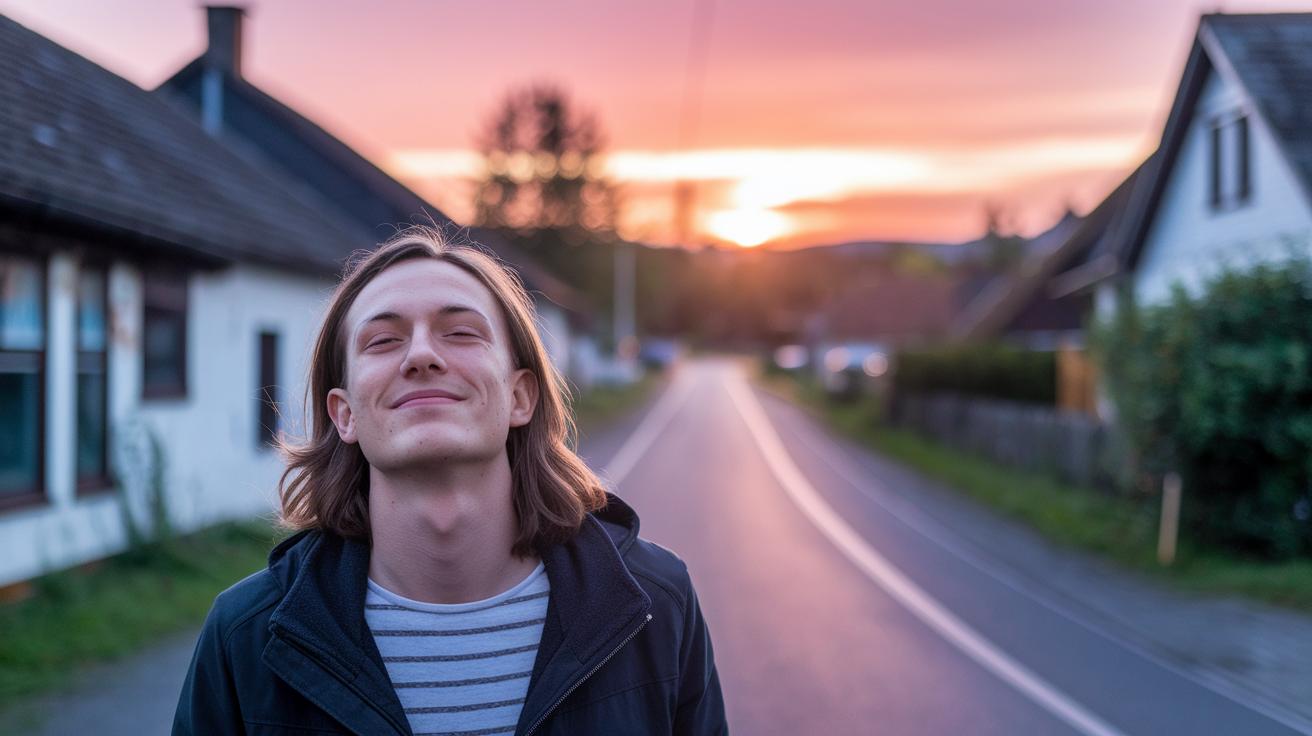
Travel isn’t just about reaching a new destination; it’s a refreshing break for your heart and mind. It gives you a chance to step away from the hectic pace of everyday life and fill your spirit with moments of wonder and calm.
Many of us feel stuck in the constant buzz of daily routines, overwhelmed by non-stop tasks and information. Even research from the APA reminds us that stepping away from this grind can lower stress and boost our mood. In a way, wanderlust feels like our quiet way of saying “enough” to life’s pressures. By exploring new cultures and surroundings, we not only find a bit of peace but also open up a space to grow and ignite our creativity.
Every time you travel, you give your inner self a little gift of joy and discovery. That sense of freedom and clear-headedness makes you yearn for the next adventure, turning each trip into fuel for a deeper curiosity about the world.
Decision Making, Risk-Taking, and Spontaneity in Journey Choices

When you're planning a trip, you often find yourself torn between trying something totally new and checking out how risky an adventure might be. A craving for fresh experiences nudges you to step out of your comfort zone, while a bit of humble caution helps you decide if an activity is thrilling enough without going too far. For example, you might weigh a detailed city tour against the rush of a spontaneous mountain hike, each choice brings its own mix of comfort and excitement.
Studies even show that mixing a bit of planning with some spur-of-the-moment decisions can boost your mood along the way. One research study on quality of life found that just looking forward to your trip brightens your day, while unplanned detours add a spark of unexpected joy. Whether you like to map out every detail or just go wherever the wind takes you, both methods can fill your journey with happiness and memorable moments.
In the end, a great trip is all about finding the right balance. Too much careful planning might make things feel a bit stiff, but letting go entirely could make you feel out of control. When you strike that perfect middle ground, you get the steady comfort of being prepared along with the thrill of spontaneous adventure.
Cultural Influences and Modern Nomadic Lifestyles in Wanderlust Behavior

Travel isn’t just about checking off a spot on the map. Often, our urge to explore comes from a mix of cultural and social vibes that spark our curiosity. We’re drawn to time-honored traditions, the inviting taste of local dishes, and famous landmarks that share a story of community and history. These cultural touches make us feel connected and inspire us to step away from our everyday routines.
Did you know that research from Harvard Medical School shows social bonding during travel can boost our happiness and strengthen our relationships? When you join in a local festival or enjoy a meal with neighbors, it feels more meaningful than just seeing sights. It’s like unwrapping a little gift each time, with each experience revealing a new piece of a community’s heart.
These days, digital nomads are on the rise. They blend work with the thrill of new places, chasing freedom and fresh adventures wherever they go. By building small communities along the way, they actually redefine what it means to live a life on the move.
Personal Growth, Self-Discovery, and Well-Being through Travel

Research tells us that about 69% of travelers feel a lasting change after their journeys. Take Sarah, for instance. She felt stuck in her routine until a six-month break opened her eyes to new cultures. Before she left home, she wasn’t sure about her creative side. But joining a local art workshop changed everything and set her on a fresh professional path.
Travel sparks creativity in ways you might not expect. A lively street performance or a chat with a local craftsman can uncover hidden talents. One traveler discovered that sketching urban views turned into a beloved hobby and even led to a small art business. Whether it’s the buzz of a busy market or the gentle calm of an old town, every new place has lessons that inspire creativity long after you return home.
Setting and reaching travel goals builds your sense of self over time. Imagine the thrill of climbing a tough mountain trail or finally tasting that unique local dish at a food festival. After a challenging trek, Mark found a strength he never knew he had. His journey became a memorable milestone that boosted his personal growth.
Final Words
In the action, we unraveled the roots of wanderlust by exploring its German etymology, brain reward systems, and the blend of emotions fueling our desire for adventure. We looked at studies, personality traits, and cultural influences that reveal the rich psychology of wanderlust. Each section highlighted how novel experiences boost well-being and spark self-discovery. Travel isn’t just about exploring places; it’s about understanding ourselves. Embrace this journey, knowing every adventure brings a fresh perspective and an uplifting burst of joy.
FAQ
What is the psychology of wanderlust?
The psychology of wanderlust explains how our deep desire to explore is driven by the need to escape routine and seek new experiences. It fuels self-discovery, boosts creativity, and improves overall well-being.
What is a wanderlust personality?
A wanderlust personality means having a natural openness to new experiences, a taste for adventure, and a readiness for risk. It’s about thriving on spontaneous journeys, cultural discovery, and personal growth.
What is wanderlust syndrome?
Wanderlust syndrome refers to an intense, almost addictive urge to travel. It describes the compelling need to break free, explore diverse cultures, and experience the rejuvenation that comes with venturing into the unknown.
What is the psychology of people who travel a lot?
The psychology of people who travel a lot combines a craving for novelty with stress relief and self-actualization. Their journey is fueled by a desire to embrace adventure, learn continuously, and rejuvenate mentally.