Destinations
Off-the-Beaten-Path Island Bucket List: Hidden Paradises Await
12 off-the-beaten-path island bucket list destinations worth the extra planning. Get best months, access notes, and what to do first.
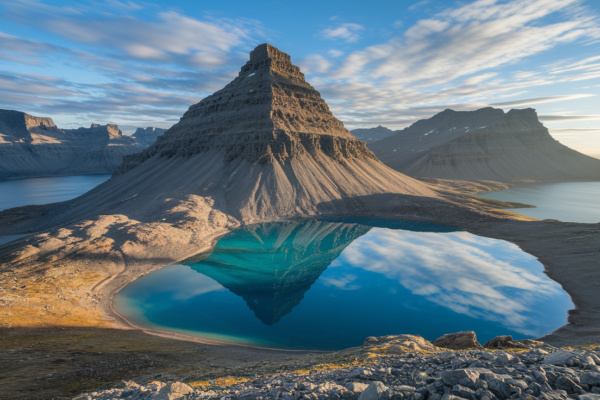
What if the most magical islands are the ones almost nobody visits?
These places aren’t quiet because of bad marketing.
They stay empty because flights run once a week, visitor caps exist, and conservation or distance keeps crowds away.
From dragon’s-blood trees to whale song and coral atolls, these twelve islands reward the extra planning.
This guide lines them up side by side and gives the real next steps, best months, access notes, trip lengths, and what to do first.
If you want solitude that feels earned, start here.
Twelve Extraordinary Islands Beyond the Usual Tourist Trail
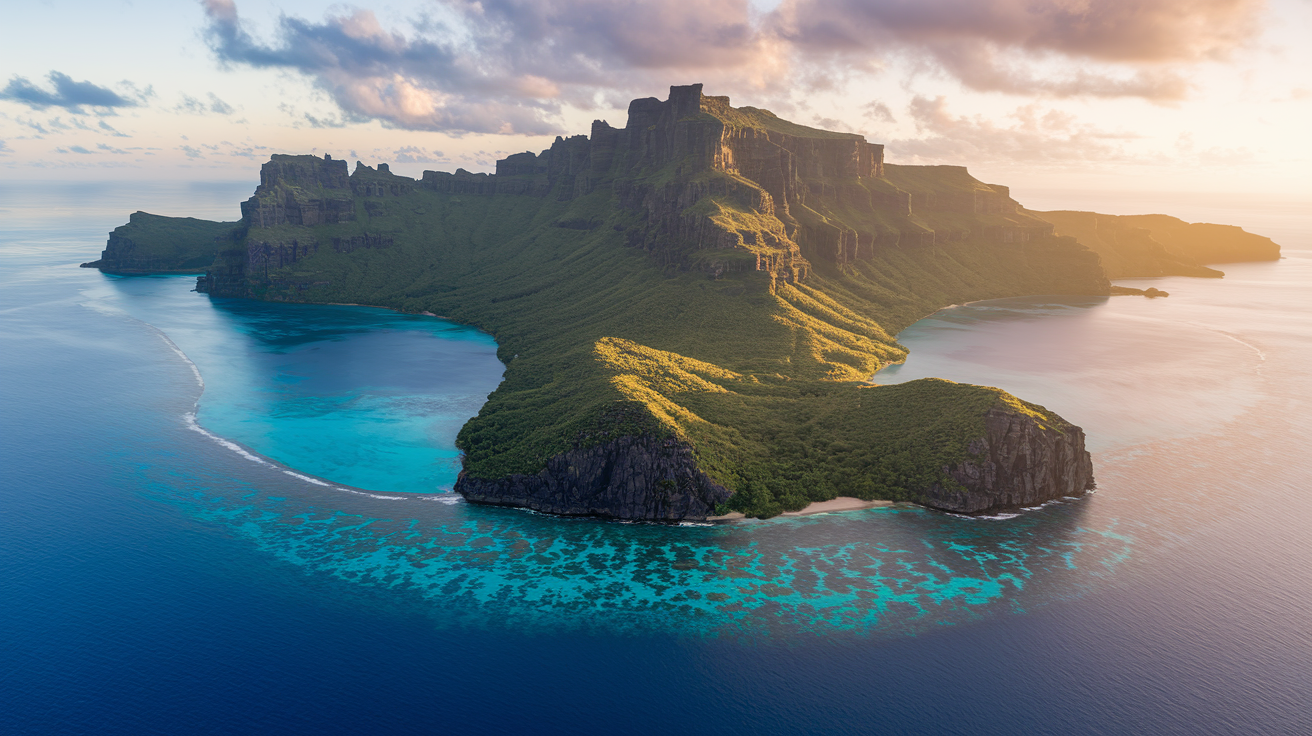
These twelve islands stay quiet for real reasons, not marketing ones. Distance, conservation rules, tiny populations, controlled landings, and transport that runs once a week (sometimes once a month) keep the crowds away on their own. That’s what makes the extra planning worth it.
Here’s the full shortlist in one place, so you can compare them side by side before we get into the details.
| Island | Region | Signature Experience | Best Months | Access Snapshot | Ideal Trip Length | Cost Tier | Accommodation Style | Main Planning Risk | Best For | Why It Stays Quiet |
|---|---|---|---|---|---|---|---|---|---|---|
| Socotra | Arabian Sea | Dragon’s blood trees, otherworldly karst | Oct-Apr | Charter flights from Dubai | 7-10 days | Budget | Guesthouse | Political conditions | Botany lovers | Instability, limited flights |
| Tristan da Cunha | South Atlantic | World’s most remote inhabited island | Dec-Mar | Ship only from Cape Town | Three weeks or longer | Expedition | Guesthouse | Limited transport | Solitude seekers | No airport, infrequent ships |
| Kerguelen Islands | Southern Indian Ocean | Subantarctic wildlife, elephant seals | Dec-Mar | Research/expedition vessel | Three weeks or longer | Expedition | Expedition vessel | Controlled access | Wildlife lovers | Research-only access |
| Pitcairn Islands | South Pacific | Bounty mutineer history | May-Oct | Sea route via Mangareva | 10-14 days | Moderate | Homestay | Limited transport | History buffs | Tiny population, rare vessels |
| Ogasawara Islands | Japan | Endemic species, whale song | Apr-Oct | 24-25 hour ferry from Tokyo | 10-14 days | Moderate | Limited hotel | Typhoon | Divers | Long weekly ferry only |
| Lord Howe Island | Tasman Sea | 400-visitor cap, coral reef | Apr-Nov | 2-hour flight from Sydney | 7-10 days | Premium | Eco-lodge | Controlled access | Hikers | Strict visitor quota |
| Haida Gwaii | British Columbia | Haida-led cultural experiences | Jun-Sep | 1-1.5 hour flight from Vancouver | 7-10 days | Moderate | Eco-lodge | Limited transport | Culture seekers | Community-led, low-key tourism |
| Saba | Caribbean | Volcanic peak diving | Dec-May | 10-25 min flight from St. Maarten | 7-10 days | Moderate | Guesthouse | Limited transport | Divers | Tiny size, small runway |
| Togean Islands | Central Sulawesi | Coral atolls, pygmy seahorses | Apr-Oct | Boat 4-8 hrs from Ampana | 10-14 days | Budget | Bungalow | Monsoon | Snorkelers | Slow, irregular boats |
| Cocos (Keeling) Islands | Indian Ocean | Atoll lagoons, Malay culture | Apr-Nov | 4-5 hour flight from Perth | 7-
Final WordsWe jumped straight into a compact table of 12 extraordinary islands, then ran through pros and cons, regional deep dives, and six category winners so you can match vibe to access. You also got practical trip models, from a week on Saba to a three-week expedition, and an eight-step responsible-planning checklist with packing and final checks. Now shortlist by time, budget, and acceptable access difficulty, pick one of these off-the-beaten-path island bucket list destinations, and enjoy the planning, small steps, big memories. FAQQ: Why do these islands stay outside mainstream tourism?A: These islands stay outside mainstream tourism because of long distances, controlled landings, conservation limits, infrequent transport, small communities, and limited accommodation that keep visitor numbers low. Q: How much should I budget per day for a remote island trip?A: You should budget about $60–$400 per day on-island, excluding major expedition fares; short trips often total $1,200–$3,000, while specialist expeditions can exceed $6,000–$18,000. Q: What are the main access constraints and planning risks?A: The main access constraints are infrequent transport, controlled or restricted permits, rough seas, monsoon or cyclone seasons, political conditions, and limited local services or medical support. Q: When are the best months to visit these remote islands?A: Best months vary by island: many tropics avoid monsoon (for example Socotra Oct–Apr), subantarctic islands favour local summer; always check the island’s seasonal window before booking. Q: How long should I plan to stay on each island?A: Stay lengths vary: day trips for places like St Kilda, 7–10 days for many islands, 10–14 for fuller exploration, and three weeks or longer for Tristan da Cunha or Kerguelen expeditions. Q: How far ahead should I book transport and accommodation?A: You should book the least frequent transport first, usually 1–6 months ahead; some ferries sell out 2–3 months early, and expeditions or permits may need even more lead time. Q: How do I prioritize islands by interest—diving, hiking, wildlife, solitude, or culture?A: To prioritize, match your main interest: diving (Togean, Saba), hiking (Tristan, Lord Howe), wildlife (Kerguelen, St Kilda), culture (Haida Gwaii, Pitcairn), solitude (Tristan, St Helena). Q: What are realistic itinerary models for short and long trips?A: Realistic models include 7–10 days focused on one island, 10–14 days for multi-activity stays, and three-week+ expeditions for specialist islands, all with weather buffers and a final mainland buffer. Q: What should I pack and prepare for remote island travel?A: You should pack essentials: medication and a compact medical kit, reef-safe sunscreen, reusable water gear, power bank or solar charger, dry bags, layered weather protection, and local cash. Q: What insurance and safety steps are essential for remote island trips?A: You should buy insurance that covers trip disruption, remote medical treatment, and evacuation; check local medical facilities, carry a medical kit, and allow flexible sea and weather days. Q: How can I travel responsibly on these islands?A: You can travel responsibly by choosing local guesthouses and guides, following biosecurity and reef rules, avoiding single-use plastics, paying conservation fees, and respecting community customs and visitor limits. Q: How do I choose between relatively accessible islands and specialist expedition islands?A: You should choose accessible islands (Saba, Lord Howe, Haida Gwaii) for shorter, easier trips and specialist expeditions (Kerguelen, Tristan) if you want rare wildlife, rugged logistics, time, and higher budget. |
More from Politics
 Destinations
Destination Events: Unforgettable Gatherings Await Every Planner
 Destinations
Budget Honeymoon Destinations: Romantic Escapes Without Overspending
 Destinations
Family Friendly Vacation Destination: Joyful Memories Await Everyone
 Destinations