
Have you ever thought an old story might change the way you see adventure? Journey to the West tells the amazing travels of a monk named Xuanzang and his lively companions. Picture unrolling an ancient scroll that quietly shares secrets of a land where history and legend mix. With exciting adventures and memorable characters, this classic tale shows how bravery and trust spark incredible journeys. Read on to see how this adventure still inspires dreams of wonder and exploration.
Comprehensive Overview of the Journey to the West Novel
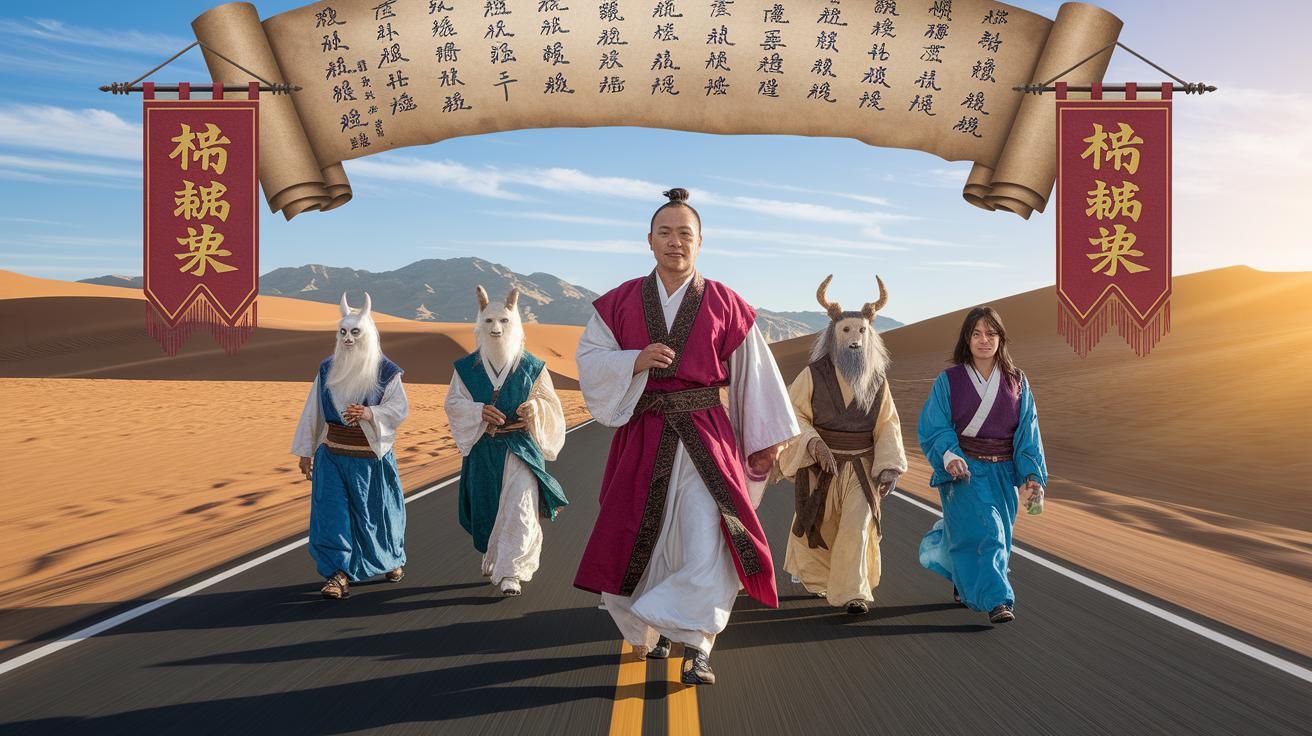
The Journey to the West is a classic story shaped in the 16th century, rooted in the real journey of the monk Xuanzang who traveled to India to find sacred teachings. This epic tale blends history with a touch of magic, drawing on the rich periods of the Tang and Ming dynasties. Imagine unrolling an ancient scroll that tells of a sacred adventure, Xuanzang’s journey is just that, a mix of faith, excitement, and discovery.
At the heart of the tale is a spirited retelling of Xuanzang’s expedition, enhanced by four magical companions who aren’t quite human. There’s Sun Wukong, the Monkey King, full of energy and clever tricks; Pigsy, who brings humor and a very human touch; Sandy, always loyal and true; and the Dragon Horse, whose quiet devotion helps the mission along. Picture a mischievous monkey wielding a magical staff to drive away demons, a lively scene that captures both playfulness and a hint of wisdom.
Today, Journey to the West is celebrated as a timeless piece of literature that reflects Chinese culture and history. It has inspired countless performances, artworks, and films while echoing the values and traditions of ancient China. With its mix of rich symbolism, historical insights, and mythical charm, the novel continues to enchant readers like a treasure waiting to be explored.
Monkey King Character Arc in Journey to the West

Sun Wukong first burst onto the scene as a cheeky Stone Monkey with an incredible 72 shape-shifting abilities. From his early days, he was a bundle of energy and playful mischief that left everyone, gods and mortals alike, in both awe and a bit of shock.
Then, things took a daring twist. In a bold challenge to the divine, he snatched the famed Ruyi Jingu Bang, a gigantic magical staff, showing he wasn’t one to follow the rules. This rebellious act landed him under the weight of the Five Elements Mountain, a tough lesson that even amazing power has its limits.
After that wild chapter, a kind guide named Bodhisattva Guanyin helped him find a new path. Sun Wukong slowly shifted from being a carefree trickster to becoming a devoted protector for Xuanzang. This change reminds us that sometimes our biggest challenges can spark the most meaningful transformations.
- Mastered 72 shape-shifting abilities
- Grabbed the mystical Ruyi Jingu Bang to defy Heaven
- Faced harsh consequences with a long stay under the Five Elements Mountain
- Found redemption with Bodhisattva Guanyin and joined Xuanzang’s journey
- Reached Buddhahood, marking a deep inner change
Sun Wukong’s tale is more than just magic and adventure, it’s a heartfelt reminder that every twist in our journey can lead to growth and a clearer sense of purpose.
Key Character Profiles in Journey to the West: Pilgrim and Disciples
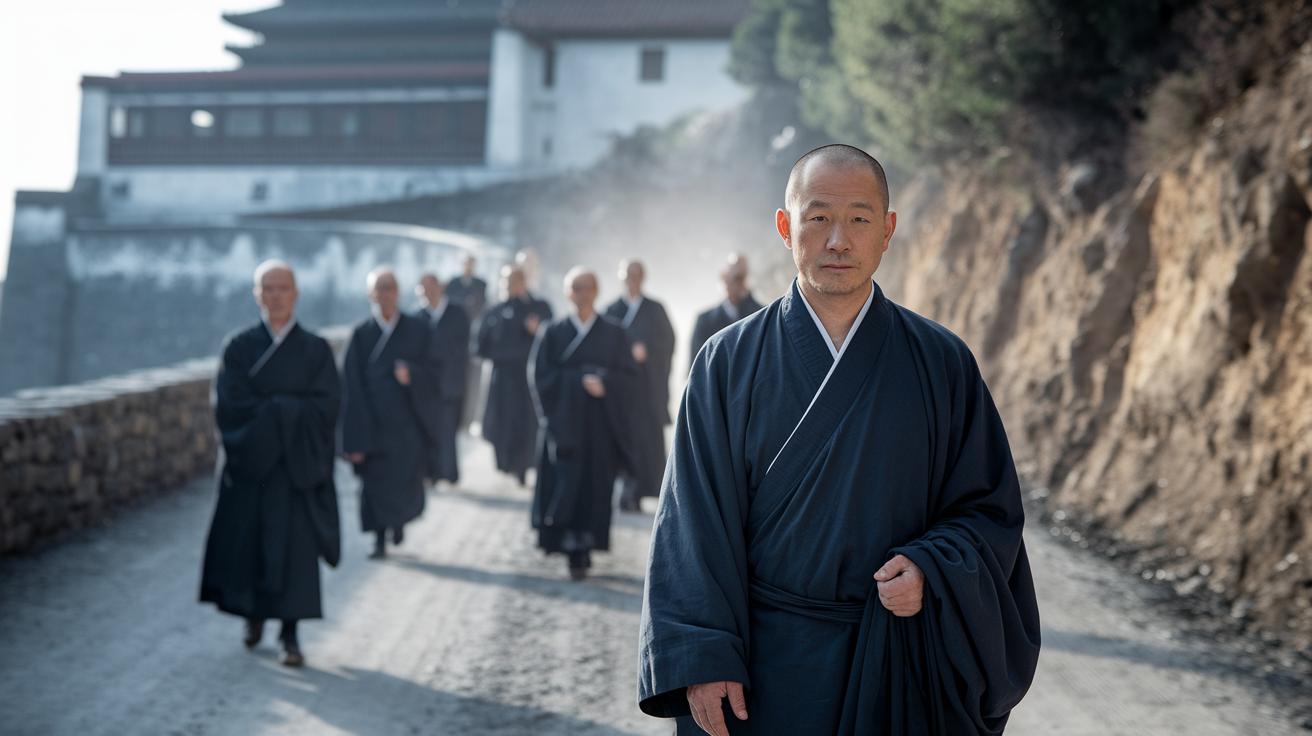
Xuanzang is the devoted head of the journey, and his calm spirit lights the way. He sets out on his pilgrimage not just to collect sacred texts but to live out true Buddhist values and unwavering resolve. Imagine him walking down a dusty road, each step filled with determination and a deep inner peace. His steady presence keeps the whole group true to their mission.
Pigsy is that humorous, all-too-human side of the adventure. Even though his love for life sometimes leads him into mischief, these funny detours teach us important lessons. Think of a character whose quirky habits remind you that even imperfect heroes have layers of hidden depth.
Then there’s Sandy, always reliable and steadfast. His quiet strength acts like an anchor amid the unpredictable twists of the journey. With every thoughtful action, he shows that genuine resilience and honor are the true treasures behind any grand adventure.
And we can’t forget the Dragon Horse, a humble yet committed companion. Serving as Xuanzang’s ride on the path to enlightenment, it teaches us that heroism isn’t always loud or flashy. Sometimes, simple acts of loyalty are what make a journey truly unforgettable.
Pilgrimage and Spiritual Symbolism in Journey to the West
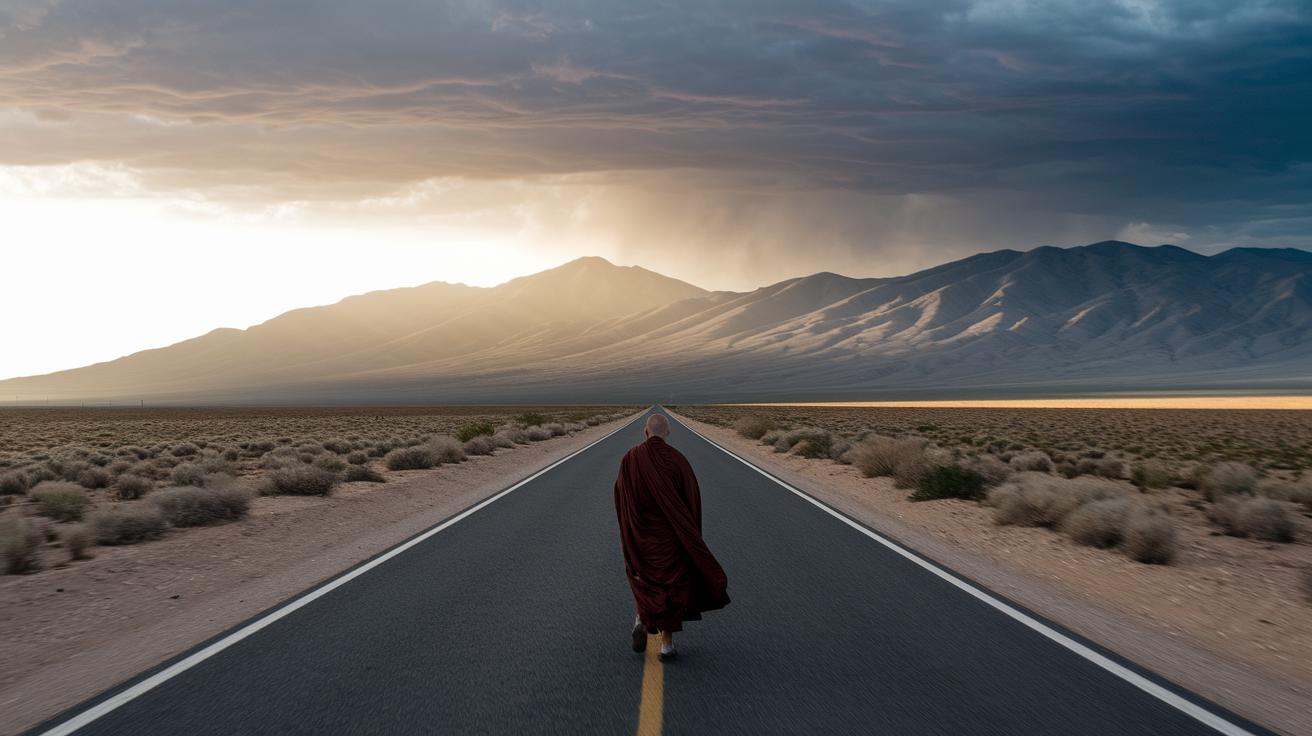
Xuanzang’s adventure isn’t just about trekking through dusty trails, it’s a heartfelt search for inner wisdom that mirrors the Buddhist journey toward enlightenment. His quest for sacred sutras feels like a personal mission to overcome our own limits with every step on that sun-baked road. And you know, the wild encounters along the way, especially when he battles demons, are more than just thrilling stories, they remind us of the everyday struggles we face inside ourselves. It’s like braving a sudden storm only to find a moment of pure sunlight, with each challenge offering a little lesson in insight and growth.
On a deeper level, this journey shows how each companion represents a mix of human strengths and weaknesses. Characters like the cheeky, ever-resourceful Sun Wukong and the dependable Sandy remind us that true enlightenment means accepting every part of who we are. Their struggles are simple yet powerful illustrations of our own inner battles, suggesting that every external victory might just be a win against our hidden demons.
- White Bone Demon stands for the trickery of desire
- Spider Demon Sisters remind us of deceptive traps
- Red Boy shows us that wild, unchecked passion needs balance
- Demon-slaying represents the act of conquering our internal chaos
In the end, this epic tale shows that the road to enlightenment is not just a journey across lands but also an inward voyage. It encourages us to view our own challenges as stepping stones towards personal growth and deeper self-understanding.
Demon Encounters and Mythological Battles in Journey to the West
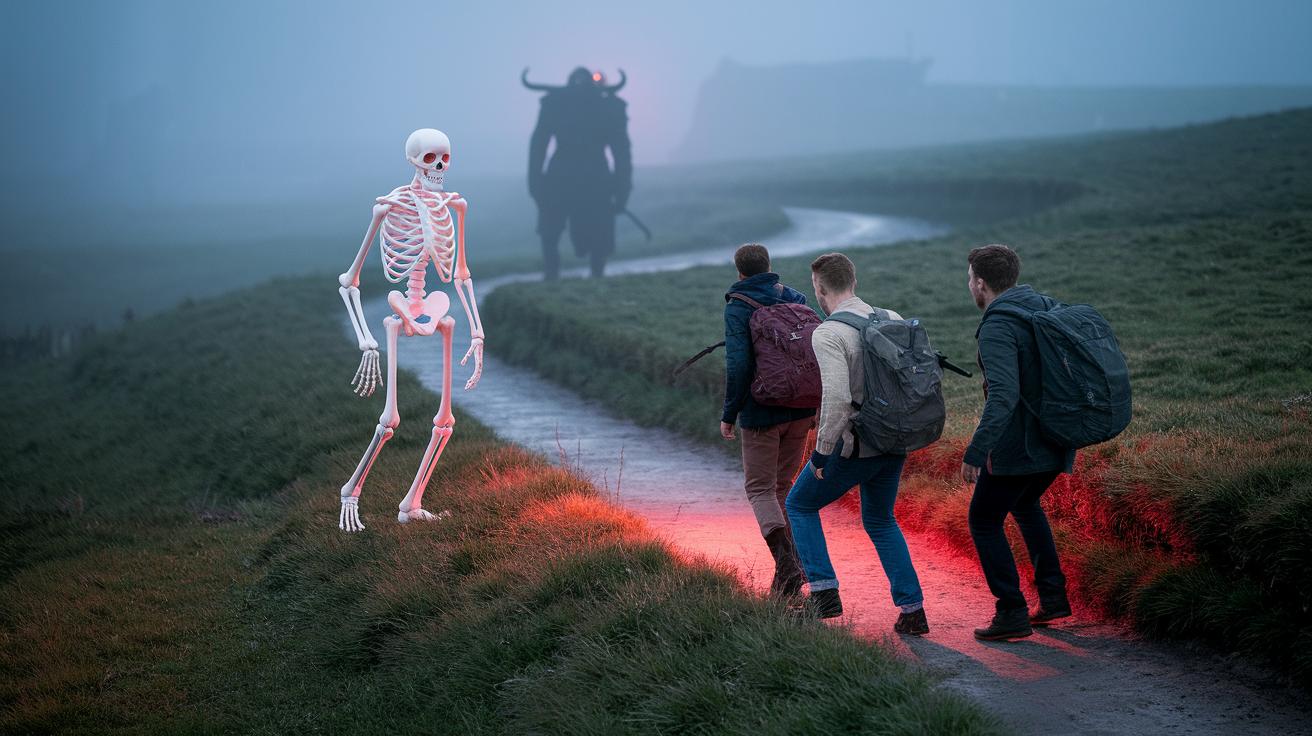
In Journey to the West, demon showdowns burst onto the scene with plenty of wild action and hidden meanings. The adventure kicks off with heart-racing fights that remind us not to judge by looks alone. For instance, the White Bone Demon tests the travelers to see through disguise and trickery. These aren’t just ordinary skirmishes, they’re lively action scenes that sneak in clever lessons, urging both characters and readers to rethink what’s real in a world where things aren’t always as they seem.
As the journey rolls on, the confrontations get even more dramatic. Red Boy’s fiery outbursts and the crafty Spider Demon Sisters add extra layers of tension. They show us how uncontrolled passion can need a little care and how deception can shake our trust. These battles go beyond mere physical clashes; they mirror the inner struggles we all sometimes face, pushing us to adapt and learn. Each demon encounter feels like a crucial step in this legendary quest, stirring up excitement and reflection.
| Demon | Chapters | Symbolic Lesson |
|---|---|---|
| White Bone Demon | 27–29 | Seeing past appearances to grasp the truth |
| Red Boy | 31–33 | Understanding the need for balance when feelings run wild |
| Spider Demon Sisters | 41–43 | Noticing the dangers of deceit |
These epic clashes set a non-stop, thrilling pace for the story. Every fight not only dazzles with vibrant action but also deepens our view of the moral and spiritual puzzles woven throughout the journey. In truth, each demon encounter marks an essential moment in this timeless adventure.
Cultural Impact and Legacy of Journey to the West

Journey to the West has sparked a burst of creativity in many art forms. You can see its charm in Peking opera, shadow puppetry, and traditional storytelling where old legends are shared like treasured secrets. Back during the Maoist era, the Monkey King was seen as a real working-class hero, standing for the everyday struggle and spirit of the people. Picture a lively stage with performers acting out Sun Wukong's daring adventures, full of bold moves and a bright, rebellious energy. This fresh take not only gave the classic story a political twist but also deepened China’s cultural heritage by linking folk legends with today’s ideals.
Modern versions bring another exciting layer to its lasting legacy. In 1987, Tsai Chih-Chung created a comic version that playfully critiqued the changes following the 1978 economic reforms. Imagine a comic panel where ancient myths meet modern life, mixing tradition with a touch of cheeky humor. Both the classic performances and the new artistic expressions remind us why this epic tale still captures our imaginations and plays a vital role in shaping China’s cultural story.
Cinematic and Media Adaptations of Journey to the West

1986 CCTV TV Series
This TV series from 1986 is known as the most true-to-life long adaptation of Journey to the West. It stays close to the original story and treats each episode like a mini-adventure full of both fun escapades and deeper ideas. The show unfolds slowly, letting you feel every twist and turn, almost like watching a beautifully directed live stage play that catches the small yet powerful moments in the Monkey King's transformation.
Havoc in Heaven Animation
Havoc in Heaven, made in the early 60s, is much more than just a cartoon. It carries a rich cultural and political story, and you can see how it was used as cultural propaganda right before big social changes. Its style was ahead of its time, bursting with color and energy that brings the ancient myth to life. Think of it as watching an old story retold with a fresh, dynamic look that appeals to both kids and those who love art.
Stephen Chow Film Adaptations
Stephen Chow’s take on this classic, seen in movies like Conquering the Demons (2013) and its follow-up (2017), is full of wit and action. He mixes in modern humor with exciting adventures, giving the legend a playful twist while still keeping some of the original magic. With earnings topping ¥1.4 billion, these films clearly strike a chord with audiences worldwide. It’s like hopping onto a roller coaster that balances clever jokes with the thrill of mythological adventure.
Comparing these versions shows just how many ways you can tell this epic story. Whether it’s the detailed and faithful TV series, the bold and artistic animation, or the lively and humorous films, each one adds its own special flavor. They all help keep the timeless journey fresh and exciting for new fans around the globe.
Scholarly Interpretations and Modern Relevance of Journey to the West

Many scholars see Journey to the West as way more than a simple adventure. They say its chapter-by-chapter style gives off little lessons that mix myths, history, and folklore. Imagine it like putting together a colorful puzzle, each piece adds a touch of cultural wisdom and old-school moral guidance.
Some researchers even notice hints of stories from other parts of the world. They point out a bit of Greco-Buddhist flavor and compare the tale to classic Western hero stories. Modern retellings take on themes like identity and globalization, inviting us to view this age-old tale through a fresh lens. Ever thought about how an ancient story can feel so relevant today?
This lively exchange between past and present keeps Journey to the West buzzing with inspiration. The story connects old traditions with modern thoughts, sparking excitement and deep interest among readers. It's like taking a familiar path with a new friend who shows you unexpected, enriching stops along the way.
Final Words
In the action, we dove into the heart of the classic tale, exploring its rich historical backdrop, the legendary trials of Sun Wukong, and the vibrant lives of Xuanzang and his companions. You’ve seen how each chapter weaves practical travel insights with the magic of storytelling. Our look at the journey to the west reminds us that adventure and cultural discovery are just a page away. Embrace the wonder of every step and look forward to your next immersive quest.
FAQ
What films and movie adaptations exist based on Journey to the West?
The film adaptations range from full-length movies and sequels like Journey to the West 2 and 3 to Stephen Chow’s Conquering the Demons, each offering its own creative twist on the classic epic.
Who is in the cast of Journey to the West movies?
The cast features actors who bring the legendary characters to life, with memorable portrayals of the Monkey King, Pigsy, Xuanzang, and other beloved figures from the original epic.
What is Journey to the West book about?
The Journey to the West book is a 16th-century Chinese novel inspired by a monk’s pilgrimage to India for sacred Buddhist texts, blending folklore, adventure, and deep spiritual quests.
Is there a Journey to the West game?
Journey to the West has inspired various games that let players explore its magical world, solve puzzles, and battle demons, offering an interactive take on the timeless adventure.
What is the main idea of Journey to the West?
The main idea of Journey to the West is a spiritual quest where a monk and his diverse disciples overcome challenges and inner demons, ultimately seeking enlightenment and personal growth.
Is Dragon Ball a rip off of Journey to the West?
Dragon Ball borrows themes like the Monkey King archetype yet transforms them into a unique story, making it more of a creative reinterpretation than a direct rip off of the classic epic.
What religion is Journey to the West based on?
Journey to the West is grounded in Buddhist philosophy, reflecting the real-life monk Xuanzang’s quest for sacred texts and illustrating deep lessons on spiritual enlightenment and personal transformation.