Inspiration
India Cultural Festivals Calendar: Your Month-by-Month Celebration Guide
India cultural festivals calendar by month: fixed dates, moon-based ones, and the best weather window. Pick your month and plan your trip.
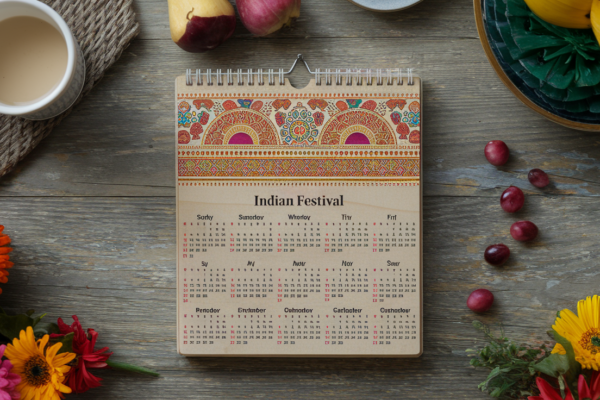
Think India’s festivals are random? Think again, there’s a steady rhythm if you read the calendar right.
This month-by-month guide turns that rhythm into a travel plan you can use.
You’ll get the big fixed dates, the movable moon-based festivals, and the months that give you the best weather, October to March.
Picture marigold garlands, street-food smoke, and temple drumbeats timed to your trip.
Use this as your checklist before you book, pick a window, check the lunar dates, and go.
India’s Major Festivals From January to December at a Glance
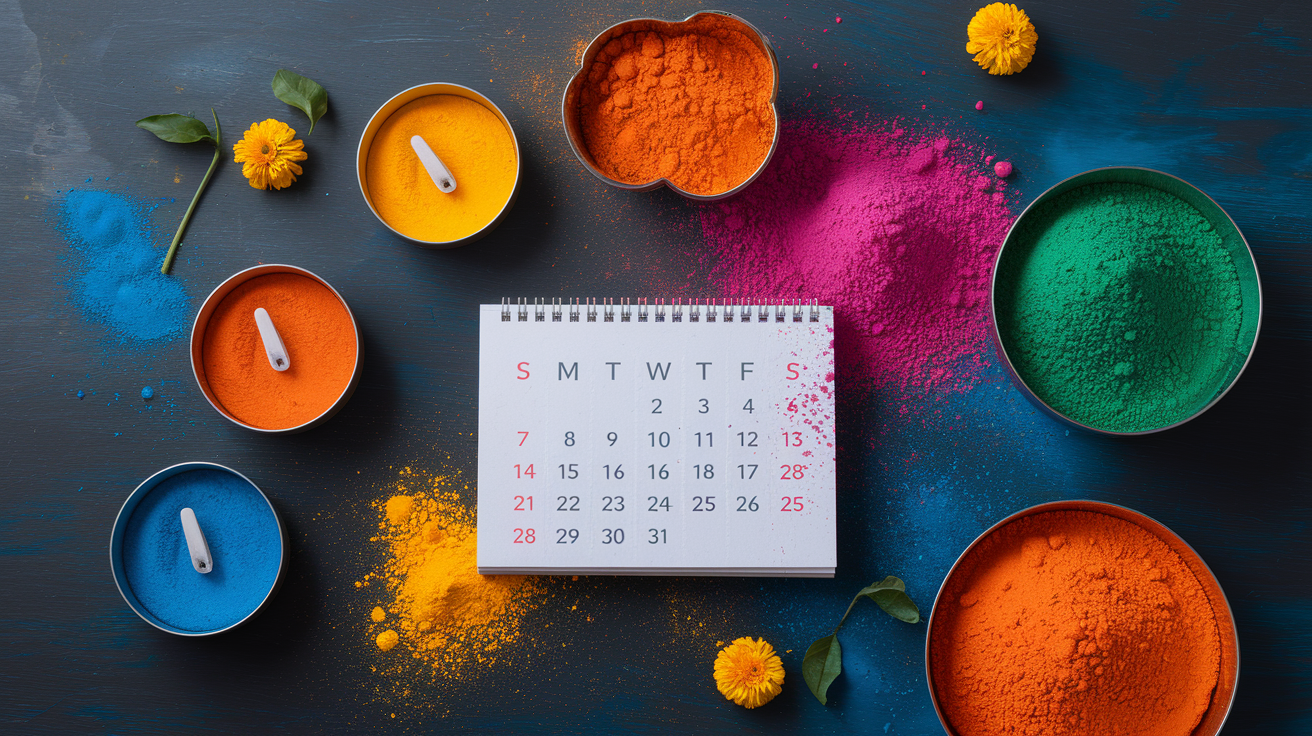
Think of this calendar like a packing list for your whole year of India travel dreams. Some dates are locked in, like Republic Day on January 26 or Christmas on December 25. Others shift around based on the moon, so they need a quick check before you book anything.
Here’s the simple rule: fixed Gregorian dates work as solid planning anchors, but lunar and lunisolar festivals move every year. October through March tends to offer the best combo of cooler weather, roughly 10 to 30°C in most tourist regions, and the thickest stretch of festival season. If you’re picking one window to build a trip around, that’s it.
| Month | Major Festivals | Usual Date or Timing | Main Places or Regions | Cultural or Religious Significance |
|---|---|---|---|---|
| January | Lohri, Makar Sankranti/Pongal, Republic Day | Jan 13, Jan 14 to 17, Jan 26 | Punjab, Tamil Nadu, Gujarat, New Delhi | Harvest and winter solstice celebrations, national pride |
| February | Saraswati Puja, Losar | Late Jan to Feb, Feb to Mar | Bengal, North India, Ladakh, Sikkim | Spring arrival, Tibetan Buddhist new year |
| March | Maha Shivaratri, Holi | Feb to Mar (varies), March (varies) | Shiva temples nationwide, Mathura-Vrindavan, North India | Devotion to Shiva, triumph of good over evil |
| April | Vaisakhi, Bihu, Good Friday/Easter, Mahavir Jayanti | Apr 13 to 14, Apr 14 to 16, varies | Punjab, Assam, Goa, Kerala, Jain pilgrimage sites | Sikh new year, harvest, Christian observance, Jain reverence |
| May | Buddha Purnima, Eid al-Fitr (when applicable) | Apr to May (varies) | Bodh Gaya, Sarnath, nationwide Muslim communities | Buddha’s birth and enlightenment, end of Ramadan |
| June | Rath Yatra, Hemis Festival | June to July (varies) | Puri Odisha, Ladakh | Chariot procession, Tibetan Buddhist monastery celebration |
| July | Eid al-Adha (when applicable) | Varies by lunar calendar | Nationwide Muslim communities | Festival of sacrifice |
| August | Raksha Bandhan, Independence Day, Janmashtami, Onam | Aug (varies), Aug 15, Aug to Sep | North India, nationwide, Kerala | Sibling bonds, national holiday, Krishna’s birth, harvest |
| September | Ganesh Chaturthi, Navratri begins | Aug to Sep, Sep to Oct | Mumbai, Maharashtra, Gujarat | Ganesha worship, nine nights of goddess worship |
| October | Durga Puja, Dussehra, Diwali season begins | Sep to Oct | Kolkata, West Bengal, North India | Goddess Durga celebration, victory of good over evil |
| November | Diwali, Chhath Puja, Guru Nanak Jayanti, Pushkar Fair | Oct to Nov | Nationwide, Bihar, Punjab, Rajasthan | Festival of lights, sun worship, Sikh observance, camel fair |
| December | Christmas, New Year’s Eve | Dec 25, Dec 31 | Goa, Kerala, nationwide urban centers | Christian celebration, year-end festivities |
Before you lock in flights or hotels around any of these, double check the movable dates for your travel year. The reasoning behind all that shifting is explained right below, and it’s worth understanding before you plan around it. This table works well as a printable festival calendar or a quick reference infographic too, so save it for later.
Why Festival Dates Shift Each Year
(((alt-img2)))
Here’s the thing about Indian festivals, not everything runs on the Gregorian calendar you’re used to. Many Hindu, Muslim, Sikh, Buddhist, and Jain observances follow lunar, lunisolar, or regional calendars instead. That means the date can move by weeks depending on the year.
Holi follows Phalg
Final Words
Use the table as your quick planning anchor, since fixed civil dates stay the same while many festivals shift with lunar or lunisolar calendars. The Why dates shift note names key markers like Phalguna Purnima for Holi and Kartika Amavasya for Diwali.
Double-check movable dates with state tourism sites, the festival venue, or local transport before booking. Convert the table into a one-page printable or infographic for easy reference.
Save this India cultural festivals calendar by month and pick your top month. You’re ready to chase colors, rituals, and great food.
FAQ
Q: When do major Indian festivals occur each year?
A: Major Indian festivals occur year-round, with fixed-date anchors in January, April, August and December and many Hindu, Muslim, Sikh, Buddhist and Jain festivals shifting by lunar or lunisolar calendars.
Q: Which festivals use fixed Gregorian dates I can plan around?
A: Festivals that use fixed Gregorian dates include Lohri (Jan 13), Makar Sankranti/Pongal (around Jan 14), Republic Day (Jan 26), Vaisakhi (Apr 13–14), Independence Day (Aug 15), Gandhi Jayanti (Oct 2), Christmas (Dec 25), New Year’s Eve (Dec 31).
Q: Which festivals move each year and why do they shift?
A: Festivals that move each year include Holi, Diwali, Ganesh Chaturthi, Navratri, Rath Yatra, Onam, Buddha Purnima and Muslim Eids, because they follow lunar or lunisolar religious calendars and local moon sighting rules.
Q: How should I confirm festival dates before booking travel?
A: To confirm festival dates before booking, check national or state tourism announcements, contact the event venue or religious institution, and verify local transport timetables and holiday advisories.
Q: When is the best time to visit India to catch festivals and good weather?
A: The best time to visit India for festivals and cooler weather is October through March, when many major festivals concentrate and temperatures in tourist regions commonly range from roughly 10 to 30°C.
Q: Can you give a quick month-by-month list of key festivals?
A: Quick month highlights: Jan—Lohri, Makar Sankranti; Feb–Mar—Holi, Maha Shivaratri; Apr—Vaisakhi, Buddha Purnima; Jun–Jul—Rath Yatra; Aug–Sep—Onam, Ganesh Chaturthi; Sep–Oct—Navratri, Durga Puja; Oct–Nov—Diwali; Dec—Christmas.
Q: Which regions host the most distinctive regional festivals?
A: Punjab hosts Lohri and Baisakhi, Tamil Nadu Pongal, West Bengal Durga Puja, Kerala Onam, Odisha Rath Yatra, Rajasthan Pushkar Fair, Ladakh Hemis, Assam Bihu — each tied to local culture and season.
Q: Will festivals be very crowded and how do I plan for crowds?
A: Festivals are often crowded; plan by booking transport and lodging early, choosing less popular viewing spots or weekdays, arriving early, and leaving buffer time for delays and road closures.
Q: Can I use the article’s calendar table as a printable festival calendar or infographic?
A: Yes, the article’s table is suitable for conversion into a one-page infographic or printable calendar — just verify movable dates for the specific year before finalizing or printing.
More from Politics
 Destinations
Destination Events: Unforgettable Gatherings Await Every Planner
 Destinations
Budget Honeymoon Destinations: Romantic Escapes Without Overspending
 Destinations
Family Friendly Vacation Destination: Joyful Memories Await Everyone
 Destinations