
Ever wondered how a simple plan can unlock Europe’s magic? Imagine wandering through lovely city streets, smelling fresh bread from a local bakery, and soaking in history at every twist and turn.
Our guide is like a chat over coffee with a friend. We help you pick those unforgettable cities and even show you smart ways to manage your travel budget. We break down every little step, from checking your passport to booking your flights, so you can set off on a hassle-free European adventure.
Ready to turn those travel dreams into memories you’ll cherish?
Step-by-Step Guide to Planning Your Trip to Europe
Start by picking the European spots that call your name and setting a budget that feels just right. It all begins with these choices. Imagine wandering the bustling streets of Spain or soaking in the ancient charm of Greece, each place offers its own special taste of history and culture. And before you go, double-check your passport to make sure it’s valid for at least six months beyond your trip. Fun fact: Europe welcomed 20.2 million US visitors in 2023, a clear sign of its irresistible allure!
Next, sort out the details like flights, accommodations, and getting around once you’re there. Booking your flights and securing a comfy place to stay, be it a snug Airbnb or a friendly hotel, can really set the tone for a relaxed journey. And planning out local transport, from trains to city buses, is like piecing together your own adventure map to explore France, Italy, or Portugal with ease. Each step you take smooths the path ahead, ensuring your European escapade unfolds effortlessly and with plenty of delightful surprises.
Budget and Cost Planning for a Trip to Europe

Traveling smart is all about watching your spending while still soaking in every moment of your adventure. I’ve noticed that families who plan ahead and pick the right strategies really get more out of their European trips. Flights can gobble up nearly half of your budget, so saving even a little here counts a lot.
Try to book your flights early, you often snag lower prices that way. And think about rail passes instead of buying tickets one trip at a time; they can save you around 20-30% on train journeys. Traveling in off-peak seasons is another smart move; fewer crowds usually mean lower prices too.
When it comes to a place to rest your head, there are plenty of affordable options like simple hotels or vacation rentals that don’t skimp on comfort. Plus, exploring the local scene for street food or cozy diners can lead you to delicious meals without hurting your wallet.
Lastly, use a credit card that doesn’t charge foreign transaction fees and steer clear of pricey airport currency exchanges. Every little bit saved adds up to more fun experiences along the way!
Smart planning makes your journey as delightful as the destination itself, so go ahead, explore Europe without stretching your budget too thin.
Visa and Documentation Requirements for a Trip to Europe
Before you set off on your European journey, make sure your passport is ready and all necessary visas are in your bag. Your passport should be valid for at least six months beyond your return date. Most adult passports last 10 years, and children’s for 5 years, so give your documents a quick check well in advance.
Since many European countries follow the Schengen Agreement, you may need to grab a Schengen visa if your nationality requires one. This visa is like your golden ticket to experiencing the rich history and vibrant cultures scattered across the continent.
Plan ahead and allow plenty of time for visa processing, it often takes longer than you might expect. Applying at least 60 days before you leave is a smart move to dodge any last-minute rush.
Remember, places like the United Kingdom and Ireland have their own set of rules. If you’re planning to visit a non-Schengen country during your trip, do a quick check of its entry requirements to keep your travel plans smooth and stress-free.
Designing Your Europe Trip Itinerary

Planning your trip to Europe is like mapping out a fun adventure. When you sketch out a clear plan, you mix busy, exciting days with moments to kick back and relax. This way, you can take in the unique feel of each city without getting overwhelmed with details.
Choosing Destinations
Start by picking the spots that really excite you. Think about what you enjoy, the weather at your travel time, and how fast or slow you want your journey to go. Maybe you dream of the chic French Riviera, or you feel drawn to Italy’s charming coastal towns. Perhaps the winding canals of Amsterdam or the quaint wine road in Bernkastel spark your curiosity. Matching your destinations with your travel style sets the perfect mood for your adventure.
Booking Transportation and Accommodations
Next, figure out how you’ll move about. Deciding between a round-trip flight and one that lets you fly into one city and out of another can change your trip’s vibe. In places like Italy and France, high-speed trains can whisk you between cities in just a couple of hours. And when it comes to where you stay, you can choose a familiar hotel for ease or a cozy rental to feel like a local. The key is to keep your travel days simple and stress-free.
Scheduling Activities
Then, plan out what you’d like to do each day. Make a list of must-see attractions and fun experiences. You might grab skip-the-line tickets at popular museums or enjoy a relaxing canal cruise to save time. Mixing guided tours with your own exploration can give you the best of both worlds, seeing famous landmarks and uncovering hidden treasures at a pleasant pace.
| Day | City | Key Activity |
|---|---|---|
| 1 | Paris | Seine River cruise |
| 2 | Amsterdam | Canal tour |
| 3 | Bernkastel | Wine tasting tour |
| 4 | Nice | Cultural market visit |
| 5 | Cinque Terre | Scenic hiking |
| 6 | Rome | Historical sites tour |
| 7 | Milan | Fashion district stroll |
Transportation Options for Planning a Trip to Europe
Trains are a wonderful way to see Europe. They give you a close-up look at the beautiful countryside while whisking you between famous cities. High-speed trains like TGV or Eurostar can get you there quickly, and using a rail pass lets you explore a bunch of routes. Imagine gliding from one city to the next without any stress.
Budget flights help keep expenses low as you explore new places. Carriers like Ryanair and EasyJet connect many spots across Europe. If you pack light and choose non-stop flights, you can skip extra charges and enjoy a smoother trip. It’s like finding a shortcut that saves both time and money!
For a more flexible adventure, consider cars or buses. Renting a car gives you the freedom to visit hidden towns and scenic roads, but always check for extra fees if you cross borders. Or rely on local buses combined with tools like Apple Maps to get around small towns easily. A day trip by car might just reveal that charming village you didn’t know existed.
Packing and Preparing to Plan a Trip to Europe

Traveling light is super important when you're exploring Europe's narrow cobblestone streets and steep staircases. I always stick to just a carry-on and a small personal bag so I can easily move through busy cities and charming historic towns. I even use color-coded packing cubes to keep things sorted, like putting my favorite travel shirt in a cube labeled "tops" so I can grab it in a flash when I’m wandering through a lively local market.
It’s also smart to pick up toiletries and a few basic items once you arrive. Not only does this save space and cut down your load, but it also lets you try out cool local products. Packing less means you get to choose comfort and versatility for every step of your European adventure.
Choosing When to Plan a Trip to Europe: Best Travel Periods
If you travel during the shoulder seasons, from April to June or September to November, you can really change up your European trip. These times mean lower prices, friendlier weather, and fewer crowds. Imagine wandering through a vibrant market or relaxing at a small café without the hassle of long lines or high costs. It’s a sweet spot where you get nice weather without spending too much, letting you enjoy both the famous spots and hidden treasures.
Sure, July and August bring a lot of life with their festivals and busy streets, but travel costs can jump by 30–50% and sights can be overrun with people. And in winter, while you might score some deals and a peaceful vibe, the shorter days mean less time for sightseeing. In the end, each season has its own perks and downsides. So, ask yourself: do you prefer saving money and avoiding crowds, or do you love the lively buzz of summer and the quiet charm of winter?
Cultural Insights for Planning a Trip to Europe
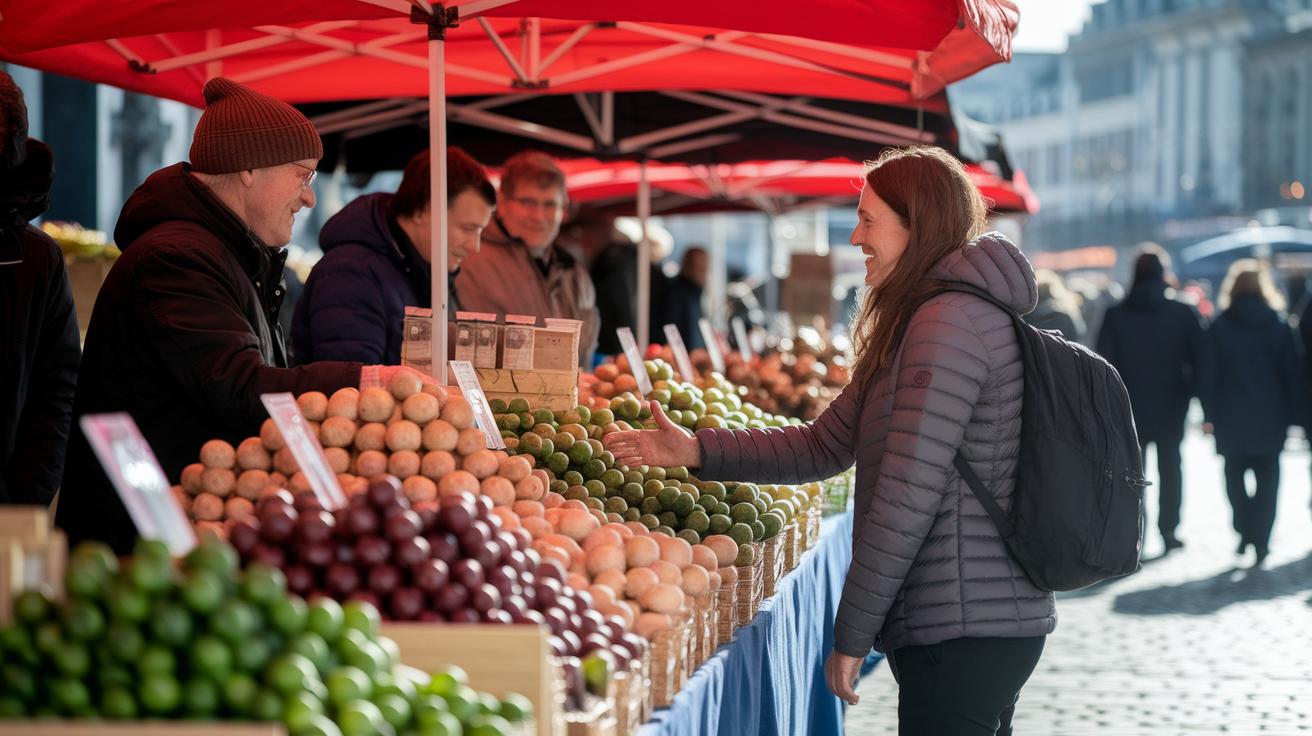
When you're gearing up for a European adventure, take some time to learn the local customs. It might be as simple as a warm greeting in France or a little chat while haggling at a German market. In Italy, giving a genuine compliment to the chef can spark friendly conversations and make your meal even more enjoyable. These small gestures can turn a normal day into a wonderful cultural exchange.
Exploring local food is like tasting history. Imagine sitting down at a favorite spot like Restaurant 108 in Copenhagen or wandering through a bustling street market in Provence. Picture strolling along Colmar’s charming streets, where every bite at a tiny bistro tells a story from long ago. These meals not only fill your belly but also connect you with the local way of life.
Try to plan your visit around local festivals and events for an extra burst of local flavor. Whether it’s a lively market day or traditional live music in a village square, these celebrations help you feel the true heartbeat of the community. A local guide might recall a festival that felt like stepping into a living history book. Embracing these moments can deepen your appreciation for Europe’s rich and diverse culture.
Creating a Comprehensive Checklist for Planning a Trip to Europe
Every great European adventure deserves a quick, final check before you go. It’s like giving yourself a warm send-off, ensuring nothing is left out so you can truly relax and enjoy the journey.
Before you set off, take a moment to review these key points:
- Confirm that your flight and hotel bookings are all set.
- Check the open dates for attractions and any tour reservations.
- Arrange to get some local currency from your bank.
- Grab travel insurance for that extra peace of mind.
- Pack your essential chargers and adapters.
- Download offline maps and transit apps to help navigate new streets.
- Bring updated copies of your passport.
- Double-check your local transportation reservations.
A brief review of this checklist can help dodge last-minute surprises, letting you focus on savoring Europe’s lively charms and breathtaking landscapes. Happy travels, and enjoy every moment of your adventure!
Final Words
In the action, this guide takes you through every step, from mapping out your dream itinerary and managing your budget, to handling visas, selecting transportation, packing smartly, and choosing the best travel periods. We even dive into local cultural insights and wrap up with a handy pre-departure checklist.
Every piece works together to help you explore Europe with ease. Dive in with confidence and excitement as you learn how to plan a trip to europe that’s perfectly tailored to your adventurous spirit.
FAQ
How do I start planning a trip to Europe?
Starting your European adventure means checking your passport, verifying visa needs, picking destinations that spark your interest, and exploring firsthand traveler tips on sites like Reddit for practical advice.
How do I plan a trip to Europe on a budget and how much should I budget?
Planning a European trip on a budget is about setting a clear spending limit, finding low-cost flights and lodgings, and tracking everyday expenses so you know how much to allocate for your adventure.
How do I plan a trip to Europe from the USA?
Planning your trip from the USA involves ensuring your passport is valid, reviewing visa requirements, comparing flight deals, and preparing for currency exchanges and local transport costs in advance.
How do I plan a family trip to Europe?
When planning a family trip to Europe, choose family-friendly destinations, secure everyone’s travel documents, and book accommodations with kid-friendly amenities while balancing sightseeing and downtime.
How do I plan a European trip for 10 days to 2 weeks?
For a 10-day or 2-week trip, design an itinerary that balances busy sightseeing with relaxed moments, ensuring you cover the highlights while allowing room for spontaneous discoveries.
How do I plan a multi-country or multi-city European trip?
Planning a multi-country or multi-city trip means mapping an efficient route, booking convenient transport like trains or budget flights, and ensuring each stop has enough time for its unique charm.
How can Reddit help in planning a trip to Europe?
Reddit offers real traveler experiences, insider tips, and detailed itineraries that can help you discover hidden gems, avoid common pitfalls, and tailor your plan to your interests.
What is the cheapest month to go to Europe?
The cheapest month to visit Europe is usually during the off-peak season, often in late fall or winter, when prices for flights, accommodations, and attractions are more budget-friendly.
What does a Europe trip package cost?
The cost of a Europe trip package varies by destination and inclusions, so comparing bundled deals can help you gauge overall expenses and find a package that offers the best value for your travel style.