
Ever wondered why some road trips turn into awesome adventures while others just feel dull or stressful? A little planning can make all the difference.
In this guide, I'll show you how to set smart driving limits, choose stops that light up your day, and weave your personal interests into every mile. You know, it's like mixing a bit of structure with the freedom to explore, just enough planning to keep things fun without taking away the spontaneity.
Imagine each mile as a tiny adventure that adds up to one amazing escape. Ready to get out there and find those hidden gems? Let's hit the road and enjoy the journey together.
Essential Steps to Plan a Road Trip
Good planning can turn a regular drive into an adventure you'll always remember, especially when vacation time is short. I’ve learned from countless solo drives and trips with family and friends that knowing exactly how much time you have is key. Start by figuring out how many hours you can drive each day without feeling rushed. For example, I once set a daily limit of 200 miles so I could enjoy plenty of stops and even take a spontaneous detour or two.
Next, think about what excites you most on a road trip. Do you want to explore national parks, dive into local history, or sample regional foods? Once you pick a theme, set a realistic timeframe that balances fun with much-needed rest.
- Figure out your available time and how far you can go each day.
- Choose a theme that makes the journey as exciting as reaching the destination.
- Pick stops that truly match what you’re interested in for the day.
- Plan a budget that covers gas, food, lodging, and fun attractions.
- List must-see sites that match your chosen road trip vibe.
Finally, bring all your ideas together into a clear plan. Whether you jot it down on a printed itinerary, a digital calendar, or a spreadsheet, having everything organized helps you enjoy every mile without stress. This balanced mix of structure and spontaneity is what turns a simple drive into an unforgettable road trip.
Designing an Effective Road Trip Itinerary

Once you decide on your travel dates and driving distance, pick out the places you want to visit. You can use a digital calendar, a spreadsheet, or even a printed guide to keep everything in one place. Think of your plan as a flexible map where each stop leads to a mini-adventure.
Make sure to add fixed stops for things like fuel, meals, and taking photos, but also leave extra time open. This way, you can change your plan if you catch a local tip or if the weather changes. It keeps your journey clear and simple while still letting room for unexpected fun.
Here are a few tips: list your must-see attractions and leave gaps for spontaneous discoveries. For example, plan a visit to a famous historical site, but also set aside time for a local festival you might stumble upon. Try to use one tool to track your theme, budget, and attractions so that everything stays organized yet dynamic.
If you want more details on how to keep every detail in one guide, check out how to plan a trip.
Budgeting Your Road Trip Adventure
Driving is a fun and affordable way to see new places. Imagine taking a round trip to Denver for just about $200 in gas versus spending nearly $400 per person if you fly. It all starts with a clear budget covering fuel, lodging, meals, and a few fun stops along the way. I always like to grab a fuel-cost calculator to get a rough idea of expenses and even check different routes.
Sometimes, you might find that a slower, scenic route saves you money by dodging heavy traffic. Have you ever noticed how a small detour can save you a bit of cash on a long drive? It’s these little wins that add up over time.
When the costs start creeping up, focus on the landmarks you can’t miss and keep extras to a minimum. I recommend writing down your planned expenses and then cutting out activities that lean too pricey. Here’s a simple checklist:
| Tip | What to Do |
|---|---|
| Fuel | Use an online calculator |
| Meals | Set a daily spending limit |
| Lodging | Book budget-friendly, comfortable spots |
These simple, cost-saving strategies make your road trip both memorable and budget-friendly. So pack up, hit the road, and enjoy every breathtaking turn along the way.
Mastering Route Selection with Mapping Apps

When you’re planning your trip, start by putting all your stops into Google Maps. This handy tool lets you compare the fast freeway with more peaceful, back-road routes. You might find that the freeway is quick, but the back roads offer breathtaking views that make driving feel like a little adventure.
Using Google Maps is easy-peasy. Switch to the satellite view to get a sneak peek of the terrain. Picture yourself zooming in on a green valley or a winding river, you can almost feel the excitement building up as you see the scenic spots along your way.
Don’t miss out on the smart features, either. Add little stops to your route, places to refuel, use the restroom, or even check out a cool sight. Think about stopping for a bite at a charming roadside diner or taking a moment at a beautiful overlook. These quick breaks can really help you keep your day relaxing and fun.
And hey, if you’re curious to try something new, give apps like MapQuest a go. They can show you different multi-stop options that might fit your style even better. This way, you’re all set to create a journey that’s both practical and full of wonder, ready for whatever adventure comes your way.
Scheduling Rest Stops and Scenic Attractions
When planning your road trip, it helps to plan for a break every 4–6 hours. These stops let you fill up on gas, grab a bite, use a restroom, and even explore a bit of the local vibe. They keep you refreshed and help the driver stay alert, while also adding small adventures along the way.
Using handy travel apps and tips from other travelers can uncover hidden gems, like a unique diner tucked away in a small town or a scenic spot perfect for a quick photo. Imagine finding a charming old bridge that makes you pause and think about its history!
Try setting aside realistic time blocks for each stop to keep your day flowing nicely. Here are some ideas:
- Plan breaks for essentials like gas and snacks.
- Find interesting spots using maps and online reviews.
- Leave room for unexpected discoveries along the route.
Each pause not only makes your journey safer but also turns your trip into a series of mini-adventures. Every stop adds a memorable chapter to your travel story, making each mile even more enjoyable.
Packing Essentials and Vehicle Preparation for Road Trips
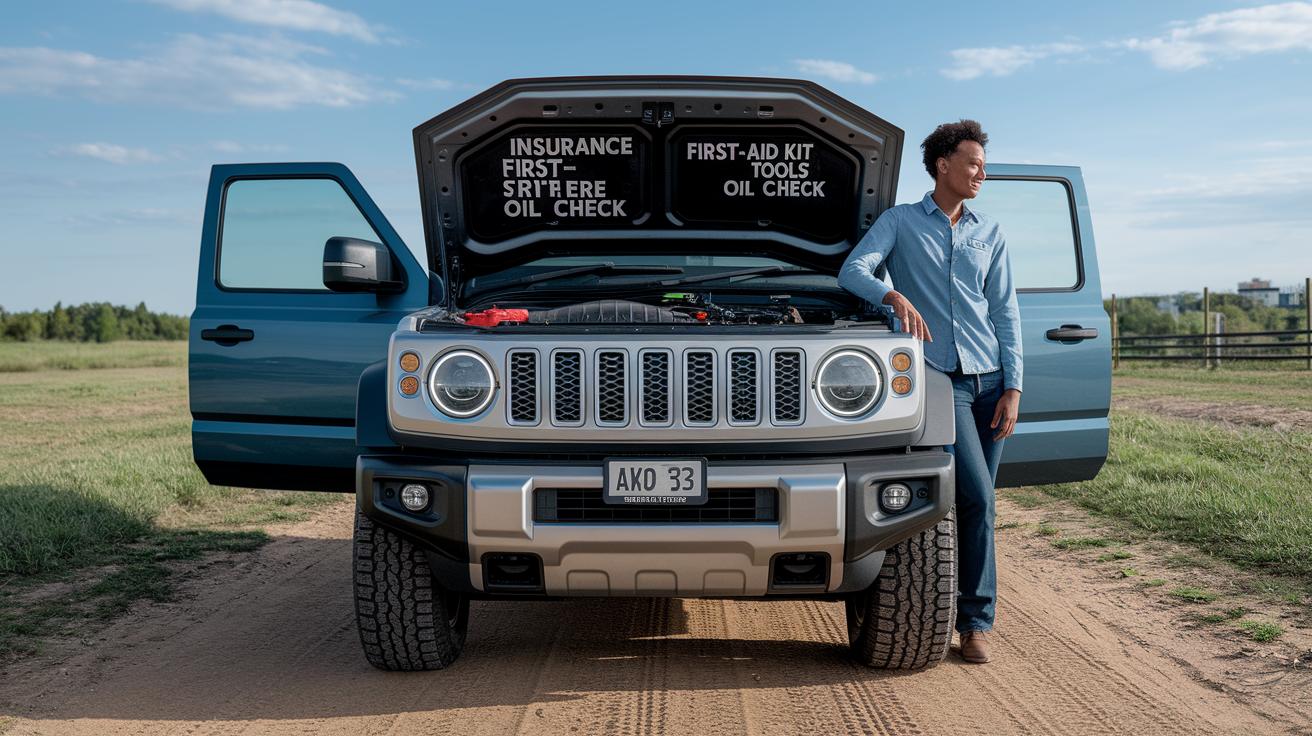
First, pick a car that matches your adventure. Look for one that's friendly on gas, offers plenty of room for your gear, and has a track record for reliability. A smooth ride means more fun on the road, so ensuring your vehicle is in tip-top shape is a must.
Next, put together a packing list to avoid any last-minute surprises. You’ll want to have your driver’s license, proof of insurance, a first-aid kit, a spare tire, and some basic tools with you. Think of it as your travel survival kit!
Before you set out, give your car a good check-up, take a look at the oil, tire pressure, brakes, and lights. Doing this little routine can help spot any issues early, making your journey worry-free.
If you’re driving an electric car, plan your route with charging stations in mind. Schedule stops along the way so you don’t stress about finding a charge. Sometimes, the best start to a trip is knowing that you and your car are perfectly prepared for the adventure ahead.
Ensuring Safety and Emergency Preparedness on Your Road Trip
Before you hit the road, it's wise to spend some time researching safe destinations. Look for places with good reviews from other travelers and avoid risky roads like Colorado's Million Dollar Mile. It's always smart to have an emergency plan ready, with roadside assistance contacts, local emergency numbers, and your insurance details on hand. I like to keep AAA’s number saved on my phone and tucked in my glove box just in case.
Make it a habit to check weather forecasts and road conditions before leaving and even during your trip. Imagine taking a quick break to see that the clear skies might give way to rain later, you might decide to change your route to stay safe.
Don't forget to back up your important items like maps, vehicle documents, and contact lists by keeping digital copies as well as paper ones. Here’s a handy checklist to help you out:
| Tip | Description |
|---|---|
| Choose Safe Routes | Find paths that are well-reviewed by fellow travelers and steer clear of dangerous stretches. |
| Create an Emergency Plan | Keep a list of key numbers and important details in case you need help on the road. |
| Check Weather Regularly | Stay updated on weather changes and road conditions throughout your journey. |
| Backup Essential Documents | Store important maps and documents in both digital and paper formats. |
Taking these simple yet effective precautions lets you embrace every twist and turn of your adventure with confidence.
Final Words
In the action, we dove into setting a realistic timeline, choosing destinations, and mapping scenic routes. We covered how to plan a road trip by breaking down budgeting, crafting a versatile itinerary, and preparing your vehicle. Each step, from scheduling strategic rest stops to confirming safety details, shows that careful planning can transform your journey. Embrace these practical tips to turn every mile into an adventure and make each stop a cherished part of your travel story. Enjoy the ride and discover the wonders along the way.
FAQ
What is a free road trip planner and which one is the best?
The free road trip planner helps you organize your journey without cost. It lets you map routes, add stops, and plan expenses, making it easier to create a fun and efficient itinerary.
How do you plan a road trip using Google Maps?
The approach to planning a road trip with Google Maps involves entering your destinations, comparing routes, and selecting scenic options. It offers features to add stops like fuel or meal breaks along your journey.
How do you include stops in your road trip plan?
The road trip planner with stops lets you schedule breaks for fuel, meals, or sightseeing. It ensures you balance drive time with rest periods for a safe, comfortable journey.
What does the AAA road trip planner offer?
The AAA road trip planner provides tools that include route mapping, safety tips, and restaurant or lodging suggestions. It is designed to keep travelers prepared and confident on unfamiliar roads.
What features does Roadtrippers provide?
The Roadtrippers service offers a comprehensive tool to map your route, explore unique attractions, and discover local gems. It enhances your trip by revealing interesting spots off the beaten path.
How does planning a road trip in Europe differ?
The road trip planner in Europe focuses on cross-border routes and local driving regulations. It helps map scenic drives and cultural sites, ensuring a smooth journey in diverse European landscapes.
How do you plan a road trip step by step?
The process of planning a road trip step by step involves setting a timeframe, choosing your route, scheduling stops, and budgeting. It starts with a theme and detailed research to craft a balanced itinerary.
Is $1000 enough for a road trip?
The estimation of $1000 being enough for a road trip depends on distance, fuel costs, lodging, and meals. A well-planned budget can stretch your funds to cover basic expenses for a modest adventure.
What is the best route planner for a road trip?
The best route planner for a road trip efficiently maps destinations and suggests alternative paths based on traffic, terrain, and scenery. It offers flexibility to adjust your journey while maximizing enjoyment.
How many hours a day should you drive on a road trip?
The recommended driving hours on a road trip usually range from 6 to 8 hours daily. This balance helps maintain alertness, allows for enjoyable stops, and keeps the trip stress-free.