Inspiration
How to Plan a Cultural Immersion Trip to Kyoto
Planning a cultural immersion trip to Kyoto? Six simple decisions turn rushed sightseeing into quiet mornings, real talks, and a trip worth telling.
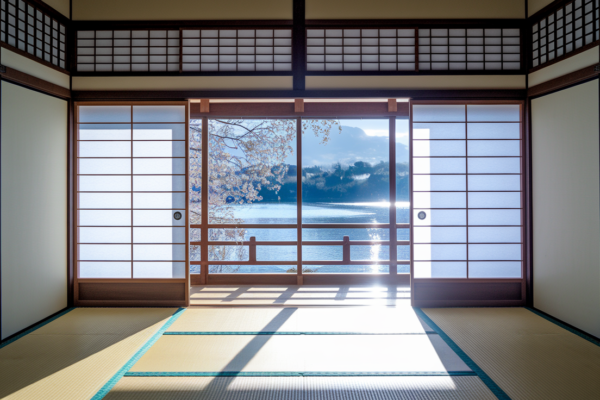
Want to actually live like a local in Kyoto, not just tick off famous spots?
This guide boils planning down to six clear decisions that shape how deep your experience feels.
Make them by choosing your immersion goals, picking the right season, settling into one neighborhood, booking limited-capacity activities, setting a daily and trip budget, and learning a few basic etiquette phrases, and the rest falls into place.
You’ll trade rushed highlights for quiet mornings with tea steam and temple bells, real conversations, and a trip that feels like a story you’ll tell later.
Core Steps To Plan Your Kyoto Cultural Immersion
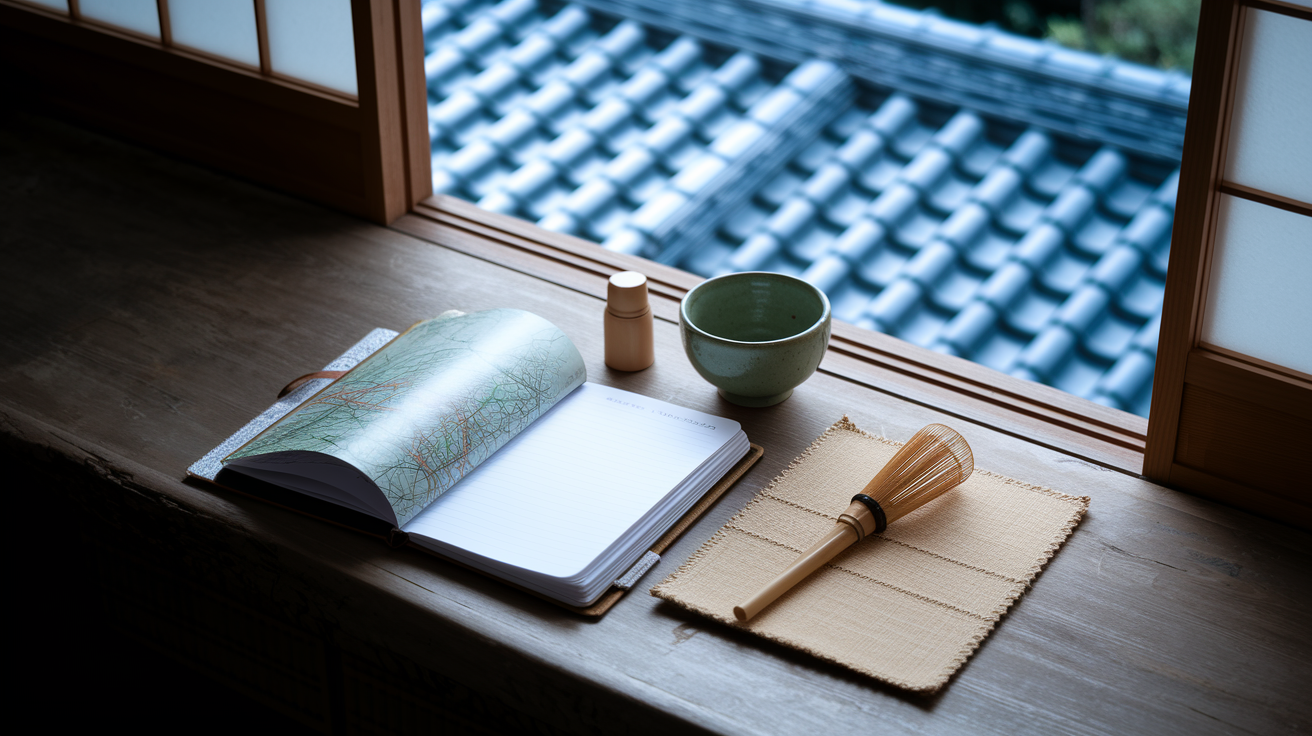
Planning a cultural immersion trip to Kyoto really comes down to six decisions. Make them, and the rest of your Kyoto travel planning checklist falls into place.
-
Choose one to three immersion goals, like tea, traditional crafts, temple life, food, or festivals. This keeps your Kyoto cultural itinerary focused instead of scattered across too many interests.
-
Reserve at least 7 days, or ideally 10 to 14, for a slower trip. Rushed schedules tend to turn immersion into sightseeing.
-
Pick your dates based on festival priorities versus your tolerance for crowds. Decide early whether you want peak color or peak calm.
-
Set both a daily spending limit and a total trip budget. This keeps your choices grounded as you add activities.
-
Choose one neighborhood base, book suitable lodging, and reserve limited capacity activities such as a tea ceremony, craft workshop, temple stay, market cooking session, or local guide. These spots fill up fast, so lock them in once your dates are set.
-
Learn essential etiquette and a handful of useful Japanese phrases before you go. It’s a small effort, but it opens up warmer, more genuine interactions.
Each of these choices feeds directly into the sections ahead, where we’ll break down timing, neighborhoods, lodging, and costs in detail.
Ideal Trip Duration For A Kyoto Cultural Itinerary
(((alt-img2)))
A rushed two or three day visit mostly delivers a highlight reel. The famous shrine, the famous grove, a quick photo stop. Real cultural immersion needs room to breathe, which is why 7 days is the practical minimum for a Kyoto cultural itinerary, one that actually lets you slow down, return to a neighborhood twice, and build small moments of connection instead of constantly moving.
- Day 1: Arrive and settle into your neighborhood base, ideally Gion, with an easy orientation walk followed by a relaxed izakaya dinner nearby.
- Day 2: Spend the morning on a tea ceremony (around 2 hours), then head to Uji in the afternoon for a tea tasting or half-day visit to a tea farm.
- Day 3: Start at Nishiki Market in the morning, follow it with an obanzai lunch, then join a craft workshop in the afternoon for about 3 hours.
- Day 4: Check into a shukubo by midday for an overnight temple stay, including a simple vegetarian meal and quiet evening routine.
- Day 5: Visit the Arashiyama bamboo grove early, ideally before 8:00, then spend the afternoon exploring a nearby pottery village.
- Day 6: Tour the Fushimi sake district, including tastings at one or two breweries, then settle into a sake pairing dinner.
- Day 7: Join a community cooking class or home-style meal in the morning before heading to the airport or train station.
Got only 3 to 5 days? Narrow your focus to one or two cultural priorities, maybe tea and food, or crafts and temple life, instead of trying to touch all of them. A 10 to 14 day Kyoto slow travel plan gives you room for everything above, plus optional day trips to Kurama, Kibune, or Ohara, with slower mornings and fewer back to back bookings.
Best Seasons And Festival Timing For Cultural Travel
(((alt-img3)))
Cherry blossom season typically peaks in late March through early April, though exact dates shift slightly each year depending on weather. It’s a stunning window, but also Kyoto’s busiest, with higher lodging prices and crowded temple paths. Autumn foliage runs longer, from mid October through late November, with peak color usually falling between November 10 and 25. That gives you a bit more flexibility to dodge the thickest crowds while still catching vivid maple reds and golds.
Gion Matsuri stretches across the entire month of July, but the two main processions, on July 17 and July 24, are the events most worth planning around if a festival is on your list. Mid August brings Obon, a time of ancestor remembrance with regional variations in timing and customs. If quiet immersion matters more to you than festival energy, consider shoulder season travel. Think late spring after the blossoms fade or early winter before the New Year crowds arrive, paired with early morning visits and a multi day stay in one neighborhood, so the experience stays personal rather than packed.
Neighborhoods That Offer The Deepest Cultural Immersion
(((alt-img4)))
Where you base yourself shapes your daily rhythm more than almost any other decision. Staying within walking distance of quiet lanes and small shops means your morning coffee run or evening stroll becomes part of the cultural experience, not just a commute to it.
- Gion and Higashiyama: traditional wooden streets, historic tea houses, and the geisha district. Visit early morning or late evening for a quieter, more authentic feel away from daytime tour groups.
- Arashiyama and Saga: home to the famous bamboo grove plus a more rural, craft focused atmosphere. Arrive before 8:00 to experience the grove in near silence.
- Nishijin: Kyoto’s historic textile district, ideal if kimono culture or weaving workshops are part of your plan.
- Fushimi: the city’s sake brewery district, with canal side streets perfect for slow afternoon exploring between tastings.
- Kurama, Kibune, and Ohara: countryside villages suited for temple hikes, mountain ryokan stays, and rural onsen soaks.
- Uji: the heart of Kyoto’s tea culture, with tea farms and tasting experiences worth a half day or overnight visit.
Pick one neighborhood, or at most two, as your home base rather than hopping between hotels every other night. Staying put lets you recognize the same shopkeeper, return to a favorite noodle counter, and actually settle into a place instead of just passing through it.
Authentic Accommodation Choices: Ryokan, Machiya, And Temple Stays
(((alt-img5)))
Where you sleep in Kyoto can be part of the cultural experience itself.
Final Words
Start by picking one to three cultural goals, then book at least seven days (10-14 days if you can), set a budget, and choose one neighborhood as your base. Reserve limited experiences early and learn a few useful Japanese phrases.
Use the sample 7-day itinerary to shape daily rhythm and pick seasons or festivals that match your vibe.
Use this checklist to turn curiosity into a plan. If you follow these steps, how to plan a cultural immersion trip to Kyoto will feel simple and deeply rewarding.
FAQ
Q: How long should I stay in Kyoto for a cultural immersion?
A: A Kyoto cultural immersion requires at least 7 days for meaningful engagement; 10–14 days lets you travel slower, add day trips, and deepen local connections, while 3–5 days needs tighter priorities.
Q: What should my cultural priorities be for a Kyoto trip?
A: Your cultural priorities should be one to three focuses—tea ceremony, traditional crafts, temple life, food, or festivals—to shape pacing, lodging choice, and which limited-capacity experiences you reserve first.
Q: How do I pick the best dates and season for Kyoto travel?
A: Pick dates by matching festival interests or crowd tolerance: cherry blossoms late March–early April, autumn foliage mid‑October to late November, and Gion Matsuri’s main processions on July 17 and 24.
Q: How should I set a budget for a Kyoto cultural itinerary?
A: Set both a daily spending limit and a total trip budget, factoring lodging (¥2,500–¥50,000+), meals, transport, activity fees, and reservation costs for limited-capacity experiences.
Q: Should I reserve tea ceremonies, workshops, and temple stays in advance?
A: You should reserve tea ceremonies, craft workshops, shukubo, cooking classes, and guided tours in advance because they have limited capacity and sell out faster during festivals, cherry blossom, and autumn foliage seasons.
Q: Which neighborhood is best as a base for cultural immersion?
A: The best neighborhood base depends on interests: Gion/Higashiyama for tea houses and geisha streets, Arashiyama for bamboo and crafts, Nishijin for textiles, Fushimi for sake, Uji for tea, Kurama/Kibune for countryside.
Q: What accommodation choices should I consider and how do they affect the experience?
A: Accommodation choices shape the cultural experience: ryokan (¥15,000–¥50,000+ with kaiseki), machiya (¥8,000–¥25,000), shukubo (¥7,000–¥20,000 with simple vegetarian meals), and hostels (¥2,500–¥6,000).
Q: How many cultural activities should I plan per day in Kyoto?
A: You should plan one deep cultural activity per day plus short walks or market visits; that pace supports meaningful engagement without rushing and fits a 7–14 day immersion.
Q: What basic Japanese etiquette and phrases should I learn before going?
A: You should learn basic etiquette and phrases like hello (konnichiwa), thank you (arigato), excuse me (sumimasen), removing shoes, bowing, and keeping quiet in temples and on public transport.
More from Politics
 Destinations
Destination Events: Unforgettable Gatherings Await Every Planner
 Destinations
Budget Honeymoon Destinations: Romantic Escapes Without Overspending
 Destinations
Family Friendly Vacation Destination: Joyful Memories Await Everyone
 Destinations