
Have you ever noticed that the best adventures often hide where nature, technology, and local life meet? Around the globe, places are popping up that mix bustling markets, rich traditions, and wild landscapes in a way that’s simply unforgettable.
Imagine walking through lively local markets, smelling the delicious street food, or stepping into buzzing tech spots that feel like a peek into the future. In this post, we'll chat about the cool trends making these areas so vibrant. These spots aren’t just places to visit, they’re adventures waiting at every turn.
Global Hotspots: Sparkling trends igniting adventure
Have you ever felt the pull of a place that buzzes with excitement at every corner? Global hotspots are all about that feeling. They’re regions where travel, business, culture, safety, nature, and technology come together in a lively mix. Picture wandering through busy markets or marveling at innovative tech hubs, all in one vibrant area. For instance, imagine new tech centers popping up in the most unexpected spots, fueled by local talent and smart investments.
• Biodiversity: Explore nature’s incredible variety.
• Conflict and Security: Discover the challenges and safety aspects of these areas.
• Economic Growth: See thriving markets and emerging opportunities.
• Technological Connectivity: Experience the pulse of cutting-edge technology.
• Cultural and Social Dynamics: Enjoy a mix of traditions and modern lifestyles.
Each point gives you a different way to look at our world. Next, we’re going to dive deeper into each area, checking out maps, species, investment trends, tech innovations, and cultural highlights. This journey helps travelers, investors, and curious minds explore how stunning natural beauty, safety issues, booming markets, or futuristic tech all play a big part in today’s global story. Isn’t it exciting to see how every hotspot has its own unique adventure waiting for you?
Biodiversity Hotspots: Key Ecological Diversity Regions

Biodiversity hotspots are truly special places, bursting with life and natural beauty. These areas have been on our conservation radar since the late 1980s, because they proudly host about 44% of the world's plant species and 35% of all land-dwelling animals. Imagine walking through a landscape where many of these species exist nowhere else on Earth. Take Madagascar, for example, it harbors 85% of its animal species and 90% of its plants as unique natives. It’s a real-life story of isolated evolution creating wonders. But, along with their charm, these hotspots face big challenges like overuse of natural resources and habitat loss, making them all the more important to protect.
Below is a friendly HTML table that sums up seven key endangered ecosystem clusters, highlighting how many unique species they have and the main threats they face:
| Region | Endemic Species % | Major Threats |
|---|---|---|
| Madagascar | 85% animals / 90% plants | Overexploitation, unsustainable agriculture |
| Atlantic Forest (Brazil) | N/A | Habitat loss (12% vegetation remains) |
| California Floristic Province | N/A | Development, fires, climate change |
| Cape Floral Region | 69% | Invasive species, forest fires, urban growth |
| Philippines | N/A | Habitat loss, fragmentation, overharvesting |
| Thailand | N/A | Illegal hunting, pollution |
| Tropical Andes | N/A | Logging, agricultural expansion, mining |
Each of these conservation spots is like a tiny, living laboratory, sharing a unique tale of nature's resilience and the impacts of human activity. They remind us that while traveling and exploring, we should always be mindful of our actions. After all, every breathtaking journey comes with a responsibility to protect these vibrant treasures for the many adventures yet to come.
Geopolitical Hotspots: Conflict and Security Risk Centers
When you look at certain parts of the world, you'll see areas where conflicts and security challenges mix together. These spots get noticed by world leaders and curious travelers alike. In these regions, risks run the gamut, from crime and military pullbacks to challenges with global energy links. International law and humanitarian work try to help, addressing issues like unfair treatment and holding groups accountable. For example, think of a place where locals must navigate major issues, like breaches of important treaties, while also tackling social policies and efforts to counter violence.
In 2025, these regions felt like a careful balance between taking small steps to ease tension and dealing with new forms of competition. Many countries tried to manage crises and lower tensions, but some friction still lingered. New tech advances like artificial intelligence and robotics were shaking up old ways of defending borders, while global finance and supply chains, along with fresh cooperation in outer space, added unexpected twists to the scene. Imagine engineers in a busy tech hub working with diplomats over important energy pipelines, each move held the potential to change power dynamics.
Looking ahead to 2026, these trends are set to shift further, influenced by past conflicts and growing pressures on communities. New hotspots might emerge as lingering challenges mix with crises that affect tourism, business, and everyday life. Experts say that working together internationally will be more important than ever. So, keep an eye on these areas with a mix of careful attention and curiosity, as they continue to reshape what conflict and safety mean in our modern world.
Economic and Technological Hotspots: Growth, Innovation, and Connectivity
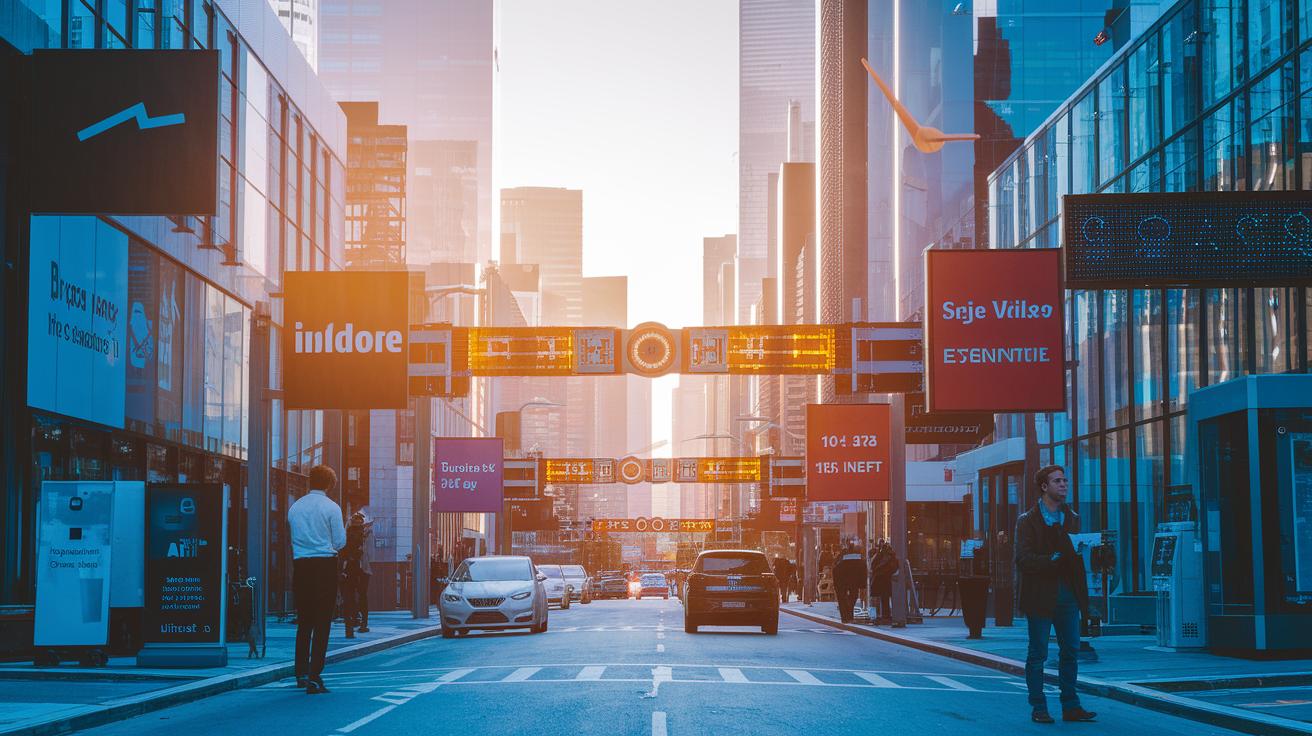
Economic hotspots are buzzing with energy and opportunity. They’re not just about big banks or international finance; they mix steady local supply chains with exciting new markets, like the realm of outer space exploration. Imagine wandering through a lively Silicon Valley street, where investors and startups come together to turn creative ideas into real, groundbreaking tech. It’s like stepping into a tech incubator where digital connections spark fresh collaborations, truly exciting!
Tech innovation centers are making waves too, especially with new advances in artificial intelligence and robotics. These vibrant areas draw in top talent and smart investments that help local economies grow. Have you ever noticed how cities like Bangalore and Tel Aviv seem to light up with digital energy? Their strong network infrastructures and communications hubs are powerful engines driving their success.
Key areas fueling these trends include:
- International Finance Hubs
- Resilient Supply Chains
- Outer Space Exploration Markets
- Regions of Digital Connectivity
When visionary ideas meet solid investments, amazing things happen. Regional networks are forming hubs where mapping technologies and other innovations bloom. Every shift in these hotspots invites you to explore where opportunity meets technology, opening up a world of possibilities for the future.
Final Words
In the action across intricate global hotspots, we journeyed through vibrant biodiversity regions, intense geopolitical centers, and innovative economic and tech hubs. Each section painted a lively picture, from endangered ecosystems buzzing with life to dynamic areas sparking groundbreaking ideas.
The article steered us through detailed insights and practical travel tips, making planning an escape exciting and informed. Global hotspots continue to inspire wonder and drive ambition. Embrace these discoveries and let each new path lead you to unforgettable adventures.
FAQ
Q: What is a global hotspot and where can I find its map?
A: A global hotspot is an area marked by high activity—cultural, ecological, conflict, or innovation. These regions are mapped and updated on platforms like Wikipedia and global conflict trackers.
Q: How many biodiversity hotspots exist worldwide?
A: Biodiversity hotspots number 36 globally. These key regions protect nearly 44% of the world’s plant species and 35% of land vertebrates, despite facing threats like habitat loss.
Q: How many wars are ongoing in 2025, and what are some current conflicts?
A: Global conflict trackers show several ongoing wars in 2025. Notable examples include the Russo-Ukrainian war, Syrian civil war, Israeli–Palestinian conflict, and the Sudanese civil war (2023–present).
Q: What defines a global hotspot?
A: A global hotspot is defined by diverse, intense activities—from ecological diversity and economic growth to conflict and innovation—making these regions important for travel, investment, and research.