Seasonal Travel
Family Trip Planning Made Easy and Stress-Free
Plan a family trip without the chaos. A simple step-by-step checklist for what to book early, what to leave loose, and what truly matters.

Want to skip the chaos and actually enjoy your next family trip? Start by treating planning like a simple checklist: who’s going, what they need, the dates, and how much you’ll spend, then build out transport, lodging, and a flexible daily plan so you can switch gears when someone needs a break. This guide gives a quick, step-by-step roadmap, what to book early, what to leave loose, and the two or three things that make or break a smooth family vacation, so you can focus on the good parts, not damage control.
A Practical Framework for Organising a Family Vacation
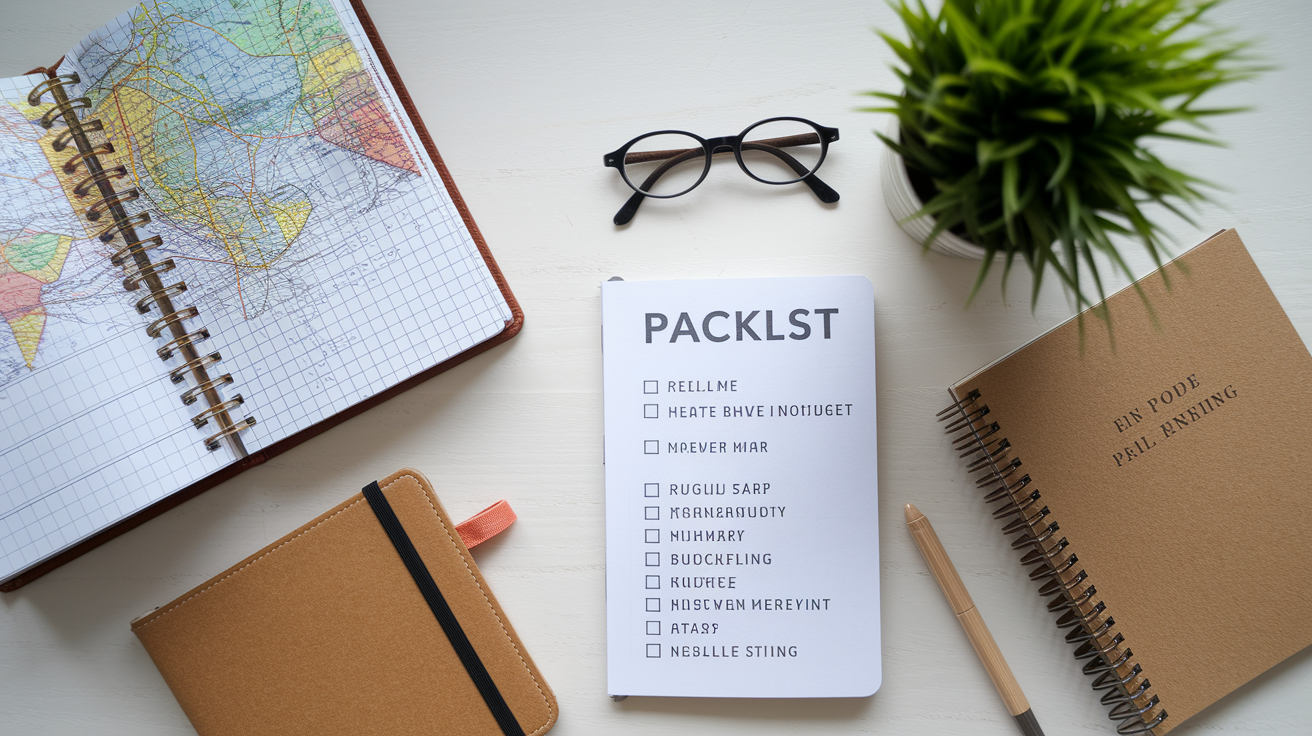
Family trip planning really comes down to coordinating a handful of moving parts: who’s going, what each person needs, how much it all costs, what gets booked when, how each day flows, and what happens if something goes sideways. That’s it. Before you even glance at a destination or hotel, nail down who’s traveling, what everyone needs (allergies, mobility, nap schedules, sensory needs), which dates might work, and how much you’re willing to spend. Everything else builds on those four answers.
Here’s your quick-start roadmap. Each step points to a deeper section later on.
- Confirm travelers, fixed constraints, possible dates, and accessibility requirements.
- Set the total spending limit and category allowances.
- Shortlist destinations suited to the family’s current needs.
- Select transport and family-friendly accommodation.
- Build a flexible itinerary with age-appropriate activities.
- Prepare documents, insurance, medications, and emergency details.
- Create a packing and entertainment checklist.
- Reconfirm bookings and download essential information.
A vacation planning checklist like this works best when you treat it as a sequence, not something you tackle all at once. If you’re heading somewhere during peak season, booking internationally, or coordinating multiple generations, start the conversation 3 to 6 months out, while dates, constraints, and budget are still taking shape. Lock in the core bookings (flights, rooms, big ticket activities) 2 to 4 months ahead. Then spend the final 2 to 4 weeks on documents, packing, insurance double checks, and confirmations. International trips, holiday travel, and multigenerational groups usually need more lead time than a simple weekend getaway, so build in extra buffer wherever those apply.
Pros and Cons of Detailed Family Vacation Planning
(((alt-img2)))
Here’s the honest answer: how much you plan should match how much is at stake. A once a year international trip with grandparents in tow deserves more structure than a weekend drive to the lake. Advance decisions cut down on trip decision fatigue and often secure better flight options, suitable rooms, and tickets to popular attractions before they sell out. But over scheduling has a cost too. When delays, illness, weather, or just a cranky toddler disrupt a tightly packed itinerary, rigid plans can turn a normal hiccup into a full blown stress spiral.
| Planning Approach | Advantage | Possible Drawback |
|---|---|---|
| Booking transport early | Better fares and seat choices | Less flexibility if dates shift |
| Reserving accommodation early | Guarantees space during peak season | Harder to switch locations later |
| Pre-booking major activities | Secures limited-capacity tickets | Locks in a schedule around fixed times |
| Creating a detailed daily itinerary | Reduces daily decision-making | Can feel rigid when plans must change |
| Packing from a checklist | Prevents forgotten essentials | Takes upfront time to build and follow |
| Leaving unscheduled time | Room for rest, detours, and spontaneity | Can feel unproductive to some planners |
If you only do a few things ahead of time, make it the expensive or limited stuff. Lock in transport, accommodation, and anything with capped capacity, like a popular theme park ride reservation or a guided tour. Treat meal choices, smaller attractions, and rest periods as adjustable. This balance matters most when you’re traveling with toddlers, grandparents, or anyone with medical or sensory needs. Their comfort usually depends on the trip being able to flex around a hard day rather than push through it.
The Family Travel Budget Planner and Cost Categories
(((alt-img3)))
A family travel budget planner is simply a tool that separates your total spending ceiling from the smaller limits you set for each category. Think of it like a weekend calendar, except instead of blocking time, you’re blocking dollars. Knowing your overall number keeps you from overspending, while category limits help you decide where to splurge and where to pull back.
Your actual costs will shift depending on destination, season, group size, room setup, baggage fees, local transport, and how often you eat out versus cook. A family of six touring during peak summer will land in a very different place than a couple with one toddler traveling in the shoulder season.
| Expense Category | Example Share | Estimated Cost | Amount Paid | Actual Cost |
|---|---|---|---|---|
| Accommodation | 40% | |||
| Transportation | 30% | |||
| Food | 15% | |||
| Activities | 10% | |||
| Souvenirs | 5% |
Those percentages are a starting point, not a rule. Adjust
Final Words
Start by confirming who’s coming, the possible dates, and the overall spending limit. Then use the quick-start steps: shortlist destinations, pick transport and family-friendly lodging, build a flexible itinerary, prepare documents and meds, pack smart, and reconfirm bookings.
This post covered budgeting, kid-friendly pacing, packing and safety checklists, booking order, destination comparisons, and how to use the plan while traveling. Follow the timeline to pace decisions and lock in limited items early.
If you want one next step, pick dates and set a budget — the core of strong family trip planning. You’ve got this.
FAQ
Q: What is a practical framework for organising a family vacation?
A: The practical framework for organising a family vacation coordinates travellers, constraints, costs, bookings, daily pacing, and contingency options. Start by confirming who’s travelling, each person’s needs, possible dates, and the total spending limit.
Q: What are the first steps to start planning a family trip?
A: The first steps to start planning a family trip are confirming travellers, fixed constraints, dates, and accessibility needs; then set a total spending limit and shortlist destinations that match those parameters.
Q: When should we book major elements and how far ahead?
A: You should book major elements 2–4 months ahead for most trips; plan dates, constraints, and budget 3–6 months before peak-season or complex international travel, and finalize documents and packing in the last 2–4 weeks.
Q: How should a family set a realistic travel budget and category limits?
A: A realistic travel budget separates the trip ceiling from category limits; use example shares (40% accommodation, 30% transport, 15% food, 10% activities, 5% souvenirs), track prepaid versus actual costs, and add a contingency buffer.
Q: What essentials should be on the pre-departure packing and documents checklist?
A: The pre-departure packing and documents checklist should include travel documents and digital copies, prescription medicines and first-aid, a change of clothes in carry-on, chargers, sunscreen SPF 30+, snacks, and entertainment items.
Q: How do I build a kid-friendly itinerary for mixed ages and energy levels?
A: A kid-friendly itinerary balances high-energy and low-energy periods, avoids demanding days after long travel, includes recovery days, and lets each traveller pick one or two must-do activities to boost participation.
Q: Which bookings should I prioritise: transport, accommodation, or activities?
A: You should prioritise booking transport and accommodation that are costly or capacity-limited first, include all fees and baggage in comparisons, then reserve limited-capacity activities while keeping the daily schedule flexible.
Q: How structured should our family vacation plan be versus leaving free time?
A: The family vacation plan should lock in costly or limited items but keep meals, minor attractions, and rest periods adjustable; flexibility is especially important with toddlers, grandparents, or anyone with medical or sensory needs.
Q: How should we use the family travel plan during the trip?
A: The family travel plan should act as an adjustable dashboard: review the next day’s anchor activity each evening, check weather and times each morning, track spending, adjust for energy, and keep one unscheduled period daily.
Q: What practical ways can families save money on a vacation?
A: Families can save by comparing total accommodation cost not just nightly rates, travelling off-peak, using a kitchen for some meals, checking family discounts, and prioritising one or two paid highlights instead of everything.
More from Politics
 Destinations
Destination Events: Unforgettable Gatherings Await Every Planner
 Destinations
Budget Honeymoon Destinations: Romantic Escapes Without Overspending
 Destinations
Family Friendly Vacation Destination: Joyful Memories Await Everyone
 Destinations