Destinations
Family-Friendly US National Parks Bucket List: Adventures Await
12 family-friendly US national parks ranked by trail ease, stroller access, and kid activities. Find ages, safety tips, and your next family trip.
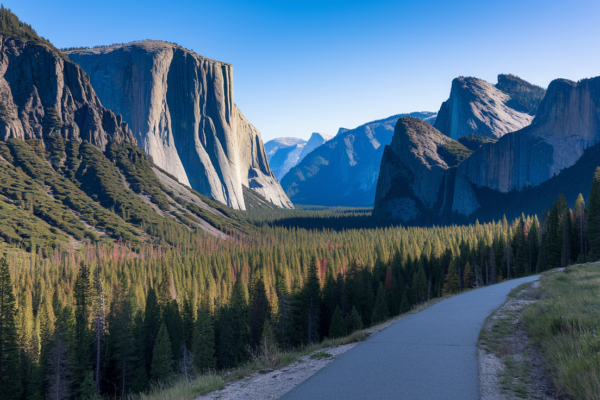
Think national parks are all steep climbs and long, kid-unfriendly hikes?
Actually, plenty of parks are made for little legs and curious teens.
This list ranks 12 family-friendly parks by what matters: trail difficulty, stroller and wheelchair access, Junior Ranger programs, nearby conveniences, best months, and simple activities kids love.
Each pick includes what ages it fits, an easy family activity, and the safety notes you need to know.
Read on and pick the next park that matches your family’s rhythm.
12 Best National Parks for Families
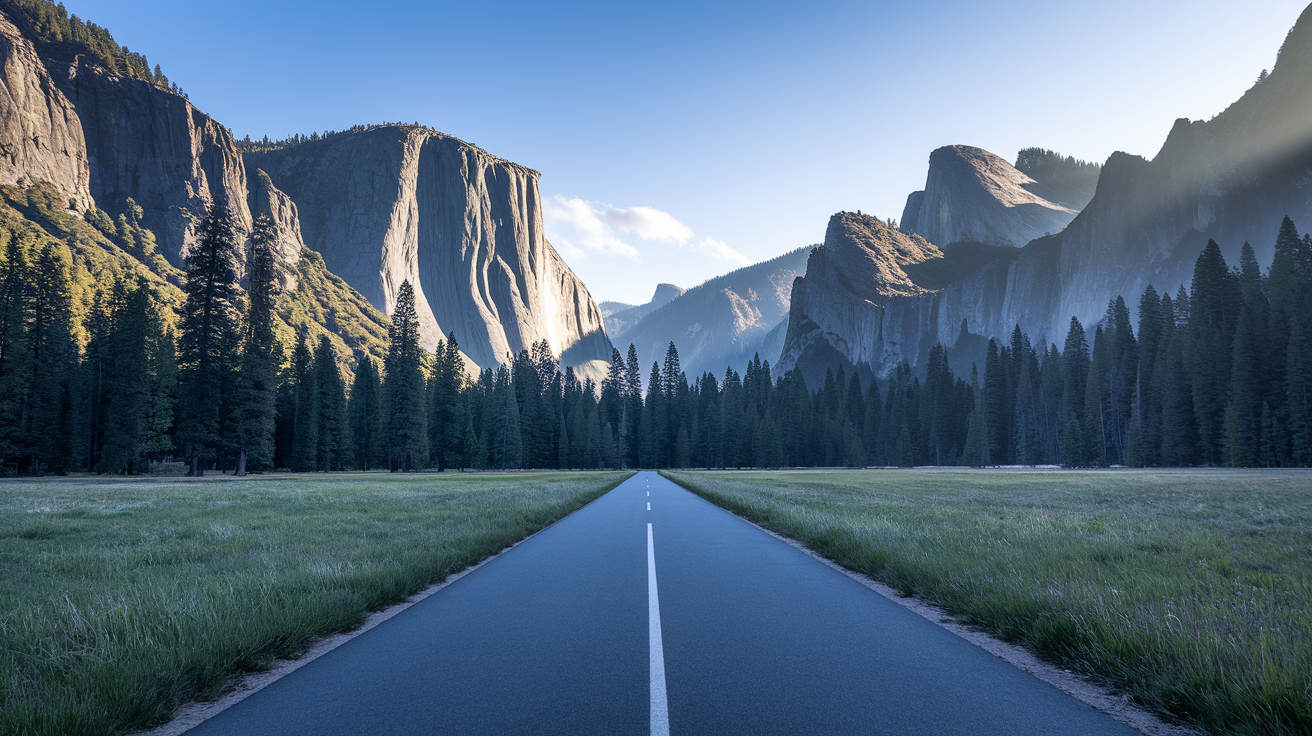
Ranking national parks for families isn’t just about pretty views. It comes down to trail difficulty, whether there’s a Junior Ranger program to keep the kids occupied, how accessible the paths and viewpoints actually are, nearby amenities, timing, and whether the whole trip fits your family’s mix of ages. A park that works great for teenagers might be a rough fit if you’ve got a toddler in tow.
Here’s how the 12 best family parks compare, with details you can actually use when planning.
| Rank | National Park | Best Months | Why It Suits Families | Easy Family Activity | Difficulty 1-5 | Specific Amenity | Accessibility Details | Best Age Fit | Main Safety Concern |
|---|---|---|---|---|---|---|---|---|---|
| 1 | Great Smoky Mountains | April-October | No entrance fee, 800+ miles of trails, gentle options everywhere | Laurel Falls Trail, 2.6 miles round trip | 2 | Multiple visitor centers with Junior Ranger booklets | Paved sections near visitor centers, partial paving on Laurel Falls | All ages | Ticks and black bear awareness |
| 2 | Yellowstone | June-August (Sept for fewer crowds) | Predictable wildlife and geyser boardwalks kids love | Old Faithful boardwalk loop, 0.6 miles | 1 | Old Faithful Inn, 9 visitor center/museum sites | Boardwalks are flat and wheelchair-friendly around thermal basins | 3-13 | Thermal features, stay on boardwalks |
| 3 | Grand Canyon (South Rim) | March-May, Sept-Nov | Paved rim trail with epic views and minimal walking required | Rim Trail segment, 0.5-2 miles | 1-2 | Mather Campground, Yavapai lodging | Paved rim viewpoints, accessible shuttle vehicles | All ages | Heat and cliff edges beyond guard rails |
| 4 | Zion | March-May, Sept-Nov | Shuttle system removes parking stress, canyon floor hikes are gentle | Lower Emerald Pool Trail, 1.2 miles | 2 | Zion Canyon Visitor Center, Watchman Campground | Paved shuttle stops, select ADA trail sections | 4 and up | Flash floods in narrow canyons |
| 5 | Acadia | June-October | Coastline, tidepools, and carriage roads built for strollers and bikes | Jordan Pond Path, 3.3 mile loop | 2 | Hulls Cove Visitor Center, Island Explorer shuttle | Carriage roads are paved or packed gravel, stroller-friendly | All ages | Tide timing and cold water |
| 6 | Yosemite | May-September | Iconic valley views reachable without strenuous hiking | Lower Yosemite Fall Trail, 1 mile round trip | 1 | Yosemite Valley Visitor Center, 13 campgrounds | Paved loop, shuttle access to trailhead | All ages | River currents and steep drop offs at viewpoints |
| 7 | Rocky Mountain | June-September | Alpine views and elk herds right near Estes Park | Bear Lake Loop, 0.6 miles | 1 | Estes Park and Kawuneeche visitor centers | Paved overlooks, accessible exhibits | All ages | Altitude sickness above 8,000 feet |
| 8 | Bryce Canyon | May-September | Hoodoos visible from easy rim walks, no strenuous descent required | Rim Trail segment, 0.5-2 miles | 1-2 | Lodge at Bryce Canyon, North Campground | Paved viewpoints and short accessible trails | All ages | Sun exposure and steep edges |
| 9 | Glacier | July-September |
That’s the rundown so far.
Final Words
Pack a day bag, pick your top three parks from the ranking, and lock in dates, small steps make big trips happen.
We covered the ranked parks and why each works for families. Then we walked through gear for toddlers, Junior Ranger and kid programs, split-day plans, lodging choices, and a reusable tracker.
Use the family-friendly US national parks bucket list to choose one realistic next trip, double-check road openings and program hours, and save your tracker. You’ll be ready, and it’ll feel great.
FAQ
Q: How were the 12 parks ranked for families?
A: The 12 parks were ranked using activity difficulty, educational programming, accessibility, amenities, seasonal conditions, safety, and age suitability to help families choose parks that match abilities and interests.
Q: Which parks are best for toddlers and stroller users?
A: Parks best for toddlers and stroller users include Great Smoky Mountains, Everglades, and Yosemite because they offer paved boardwalks, short level routes, nearby toilets, and shaded rest stops.
Q: What are quick, easy family trails at these parks?
A: Quick, easy family trails include Yellowstone’s 0.6-mile Old Faithful boardwalks, Grand Canyon’s short Rim Trail sections, Zion’s 1.2-mile Lower Emerald Pool Trail, and Yosemite’s 1-mile Lower Yosemite Fall Trail.
Q: When is the best time to visit parks like Glacier and the Everglades with kids?
A: Glacier is best July–September for road access and milder weather; Everglades is best November–April to avoid storms, extreme heat, and heavy mosquito seasons.
Q: How accessible are national park activities for wheelchairs and strollers?
A: Accessibility varies by site; many visitor centers and paved viewpoints are wheelchair-friendly, but slopes, narrow boardwalks, surface gaps, and crowds can limit stroller use on some routes.
Q: Do parks offer Junior Ranger programs and how do families use them?
A: Yes. Families pick up Junior Ranger booklets at visitor centers, complete age-appropriate activities, attend ranger talks if required, then return the booklet to earn a badge.
Q: What safety concerns should families know before visiting?
A: Main safety concerns include wildlife distance, heat, altitude, thermal features, cliffs, and water hazards; carry water, follow posted rules, and supervise kids closely near any danger.
Q: How far in advance should families book park lodging and reservations?
A: Families should book popular lodging and campgrounds 3–12 months ahead, check timed-entry or permit rules, and reconfirm conditions one week and 24 hours before travel.
Q: What gear is essential for toddlers and babies in national parks?
A: Essential baby and toddler gear includes a sun hat, weather layers, snacks, water, a carrier or suitable stroller, changing supplies, a comfort item, and a child-specific first-aid kit.
Q: How should families split days for teens and grandparents?
A: Families should split days by assigning responsible adults, setting fixed meeting points and realistic return times, planning transport backups, and choosing a low-effort shared reunion activity.
Q: How many parks should we include in a family road trip?
A: The number of parks should match driving tolerance, lodging availability, and kids’ patience—keep most transfer days under 4–5 hours and insert breaks every two hours.
Q: What’s the simplest way to pick the right first national park for our family?
A: Start by listing ages, walking ranges, mobility needs, interests, and medical notes, then shortlist three parks that meet firm surfaces, short walks, nearby facilities, and shade options.
Q: How can families use a reusable park tracker year to year?
A: A reusable tracker logs each park, target season, reservation dates, age and accessibility fit, preferred activities, estimated budget, and completed experiences for easy multi-year planning.
Q: Which short, family-friendly activities should we prioritize each day?
A: Prioritize one main activity, one short walk, and one flexible stop daily; alternate active days with scenic drives or visitor center time, and preserve afternoons for rest.
Q: What should we check about programme hours and timed tours like Mesa Verde?
A: Always confirm programme hours, guided-tour ticketing, age or physical restrictions, and completion rules on arrival since timed tours and ladders often require advance booking.
More from Politics
 Destinations
Destination Events: Unforgettable Gatherings Await Every Planner
 Destinations
Budget Honeymoon Destinations: Romantic Escapes Without Overspending
 Destinations
Family Friendly Vacation Destination: Joyful Memories Await Everyone
 Destinations