Guides
Fall Foliage Road Trips Through the Scenic Northeast
Chase peak color on fall foliage road trips in the Northeast USA. Learn the timing, routes, and tools to catch the wave from north to coast.
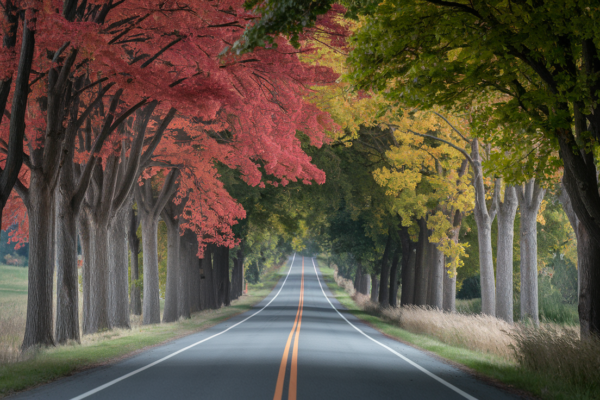
Think peak fall color is impossible to catch?
It’s not, if you plan like you’re chasing a slow, beautiful wave.
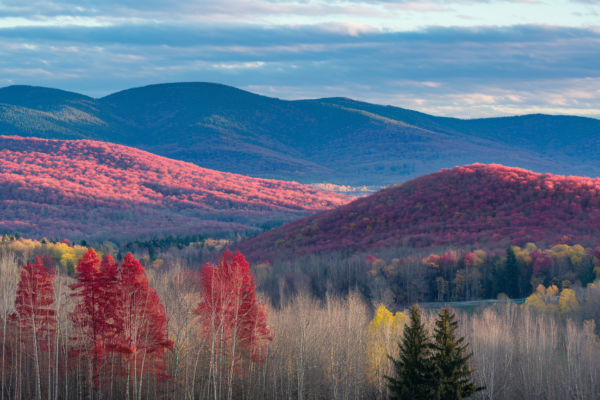
The Northeast doesn’t flip a switch.
Color rolls south and downhill from late September into early November, so timing and route matter more than luck.
Start in high, northern spots, then drift toward valleys and the coast to stretch your viewing window from a few days to weeks.
Use historical maps first, then switch to weekly state reports and webcams as your trip nears—this guide shows how to time each drive.
When Northeast Fall Colors Reach Their Peak
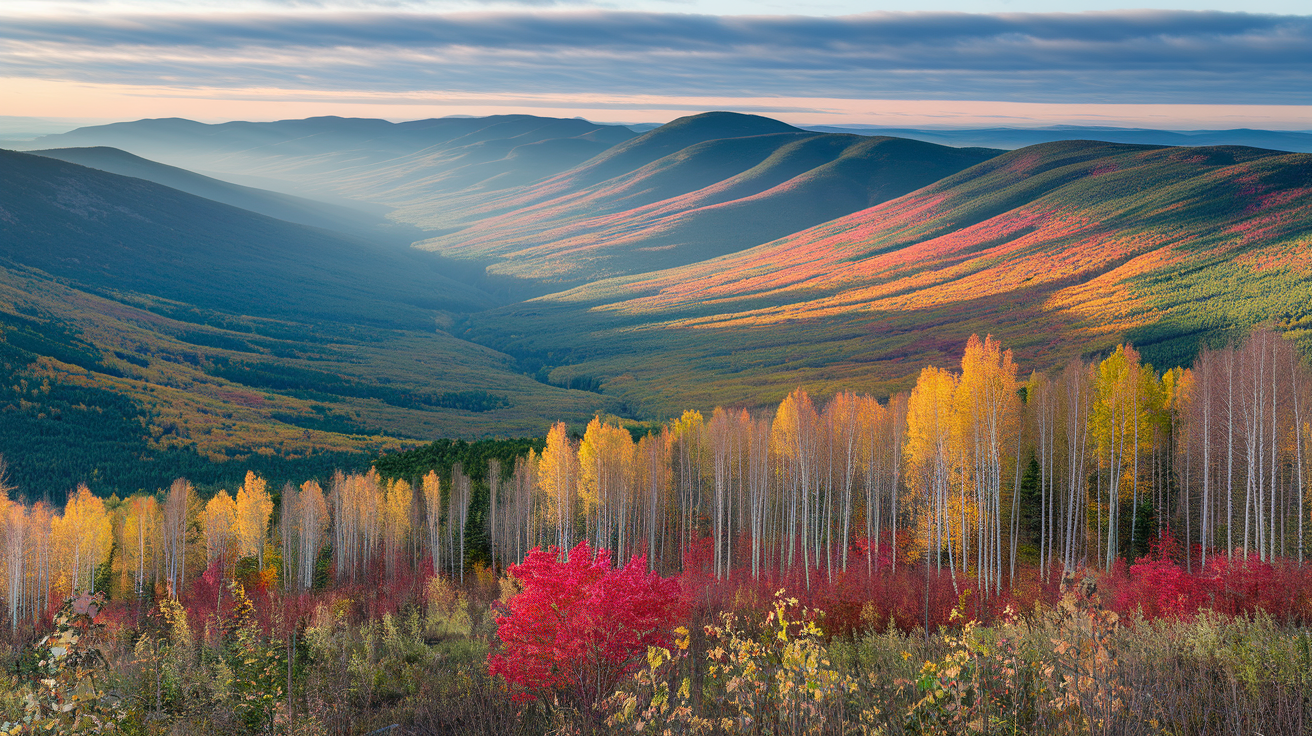
Fall color in the Northeast unfolds over a long stretch, roughly late September through early November, but it doesn’t happen all at once. Think of it less like a single event and more like a wave that rolls south and downhill over several weeks. The averages below are historical patterns built from past seasons. They’re a solid starting point for picking dates, but they’re not a guarantee, so treat them as a planning baseline rather than a forecast.
Northern Vermont, northern New Hampshire, and the higher elevations of inland Maine typically turn first, usually between September 20 and October 10. These are the spots where you’ll often catch that vivid, almost electric color right at the start of the season. Right behind them, the Adirondacks and the lower White Mountains tend to peak a bit later, generally from September 25 to October 15, as color works its way down from the ridgelines into the valleys.
From there, the wave keeps rolling south and east. The Hudson Valley and the Berkshires usually hit their stride from October 5 to October 20. Connecticut, southern Massachusetts, and the southern New York suburbs bring up the rear, often turning from October 10 through November 1. If you’re picturing a map, color starts at the top and in the high spots, then slides downhill and southward over the following weeks.
A handful of factors can nudge these windows earlier or later. Temperature swings, rainfall totals, wind events, even a single hard frost, can all speed things up or stretch them out. Latitude and elevation matter just as much as the calendar date. That’s actually good news for planners, since it means you can chase color across the region. Start high and north, then drift toward valleys, southern areas, and the coast, and you can stretch your viewing window to three or four weeks instead of just a few days.
So here’s how to actually use all this. Start with historical prediction maps when you’re choosing your travel dates, months out. Then, in the final two weeks before you leave, check the weekly state foliage reports that most Northeast states publish during the season. Finally, in the 24 hours before each day’s drive, glance at webcams, weather forecasts, park
Final Words
Hit the road: pick a route that fits your dates, days, and whether you want mountains, villages, or coast.
Use the opening table and map to compare distances, key stops, and time needs. Check the peak timing tips and live reports before locking dates, then follow the itineraries, lodging windows, and safety checklist.
With a clear plan, your fall foliage road trips in the northeast usa will be simpler and more joyful—book a base, pack layers, and go make some colorful memories.
FAQ
Q: Which Northeast foliage route should I pick based on my travel dates and days available?
A: The best route depends on your dates, available days, and scenery preference; choose the Kancamagus for one-day trips, Vermont Route 100 for 2–4 days, or combine VT–NH–ME for a week.
Q: When do peak colors occur across the Northeast and how should I monitor conditions?
A: Peak colors generally run late September through early November; use historical maps for planning, check weekly state reports two weeks out, and verify webcams, park notices, and road updates within 24 hours.
Q: How long are signature routes and what are their typical time commitments?
A: Route lengths and typical time commitments: Vermont Route 100 ~216 miles (2–4 days); Kancamagus Highway 34.5 miles (4–6 hours); Acadia Park Loop 27 miles (2–4 hours); coastal US‑1 170–210 miles.
Q: What are smart itinerary lengths for one, three, and seven day trips?
A: One-day: Kancamagus (34.5 miles, 4–6 hours). Three-day: Route 100 mini-loop (140–220 miles, 2–4 hours daily). Seven-day: a VT–NH–ME circuit keeping daily miles modest and time for stops.
Q: How early should I book lodging and rentals for peak fall weekends?
A: Book lodging and rentals 8–12+ weeks ahead for peak October weekends and 4–8 weeks for midweek stays; favor refundable rates, check minimum-stay rules, pet policies, and seasonal closings.
Q: What should I pack and check before driving autumn roads?
A: Pack warm layers, water, snacks, a first‑aid kit, and a phone power bank; inspect tires, brakes, lights, wipers, coolant, and battery; download offline maps and add 25–50% to estimated driving time.
Q: How do elevation and latitude affect leaf timing across regions?
A: Elevation and latitude change timing: high northern areas peak Sept 20–Oct 10, Adirondacks and lower White Mountains around Sept 25–Oct 15, and southern/coastal zones Oct 5–Nov 1; sequence drives accordingly.
Q: Any photography tips and sunrise advice, especially for Cadillac Mountain?
A: For photos, use early-morning or late-afternoon light, slightly underexpose to keep leaf detail, bring a tripod, polarizer, and spare batteries; arrive 45–90 minutes before Cadillac Mountain sunrise when access is available.
Q: How should I plan fuel and EV charging on rural scenic routes?
A: Plan fuel and EV charging ahead, confirm charger locations before rural stretches, expect spotty cell service, carry a contingency range or gas can, and time drives to avoid long gaps between towns.
Q: What safety and parking rules should I follow at scenic pullouts?
A: Use designated pullouts only, never stop in travel lanes, watch for wet leaves and wildlife, respect trail and park rules, and verify drone restrictions before attempting aerial shots.
Q: What budgets should I expect for rental cars and a one-week trip?
A: Expect rental cars roughly $40–$120 per day before peak surges; plan about $2,000–$3,500 per person for a one-week, hotel-based trip, with higher rates on busy October weekends.
More from Politics
 Destinations
Destination Events: Unforgettable Gatherings Await Every Planner
 Destinations
Budget Honeymoon Destinations: Romantic Escapes Without Overspending
 Destinations
Family Friendly Vacation Destination: Joyful Memories Await Everyone
 Destinations