Destinations
Best Places to See the Northern Lights: Dream Destinations Await
12 top aurora spots ranked and scored, so picking the best places to see the northern lights for your bucket list trip is easy, not a guessing game.
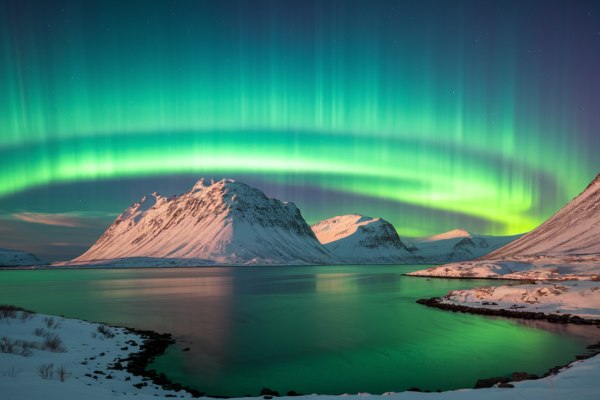
Think chasing the northern lights is just luck? Think again.
We ranked twelve top aurora destinations so you can stop guessing and pick the best spot for your trip.
Each place gets a score out of one hundred using the same weighted criteria, with viewing reliability worth thirty points because that’s the whole point.
This guide lays out reliability, access, scenery, lodging, side activities, and value so you can choose the destination that fits your time, budget, and energy.
12 Premier Aurora Destinations Ranked for a Once-in-a-Lifetime Trip
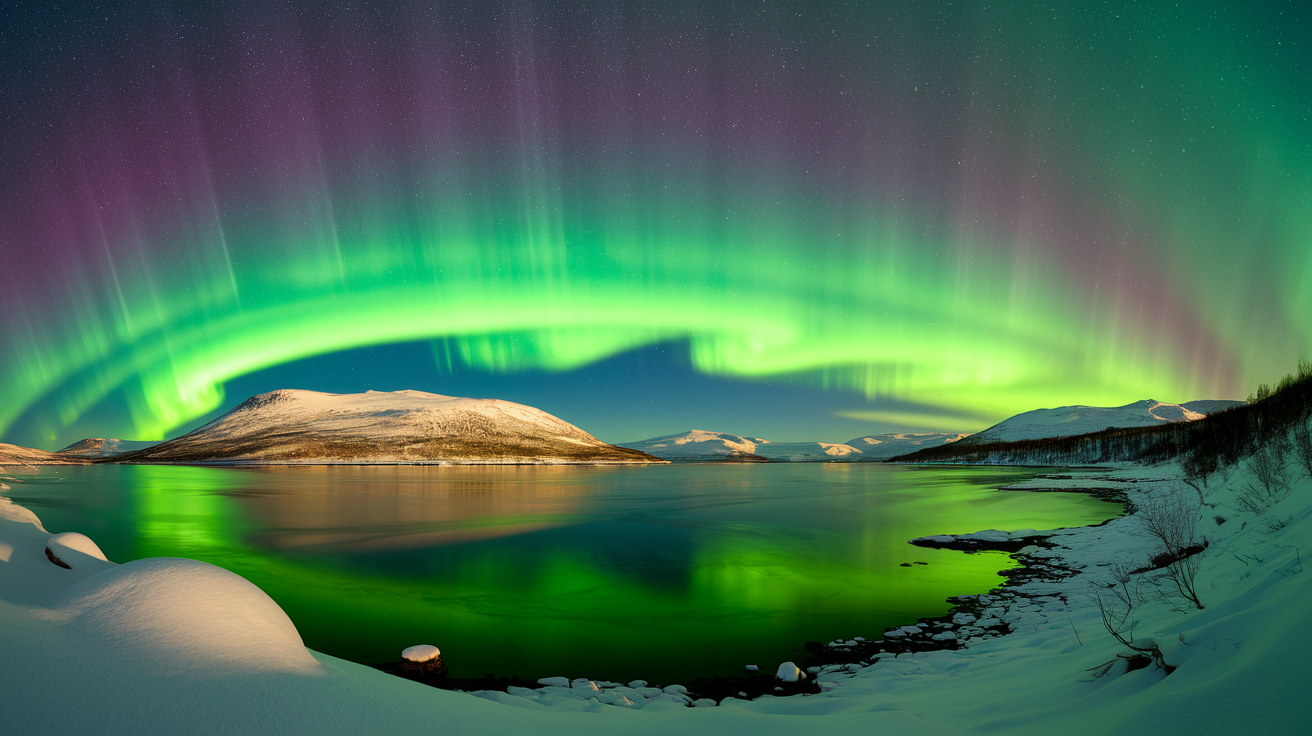
Picking one spot from a map of the Arctic Circle sounds simple, until you realize every location claims to be the best. So here’s the fix.
Each destination below gets scored out of 100 using the same weighted criteria across the board. Viewing reliability counts for 30 points, since that’s the whole point of the trip. Accessibility is worth 20, accommodation choice adds 15, scenery contributes another 15, non aurora experiences bring in 10, and overall logistics plus value round out the final 10. The score decides the rank, with viewing reliability acting as the first tie breaker and accessibility as the second.
This gives you an apples to apples comparison instead of 12 separate sales pitches.
| Rank | Destination | Country or Region | Score /100 | Best Months | Typical Nightly Visibility Range | Accessibility | Typical Stay Style | Signature Experience |
|---|---|---|---|---|---|---|---|---|
| 1 | Tromsø | Norway | 91 | Sept-Mar | 50-80% | City hotel | Easy | Coastal fjord aurora + full tourism infrastructure |
| 2 | Abisko | Sweden | 87 | Dec-Mar | 60-80% | Lakeside aurora lodge | Moderate | Clear-sky microclimate, national park setting |
| 3 | Yellowknife | Canada | 86 | Nov-Mar | 65-90% | Wilderness cabin | Moderate | Highest peak-winter success rates in this list |
| 4 | Fairbanks | Alaska, USA | 83 | Sept-Apr | 50-80% | Road-trip guesthouse | Moderate | Dark skies paired with hot-spring resorts |
| 5 | Finnish Lapland | Finland | 81 | Dec-Mar | 50-75% | Glass-roofed resort | Easy | Family-friendly cabins and glass igloo viewing |
| 6 | Iceland | Iceland | 78 | Sept-Apr | 20-60% | City hotel | Easy | Waterfalls, glaciers, and geothermal lagoons by day |
| 7 | Lofoten Islands | Norway | 76 | Sept-Mar | 30-70% | Fishing cabin | Moderate | Dramatic fjords and mountain-ringed villages |
| 8 | Greenland | Ilulissat/Kulusuk | 71 | Sept-Mar | 30-70% | Remote lodge | Difficult | Iceberg-lit aurora over Disko Bay |
| 9 | Alta | Norway | 69 | Sept-Mar | 50-80% | Arctic hotel | Moderate | Husky sledding and quieter crowds |
| 10 | Whitehorse | Yukon, Canada | 67 | Nov-Mar | 30-70% | Yukon cabin | Moderate | Low crowds with an easygoing northern town feel |
| 11 | Svalbard | Norway | 64 | Oct-Feb | 30-70% | Expedition hotel | Difficult | Polar darkness and organized glacier excursions |
| 12 | Scottish Highlands/Shetland | United Kingdom | 58 | Oct-Mar | 15-40% | Rural inn | Easy | Accessible chance sightings without long-haul flights |
Final Words
Out in the field: we ranked 12 top aurora spots with a 100-point system that weights viewing reliability, access, lodging, scenery, daytime options and logistics.
Find stay-length guidance, transfers, and packing and photography checklists to pick a base and keep nights open for chases.
Shortlist five from the ranking, then pick three by what matters most. Book 5–7 nights, save at least three evenings for viewing, and pack warm gear. This guide helps you choose from the best places to see the northern lights bucket list so your trip is rewarding even if clouds show up.
FAQ
Q: How were the 12 northern lights destinations ranked?
A: The 12 destinations were ranked using a 100-point score: viewing reliability (30), accessibility (20), accommodation (15), scenery (15), non-aurora activities (10), and logistics/value (10). Scores determine rank; viewing reliability then accessibility break ties.
Q: Which destination is the strongest overall?
A: Tromsø is the strongest overall result, offering a high balance of viewing reliability, easy access, extensive tour infrastructure, and varied accommodation—making it practical for multi-night stays and guided aurora chases.
Q: Which destinations offer the highest nightly visibility?
A: Abisko, Yellowknife, and parts of Fairbanks show the highest typical nightly visibility: Abisko ~60–80%, Yellowknife ~65–90%, Fairbanks ~50–80%—percentages are planning ranges, not guarantees.
Q: When is the best time of year and night to view the northern lights?
A: The aurora season runs September through April, with a practical watch window around 22:00–02:00; equinox months often boost geomagnetic activity, while moon phase and clear local skies affect visibility most.
Q: How many nights should I plan for an aurora trip?
A: Plan 5–7 nights for the best flexibility and a strong chance of seeing the lights; three nights is limited, while 7+ nights suit dedicated chasers or multi-destination trips.
Q: How should I choose between the top aurora destinations?
A: Choose by shortlisting the top five, then pick the two criteria that matter most—reliability and access, scenery and lodging, or activities and budget—and use scores and transfer time to finalize your pick.
Q: Do guided aurora chases improve your chances?
A: Guided aurora chases improve your odds by interpreting forecasts, mobile cloud chasing, and safe winter transport, but they cannot guarantee sightings—clouds and solar activity still decide whether the aurora appears.
Q: What camera gear and settings work best for aurora photography?
A: The best aurora kit: 14–24mm wide lens, aperture f/1.4–f/2.8, ISO 800–6400, shutter 5–25 seconds, a sturdy tripod, and 2–3 spare batteries; shoot RAW for editing flexibility.
Q: What should I pack for cold-weather aurora trips and safety?
A: Pack thermal base, fleece mid-layer, waterproof shell, insulated boots with traction, mittens, hat, warmers, a reusable bottle, full phone charge, offline maps, emergency supplies, and winter insurance for travel disruptions.
Q: How far in advance should I book flights and specialty lodges?
A: Book ordinary winter trips 3–6 months ahead and specialty glass-roofed or remote wilderness stays 6–12 months ahead; secure flexible cancellation, winter travel insurance, and buffer days for weather delays.
Q: What is a sample budget for a mid-range five-night aurora trip?
A: A sample mid-range five-night budget is about $1,750 per person: roughly $600 flights, $750 accommodation, and $400 for tours and transfers—costs vary with departure point, season, and activities.
Q: Can I combine Norway, Iceland, Greenland, or Canada in one short trip?
A: Combining Norway, Iceland, Greenland, or Canada in one short trip is generally impractical; expect long flights, weather delays, and transfer days—reserve at least 8–10 nights per additional region and buffer days for disruptions.
Q: How reliable are the visibility percentages in the ranking?
A: The quoted visibility percentages are approximate planning ranges, not guarantees—they reflect typical seasonal odds but nightly cloud cover and solar activity can dramatically change actual viewing chances.
Q: Why include daytime and cultural activities on an aurora trip?
A: Including daytime and cultural activities keeps the trip rewarding during cloudy nights—think glacier walks, dog sledding, Sami storytelling, and local food—so your trip still feels like a win even without aurora sightings.
More from Politics
 Destinations
Destination Events: Unforgettable Gatherings Await Every Planner
 Destinations
Budget Honeymoon Destinations: Romantic Escapes Without Overspending
 Destinations
Family Friendly Vacation Destination: Joyful Memories Await Everyone
 Destinations