
Ever been lost in a busy foreign city, trying to figure out a maze of buses and metro rides? I know it can be overwhelming. Instead of feeling frazzled, imagine turning that mix-up into an easy, stress-free ride.
A little planning really goes a long way. For example, checking transit maps and using simple, clear apps can really save you time, money, and energy. It’s like piecing together a fun puzzle where every turn reveals a new, hidden gem.
So, why not take a deep breath and set off with a local’s curiosity? With these tips, exploring a new city feels a lot like uncovering a secret treasure with each step.
Mastering Public Transit Abroad with Insider Tips

When you step into a new city, it really helps to know where you’re headed and pick the best way to get there. A bit of planning saves you time, money, and energy. Many clever travelers mix a bit of walking with a quick metro or underground ride to make a big city feel a bit smaller. I often use Google Maps because it shows clear directions, transit times, and even walking routes all in one place. Plus, checking out the official transit website or downloading a PDF map before you leave can make your adventure much smoother.
Taking on local transit is like diving into a fun puzzle where some pieces are familiar and others are a delightful surprise. Getting to know a new city’s transit means you learn the layout of buses, trains, or metros, and you get comfortable with station names, service hours, and fare zones. And trust me, knowing this stuff in advance not only helps you avoid delays but also lets you discover little hidden gems along the way.
Here are a few tips to make your journey easier:
- Map out key stops to get a clear picture of the system.
- Learn the zone boundaries and fare structures so you don’t pay more than you need to.
- Check service hours to plan your day perfectly.
- Download system maps and schedule PDFs for when you’re offline.
- Note station names and landmarks, so you’re never lost.
Taking a moment to learn about local transit tools can turn travel stress into a fun exploration. With these insider tips, you’ll feel ready to confidently explore any international city’s transit system like a true local.
Optimizing Route Planning and Digital Ticketing

Planning ahead can really make your trip smoother. When you take a few minutes to learn about the local transit before you arrive, you save time and money and dodge those last-minute panics. Imagine being able to open a PDF map and instantly spot the quickest route, it's like having your own secret pass to the city.
Research Local Transit Options
Start by checking out the official transit websites. They usually have current maps and schedules that you can download. Think of these PDF maps as treasure maps leading you to hidden gems around town. It’s like each stop has its own little adventure waiting for you.
Choose and Use the Best Transit Apps
Pick transit apps that show real-time updates and work even without an internet connection. This way, you can stay in the know about any changes in service, even if you lose data along the way. With offline features, following your pre-planned route feels like having a trusty companion right by your side.
Understand Ticketing Systems
Before you travel, learn where you can buy different kinds of tickets, from single rides to all-day passes. Knowing how to validate them properly can save you from unexpected fines. This little bit of extra research turns getting a ticket into an easy, hassle-free part of your day.
Insider Hacks for Cost-Saving and Efficiency

If you plan your daily travel smartly, you'll both save money and make your journey smoother. Adjusting your schedule and how you pay can help you dodge the rush hour and even snag lower fares.
Try traveling before 7 AM or after 7 PM when there are fewer people. It makes the whole trip a bit more relaxed.
It helps to use contactless or prepaid transit cards. They let you score lower fares and skip those long ticket lines.
If you're planning to ride several routes in a single day, think about getting a day pass or looking for group discounts. This trick works wonders.
Sometimes, mixing up your travel methods, like walking a little and then hopping on a bus or metro, can reduce the hassle of transfers.
Keep an eye out for city-specific discount tickets that cut down your regular fares. Every little bit helps.
For more ideas to pocket your pennies, check out these budgeting tips in this link: tips for travelers.
With these handy tips, getting around in any city becomes easier and cheaper. Smart planning means every part of your journey is smooth and enjoyable.
Navigating Cultural Etiquette and Safety Abroad

When you're traveling and hopping on a bus or train, knowing the local customs makes all the difference. It’s a bit like learning a secret handshake that shows respect for the people and their traditions. Simple gestures, like offering your seat to someone who needs it, keeping your voice low on calls, and following the local line-up style, can help you feel more connected and welcomed.
These small acts not only show that you care about how things are done but also build a friendly vibe with locals, making your ride smoother and safer. And because many cities have busy public spots, mixing courtesy with a bit of watchfulness, like keeping your belongings secure, ensures you enjoy every moment of your journey without worry.
| City/Region | Etiquette Tip | Safety Advice |
|---|---|---|
| Tokyo | No phone calls on trains | Use Suica/Pasmo cards locked to your name |
| Paris | Stand to the right on escalators | Watch wallets on crowded metros |
| Mexico City | Let passengers off before boarding | Avoid empty end cars at night |
Staying alert and respectful turns your daily commute into an adventure of discovery. Keep a list of emergency numbers handy and check local safety tips here and there, it’s like having a trusted map that guides you through every twist and turn of your travel story.
Top Transit Apps and Tech Tools for Global Travelers
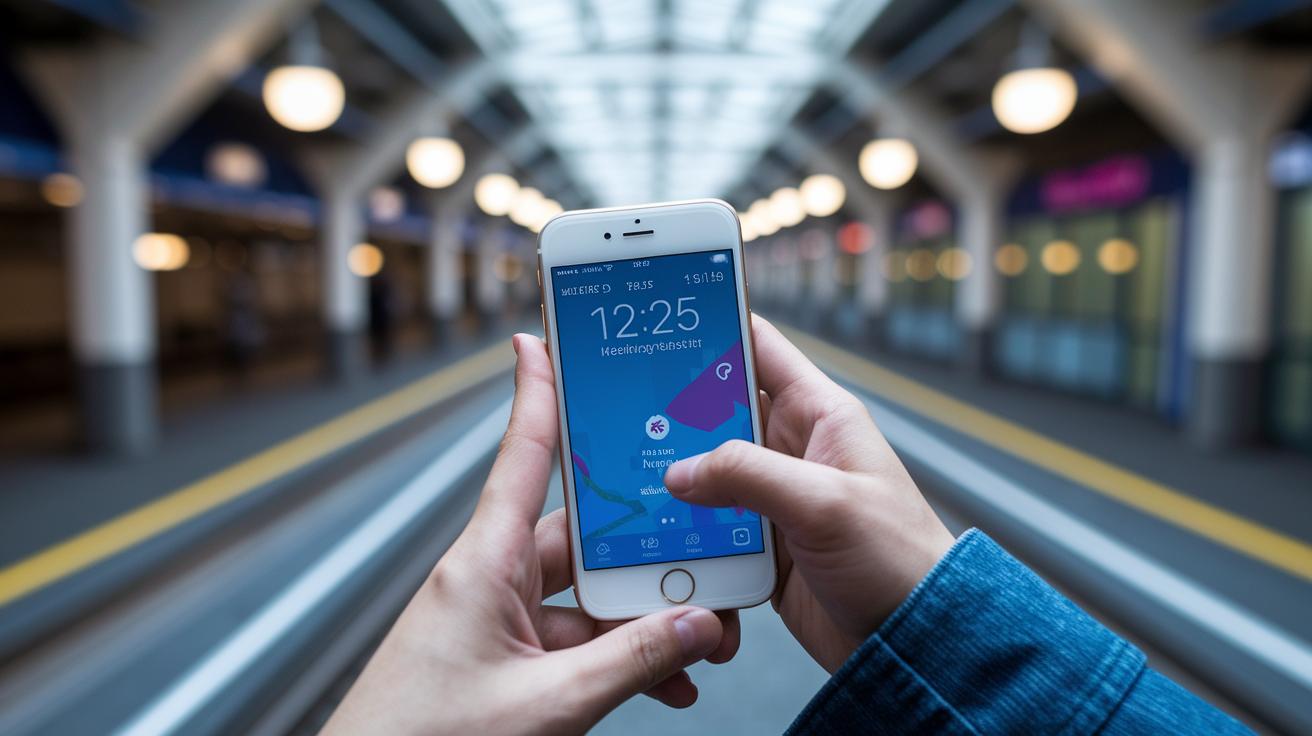
Travel apps are like friendly guides for anyone exploring the world. They give you real-time updates and interactive maps so you never miss a beat, whether you’re hopping on a bus or catching a train. With a good app at your side, planning your trip is a breeze, you can even buy tickets right from your phone. Picture checking your app and knowing exactly when your ride is coming. It's almost like having a personal travel buddy in your pocket.
- Google Maps: This is your go-to tool for walking and transit directions anywhere in the world. Its simple design makes exploring new cities fun and easy.
- Citymapper: Perfect for big cities, this app gives you up-to-the-minute updates and smart routing plans, letting you see all your transit options at once.
- Moovit: Thanks to crowd-sourced tips, this app lets you know estimated arrival times and alerts about any sudden changes.
- Local Transit Authority App: With this app, you can quickly buy tickets and get news straight from local transit services, keeping you in the know.
- Transit Tracker: This modern tool offers interactive maps and live tracking, so you get a clear look at your commute.
Don’t forget to look for offline map features too. They help keep your plans on track even when your internet is a bit shaky. Enjoy your adventure!
Customizing Your Overseas Transit Itinerary

Planning your travel route can feel like setting off on your very own mini adventure. Instead of sticking with just one mode of travel, try a mix, walking, catching a bus, riding a train, and even using rideshares, to keep things fresh and avoid retracing your steps. You can adjust your route on the fly if rush hour or unexpected delays pop up. Plus, plan your stops around local landmarks and neighborhoods that catch your eye for a deeper taste of the city.
• Choose the spots you just can’t miss
• Link up different travel methods like puzzle pieces
• Build in extra time for unexpected hiccups
• Take a quick test run to see if the route feels right
Follow these steps to create a travel plan that’s as unique as your journey. Enjoy making every trip your own!
Final Words
In the action, this article guided you through practical strategies for tackling foreign transit systems. It covered smart route mapping, using digital tools, and blending walking with metro and bus rides. We also touched on cost-saving tricks, cultural etiquette, and essential safety tips. With this insider guide to navigating public transport abroad, you now have the means to explore any city with confidence and ease. Get ready to discover hidden gems and enjoy every moment of your journey ahead.
FAQ
What are the benefits of planning public transit abroad in advance?
Planning public transit abroad helps save time, money, and energy by letting you choose optimal routes, blend walking with metro rides, and rely on trusted tools like Google Maps for accurate, efficient guidance.
How do I research and select the best transit apps for foreign urban travel?
Researching transit apps means finding ones with real-time updates, offline mode, and multi-city coverage. Tools like Google Maps, Citymapper, and Moovit offer reliable guidance for navigating international cities.
What cost-saving strategies can I use for international transit?
Cost-saving strategies include riding during off-peak hours, using prepaid or contactless cards, exploring day passes or discounts, and combining transit modes to reduce transfers—all of which help lower expenses.
How should I approach cultural etiquette and safety on public transit overseas?
Embracing local transit etiquette—like yielding seats and keeping calls quiet—ensures respect, while staying aware of pickpocket hotspots and checking safety guidelines helps keep you secure.
How can I tailor my public transit itinerary for a personalized travel experience abroad?
Customizing your itinerary involves blending walking, buses, trains, and rideshares, mapping must-see stops, scheduling buffer times, and aligning routes with local landmarks to create a unique travel plan.
What are the foundational steps for mastering public transit abroad?
Mastering transit abroad starts with mapping key stops, learning zone boundaries, checking service hours, downloading official maps, and noting station names to navigate efficiently and confidently overseas.