
Ever wonder if solo travel might be too risky? It might seem like a big gamble, but trust me, a little planning can make all the difference. After 12 years of exploring the world, I've learned that smart prep turns nerves into confidence.
In this guide, you'll find 84 simple safety tips that help you navigate busy airports, lively streets, and quiet back alleys. Ready to set off on your next adventure? Let's dive in and discover how you can travel bold and feel safe every step of the way.
essential guide to solo travel safety: Travel Boldly
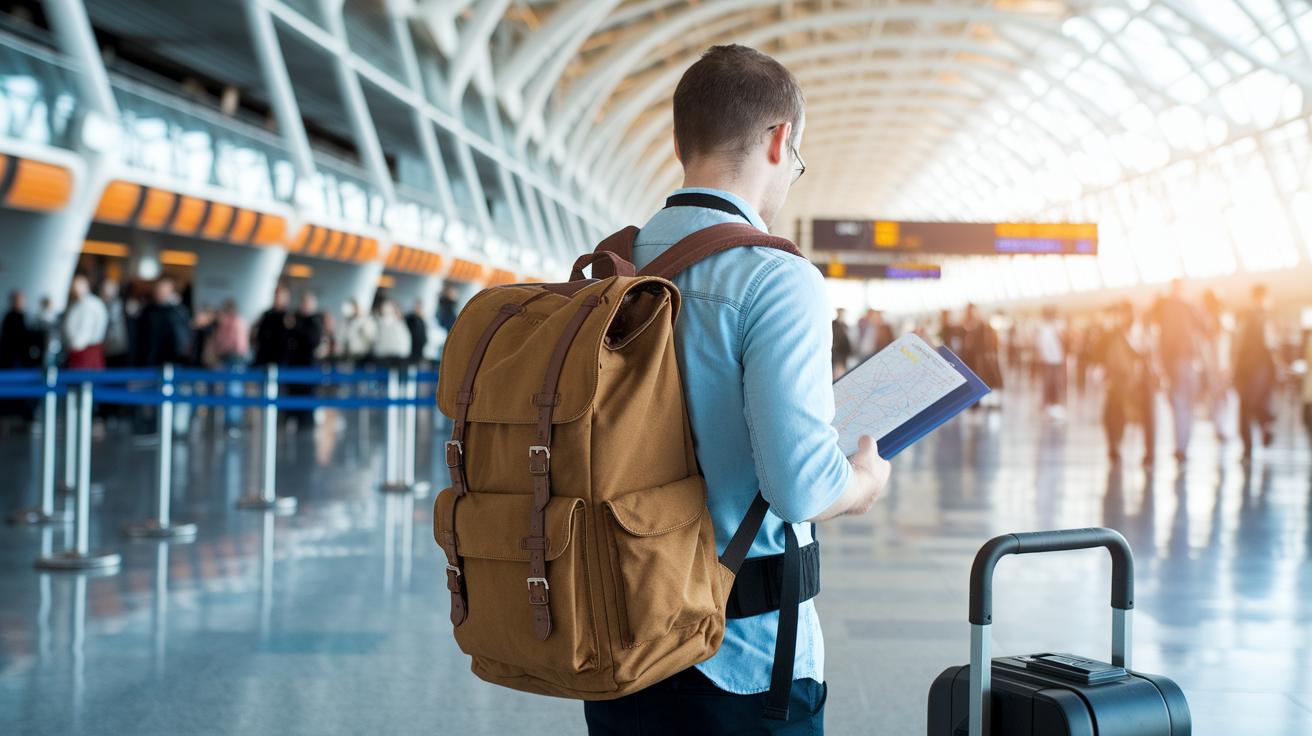
Travel safety is a broad subject that goes from doing research before you leave to staying cautious while you're on the go. After more than 12 years of international travel, I've learned that a little planning and a simple routine can really boost your confidence. I’ve gathered 84 handy safety tips to help you navigate busy airports, bustling city streets, and even those quiet hidden alleys. Think of planning your trip like setting up a perfect movie scene, every detail counts towards a safe and unforgettable experience. It’s not just about packing your bags; it's about knowing the risks and figuring out how to handle them.
Signing up for the US Department of State’s Smart Traveler Enrollment Program (STEP) is a super simple but valuable move. This program gives you real-time safety updates and emergency contact info, so you'll always be in the loop if things take an unexpected turn.
Staying aware and managing risks form the heart of safe solo travel. Keeping a sharp eye on your surroundings, asking locals for tips about safe spots, and planning your route carefully can cut down on potential problems. Little measures like having emergency contacts handy, blending into local customs, and checking the local news can make a big difference. The more you practice these safety habits, the more confident you’ll feel exploring new places. Traveling boldly means being prepared, staying alert, and taking every precaution to keep your journey safe and enjoyable.
Pre-Trip Planning Essentials for Solo Travel Safety
Before you head off on your solo adventure, take some time to do a little research. Look into local risks like hurricanes in Puerto Rico or earthquakes and tsunamis in Chile. Knowing these details helps you make smart, safe choices.
Once you’re aware of the hazards, shift your focus to health. Check if you need any vaccinations and have a quick chat with your doctor about any medicines or precautions. If you’re curious for more advice, you might want to check an expert travel health guide online. It’s also a good idea to pick up travel insurance that covers things like repatriation and medical evacuation.
Next, compare your travel plans with local health tips. Visit a travel clinic if you can to get any needed shots specific to your destination, and pack a small kit with basic medicines and first-aid supplies. Before you go, jot down the embassy contacts and local emergency numbers, and make both digital and printed copies of your travel documents. Keeping everything organized in a secure folder ensures that you’re prepared for any unexpected changes, so you can enjoy your journey with peace of mind.
Secure Accommodations: Solo Travel Safety in Lodging

When you're traveling on your own, picking a place to stay is as important as choosing where to eat a good meal. A well-chosen room not only makes you feel at home, but also helps keep you safe. It’s smart to check both the building’s layout and the neighborhood around it so that your lodging fits your needs and supports your solo adventures.
• Try to request a room on the second floor so you're not too close to street level.
• Look for solid deadbolts and chain locks on the door.
• Use the in-room safe or a portable lock to keep your items secure.
• Read reviews about the area to make sure it feels safe.
• Keep your valuables out of sight to avoid unwanted attention.
• Always let a trusted friend or contact know your booking details.
Talking with the staff and other guests about your needs can boost your sense of security. Setting these boundaries reminds everyone to treat you with respect, ensuring your stay feels friendly and safe. So next time you're checking in, share a little about what makes you comfortable and enjoy a truly worry-free travel experience.
Transportation Safety for Solo Travelers
When you're traveling alone, planning your transit routes can really make your journey smooth and safe. Whether you’re trying out a bus for the first time or grabbing a ride-share, it's smart to ask locals or your host about how safe the stops, stations, or neighborhoods are. Knowing your travel options can help you avoid surprises and choose routes that feel secure.
| Transit Mode | Key Safety Tip |
|---|---|
| Ride-Sharing | Hang out indoors while waiting and double-check the vehicle and driver details |
| Taxi | Agree on the fare before you start or confirm that the meter is running |
| Bus | Find a seat near the driver and keep an eye on the stops |
| Train | Stick to well-lit, busy platforms and ask locals or hosts for advice |
And don’t forget your reliable navigation apps! These nifty tools guide you step-by-step and alert you to any changes along the way. It’s almost like having a friendly local by your side, showing you the best, safest paths through a new city. Mixing technology with local tips means you can relax, enjoy the ride, and reach your destination safely.
Financial and Digital Security Practices

When you’re traveling on your own, keeping your cash and cards safe is a must. Try splitting your cash between different spots, like your wallet, a little hidden pouch under your clothes, and your backpack. It’s kind of like stashing your favorite treat in secret spots so you always have a backup if something goes missing.
When it comes to using your credit card, always pay right at the cashier or use a wireless credit card machine. This way, you’re not handing your card over to someone else to swipe, just like keeping your tasty snack locked away from prying hands. It’s a simple trick that helps you steer clear of travel scams and unexpected charges.
Online safety is just as important while you’re on the go. Stick to trusted websites and be extra careful on public Wi-Fi. Using a VPN is a smart move, it’s like putting on a disguise in a busy market so that your online activities and personal details stay hidden from nosy eyes. Also, avoid entering important information on unsecured networks and be careful about saving passwords on any public device.
And here’s a friendly tip: don’t share too much about your travel plans on social media. Keep your travel documents and boarding pass photos off your profiles so your personal details stay safe.
Emergency Response and Crisis Management Abroad
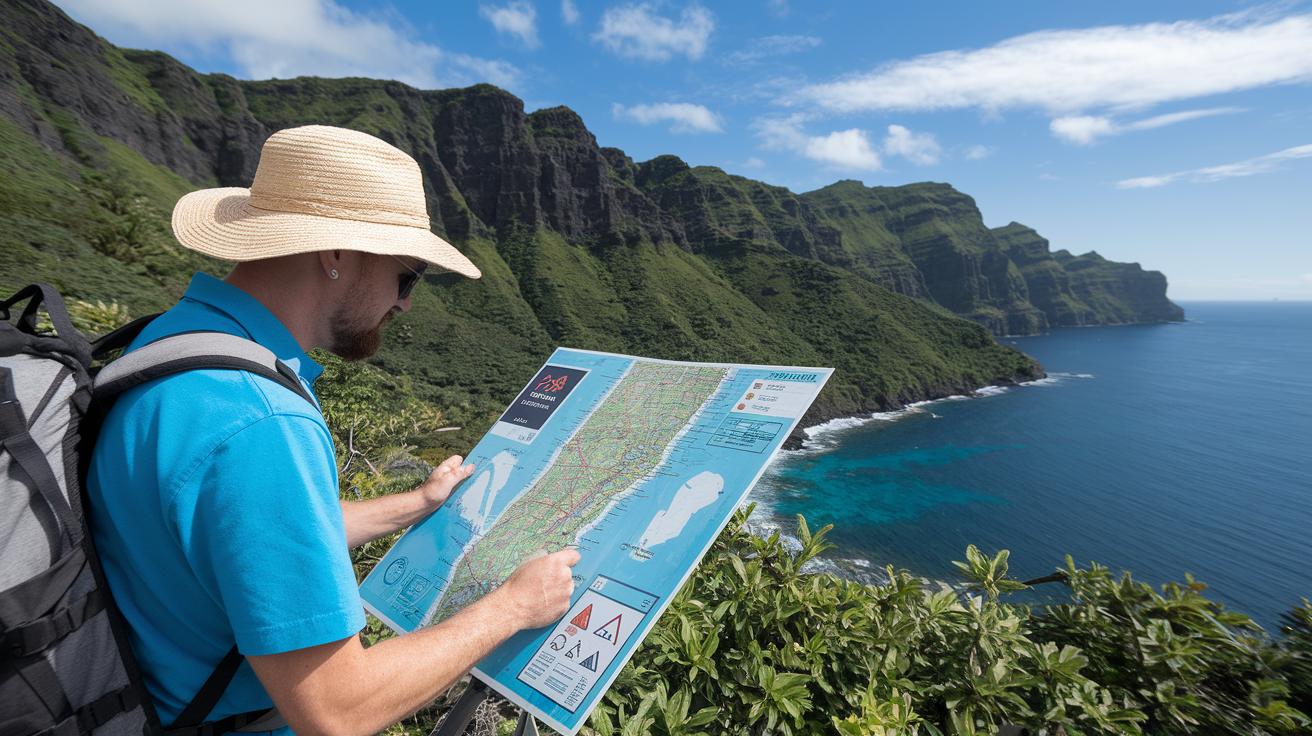
Before setting out on your adventure, take a moment to check out any local hazards. Look into what kind of natural events might happen in the area, maybe hurricanes in Puerto Rico or tsunamis along Chile’s coast. This simple step can really help you plan smart travel emergency steps.
Pack a small but useful emergency kit. Bring along a bit of water, some snacks that give you energy, basic first-aid supplies, and a portable charger to keep your phone running when you need it most. I like to think of this kit as your trusty travel buddy, ready to help in a pinch. It’s always a great idea to learn a few nearby evacuation routes and even sign up for local safety programs like STEP to stay updated in real time.
Make a basic crisis-management plan with clear ideas on how to exit quickly and how to keep in touch with a friend or family member. Set a meeting point and agree on some backup signals in case the usual ways of communicating go down. With these simple steps, you’ll be ready to handle any unexpected situation with calm and confidence.
Cultural Awareness and Local Intelligence for Safe Solo Travel

When you're traveling solo, local advice can be your best friend. Chat with locals or ask your host about safe neighborhoods, when it’s best to travel, and those hidden spots that the guidebooks might miss. A little tip from someone who knows the area can really help you steer clear of trouble.
Language can be a bit of a hurdle on your journey. Try using a translation app or pick up a few basic phrases in the local language. Even a few words can make a big difference, letting you connect with locals and feel more at ease. It’s a simple trick that not only makes getting around easier but also builds trust with the people you meet.
Keep your eyes open for tourist traps, and try to blend in with the local crowd. Observing how locals behave and respecting their customs can save you from awkward situations. For more handy tips on avoiding pitfalls and getting the local etiquette down pat, check out the expert guide to cultural etiquette abroad.
Final Words
In the action, the blog covers everything you need for safe solo journeys, from pre-trip planning and secure accommodations to navigating transport and managing cash. It shares clear steps for building a crisis plan, registering for STEP, and respecting local customs.
This essential guide to solo travel safety shows that a bit of preparation goes a long way. Practical tips and insider insights empower you to explore confidently. Enjoy your adventures with peace of mind and a spirit of discovery.
FAQ
What is the essential guide to solo travel safety 2021?
The essential guide to solo travel safety 2021 outlines a range of practical tips built on years of travel experience, covering pre-trip planning, secure lodging, safe transportation, and emergency response to help keep solo adventurers protected.
How can I be safe traveling alone as a woman?
The advice for women traveling solo focuses on staying alert, choosing secure accommodations, using reliable transportation, carrying personal safety items, and keeping regular contact with trusted people to boost confidence and security.
What are recommended solo travel safety items?
The solo travel safety items include portable locks, personal alarms, secure document holders, and communication devices, all designed to protect your belongings and ensure quick contact with emergency help if needed.
What are some travel safety tips for solo travelers and beginners?
The travel safety tips for solo travelers suggest thorough pre-trip research, booking safe accommodations, planning secure transport routes, and maintaining situational awareness, making your journey smoother whether it’s your first adventure or a seasoned trip.
Who is the solo traveller?
The solo traveller is an independent explorer who values careful planning, personal safety, and cultural learning while navigating accommodations, transportation, and local customs to create memorable and secure travel experiences.