Itineraries
7-Day Japan Itinerary for First-Time Visitors Made Easy
A 7-day Japan itinerary for first-time visitors: Tokyo to Osaka with just two hotel changes. Get the route, transport tips, and what to skip.
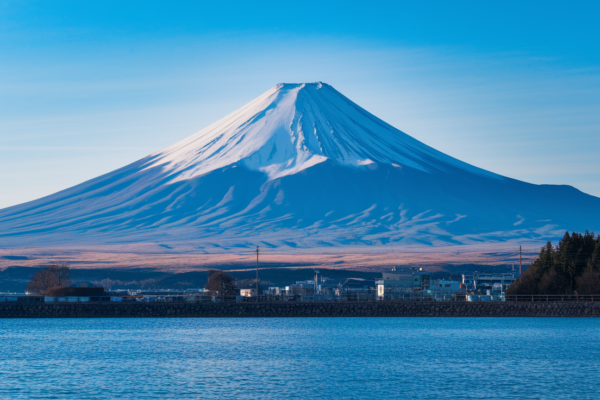
Think a week in Japan is too short?
Do the Golden Route right and you’ll see Tokyo, Mt. Fuji, Kyoto, Nara, and Osaka without backtracking.
This easy plan keeps just two hotel changes and moves east to west so you spend time wandering streets, not dragging bags.
You’ll get neon nights in Shinjuku, temple hush in Kyoto, and takoyaki by Dotonbori’s canal.
Read on for a day-by-day route, simple transport tips that save money, and what to skip when time is tight.
Complete One-Week Route From Tokyo to Osaka
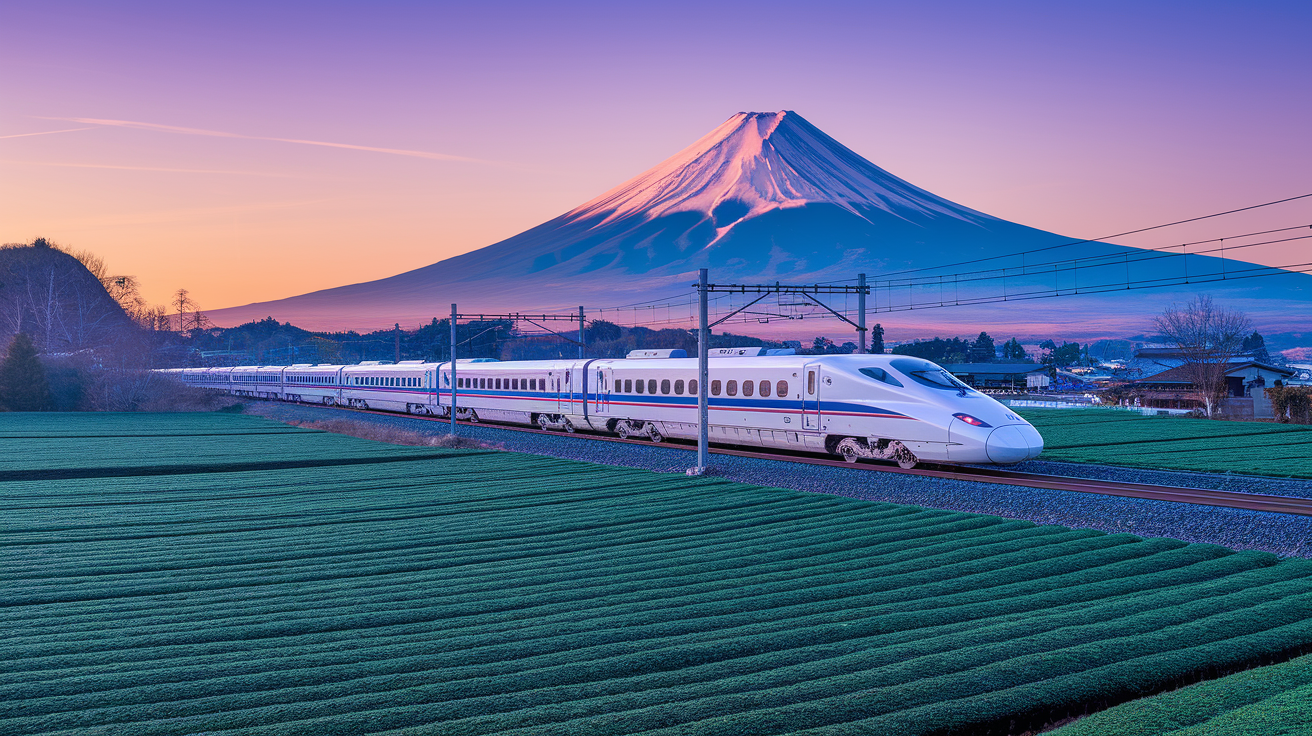
This Golden Route only moves one direction, east to west, so you won’t be backtracking across the country. You’ll start in Tokyo, swing out to Mt. Fuji, settle into Kyoto’s temples and alleys, make a quick side trip to Nara, and finish with one last night of neon in Osaka.
Here’s the overnight pattern: three nights in Tokyo, two nights in Kyoto, one night in Osaka. That’s just two hotel changes for the whole week, which keeps packing and unpacking to a minimum. This plan assumes you’re flying into Haneda or Narita and flying out of Kansai International Airport, an open jaw setup that saves you from doubling back to Tokyo at the end.
One thing to flag early. If your flight out of Osaka is in the morning or early afternoon, the full Day 7 schedule below won’t fit. You’ll either need to trim it down to a half day or add one more night in Osaka so you’re not racing to the airport with wet shoes and a half eaten takoyaki.
Day 1: Arrive in Tokyo and Explore Asakusa
After you land and check into your hotel, head straight to Asakusa for an easy first evening. Senso-ji, Tokyo’s oldest temple, anchors the neighborhood, and the approach through Nakamise shopping street gives you a gentle introduction to Japan’s mix of old and new. Grab a snack as you wander, then let the evening stay low key. Jet lag is real, and this is the one day built for a slower pace.
Day 2: See Classic and Modern Tokyo
Day 2 is where Tokyo shows its range. Start at Meiji Shrine, tucked inside a forested park that feels miles from the city noise. From there, walk into Harajuku for a dose of youth culture and quirky shops, then continue to Shibuya Crossing, the famous scramble intersection everyone wants a photo of. End the day in Shinjuku, where neon signs, department stores, and izakaya alleys give you a proper taste of urban Tokyo after dark.
Day 3: Visit Lake Kawaguchiko and Mt. Fuji
Today’s about swapping skyscrapers for mountain views. Head out to the Lake Kawaguchiko area, where Arakurayama Sengen Park gives you one of the classic postcard shots, Mt. Fuji framed behind a red pagoda. Spend time at Oishi Park along the lakeshore, and if conditions are right, add a short lake cruise for a different angle on the mountain. You’ll return to Tokyo for your third and final night there.
Day 4: Travel to Kyoto and Explore Southern Higashiyama
Leave Tokyo in the morning and arrive in Kyoto by early afternoon. Check into your hotel, or at least drop your bags, so you’re not hauling luggage around temple grounds. Spend the afternoon in Southern Higashiyama, starting at Kiyomizu-dera, then wandering down through Ninenzaka and Sannenzaka, two preserved lanes lined with shops and old wooden buildings. End in Gion as evening settles in, with its lantern lit streets and chance of spotting a geiko on her way to an appointment. Since Fushimi Inari stays open around the clock, this is a good day to visit it later, once the afternoon crowds have thinned out.
Day 5: Discover Arashiyama and Central Kyoto
This is a full day, so pace yourself. Start at the Arashiyama Bamboo Grove, where sunlight filters through impossibly tall stalks, then continue to Tenryu-ji and its peaceful garden, followed by a walk across Togetsukyo Bridge. From there, make your way to Kinkaku-ji, the Golden Pavilion, before heading to Nijo Castle with its historic “nightingale floors.” Wrap up the day with a meal stop at Nishiki Market, Kyoto’s answer to a local food street.
Day 6: Take a Nara Day Trip
Nara makes a worthwhile half day detour before you continue toward Osaka. Visit Todaiji first to see the Great Buddha housed inside one of the world’s largest wooden buildings, then wander through Nara Park, where friendly (and occasionally pushy) deer roam freely. Stop for lunch in Naramachi, the old merchant quarter, before finishing at Kasuga Taisha with its rows of stone lanterns. From Nara, continue onward for your overnight stay in Osaka.
Day 7: Finish With Osaka’s Food and Nightlife
Your last day is built around Osaka’s energy. Start at Osaka Castle Park in the morning while it’s still calm, then head to Kuromon Market for a food focused lunch stop. Spend the afternoon in Shinsaibashi for shopping, then let Dotonbori take over once the sun goes down, its canal side signs are best after dark. If you want one quieter moment before the trip wraps up, duck into Hozenji Yokocho for a last meal away from the crowds. Keep in mind, this full schedule works best with a late flight out of Osaka or an extra night, so plan accordingly.
Transport Plan for a 7-Day Japan Itinerary
(((alt-img2)))
For this specific route, buying individual Shinkansen tickets plus loading an IC card tends to beat the nationwide JR Pass. The math just doesn’t favor the pass here. You’ve only got one major bullet train leg (Tokyo to Kyoto), and the 2026 reference price for a 7 day Ordinary JR Pass sits around ¥50,000, with the Green Car version closer to ¥70,000. Compare that to an estimated ¥17,000 to ¥19,000 for the intercity tickets this itinerary actually needs, and the pass starts looking like overkill, unless you’re adding a long haul like Hiroshima. Local transport runs on a different system. Suica or another compatible IC card covers subways, buses, and most convenience store purchases. You can pick one up at the airport or at ticket machines in any major station, and it’s worth noting an IC card handles the
Final Words
You land in Tokyo, drop your bags, and move west along the Golden Route. Start with Tokyo’s temples and neon, take a clear-day detour to Kawaguchiko, then settle into Kyoto’s temples before a Nara day and an Osaka finale.
Overnights follow Tokyo (Nights 1–3), Kyoto (Nights 4–5), and Osaka (Night 6); add another Osaka night if your flight leaves earlier. This 7-day Japan itinerary for first-time visitors gives a tight, doable plan—pick your top sights, lock key reservations, and enjoy the journey.
FAQ
Q: What is the best one-week route from Tokyo to Osaka?
A: The best one-week route from Tokyo to Osaka follows east-to-west: Tokyo (Days 1–2), Lake Kawaguchiko (Day 3), Kyoto (Days 4–5), Nara (Day 6), and Osaka (Day 7), with nights in Tokyo, Kyoto, and Osaka.
Q: Can I fly into Tokyo and out of Osaka on this route?
A: Flying into Tokyo and out of Osaka works well; arrive via Haneda or Narita and depart Kansai International Airport, ideally as an open-jaw booking to avoid backtracking.
Q: Do I need a 7-day JR Pass for this itinerary?
A: A 7-day nationwide JR Pass is usually not cost-effective for this route; separate Shinkansen tickets plus an IC card usually cost less unless you add long westbound legs like Hiroshima.
Q: How should I handle luggage during the two hotel changes?
A: Use luggage-forwarding services or coin lockers to ease two hotel changes; keep a compact overnight bag for essentials and confirm delivery lead times before sending main bags.
Q: When should I reserve Shinkansen seats and what are Nozomi, Hikari, and Kodama?
A: Reserve Shinkansen seats once dates are fixed; Nozomi is fastest, Hikari a bit slower, and Kodama stops more often—reserve seats during busy periods and for oversized luggage.
Q: What is the recommended overnight pattern for the trip?
A: The recommended overnight pattern is Tokyo Nights 1–3, Kyoto Nights 4–5, and Osaka Night 6, requiring two hotel changes and the option to add an extra Osaka night if needed.
Q: Can I visit Fushimi Inari late on Day 4?
A: Fushimi Inari can be visited late on Day 4 because the shrine grounds are open around the clock, making an evening visit after arrival a practical plan.
Q: What’s the best way to see Mt. Fuji during the Kawaguchiko day?
A: The best way to see Mt. Fuji from Kawaguchiko is to plan clear-morning visits to Arakurayama Sengen and Oishi Park, include an optional lake cruise, and keep the day flexible for weather.
Q: Which neighborhoods are best to stay in Tokyo, Kyoto, and Osaka?
A: The best bases are Tokyo or Ueno for rail access, Kyoto Station for connections or Gion for atmosphere, and Namba for Dotonbori food or Umeda for major Osaka rail links.
Q: Is a late-evening flight required to finish the Day 7 schedule?
A: Finishing the full Day 7 plan requires a late-evening flight or an additional Osaka night; shorten Day 7 if your departure is a morning or afternoon flight.
Q: What should I pack for this one-week Japan trip?
A: Pack broken-in walking shoes, light layers, rain protection, compact luggage, a power adapter, medication documentation, and footwear that’s easy to remove for temples and ryokan.
Q: How can I navigate complicated stations like Shinjuku?
A: Navigating big stations like Shinjuku means matching line colors and station codes, confirming terminal destinations, following numbered exits, and allowing an extra 15–20 minutes for transfers.
Q: What are the food market timings and Osaka evening recommendations?
A: Tsukiji suits morning market breakfasts, Nishiki fits after Kyoto sightseeing, Kuromon works for lunch, and Dotonbori becomes most atmospheric after dark for lively food and nightlife.
Q: Are there onsen rules I should know for this route?
A: Onsen basics are to wash fully before entering, not wear swimwear unless allowed, keep towels out of the water, tie up long hair, and check tattoo policies or private-bath options.
Q: How should I arrange mobile internet—eSIM, physical SIM, or pocket WiFi?
A: Choose an eSIM for quick setup if your device is unlocked, a physical SIM for longer solo use with compatibility checks, or pocket WiFi for multiple devices, and arrange pickup before arrival.
Q: What should I book in advance for this itinerary?
A: Book flights, central hotels, Tokyo–Kyoto Shinkansen seats during busy dates, timed attractions, tea ceremonies or ryokan meals, and any special restaurants well in advance.
More from Politics
 Destinations
Destination Events: Unforgettable Gatherings Await Every Planner
 Destinations
Budget Honeymoon Destinations: Romantic Escapes Without Overspending
 Destinations
Family Friendly Vacation Destination: Joyful Memories Await Everyone
 Destinations