Destinations
48-hour Rome Bucket List: Your Perfect Itinerary
48 hours in Rome, done right. Timed stops, rough costs, and quick transit for Colosseum sunrise to Trastevere sunset. Your bucket list itinerary awaits.
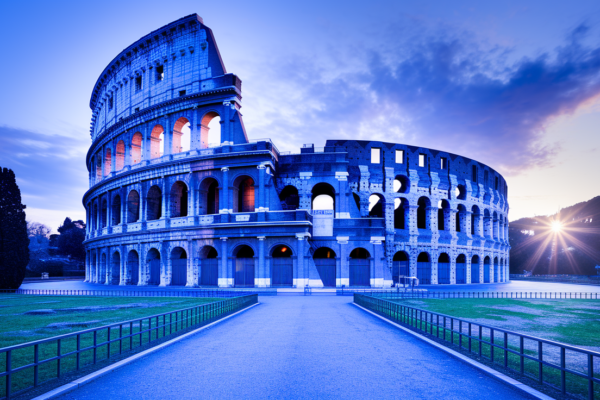
Think 48 hours in Rome isn’t enough? Think again.
Split the city in two, Ancient Rome and the Vatican side, and you can cover the Colosseum at sunrise, wander the Forum, toss a coin at Trevi, and still catch sunset from Trastevere without running yourself ragged.
This step-by-step bucket-list itinerary gives timed stops, rough costs, and the rapid transit between zones so you waste less time and more on the moments that matter.
Follow it and you’ll leave feeling like you actually lived Rome, not just checked boxes.
Two Days in Rome: Essential Stops, Timing, and Costs
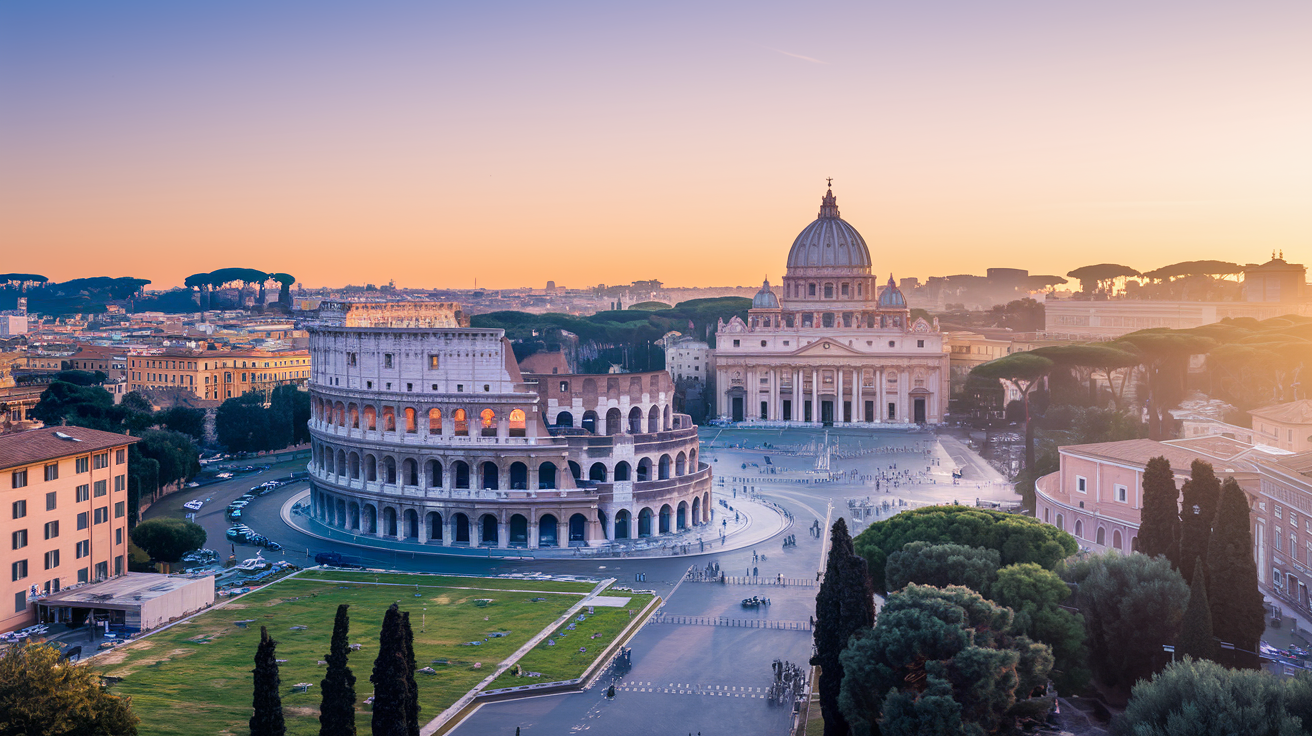
The smartest way to tackle Rome in 48 hours? Split the city geographically instead of bouncing back and forth across town. Day 1 stays on the Ancient Rome and historic center side, covering the Colosseum, Roman Forum, Palatine Hill, Capitoline Hill, Centro Storico, and Trastevere. Day 2 shifts west to Vatican City and the Tiber riverbanks, covering the Vatican Museums, Sistine Chapel, St. Peter’s Basilica, Castel Sant’Angelo, and one optional final stop like the Borghese Gallery or a sunset viewpoint.
This split matters more than it sounds like it should. Rome’s big sights cluster tightly in two zones, and crossing between them multiple times in one day just burns hours you don’t have. Here’s the full timed plan.
| Day and Time | Stop | Priority | Suggested Duration | Reservation | Transition | Essential Action |
|---|---|---|---|---|---|---|
| Day 1, 08:30–10:30 | Colosseum | Essential | 2 hours | Timed reservation required | Metro Line B to Colosseo | Arrive 20–30 min early for security |
| Day 1, 10:30–12:30 | Roman Forum and Palatine Hill | Essential | 1.5–2 hours | Combined archaeological ticket | Walk from Colosseum exit | Prioritize central Forum path and one Palatine viewpoint |
| Day 1, 12:45–13:45 | Lunch in Monti | Flexible | 1 hour | None | Short walk uphill | Keep it quick to protect afternoon slots |
| Day 1, 14:00–14:30 | Capitoline Hill viewpoint | Optional | 30 min | None | Walk from Monti | Skip if running behind schedule |
| Day 1, 15:00–15:30 | Spanish Steps | Optional | 30 min | None | Walk or short taxi | Photos, then move on quickly |
| Day 1, 15:40–16:10 | Trevi Fountain | Essential | 30 min | None | 9–12 min walk from Pantheon area | Move through the crowd rather than wait at the rail |
| Day 1, 16:20–16:50 | Pantheon | Essential | 30 min | Timed admission sometimes required | 0.7 km walk from Trevi | Check current ticket rules before arrival |
| Day 1, 17:00–17:30 | Piazza Navona | Essential | 30 min | None | 350 m walk from Pantheon | Enjoy the fountains, grab gelato |
| Day 1, 18:00–21:00 | Viewpoint + Trastevere dinner | Essential | 2–3 hours | Dinner reservation recommended | Walk via Campo de’ Fiori and the river | Choose one viewpoint, don’t rush dinner |
| Day 2, 08:00–11:30 | Vatican Museums and Sistine Chapel | Essential | 3.5 hours | Timed reservation required | Metro Line A to Ottaviano | Book first available morning slot |
| Day 2, 11:30–12:30 | Exit museums, walk to St. Peter’s Square | Essential | 1 hour | Separate basilica security queue | Walk around Vatican walls | Don’t assume direct internal access |
| Day 2, 12:30–13:30 | St. Peter’s Basilica | Essential | 1 hour | None for basilica entry | Enter from the square | Dome climb is optional, adds 30–45 min |
| Day 2, 14:00–16:30 | Prati lunch, Castel Sant’Angelo, Tiber | Essential lunch, optional castle | 2.5 hours</td
Final WordsStart in the action: Day 1 runs Ancient Rome and the historic center, Day 2 covers Vatican City and the Tiber. Stick to the timed slots, expect 13–17 km of walking total, and keep the Colosseum, Forum/Palatine, Vatican Museums, Sistine Chapel, St. Peter’s, Pantheon, Trevi, Piazza Navona, and Trastevere as your anchors. Save this 48-hour Rome bucket list itinerary, book the Colosseum and Vatican time slots, pick one optional evening view, and enjoy two compact, unforgettable days in Rome. FAQQ: What’s the geographic strategy and best order to visit Rome in 48 hours?A: The geographic strategy places Ancient Rome and Centro Storico on Day 1, and Vatican City plus the Tiber area on Day 2. Follow the Colosseum → Forum → Monti → Trevi → Pantheon → Navona route Day 1, Vatican → St. Peter’s → Castel Sant’Angelo Day 2. Q: Which attractions require timed reservations and when should I book them?A: Timed reservations are required for the Colosseum and Vatican Museums; Borghese Gallery is strictly timed if chosen. Book 2–6 weeks ahead in high season, sooner for Borghese. Q: How long should I plan for the Colosseum, Roman Forum, and Palatine Hill?A: Plan roughly 1.5–2 hours for the Colosseum and another 1.5–2 hours combined for the Forum and Palatine to move through security and uneven archaeological terrain. Q: How much walking and overall distance should I expect each day?A: Expect about 7–9 km of walking on Day 1 and 6–8 km on Day 2, totalling roughly 13–17 km over two days depending on optional detours and viewpoint choices. Q: Can I visit the Vatican Museums and St. Peter’s Basilica in the same morning?A: You shouldn’t assume same-morning internal access: Vatican Museums and St. Peter’s Basilica have separate security unless your tour explicitly includes direct passage, so allow extra transfer and queue time. Q: What’s the easiest way to travel between clusters and which metro lines help?A: Use Metro Line B for Colosseo access and Metro Line A for Ottaviano (Vatican) and Spagna (Spanish Steps). Walk inside each cluster and use taxis for late evenings or if you’re tired. Q: When is the best time to visit the Trevi Fountain to avoid crowds?A: The Trevi Fountain is quietest early in the morning or late at night, so visit those windows for better photos and fewer people. Q: How do I decide whether to include the Borghese Gallery?A: Decide on Borghese by your energy and time: it’s a strict two-hour timed visit, costs extra, and is best for high-energy days; skip it to rest or spend more Vatican time. Q: How and when should I book Colosseum and Vatican guided tours if I want early access?A: Book guided early-access tours 2–6 weeks ahead in busy months; guided Colosseum tours often cost €35–€70 and Vatican guided tours €40–€90, offering priority entry and context. Q: What should I pack and prepare for a focused two-day Rome trip?A: Pack downloaded tickets and ID, restaurant bookings, offline maps, weather check, comfy shoes, refillable bottle, sun/rain gear, church-appropriate clothes, power bank, and luggage/transfer details. Q: How should I adapt the plan for mobility limits, families, or bad weather?A: Adapt by verifying accessible entrances, extending transfer times, cutting museums for kids, skipping the dome climb, favoring indoor options in heat or rain, and choosing one major optional activity. Q: Where are the easiest meal stops and what Roman dishes should I try?A: Eat Monti for lunch, espresso or gelato near the Pantheon, aperitivo by Campo de’ Fiori or Tiber, and dinner in Trastevere. Try carbonara, cacio e pepe, amatriciana, supplì, or Roman-style pizza. Q: How can I save money or where should I spend more on a two-day plan?A: Save by walking clustered sights and skipping paid viewpoints; spend more on timed admissions or one expert-led tour, and splurge on a well-located hotel or a memorable dinner. Q: What should I do if a delay disrupts my planned schedule?A: If delayed, prioritize keeping fixed reservations (Colosseum or Vatican) and drop the nearest optional stop rather than compressing every remaining visit to avoid rushing and extra queues. |
More from Politics
 Destinations
Destination Events: Unforgettable Gatherings Await Every Planner
 Destinations
Budget Honeymoon Destinations: Romantic Escapes Without Overspending
 Destinations
Family Friendly Vacation Destination: Joyful Memories Await Everyone
 Destinations