Itineraries
3-Day Seoul Food and Culture Itinerary That Delights
A 3-day Seoul food and culture itinerary that groups neighborhoods by morning, afternoon, and night, so every hour counts and nothing gets skipped.
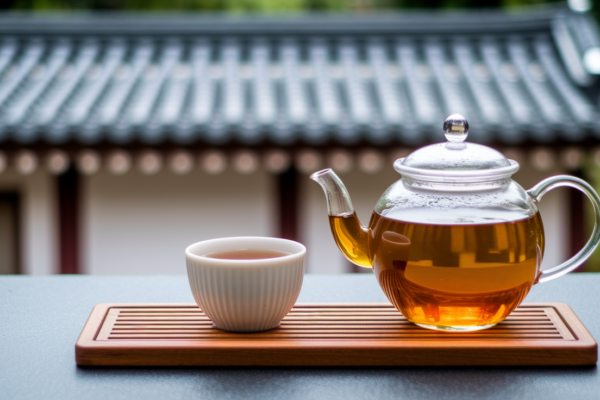
You can taste Seoul in 72 hours if you stop trying to see everything.
This three-day Seoul food and culture plan groups nearby neighborhoods so you won’t be crisscrossing the city between meals.
Mornings are for palaces and temple hush, afternoons for markets or a hands-on class, and evenings for food-forward neighborhoods, so follow the route to hit history, street-food smoke, and lively dinner spots without a spreadsheet.
If you only have one weekend, this plan makes every hour count.
Seoul Food and Culture Plan at a Glance
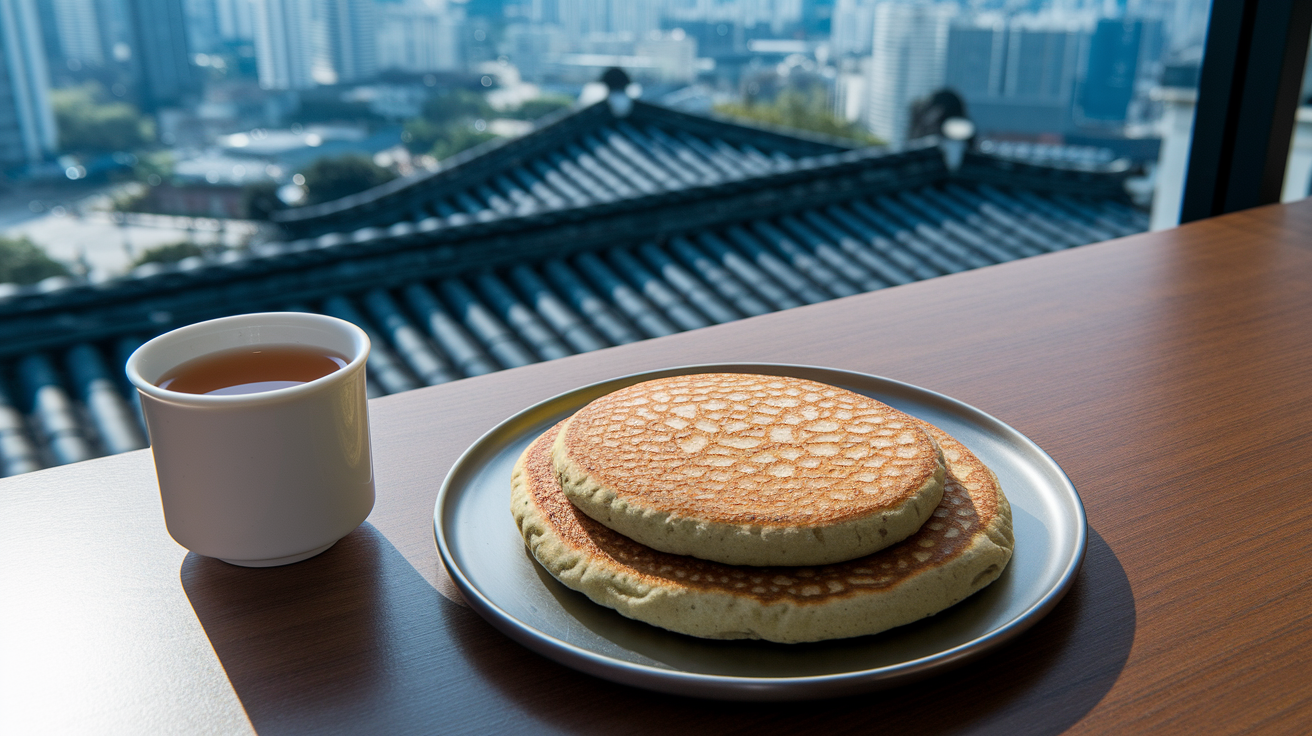
This 3-day Seoul food and culture itinerary works because it groups nearby neighborhoods together, so you’re not crisscrossing the city on three different subway lines before lunch. Think of it like packing a suitcase by category instead of tossing things in randomly. Each day moves in one general direction, which keeps your legs happier and your schedule tighter.
The idea behind this Seoul 3-day food itinerary is simple: history in the morning, markets or classes midday, food-forward neighborhoods by evening. If you’ve been hunting for a 72-hour Seoul food guide that doesn’t need a spreadsheet to make sense of it, here’s your day-by-day route, condensed into one table.
Below is the sample three-day route map, with times, traditional markets to explore, and a rough budget built in.
| Day and Neighborhoods | Nearest Stations | Morning Time Block | Afternoon Time Block | Evening Time Block | Signature Food Focus | Estimated Daily Budget | Booking Flag |
|---|---|---|---|---|---|---|---|
| Day 1: Gyeongbokgung, Bukchon, Insadong, Gwangjang Market | Gyeongbokgung, Anguk, Jongno 5-ga | 09:00–15:00 (Gyeongbokgung and Bukchon) | 15:00–17:00 (Insadong) | 17:00–19:30 (Gwangjang Market) | Bindaetteok at Gwangjang Market | KRW 40,000–80,000 | None required |
| Day 2: Cooking Class, Namdaemun, Myeongdong, N Seoul Tower | Hoehyeon, Myeongdong | 08:30–12:00 (Cooking class) | 12:30–18:30 (Namdaemun and Myeongdong) | 19:30–22:00 (N Seoul Tower) | Cooking-class kimchi | KRW 100,000–180,000 | Cooking class required |
| Day 3: Changdeokgung, Jogyesa, Ikseon-dong, Hongdae | Anguk, Jonggak, Hongik University | 09:00–12:00 (Changdeokgung and Jogyesa) | 12:30–16:30 (Ikseon-dong) | 17:30–21:30 (Hongdae) | Korean barbecue in Hongdae | KRW 60,000–130,000 | Huwon tour, tea or pottery workshop, premium dining required |
That booking flag column is just a heads up. For the actual windows, cancellation rules, and how far ahead to call, skip down to the practical section later in this guide.
One more thing before you lock this in. This route can flex for a tighter budget, slower mobility, dietary restrictions, or whatever season you’re landing in. Treat it as your starting shape, not a rulebook.
Pros and Cons of a 72-Hour Seoul Food and Culture Route
(((alt-img2)))
Three days gives you a genuinely broad first look at Seoul. You’ll walk through centuries-old palaces, taste your way through major markets, try a hands-on food experience, and still have energy left for a modern neighborhood at night. For a first visit, that’s a strong return on 72 hours.
But let’s be honest about the tradeoff. This pace asks a lot of your legs and your schedule. Full days, back to back stops, and almost no buffer time mean this route rewards stamina more than it rewards leisure.
Advantages
- Stops are grouped by neighborhood, so you’re not doubling back across the city between activities
- Three full days get used efficiently, with each one anchored around a clear geographic cluster
- The pace covers several major districts without forcing repeated long distance subway trips
Tradeoffs
- Expect repeated 20 to 30 minute walking segments between major stops
- Hanok lanes and hilly areas like Namsan involve uneven ground and inclines
- There’s little built in recovery time between activities, especially on Day 2
- Distant excursions outside Seoul don’t fit comfortably into this schedule
Here’s the honest math. A Mt. Seorak, Nami Island, and Garden of Morning Calm day trip runs about 14 hours total, and Mt. Seorak alone sits roughly 2.5 hours outside Seoul. That kind of day would replace most of Day 3 entirely, not stack on top of Changdeokgung and Hongdae.
So if regional scenery is your priority, swap a day rather than try to squeeze one in. But if your goal is Seoul’s food scene and city culture specifically, sticking with the city based schedule is the smarter move.
Day 1 in Historic Seoul: Palaces, Hanok Lanes, Tea, and Gwangjang Market
(((alt-img3)))
These four stops sit close enough together that you can walk, rather than ride, between most of them. Gyeongbokgung, Bukchon, and Insadong cluster around Anguk Station, and Gwangjang Market is a short subway hop away on Line 1. It’s one of the most efficient opening days in this entire 3-day Seoul food and culture itinerary.
- 08:30 – Collect a pre-arranged hanbok rental near Anguk or Gyeongbokgung and arrive before the palace gates open.
- 09:00–11:00 – Tour
Final Words
In the action, this 3-day Seoul food and culture itinerary groups nearby neighborhoods to cut subway transfers and unnecessary backtracking.
Day 1 moves through Gyeongbokgung, Bukchon, Insadong, and Gwangjang Market. Day 2 mixes a hands-on cooking class with Namdaemun, Myeongdong, and N Seoul Tower. Day 3 pairs Changdeokgung and Jogyesa with Ikseon-dong and Hongdae evenings.
Check the practical section for T-money, maps, budgets, and booking flags like Huwon and cooking classes. Use this 3-day Seoul food and culture itinerary as your action plan: pick your must-dos, lock time-sensitive bookings, and enjoy every bite.
FAQ
Q: Why does the 3-day Seoul food and culture route group nearby neighborhoods?
A: The route groups nearby neighborhoods to cut subway transfers and backtracking, so you spend more time eating and exploring and less time commuting between scattered stops.
Q: What are the main stations and time blocks for each day?
A: The main stations and time blocks are: Day 1 — Gyeongbokgung, Anguk, Jongno 5-ga (09:00–19:30); Day 2 — Hoehyeon, Myeongdong (08:30–22:00); Day 3 — Anguk, Jonggak, Hongik University (09:00–21:30).
Q: How much should I budget per day and for three days?
A: The daily budgets vary: Day 1 KRW 40,000–80,000; Day 2 KRW 100,000–180,000; Day 3 KRW 60,000–130,000 — three-day totals depend on your choices and upgrades.
Q: Which experiences need advance booking?
A: The experiences that need advance booking include Huwon tours, cooking classes, formal tea or pottery workshops, and premium dining; check the practical section for exact booking windows and procedures.
Q: What are the advantages and tradeoffs of a 72-hour Seoul plan?
A: The itinerary gives a broad first look with efficient neighborhood grouping, but it requires long days, repeated 20–30-minute walks, and leaves little room for distant day trips or long recovery time.
Q: What’s the Day 1 schedule and what should I order at Gwangjang Market?
A: Day 1 covers hanbok pickup, Gyeongbokgung, samgyetang, Bukchon, Insadong tea, and Gwangjang Market. Order bindaetteok, mayak gimbap, tteokbokki, mandu, and eomuk for a market sampler.
Q: What’s the Day 2 plan and key snacks to try?
A: Day 2 starts with a morning cooking class, then Namdaemun and Myeongdong, ending at N Seoul Tower. Try hotteok, gyeran-ppang, bungeo-ppang, grilled skewers, bingsu, and kalguksu.
Q: What’s the Day 3 plan and important etiquette at temples?
A: Day 3 pairs Changdeokgung and Huwon, Jogyesa, Ikseon-dong workshops, and Hongdae evening dining. At temples, speak quietly, dress modestly, avoid intrusive photos, and follow posted ceremony rules.
Q: How do I set up Seoul transport and maps before Day 1?
A: To set up transport and maps, buy a T-money card, add initial balance, keep cash for reloads, pick AREX or all-stop from Incheon, and save the six key stations in Naver or Kakao Maps.
Q: How far ahead should I reserve time-sensitive activities and what’s the booking order?
A: Reserve Huwon 1–2 weeks in high season, cooking classes 3–14 days, and premium restaurants 2–4 weeks. Book in this order: Huwon, cooking class, tea/pottery workshop, temple cuisine, premium dining.
Q: How can I order food without speaking Korean and handle allergies?
A: Use Papago and menu photos, point to items, and carry a Korean allergy card. Ask about seafood stock, shared grills, frying oil, and cross-contact before ordering to avoid surprises.
Q: What should I pack for three full days of walking and eating?
A: Pack comfortable shoes, refillable water bottle, compact umbrella, portable battery, small cash pouch, tissues, and a light layer for changing Seoul weather and long walking days.
Q: How can I personalize the itinerary for diet, mobility, or season?
A: Personalize by choosing one main interest, swapping temple cuisine or halal options for meat dishes, shortening Bukchon walks, using Namsan cable car, and moving outdoor activities to cooler or drier times.
Q: What are the biggest optional upgrades and why Day 2 costs more?
A: The biggest upgrades are cooking classes (KRW 60,000–120,000), tasting menus (≈KRW 120,000+), and private tours or premium workshops. Day 2 usually costs more because a cooking class adds a substantial fee.
More from Politics
 Destinations
Destination Events: Unforgettable Gatherings Await Every Planner
 Destinations
Budget Honeymoon Destinations: Romantic Escapes Without Overspending
 Destinations
Family Friendly Vacation Destination: Joyful Memories Await Everyone
 Destinations