Itineraries
10-Day Italy Driving Itinerary for Blissful Slow Travel
A 10-day Italy driving itinerary for slow travel. Unpack 3 times, not 10. Daily routes, distances, and parking tips included. Here's the plan.
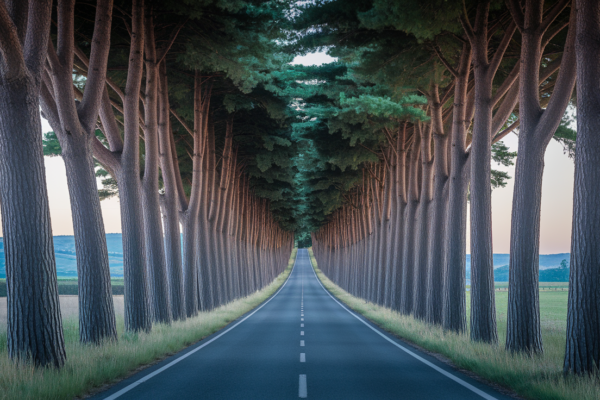
What if seeing more of Italy means slowing down?
Skip the hotel hop and the suitcase shuffle.
Unpack once in Florence, once in Val d’Orcia, and once in La Spezia.
This 10-day driving plan anchors you to three homes so you drive less and linger longer.
It gives a day-by-day route, driving distances, one meal idea, and the single parking rule you need each day.
You’ll learn what to skip, when to rest, and the easy next step to book this trip.
The Complete Route at a Glance
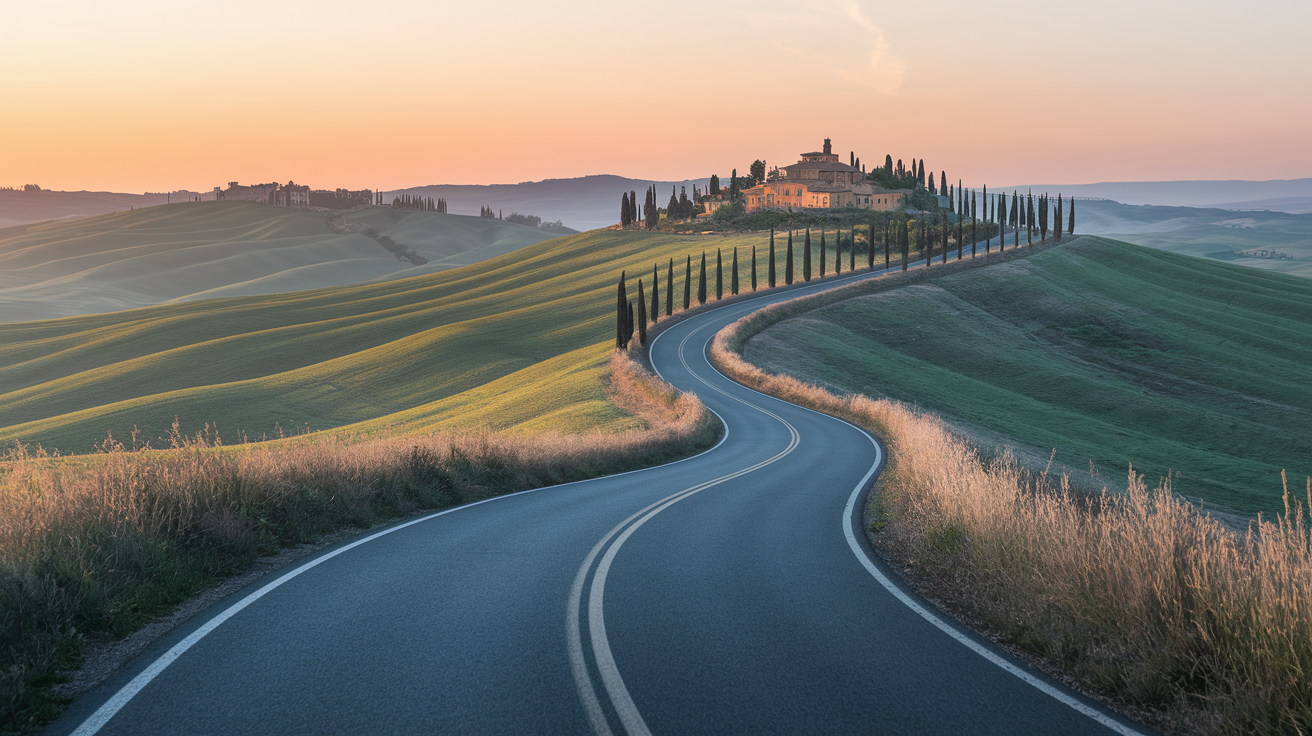
This itinerary runs on three overnight bases instead of a new hotel every night. You unpack once in Florence, once in Val d’Orcia, once in La Spezia, then let each spot anchor a few days of slow, unhurried exploring. No suitcase shuffle, no racing to check in before dark. Just three solid homes for 10 days on the road.
Here’s the day by day breakdown, with driving distances, top experiences, a meal idea, and the one parking or driving rule you really need to know for that day.
-
Day 1, Florence. Arrive, check into your base for the next three nights, and take a gentle walk around the Duomo or Piazza della Signoria. Driving today is minimal, usually under 10 km from the airport or train drop off. For dinner, look for a trattoria serving ribollita or bistecca alla Fiorentina. Central Florence sits inside a ZTL (limited traffic zone), so use pre booked hotel parking or an authorised garage. Don’t just wing it and drive into the centre.
-
Day 2, Florence. A full no drive day built around one reserved museum, like the Uffizi, followed by wandering through Oltrarno or settling into a quiet piazza. Grab lunch at a market stall or try lampredotto if you’re feeling adventurous. Leave the car parked. Today is entirely on foot.
-
Day 3, Florence (Chianti day trip). Expect a round trip of 30 to 60 km, around 45 to 75 minutes each way. Pick one village and one winery rather than cramming in three or four. Lunch at a winery or a small osteria serving Tuscan pasta works well here. Book tastings ahead, and remember the driver needs to go easy on the wine. Park outside the historic village centres, not inside them.
-
Day 4, Val d’Orcia or Siena. Transfer day, roughly 100 to 120 km and 1.5 to 2 hours. Siena or a scenic countryside viewpoint makes a good single stop along the way. Save room for pici pasta at dinner. Siena and the hill towns enforce ZTL zones too, so plan on peripheral parking.
-
Day 5, Val d’Orcia. Prioritize Pienza and Montalcino. Build in time for a relaxed pecorino lunch or one booked Brunello tasting, not both rushed into the same afternoon. Rural roads here are narrow and winding, so go slow and keep a designated driver in mind after any tasting.
-
Day 6, Val d’Orcia. Pair Montepulciano with a stop at Bagno Vignoni or simply build in a spa rest period. Pici, pecorino, or a wild boar ragù are all solid choices for a meal. Hill town parking usually sits outside the historic centre, so be ready for a bit of a walk, sometimes uphill.
-
Day 7, La Spezia. The longest transfer of the trip, 210 to 230 km and 3 to 3.5 hours. Keep it to one optional stop at most. Once you arrive, Ligurian farinata, pesto pasta, or fresh seafood make a great welcome dinner. Expect motorway tolls and possible congestion, and reserve accommodation parking ahead of time if it’s offered.
-
Day 8, La Spezia (Cinque Terre). Take the train, not the car. Limit yourself to two or three villages, or one open hiking segment if trails are cooperating. Focaccia, pesto, and anchovies are the local flavors to chase. Don’t attempt to drive between the villages, and check trail and weather conditions before heading out.
-
Day 9, La Spezia (Lucca day trip). Roughly 150 km round trip, about an hour each way. Walk or cycle the city walls, then wander the historic centre at your own pace. Tordelli Lucchesi makes a satisfying lunch. Park outside the walls and avoid driving into Lucca’s ZTL.
-
Day 10, Depart for Florence. The return trip is about 150 km and 2 to 2.5 hours before traffic, stops, or fuel. Keep breakfast simple and skip adding extra sightseeing. Budget 30 to 60 minutes for refuelling and returning the rental car, then aim to reach the airport at least 2 to 3 hours before your flight. If you’ve got an early flight, it might be worth spending your last night closer to Florence instead of pushing the whole drive that morning.
Each three night base leaves room for at least one drive free or lightly scheduled stretch, so the pace never feels like a checklist.
Why These Three Bases Connect Efficiently
(((alt-img2)))
Florence works as your arrival hub and opens the door to Chianti without much fuss. From there, Val d’Orcia sits south and lets you consolidate all of southern Tuscany into one single base. No need to keep moving hotels as you chase hill towns and wineries. La Spezia then picks up the thread, giving you rail access into Cinque Terre and road access to Lucca, before you loop back north to Florence for departure.
The real advantage here is what you don’t have to do. No daily hotel changes, no backtracking across the region to pick up something you missed. Most outings from each base work as compact loops or quick rail hops, which keeps the logistics simple and the driving distances reasonable, usually somewhere between 100 and 230 km between bases.
Timing matters too. Spring and autumn tend to offer the most comfortable driving conditions in Tuscany, with milder temperatures and manageable traffic. Summer brings heat, heavier coastal traffic, and tighter parking competition, especially around Cinque Terre. Winter quiets things down considerably, though you’ll trade that peace for shorter daylight hours and reduced coastal train and ferry services.
Practical Rules for Pacing, Weather, and Rest
(((alt-img3)))
Here’s the real trick to slow travel. Reserve only one timed attraction or tasting per day. Cap your schedule at one or two priorities, max, and protect at least an hour for lunch or a café break with zero agenda attached. Keep one half
Final Words
Three bases, Florence, Val d’Orcia/Siena, and La Spezia, keep hotel changes to a minimum and give you easy loops and rail trips.
The day-by-day plan pairs short drives, mostly 1-3 hours, with one or two priorities, local meals, and clear parking or ZTL warnings, plus a zero-drive half-day at each base.
This 10-day Italy driving itinerary for slow travel covers practical distances, parking tips, and seasonal notes, so book parking in writing, limit one timed visit per day, and avoid unfamiliar roads after dark.
Pack light, book those three-night stays, and enjoy slow days. It’s realistic and worth it.
FAQ
Q: How many overnight bases does this 10-day Italy driving itinerary use and where are they?
A: The itinerary uses three overnight bases: Florence (nights 1–3), Val d’Orcia or Siena countryside (nights 4–6), and La Spezia (nights 7–9), keeping travel compact and reducing hotel changes.
Q: What are the typical driving distances and total kilometers for the route?
A: The route features inter-base drives of about 100–230 km and local loops under 60 km; total driving is roughly 700–1,100 km, with most transfers taking 1.5–3.5 hours.
Q: What driving restrictions and parking warnings should I know for Florence and hill towns?
A: ZTL restricted-traffic zones cover central Florence, Siena, and many hill towns; arrange hotel ZTL registration or authorised garages, expect peripheral parking, and prepare for steep walks from parking areas.
Q: Should I drive through the Cinque Terre villages or use the train?
A: You should use the train for Cinque Terre rather than driving; limit visits to two or three villages or a single hiking segment, and check trail and weather conditions before you go.
Q: How should I plan wine tastings while driving through Chianti and Val d’Orcia?
A: Plan wine tastings by booking ahead, limiting to one reserved tasting per day, and ensuring a sober designated driver or hired transfer for the return to avoid driving under the influence.
Q: How should I pace each day to avoid rushing and stay refreshed?
A: Pace days with one or two priority activities, protect at least one hour for lunch or a café break, and keep one zero-drive half-day per three-night base for walking, pool time, or a spa rest.
Q: How can I swap activities when the weather changes without changing hotels?
A: You can swap activities by trading coastal or exposed plans for inland or sheltered options within the same three-night base, and check trail, road, and opening-hour status the evening before.
Q: What accommodation and parking tips should I follow for each base?
A: Book each three-night stay early and confirm parking in writing; expect Florence central rooms €90–€220 often without on-site parking, Val d’Orcia agriturismi €100–€250 with parking, La Spezia €90–€220 near the station.
Q: How much time should I allow on the final day for the drive back to Florence and rental return?
A: Allow about 2–2.5 hours driving back to Florence, plus 30–60 minutes for refuelling and rental-car return, and arrive at the airport at least 2–3 hours before your flight.
Q: Are motorway tolls and congestion likely on the longer transfers, and how should I plan for them?
A: Motorway tolls and congestion are likely on longer transfers, especially toward La Spezia; factor extra time, carry coins or a toll card, and reserve accommodation parking in advance.
More from Politics
 Destinations
Destination Events: Unforgettable Gatherings Await Every Planner
 Destinations
Budget Honeymoon Destinations: Romantic Escapes Without Overspending
 Destinations
Family Friendly Vacation Destination: Joyful Memories Await Everyone
 Destinations