
Ever thought about how a few simple health checks could make your trip a whole lot smoother? This friendly guide is your go-to for smart travel health tips that help you dodge any unexpected bumps along the way. Imagine being able to sidestep common illnesses with a little help from tips on vaccinations and advice from trusted sources. We break down easy, practical steps so you can relax and soak in all the new places and cultures waiting for you. Ready to pack your bags for a safe, worry-free adventure?
Essential Travel Health Precautions for International Journeys
When you're setting off on an international adventure, it’s a smart idea to plan for your health. Believe it or not, up to 79% of travelers visiting developing countries might face some travel-related illnesses. A little preparation can make your journey smoother and let you focus on the fun parts of travel.
Before you head out, take some time to get informed. Check reliable sources like CDC.gov to learn about any diseases common in the area you're visiting. Make sure your vaccinations are current and pack any essential medications you might need. Also, have a game plan for keeping clean on the go and know what to do in an emergency.
Here are some friendly tips to keep in mind:
- Disease research (check CDC.gov) – Look into local health risks before you leave. For example, have a peek at the CDC website to see if there are any recent outbreaks.
- Vaccination and medication checklist – Double-check that your immunizations are up to date and bring enough medicines for the trip.
- Travel advisories and embassy registration – Register with your embassy and keep an eye on travel advisories so you’re instantly alerted to any updates.
- Hydration and food safety – Bring plenty of water along and choose meals that are well-cooked to avoid any food-related issues.
- Sun protection – Pack a high-SPF sunscreen, a hat, and sunglasses to protect yourself from harsh sunrays.
- Good hygiene habits – Wash your hands regularly and carry a sanitiser, especially in busy places.
- Emergency contacts – Save local emergency numbers before you travel, so you know who to call if you ever need help.
A little extra planning now can keep your trip fun and hassle-free. So, get ready, stay safe, and enjoy every exciting moment of your adventure!
Pre-Trip Medical Preparation and Global Risk Assessment
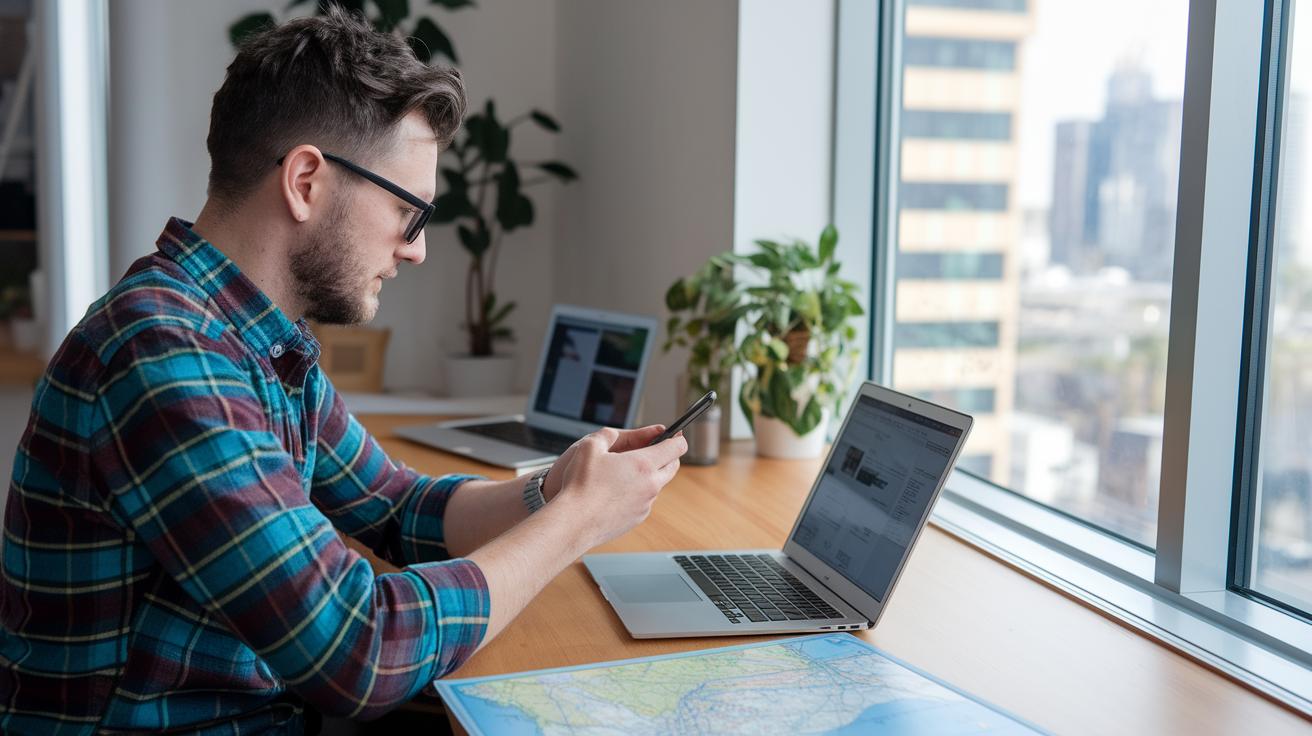
Destination Research and CDC Updates
Before you set off on your adventure, it's a smart idea to check out what health issues might be waiting for you. Look up CDC and WHO updates to see if any diseases like dengue or Zika are on the rise. That way, you can tweak your plans or take extra care. Staying in the loop with these updates helps you know exactly what to expect and keeps you ready for anything.
Personal Health Screening
Take a moment to review your own health before you travel. Look over your medical history, current medicines, and any allergies you have. For instance, if you know you're a bit sensitive, packing an extra dose of antihistamines might come in handy. Knowing your own health details means you can pack the right medications and feel confident on your journey.
Professional Consultation
Make sure to book a chat with your doctor a few weeks before you travel, whether in person or over telehealth. This is the perfect time to talk about any needed vaccinations, like shots for malaria prevention, and to check if your current medicines will work well with any new ones. Starting this conversation about six weeks ahead gives you plenty of time to get any updates in place, so you can kick off your trip feeling safe and ready for the road.
Comprehensive Vaccination Advisory for Safe Exploration
Getting your shots is one of the simplest ways to stay healthy while traveling. They help your body build a shield against common illnesses and those specific to the places you visit. It’s smart to get vaccinated at least 4 weeks before you leave so your body has plenty of time to gear up.
Routine Immunizations
Routine vaccines are like your travel must-have items. They include common shots like the MMR (measles, mumps, rubella), Tdap (tetanus, diphtheria, pertussis), influenza, polio, and pneumonia vaccines. If you’re due for a booster, now is a great time to get it. These vaccines protect you everywhere you go and even help keep public spaces a bit safer for all of us.
Destination-Specific Vaccines
Depending on where you are headed, you might need extra vaccines to guard against local health risks. For example, travelers to parts of Latin America or Africa might need hepatitis A, hepatitis B, typhoid, yellow fever, or meningococcal shots. In Southeast Asia, Japanese encephalitis along with hepatitis B might be recommended, and in the Middle East, an updated polio vaccine and meningococcal protection may be advised. Always check the local health guidelines and have a quick chat with your doctor about what you might need.
| Region | Vaccine | Recommended Timing |
|---|---|---|
| Sub-Saharan Africa | Yellow fever, Meningococcal | ≥4 weeks pre-trip |
| Latin America | Typhoid, Hepatitis A | ≥4 weeks pre-trip |
| Southeast Asia | Japanese encephalitis, Hepatitis B | ≥6 weeks pre-trip |
| Middle East | Polio, Meningococcal | ≥4 weeks pre-trip |
| Caribbean | Hepatitis A, Tdap | ≥4 weeks pre-trip |
For extra peace of mind, consider using CDC tools and simple scheduling apps to keep track of your vaccination dates. Safe travels and keep exploring with confidence!
Packing an Emergency Travel Health Kit
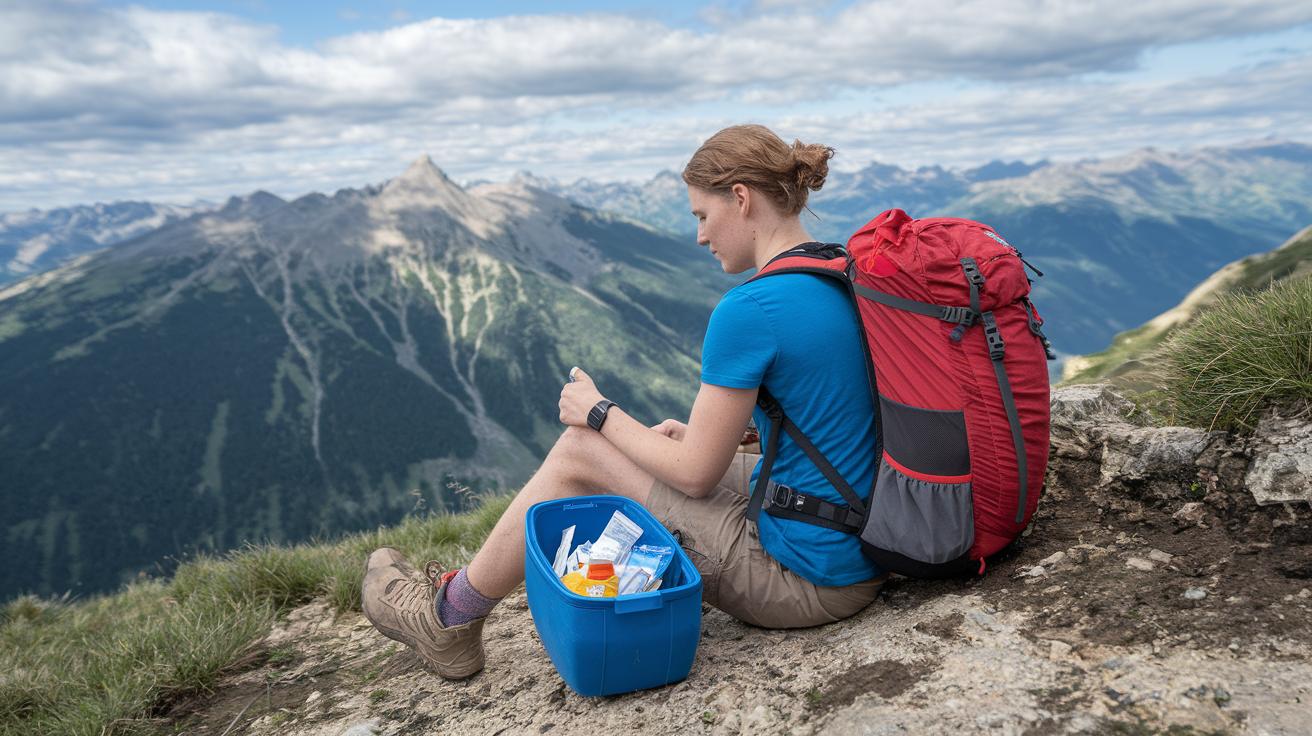
Traveling means you never know what you might need, and sometimes the local pharmacy just doesn’t have the brands you trust. It’s smart to pack your own little health kit so you’re ready for any minor mishaps on your adventure.
-
Medications
- Acetaminophen – a go-to for quick pain relief
- Ibuprofen – great for easing aches and calming inflammation
- Antidiarrheal agents – handy for handling stomach upsets
- Antihistamines – perfect for unexpected allergy surprises
- Oral rehydration salts – essential to keep you hydrated when you’re under the weather
-
Sun & Bite Protection
- Broad-spectrum sunscreen (SPF 30+) – protects your skin from harmful rays
- Insect repellent like DEET or Picaridin – keeps those pesky bugs at bay
-
Wound Care
- Adhesive bandages – ideal for small cuts and scrapes
- Antiseptic wipes – effective for cleaning up any little wounds
- Sterile gauze – helps cover injuries and keeps them protected
-
Tools & Documentation
- Copies of prescriptions – super useful if you need to replace medications
- A digital thermometer – helps you keep a close eye on your health
It’s a good idea to keep your kit organized using clear, labeled pouches so you can grab what you need in a hurry. Pack it in your carry-on bag to have it within reach at all times, and make sure every item is labeled so you always know what’s inside. This simple setup not only makes your trip safer but also gives you that extra boost of confidence when local options might be limited.
Explorer Wellness Recommendations and Preventive Care Tips
Let’s talk about boosting your overall well-being with some fresh ideas. Imagine starting your day with a creamy yogurt parfait packed with probiotics, giving your gut a little extra love.
Picture fueling your adventure with a mix of crisp fruits, crunchy veggies, and lean proteins, like grabbing a wholesome road trip snack that leaves you energized for the journey ahead.
And don’t forget your sleep. Think of each night as a vital pit stop where your body recharges after a busy day of exploring.
- Add probiotics to your daily routine to keep your gut happy.
- Enjoy a balanced meal full of fresh, nutritious ingredients.
- Get plenty of sleep so you wake up ready for your next adventure.
Destination-Specific Health Warnings and Safety Guidelines
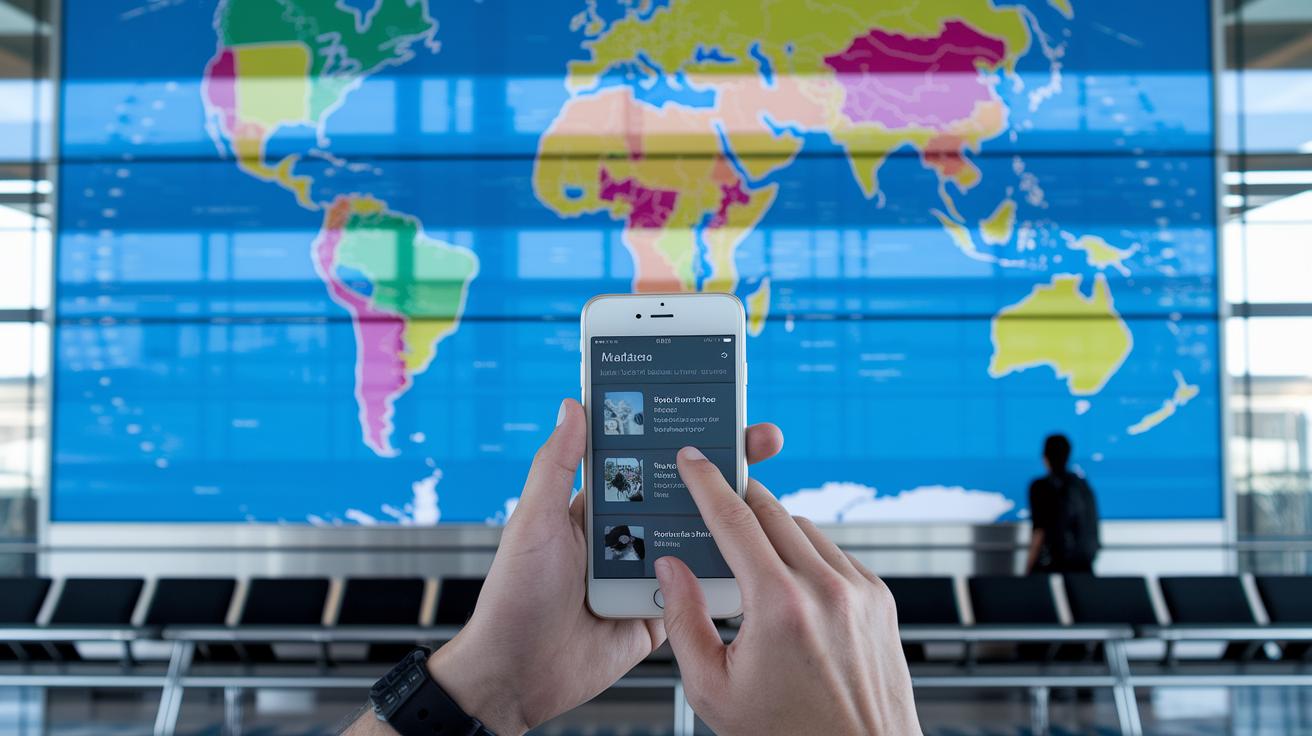
When you’re traveling in Africa and sub-Saharan areas, keep in mind that malaria is a year-round worry. It pays off to check local travel advisories before you head out. And if a doctor says you should, taking preventive medication really helps. I always say, staying updated with trusted health sources is like having a safety net on your adventure.
In the Asia-Pacific region, particularly across Southeast Asia, there’s been a small comeback of malaria. Things can change pretty fast in these areas, with outbreaks popping up when you least expect them. So, it’s a good idea to watch local health news and ask local experts for advice to stay protected.
Over in Latin America, dengue fever is something to look out for, especially from May to November when mosquitoes are most active. Use a reliable insect repellent and wear protective clothing to ward off bites. Checking live outbreak alerts can really help you enjoy the vibrant atmosphere without any extra worries.
In the Middle East and North Africa, recent cholera outbreaks in Yemen remind us to stay cautious. Water and food can sometimes carry infections that turn serious quickly. I recommend signing up for the U.S. Smart Traveler Enrollment Program (STEP) and following updates from your local embassy to keep you informed throughout your trip.
Emergency Protocols, Documentation, and Insurance Guidance
Medical Records & Digital Documentation
Before you set off on your adventure, take a moment to secure your important documents. Keep both digital and paper copies of your vaccination records, insurance policies, prescriptions, and emergency contacts. Scan your documents and save them on a secure cloud service or a trusted USB drive. For instance, you might protect a PDF version of your immunization card on your phone with a password. This way, you’ll always have your essential details handy, even if you misplace the paper copies.
Travel Insurance Essentials
Picking the right travel insurance is key. Look for a policy that covers things like medical evacuation, repatriation, and round-the-clock telemedicine help. It’s a good idea to read all the fine print, check for any limits or exclusions, and ensure your coverage is set well before you travel. For example, if your plan includes repatriation, you can relax knowing that urgent care and even a ride back home are covered when needed. This extra step can give you peace of mind on your journey.
Crisis Response Planning
It’s smart to plan for unexpected health issues like food poisoning or altitude sickness. Start by familiarizing yourself with local emergency numbers, such as 112 or 999, and create a simple plan for quick action. First, note the symptoms you should watch for. Next, find out where the nearest urgent care center is. Finally, know who to call if things take a turn for the worse. A clear, step-by-step plan can be a real lifesaver when every minute counts.
Remember, keeping your documents safe and choosing the right travel insurance are two pillars that help keep you secure and confident while you're exploring new places.
Digital Tools and Services for Traveler Health Support

Telehealth services are a modern lifeline for travelers. They let you reach board-certified doctors any time you need, whether you’re planning before your trip or need quick advice in the middle of your adventure. Imagine you're hiking in a remote area and you suddenly have a question, just one tap connects you to expert help. It’s a comforting way to get detailed advice that might even help you adjust your plans on the fly.
Mobile apps are also a big help when you're on the go. They let you check your symptoms fast, remind you about vaccines, and even alert you to any local health risks. Plus, with medical translation apps, language barriers become a thing of the past. Some membership platforms go even further by offering services like medevac or security advice in high-risk areas. Think of it like getting a timely SMS alert about a health threat, so you can take precaution and keep exploring safely.
Final Words
In the action, this article mapped out essential travel health precautions, from researching diseases and scheduling pre-trip doctor visits to packing an emergency kit and tapping into digital health tools. It explained how vaccination, hygiene, and proactive planning secure a worry-free journey. Remember, using an expert guide to travel health precautions means you’re setting the stage for a safe and energizing adventure. Embrace these clear, practical tips and enjoy every moment of exploring new cultures on your next getaway.
FAQ
How do CDC travel recommendations help with vaccines, guidelines, and warnings?
The CDC travel recommendations help by offering country-specific vaccine lists, updated travel guidelines, and safety alerts like measles outbreaks, so you can plan your journey with confidence.
What is the Oropouche travel health notice?
The Oropouche travel health notice informs you about regions with recent Oropouche virus cases, urging increased caution and highlighting the need for preventive measures when visiting those areas.
What is the Mpox travel health notice?
The Mpox travel health notice warns travelers about regions experiencing recent Mpox cases, recommending updates on local outbreaks, vaccination statuses, and extra precautions for personal safety.
How can I prevent illness when traveling?
Preventing illness when traveling means researching health risks, updating vaccinations, practicing good hygiene like regular handwashing, and adhering to food and water safety guidelines to protect your well-being.
What are the 5 W’s of travel planning?
The 5 W’s of travel planning—Who, What, Where, When, and Why—guide you in selecting companions, packing essentials, choosing destinations, scheduling trips, and setting travel goals for a well-rounded adventure.
What precautions should be taken while traveling?
Essential travel precautions include checking official travel advisories, staying current with vaccinations, practicing sound hygiene, planning for emergencies, and keeping informed about local health conditions.
Which countries are Americans warned not to travel to?
Travel warnings for Americans change frequently; it’s best to check the latest advisories from the CDC and the State Department for up-to-date information on destinations with elevated risks.