
Ever been stunned by a sky-high phone bill while traveling? It can really put a damper on your adventure when roaming fees sneak up on you. Our handy guide is here to help you dodge those extra costs so you can focus on enjoying your trip.
We’ll show you simple ways to stay connected. You can pick up a local SIM card, order an international card before you leave, or even use a neat eSIM that activates with a QR code. Imagine setting it up and being ready to share every moment of your journey without a worry.
After all, isn’t it great to explore a new place and not have unexpected expenses spoil the fun? Enjoy your travels and stay connected on your adventures with these easy tips.
Comprehensive Travel Connectivity Solutions for Global Travelers
Staying connected on your travels means keeping in touch with family, friends, or business contacts while you explore new places. It’s all about having simple, reliable options to call, text, and get online wherever you are. You can choose a basic prepaid SIM or try a modern eSIM that you easily activate with a QR code. For a deeper look at staying connected around the world, check out a trusted guide on international mobile access.
Traditional roaming from your home carrier can sometimes surprise you with high per-minute and per-megabyte fees. Instead, opting for international or local SIM cards lets you control your costs while keeping you online during your adventures.
- Grab a local prepaid SIM when you land
- Order an international prepaid SIM before you travel
- Use an eSIM that activates with a QR code or app
- Rent a portable Wi-Fi hotspot
When you compare costs, an international SIM or eSIM usually cuts your expenses compared to roaming fees. Most places offer dependable 3G or 4G service, though 5G might only be available in major cities. Plus, eSIMs can save you time, sometimes shaving off an hour per location or nearly half a day on a multi-stop trip. It's all about mixing affordability, solid coverage, and a quick setup so you can focus on enjoying your journey.
International SIM Cards vs Roaming and eSIM: Key Differences

Have you ever been startled by a phone bill after a trip? Traditional roaming with your home carrier can really surprise you with high fees per megabyte and minute. Instead of getting hit with those unexpected charges, you might consider grabbing a SIM card from a local provider or ordering an international SIM. This way, you can pick a plan that suits your travel needs without stressing about cost.
Local SIM cards often require you to show a local ID or address, so you might need to bring some proof of residence along. On the bright side, you'll get in-person support when you land, which can be super helpful if you're figuring out your phone setup. Meanwhile, international SIM cards can be ordered online and shipped anywhere in the world, which means you could have your connectivity sorted before you even take off.
eSIMs are a modern upgrade to the old physical SIM. They let you set up your phone quickly without swapping out any chips. Just make sure your phone supports eSIM technology, because that's the only catch. When it works, an eSIM gives you speedy setup and lets you share data between devices, making your travel experience a bit smoother.
Top SIM Options for Travel Connectivity and Data Packages
When you're planning a trip, finding the perfect SIM plan can feel like stumbling upon a hidden treasure. It helps you keep your travel budget in check while staying connected wherever you go. A good plan is like that friendly travel buddy who makes sure you have data and calls without draining your wallet.
Here's a quick look at some options:
| Provider | Plan | Data | Price | Validity | Extras |
|---|---|---|---|---|---|
| GigSky | World / Europe | 5 GB | $69.99 / $19.99 | 30 days | NA |
| OneSIMCard | Universal | Variable | $29.95 | Prepaid credit | $10 call/text/data credit |
| Orange Holiday | Europe | 50 GB | €49.99 | 28 days | 2 h calls, 1,000 SMS |
When picking a plan, it’s smart to check if your phone works well with the SIM card. Some SIMs are best suited for phones that support either 3G or 4G. So, take a minute to look at your device’s details before you make a choice. Also, topping up is usually super easy. Most of the time, you can add more credit online or grab a top-up at a local store, which is a real lifesaver if you run out.
All of these tips mean you can save money compared to those expensive roaming fees, while always staying ready for your next travel adventure. Enjoy your journey!
SIM Activation Best Practices for International Travel
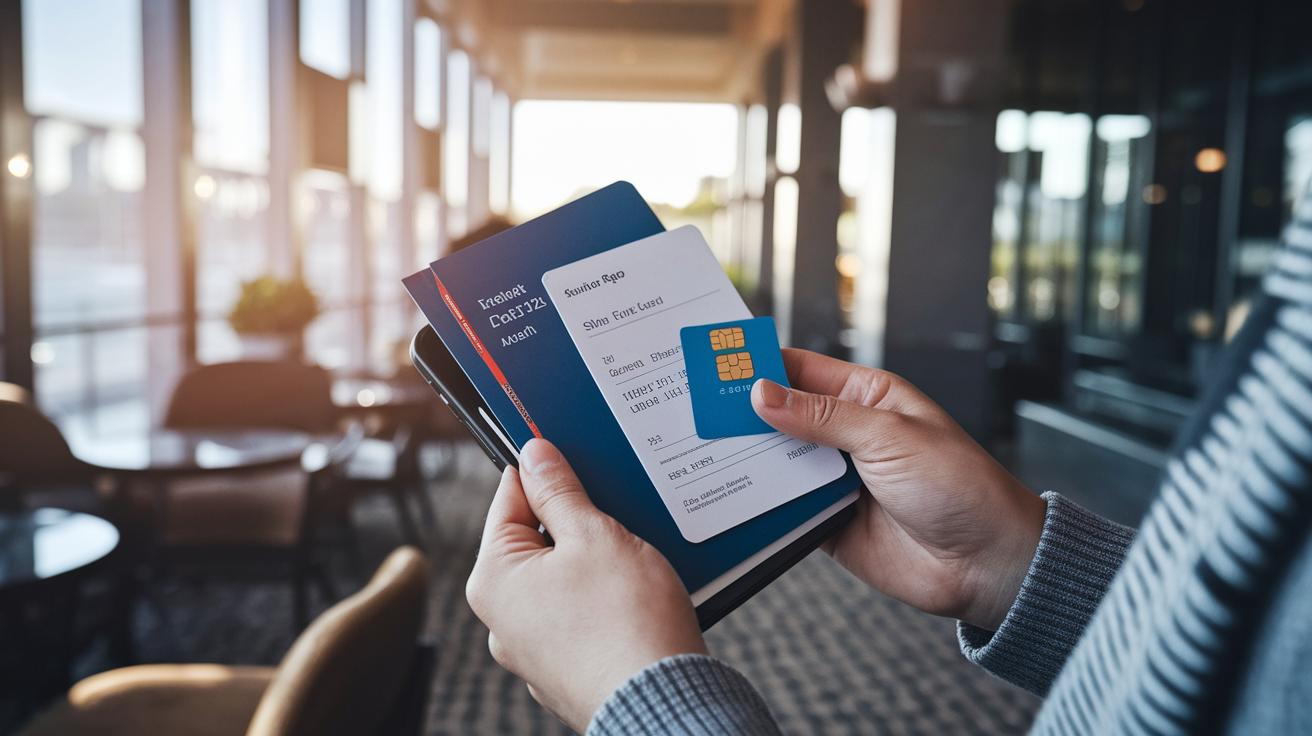
Before you opt for a physical SIM card, make sure you have all your documents ready. You’ll need a valid mailing address and a payment method like a credit card, Google Pay, or PayPal. This helps things run smoothly and keeps those last-minute travel hiccups at bay.
If you want a quick digital SIM experience, choosing an eSIM is a smart choice. It only needs a little bit of your personal info, and you can buy and activate it right from your phone using an app or email. Just scan the QR code or import the profile, then follow the prompts to get a local number in no time.
After your SIM is active, staying on top of its details is key. Check your balance now and then, and keep an eye on your data usage. Top up your credit online or head to a partner store if you need to. And if you decide to switch plans, you can easily do so through the provider’s digital portal.
Comparing Budget SIM Data Packages Abroad: Cost and Coverage Insights
Lots of regions offer affordable data plans that work with 3G and 4G networks. When you’re in Latin America, you can often find a prepaid SIM for about $10 that gives you 2 GB of data. And in Europe, local carriers sometimes offer deals like 3 GB for around €15 with solid 4G coverage. These quick benchmarks help you set a budget before you travel and give you a clear idea of what to expect.
When thinking about cost versus coverage, keep in mind that buying a small data pack can be more budget-friendly than opting for an unlimited plan. Many travelers choose limited data so they don’t end up paying for stuff they never use. For example, you might pick a 2 GB package knowing you can use free messaging apps or Wi-Fi wherever you go. This trade-off keeps expenses in check while helping you stay connected.
Before you buy any SIM, make sure your device will work with it by checking the frequency bands and confirming that your phone isn’t locked to a specific network. A quick look at your phone’s settings or specifications, like checking if it supports local 4G frequencies, can save you from any connectivity headaches abroad.
eSIM Setup and Management Guide for Travel Connectivity

An eSIM is like your regular SIM card, but it's built into your phone in digital form. You don’t have to fiddle with tiny chips anymore, instead, you simply scan a QR code or download a profile using an app. It’s a smart way to stay connected while you're on the move.
Europe is ahead of the game when it comes to eSIM coverage. You can travel through 27 EU countries, as well as Switzerland, Norway, and the UK, without the hassle of changing SIM cards all the time. This means you get steady access to 4G and even emerging 5G networks as you explore new places.
- Check if your phone supports eSIM by looking at the manufacturer’s details.
- Buy your eSIM through the provider’s app or website.
- Scan the QR code or import the profile directly on your device.
- Pick a data package and finish the payment.
- Keep an eye on your usage and add more data using the digital dashboard.
Using an eSIM means you save around an hour for every destination you visit. This little bit of extra time lets you focus more on enjoying the local culture and sights rather than worrying about fiddly phone setups.
Preparing Your Smartphone and Equipment for Global Travel Connectivity
Before you set off on your adventure, check that your phone is SIM-unlocked. Give your home carrier a quick call and ask them to unlock it if needed, so you can use local SIM cards wherever you go. Also, make sure your phone works with local networks like 3G, 4G, or 5G in the places you plan to visit. This little check can save you from those frustrating moments when you land and find your phone won’t connect.
Pack some handy accessories to keep you online on the go. Think of a SIM eject tool, a SIM adapter kit (to switch between nano and micro sizes), and a universal travel adapter as the mini toolkit for your journey. And don’t forget a high-capacity power bank with a USB-C or Lightning cable, kind of like carrying a backup flashlight when the power goes out.
Before you leave home, update your phone’s operating system and install any carrier apps you might need. Save your eSIM QR codes or back up your digital profiles so you’re prepped for any surprises. These few steps make your travel experience smoother and keep you connected from the moment you land.
Troubleshooting and Secure Data Planning with International SIM Cards

When you're out exploring, connectivity problems can pop up and spoil the fun. First, check that your phone is set with the right carrier settings and that network selection is on automatic. If your phone struggles to connect, you might need to update your APN settings using info from your provider. For instance, if your screen shows "No Service," take a quick peek at your location settings and available networks, it could save you a lot of hassle.
Staying safe with your data while roaming is super important. Use a trusted VPN whenever you hop onto public Wi-Fi to keep your personal info secure. And don’t forget to keep your SIM PIN locked so no one else can get in. It's a small step that really helps, especially in busy places where cyber risks can be higher.
Keep an eye on your SIM balance and data usage to avoid any surprise charges. Only top up through the official provider portal to steer clear of scams or extra fees. By tracking your usage and updating your contacts with your temporary number, you can keep your connection steady and enjoy your travel adventures without worry.
Destination-Specific Connectivity Tips for Seamless International SIM Usage
When you travel, it's super useful to know how local networks work. Different places offer different speeds. Some spots are on 4G or even 5G, while others stick mostly to 3G. Knowing these details helps you pick the right SIM or eSIM plan for your trip.
In Latin America, most networks run on 3G and 4G. If you're planning a trip there, consider using a local SIM card. These cards are usually easy to top-up, and don't forget to carry your local ID since carriers often need to verify who you are. This little step makes staying connected a breeze.
Europe is a bit different with strong 4G coverage and an increasing number of 5G spots in many cities. Many eSIM providers here offer bundles that work across multiple countries in the EU. That good option not only saves you the hassle of swapping SIM cards but also makes it simple to stay online while hopping from one country to another.
Asia can be a mixed bag when it comes to connectivity. In countries like Japan and South Korea, 4G and 5G service quality is top-notch. However, in some parts of Southeast Asia, you might need to look into local MVNO options, which are smaller carriers, or choose a multi-network eSIM plan. A bit of research on carrier frequency bands before you head out can save you from any unexpected surprises.
Final Words
In the action, we journeyed through a spectrum of connectivity options, from local and international SIM cards to the convenience of eSIMs, while uncovering cost-saving tips and troubleshooting advice. Each section brought fresh insights into preparing your device and planning hassle-free connectivity abroad.
This essential guide to travel connectivity and international SIM cards leaves you equipped with practical strategies to stay connected and explore diverse cultures with confidence. Happy travels and here’s to a smooth, adventure-packed getaway!
FAQ
What steps should I take for SIM card use while traveling internationally?
Handling a SIM card while traveling means verifying your phone is unlocked, deciding between a new physical SIM or an eSIM, and checking network compatibility before you leave.
Where can I purchase an international SIM card, and can I buy one in another country?
Purchasing an international SIM card means you can order one online before travel or purchase one in your destination country, ensuring you have the proper ID if needed.
How do international SIM cards work with iPhones?
International SIM cards for iPhones work by fitting into unlocked devices that support the needed network bands, making activation straightforward with clear setup instructions.
Which SIM card offers the best global travel and temporary use solution?
The best SIM card for world travel depends on your needs; options range from local prepaid SIMs and international prepaid cards to eSIMs that offer quick setup and flexible data packages.
Are international SIM cards safe to use abroad?
International SIM cards are safe when obtained from reputable providers, as they adhere to standard network security protocols, helping protect your data during travel.
Is it more advantageous to use a SIM card or an international plan for connectivity?
Using a SIM card for travel usually means lower costs and flexible options compared to international roaming plans, which may incur higher per-minute and per-megabyte fees.
How can I prepare my smartphone for international travel connectivity?
Preparing your cell phone for travel means unlocking it, checking network frequency compatibility, updating the software, and installing any required carrier or eSIM apps in advance.