
Have you ever noticed that riding in a new city is more than just hopping on a bus? Imagine wandering down secret alleys, enjoying a pleasant tram ride, and feeling the cool breeze on a ferry, all on your own schedule. In this guide, we share simple tips to help you explore local transport when you're traveling abroad. You’ll find out when it might be best to choose a pass instead of paying each time, so every journey feels like a little adventure. Ready to map out your next international ride?
Mastering Local Transportation Systems Abroad: Your International Transit Roadmap

Navigating public transportation in a new city can feel like putting together a fun puzzle. You get to mix up buses, subways, trams, and even ferries. Buses are great for hopping between key spots, subways help you zip through the city quickly, and trams offer a scenic ride. Ferries, on the other hand, let you enjoy a refreshing coastal view.
When it comes to fares, it pays to know if you're on a flat-rate or distance-based system. In Tokyo, for instance, you might use a Suica card that charges you based on how far you travel. In London, though, the Oyster card uses zonal pricing, so you pay more if you cross more zones. Picture it like picking between a bundled tour and a pay-as-you-go adventure, such as grabbing a day pass in Munich for a simple, all-day ride.
Route maps and timetables are like trusty travel buddies. You can pick up a map at a station or check an online planner. Having a clear schedule can save you from long waits and keep your journey smooth. Ever looked at a detailed bus map and felt like you were about to uncover every hidden corner of the city?
Don't forget the local customs, either. In Japan, keeping conversations quiet on trains is a sign of respect, while in many European cities, a friendly chat is totally welcome. It’s also a good idea to follow basic safety steps, make sure your ticket is validated, know where to find emergency exits, and check out where the emergency intercoms are. This friendly guide is here to help you plan with practical tips and cultural insights, making your international transit adventure as enjoyable as it is exciting.
Comparing Cross-Border Mobility Insights Abroad: Buses, Trains, and Metro Networks

When you're hopping across borders, each transport mode brings its own set of perks that can really brighten your journey. Buses are great for exploring different neighborhoods because they let you make quick, strategic transfers with little waiting time. For example, in Rome, you can catch a bus every 10 to 15 minutes, so you can easily jump onto connecting routes and keep your adventure rolling.
Metros, on the other hand, are all about speed and frequent departures. Imagine riding in Paris where, during rush hours, trains show up every 2 to 3 minutes, perfect for zipping through busy days. And if you're planning a longer trip, regional trains are a solid choice. Think about Tokyo's train system: you pay roughly ¥20 per kilometer and enjoy a 98% on-time rate, which means you can count on them to get you there smoothly.
Below is a handy table that sums up these travel insights:
| Transport Mode | Frequency | Cost | Service Reliability |
|---|---|---|---|
| Bus | Rome: 10–15 min | London: £1.65 flat | About 85% |
| Metro | Paris: 2–3 min peak | Berlin: €0.31/km | Very high, around 98% |
| Regional Train | Varies | Tokyo: ¥20/km | 98% on-time |
At the end of the day, choosing between buses, metros, or regional trains is like picking the right shoe for your walking adventure. If you need a quick ride, the metro is your go-to buddy. If you're planning to cover larger distances in style and comfort, regional trains might be just what you need. And if you're all about that flexible exploration vibe, a bus ride will definitely deliver. So, what kind of journey are you ready for?
Navigating Fare Structures and Ticketing Processes Abroad
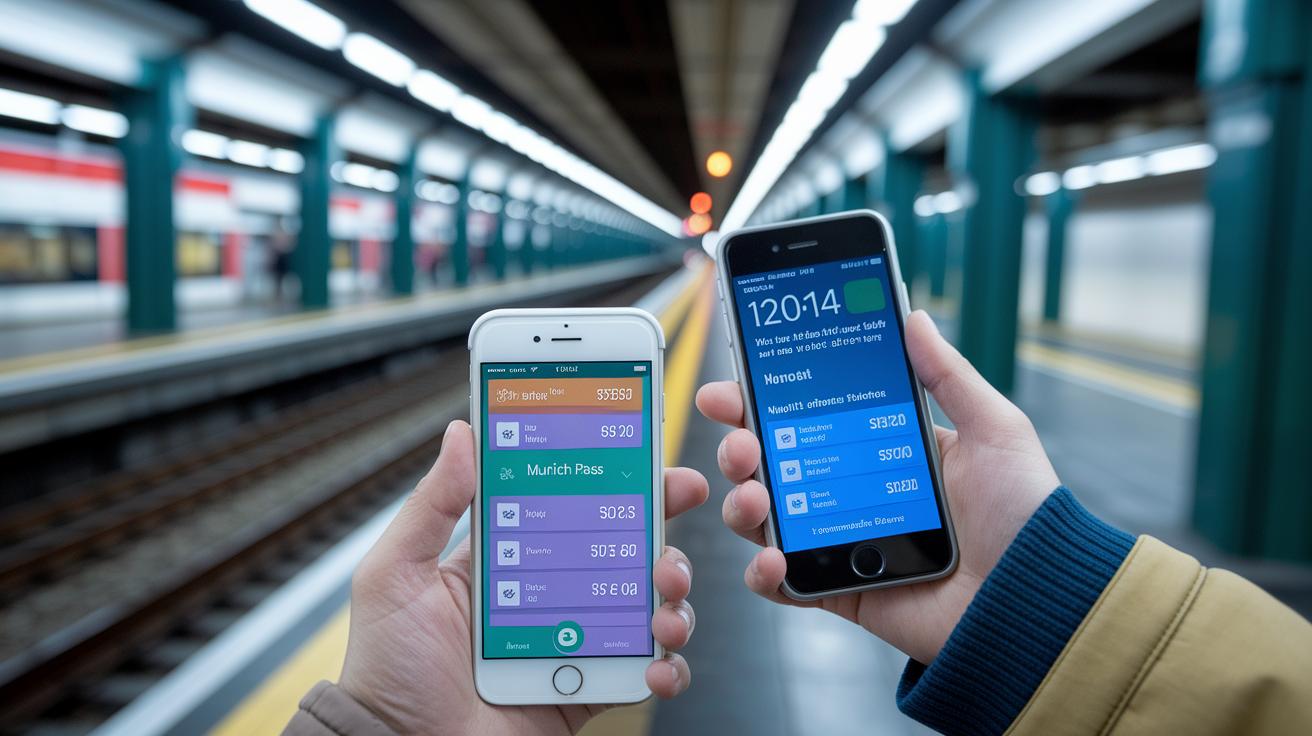
Getting around a new city can feel like a breeze when you understand the local fare systems. It’s like having a trusty guide who knows the ins and outs of every transit option.
First, pick your route. Maybe a flat-rate day pass in Munich for €7 fits your plans, or perhaps London's Oyster card, with off-peak rates of £2.60 in zones 1 and 2, sounds better. And if you find yourself in Tokyo, remember that a Suica card charges you based on distance traveled, so it helps to plan your journey in advance.
Next, it’s time to pay. Whether you’re using a ticket machine or your mobile app, follow the easy prompts. For instance, if you’re topping up at a Berlin station, always ensure your increase meets the minimum €5 requirement to keep things running smoothly.
Then, grab your ticket or pass and make sure it’s activated. In many places across Europe, you’ll need to tap in and out at specific gates. Over in Japan, you might simply use a tap box without a gate. This step is key to proving your ride and avoiding any unexpected fines.
Finally, keep an eye on your balance and reload when necessary. This can help you dodge busy-time surcharges, like those you might experience in Seoul during peak hours.
Stick with these steps, and you’ll find navigating fare structures and ticketing processes a lot less stressful, letting you enjoy your travels without any hiccups.
Optimizing Commuter Strategies Abroad with Smart Mobility Applications and Offline Tools

Digital travel tools can really change the way you get around in a new city. When you're exploring abroad, apps like Google Maps help you find the fastest route, even in crowded stations, by showing live augmented reality views and routes that are wheelchair-friendly. Citymapper lets you know about delays in real time so you can quickly change your plans. And Moovit mixes information from buses, trains, and trams into one easy-to-read plan. One traveler said, "I used Citymapper when my train was late and it suggested a bus route that got me on track!"
Offline maps are a lifesaver when you're low on mobile data or in spots with weak signal. Download maps from apps like Maps.me and HERE WeGo before you go; they take up just 20 to 50 MB per city, giving you enough info without slowing your phone down. Plus, paying for rides is simpler these days with contactless payment options. In Seoul, for example, the T-money system makes boarding swift, and in London, using contactless bank cards makes fare payments a breeze.
A few simple tips to keep in mind:
| Tip | Details |
|---|---|
| Live schedule updates | For example, the Paris RER is accurate 95% of the time, and the Tokyo Metro boasts a 98% accuracy rate. |
| Mix mobile and offline tools | Use both mobile payment systems and saved maps to ensure your travel plans never stall. |
For more ideas on blending digital and offline planning, check out custom travel itinerary examples at https://mauisky.com?p=1021. Experiment with these tools and find your perfect mix for a smooth journey.
Ensuring Safe Commuting Abroad: Cultural Etiquette and Transit Regulations

When you’re riding in a new city, safe commuting starts with knowing the local customs and transit rules. In Tokyo, for instance, people stick to proper lines and wear masks during flu season, it’s all part of making travel smooth and stress-free. In London, you might notice that passengers give up seats for those who really need them, a small act that goes a long way in keeping everyone comfortable.
Cities around the world take their transit rules very seriously. In Paris, for example, avoid using things like e-scooters on the metro, and in Hong Kong, be sure your luggage meets the size rules on the MTR. And don’t forget to check for onboard announcements and emergency exits, especially on European high-speed trains, they’re lifesavers when unexpected situations arise.
Quick tips to keep your journey hassle-free include:
- Wait your turn in line.
- Offer priority seating when needed.
- Wear masks if required.
- Look for emergency exits and intercoms when boarding.
- Steer clear of carrying prohibited items.
Following these simple guidelines will boost your confidence when navigating even the busiest transit systems. It’s all about being informed, respectful, and soaking up the little details of each new place you visit. Enjoy the ride!
Advanced Intermodal Navigation Techniques Abroad for Regional Travel Networks

Planning a smooth, multi-leg journey can really change how you experience a trip abroad. It’s all about syncing up different ways to travel. For instance, if you match bus and train times to keep wait times under 10 minutes in cities like Berlin or Rome, it feels just like fitting two perfect puzzle pieces together.
Here are some friendly tips to polish your travel plan:
-
Match your transfer times: Try to reduce delays when switching between options, like moving from a bus to a train. Fun fact: In Berlin, a well-planned switch can trim your travel time by about 15%.
-
Take local shortcuts: A neat tip is to use pedestrian tunnels at busy spots like Frankfurt Hbf. They help you cut about 500 meters of extra walking and save you valuable minutes.
-
Mix transport modes: For example, blend a ride on the Tokyo Metro with JR regional trains and a local bus. You can cover a 60 km journey in just 90 minutes with this mix, making your trip both speedy and convenient.
-
Buy an intermodal pass: In Switzerland, a single day pass lets you hop on trains, buses, and even boats, making your transfers as smooth as can be.
These ideas not only connect you smoothly to your destination but also make your travel experience more enjoyable by tailoring your plan to the local network. Happy travels!
Final Words
In the action, we explored major transit modes abroad, from buses and subways to ferries, with handy comparisons of fare structures and safety protocols. We also uncovered smart tips on using navigation apps and offline tools, blending cultural etiquette with practical ticketing advice. This expert guide to local transportation systems abroad serves as your roadmap to smooth, informed travel. Embrace these tips and set off with confidence, knowing every journey can be as enriching as it is effortless. Happy travels and safe commutes!
FAQ
Q: Which US cities offer top transit systems and high public transit use?
A: The best US transit systems and high usage are often seen in cities like New York, Washington D.C., and San Francisco. These urban hubs feature extensive, frequent networks that keep commuters moving efficiently.
Q: Which cities are known for having the best public transit systems worldwide?
A: The best public transit worldwide is frequently found in cities like Tokyo, Seoul, and Hong Kong. Their systems offer punctual, high-frequency services that serve vast urban areas, enhancing daily travel for millions.
Q: Which countries are celebrated for having the best train systems?
A: Countries such as Japan, Germany, and Switzerland are renowned for their train systems. They provide high-speed, efficient, and comfortable services, making long-distance travel both reliable and enjoyable.
Q: What insights does the European public transport quality index offer?
A: The European public transport quality index highlights cities like Zurich and Vienna due to their punctuality, convenience, and cleanliness, ensuring that local commuters enjoy safe and efficient urban mobility.
Q: How do global public transit rankings compare across cities?
A: Global transit rankings often rate cities like Tokyo, Hong Kong, and Seoul at the top because of their efficient operations, high frequency, and exceptional customer satisfaction, making them models of urban mobility.
Q: Does New Jersey have good public transportation?
A: New Jersey’s public transportation, managed largely by NJ Transit, offers extensive rail and bus services connecting to New York City and other regions. While service quality and coverage may vary, many residents benefit from reliable options.