
Ever wonder if you’re really set for unexpected health hiccups while you’re on the road? Before you pack your bags, it pays to know a few simple tips to keep you safe. Think of it like a little travel checklist: get your vaccines, peek into local health advice, and scout out safe spots to eat and ride. These handy suggestions can help you feel secure and ready for whatever comes your way, letting you enjoy your adventure without a worry.
Key Travel Health and Safety Precautions Explained
Before you head off on your trip, take some time to look up health info about your destination. Check local health rules, travel alerts, and any common illnesses. It doesn’t hurt to see if you need any vaccinations. A chat with your doctor can clear things up, maybe you’ll find out that shots like hepatitis A or typhoid are a must for parts of Asia.
While you’re planning, think about where you’ll eat and how you'll get around. Picking trusted spots for food and transportation can lower your risk of stomach bugs or mishaps. It’s a great idea to jot down local emergency numbers and your country’s embassy or consulate contacts. Ever imagine needing a quick visit to a nearby clinic after a small scrape? Knowing who to call makes a big difference.
Mixing your research with smart planning really pays off. Make sure your vaccinations are up-to-date, keep an eye on the latest travel alerts, and choose top-rated food and ride options. And don’t forget to watch your belongings and stay alert in busy places. When you cover all these bases, from health checks to emergency contacts, you’re all set for a worry-free adventure.
Pre-Trip Travel Health Checklist and Immunization Guidelines
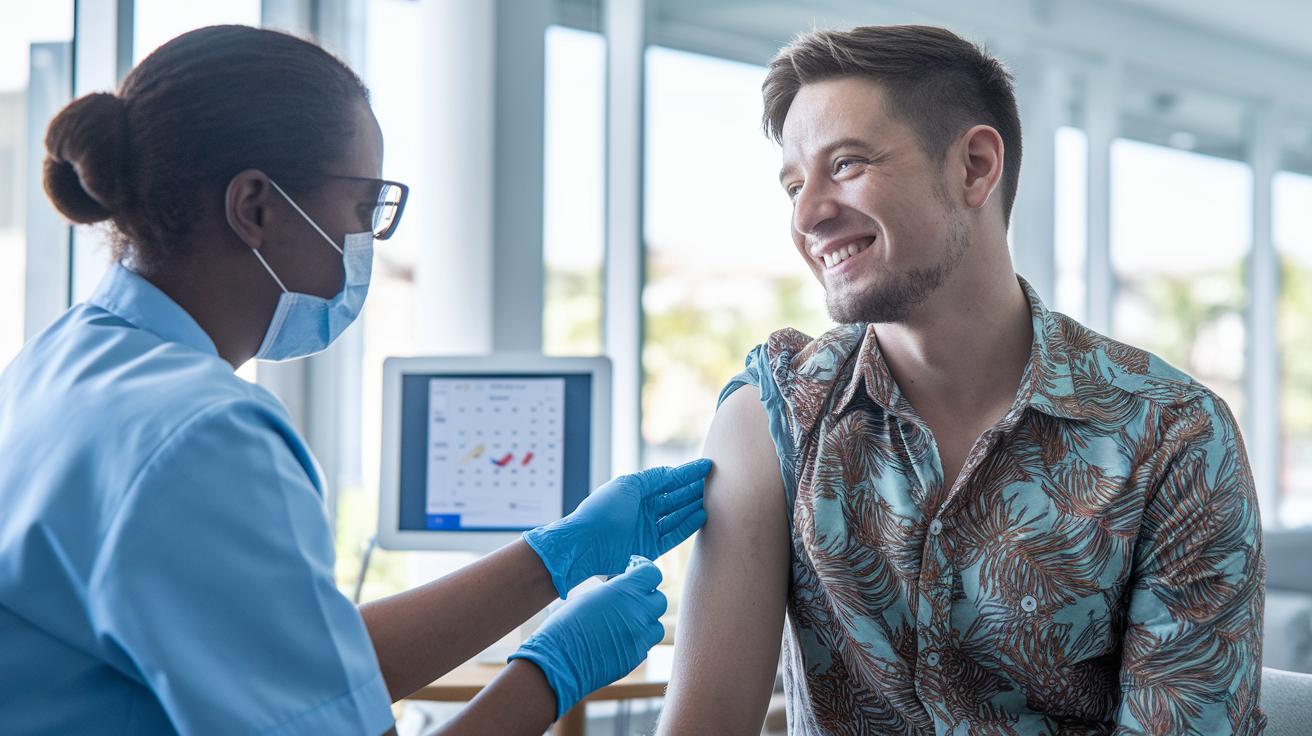
Getting your travel health sorted well in advance is really important. I suggest visiting a travel clinic at least 4-6 weeks before your departure. This gives you enough time to finish any vaccine series you might need, like for hepatitis A/B, typhoid, or yellow fever if your destination requires it. Plus, your body gets the chance to build up protection without any last-minute rush.
- Book an appointment with your travel clinic to chat about which vaccines are right for your destination.
- Find out exactly which immunizations, such as hepatitis A/B or typhoid, might be needed for your trip.
- Begin your vaccine series early so every shot has time to work its magic before you travel.
- Save a digital copy of your vaccine records and print one out too, so you’re ready to show them at border control if needed.
- Double-check the health screening guidelines at your departure point to make sure you meet all the requirements.
Keeping track of your vaccine records is key. I always keep a digital version handy and carry a printed copy along. This little step really helps smooth things over during any health screenings on your journey.
It’s also smart to sign up for government travel alerts. These updates can inform you if there are any health risks or changes in immunization rules that might affect your plans, giving you a chance to adjust your itinerary as needed.
By keeping your travel health checklist organized, you're not only protecting your well-being but also making your trip a lot smoother. Follow these clear, simple steps and you’re well on your way to a safe, healthy, and enjoyable adventure.
Assembling Your On-the-Go Medical Kit and Hygiene Essentials
Traveling can be full of surprises, and having a little medical kit with you is like carrying a friendly helper on every adventure. Whether you're strolling through bustling city streets or wandering the quiet corners of a small town, these essentials can turn a slip-up into just a small hiccup.
Imagine setting off on a sunny morning with your kit snug in your bag. Here’s what you might want to pack:
- Band-aids – perfect for covering tiny cuts during an impromptu detour.
- Antiseptic wipes – handy for cleaning little scrapes before they turn into something more.
- Gauze – ideal when you need extra protection for a deeper cut.
- Adhesive tape – keeps everything secure, so your bandage stays in place.
- Small scissors – great for trimming tape or gauze to the right size on the fly.
- Pain relievers – help soothe any unexpected discomfort after a long day of exploring.
- Antihistamines – useful for calming any sudden allergic reactions when you're far from home.
- Hand sanitizer (with 60%+ alcohol) – essential for keeping your hands clean when water isn’t nearby.
- Masks – provide a simple barrier in busy areas to lessen your exposure to germs.
- Disinfectant wipes – perfect for wiping down surfaces and keeping your space safe.
It’s also a smart idea to check your kit once in a while, especially during long trips. Make sure nothing’s expired and that everything’s neatly packed and ready for the next time you need it. When supplies run low or start to look a bit used, take a minute to restock. Keeping your kit in tip-top shape not only cuts down on health worries, but it also lets you dive into every new adventure with extra peace of mind.
Navigating Destination-Specific Health and Safety Precautions
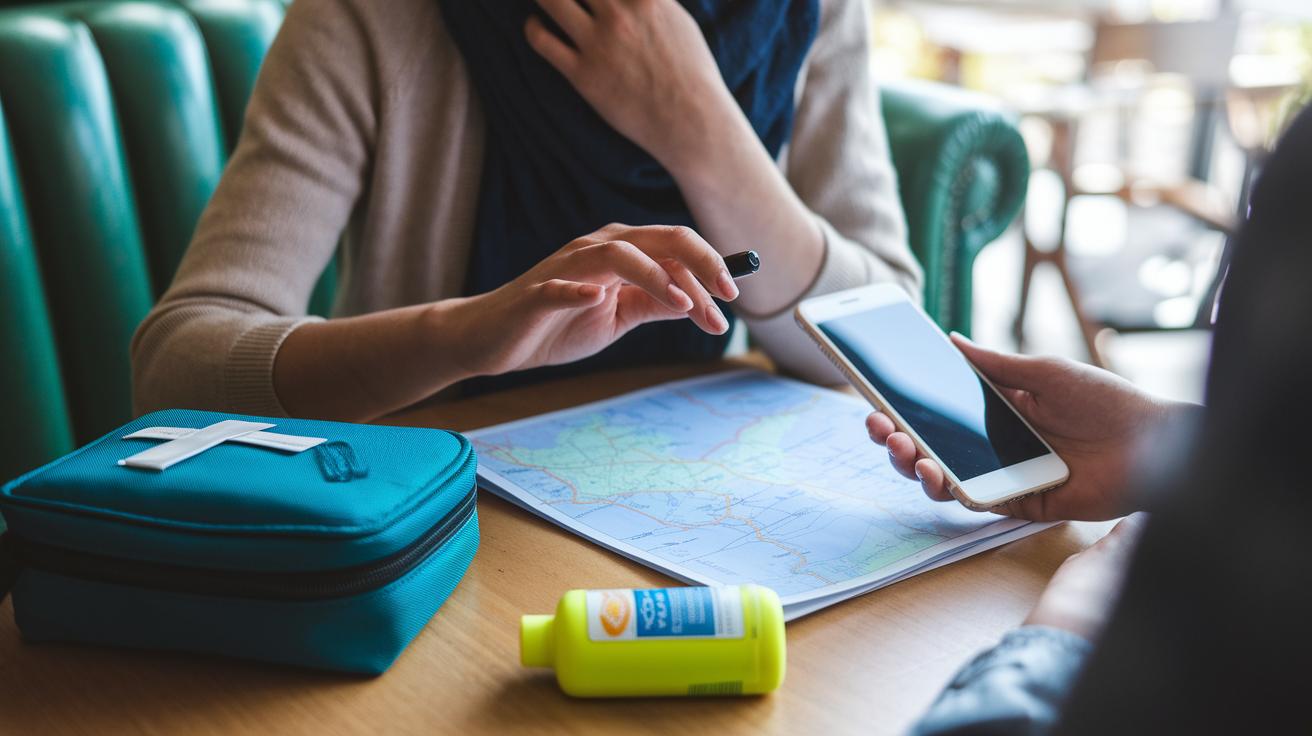
Before you set off on your trip, take a moment to check on the common health risks of your destination. It’s a good idea to visit local government health sites to see if there are any outbreak alerts or common illnesses to be aware of. For instance, in some parts of South Asia, diseases like malaria and dengue fever become more common during the rainy season. This little bit of homework can help you plan smart precautions, like getting extra vaccinations or carrying insect repellent, so you can enjoy your journey worry-free.
When it comes to food and water, it’s best to stick with places that have good reviews and reliable practices. You might come across a tempting local eatery, but sometimes the way food is prepared can be risky. Imagine reading a review that praises a spot for serving the cleanest street food around, it’s reassuring knowing that someone has your back when it comes to staying safe while enjoying local flavors.
Don’t forget about transportation safety, too. Always choose licensed or well-known transport options when navigating unfamiliar streets. Picture hopping into a taxi that clearly displays its license and whose driver sticks to the approved routes. This simple care can help protect you from any unsafe transit choices while you explore.
Lastly, make sure you know where to find help in an emergency. Before you leave, jot down the addresses and phone numbers of nearby hospitals or clinics. It’s also useful to learn a bit about local customs, like how people manage sun exposure or share meals, because these details can affect your everyday decisions. A bit of local insight can go a long way in helping you enjoy each new destination safely.
Travel Insurance Insights and Emergency Preparedness Protocols
When you’re planning a trip, picking the right travel insurance can really put your mind at ease. Look for a plan that covers things like medical needs, emergency evacuations, and even trip changes if something unexpected comes up. For instance, if you fall sick or get injured, your plan should help with hospital bills or change your flight if needed. That kind of help can make your travel experience a lot smoother, letting you focus on the adventure.
Before you set off, it's wise to have all your details sorted. Take a moment to register any claims in advance and share your emergency contacts with your insurer. Keep handy the local emergency numbers and even the details for your country’s embassy or consulate. Also, note that many insurers offer a support hotline, if you need help, you can call at (855) 874-0156 between Monday and Friday, from 9 a.m. to 7 p.m. ET. This line can be a real lifesaver when unexpected problems crop up.
In case you hit a medical snag, knowing what to do can be a big relief. First, check that your insurer has given the green light for any needed evacuation, and find out which local facilities are ready for emergencies. It’s smart to review how you would get from one place to another so that if you need to leave quickly, you’re all set. These steps help you handle sudden changes or health issues, letting you get the assistance you need without wasting time.
Monitoring Health and Implementing Safety Measures During Travel

When you're on the go, keeping up with new tech can really boost your travel security. Mobile safety apps can give you quick alerts and help track your location, making it easier to feel safe. And remember, local RFID scanning tricks might be a bit different from the usual advice you’ve heard before.
It also helps to stick to solid infection control habits. In places where risks run high, wearing a mask properly and keeping your hands clean can make a big difference. It’s like having a small shield that works alongside other travel tips.
Infection Control Practices
Always wear your mask so it covers both your nose and mouth. Keep a small bottle of hand sanitizer with at least 60% alcohol in your bag. Think of your mask as a trusty travel buddy that sticks with you through any surprises. These steps are especially important in busy or high-risk areas, just as local guidelines suggest.
Personal Security Tips
Download and use mobile safety apps that send real-time alerts and help you navigate unknown areas. Be mindful of local RFID scanning methods that might target your devices. Checking your app notifications can feel like giving yourself a little extra head start against potential scams.
Final Words
In the action, this blog post outlined key steps like researching local health codes, securing vaccinations, and assembling a reliable on-the-go medical kit. It also explored destination-specific precautions and crucial insurance insights that keep everyday travel risks at bay.
The essential guide to travel health and safety precautions shared practical tips for staying secure and healthy. Every traveler can use these steps to prepare for a smooth, worry-free journey, ensuring that each adventure is both safe and inspiring.
FAQ
Q: What is an essential guide to travel health and safety precautions?
A: An essential guide to travel health and safety precautions lays out key measures like vaccination checks, food safety, emergency contacts, and security tips to keep you well-prepared on your trip.
Q: How can I access reliable travel safety tips and guidelines like those from the CDC or UN?
A: Reliable safety tips come from trusted sources such as CDC travel guidelines and UN travel advisories, offering up-to-date health recommendations and risk assessments to guide your journey.
Q: What precautions should you take when traveling?
A: Taking travel precautions means researching your destination’s health requirements, confirming immunizations, choosing safe food and transport, and keeping local emergency numbers handy throughout your trip.
Q: What are the 5 W’s of travel planning?
A: The 5 W’s—Who, What, Where, When, and Why—help you organize every detail of your trip, from selecting the destination and planning activities to determining the best times to travel.
Q: What two things should a traveler know to stay safe and healthy?
A: A traveler should know to follow local health guidelines, including necessary vaccinations and hygiene practices, and to be alert about personal security measures like safeguarding belongings in busy areas.
Q: What is the biggest concern for people while traveling?
A: Often, the biggest concern for travelers is balancing health risks with safety—ensuring secure accommodations, avoiding scams, and being ready for emergencies to keep the journey smooth.
Q: How do travel advisories and warnings affect planning a trip?
A: Travel advisories and warning lists highlight potential risks and unsafe conditions in certain areas, prompting travelers to adjust their plans, stay informed, and enhance their safety precautions.