
Ever felt lost in a city of buses, trains, and ferries? Imagine setting off with a simple map in hand, ready to discover handy transit tips that can make all the difference. This guide is here to help you stay upbeat, even if you miss a ride or two. We’ll share easy fare info, explain local customs, and offer smart planning tips to keep your journey fun and stress-free. So, pack your curiosity and be ready to turn every twist and turn into a memorable part of your adventure.
Essential Overview of Navigating Public Transportation Overseas
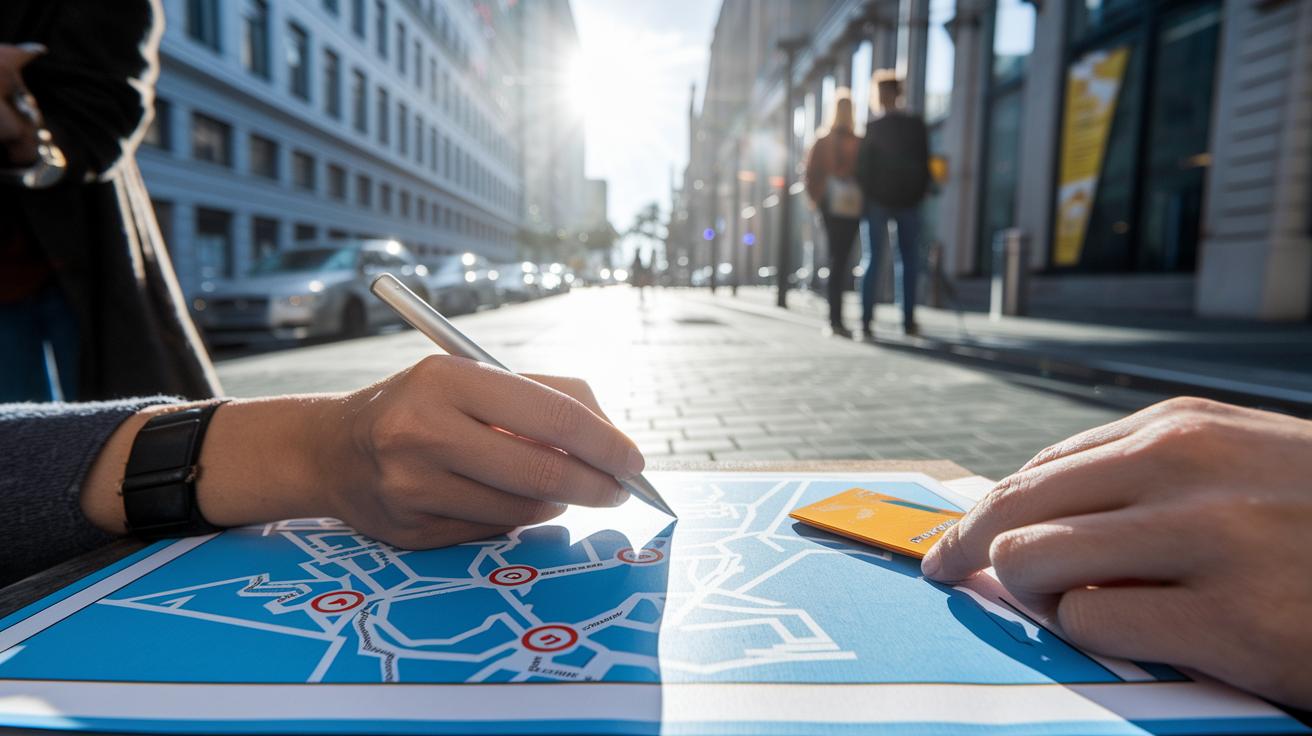
Start by picturing a simple map in your head. Mark your hotel and the spots you really want to see, like that busy museum or a quiet park. This visual helps you decide if a bus, metro, train, or ferry fits your trip best.
Keep a sunny outlook. Even if you miss a ride, it might lead you to a fun local street event. I always think, every twist in your route is part of the adventure. So, take a moment to learn the basics of how people travel, and get a handle on fare types, whether they're based on zones, fixed prices, or the distance you travel.
Watch how locals do it. Notice how they queue, let others exit first, or tap their cards on buses and trains. This little bit of observation boosts your confidence and truly enriches your travel day. With a clear mind map, practical fare insights, and a relaxed vibe, every transit ride becomes a step toward your next great discovery.
Planning Your Public Transportation Overseas Itinerary

Imagine your trip overseas as a fun puzzle you get to piece together one bit at a time. Before you set off, take a moment to explore all the transit options waiting for you, metros, buses, trams, and even ferries, to make smooth moves from the airport and on your day trips. I remember using a map app that showed me the nearest bus stop to my hotel and even led me to a quiet, tucked-away café in a bustling city center.
It’s a good idea to check which ticket works best for your plans. See if a single-use ticket or a travel pass fits your schedule. And if you're eyeing a day trip by train, find out if you need a reserved seat. Knowing these details ahead of time can really save you stress later. While you're researching, learn a few key transit words. A simple word like "ticket" or "station" in the local language can go a long way.
Follow these simple steps to get ready:
| Step | What to Do |
|---|---|
| 1 | Picture the top areas you want to explore. |
| 2 | Find out the types of transit available. |
| 3 | Download official transit and map apps. |
| 4 | Check the ticket options and any reservation rules. |
| 5 | Learn a few basic transit phrases. |
| 6 | Plan your routes for both short trips and longer journeys. |
| 7 | Have a backup plan ready, just in case. |
For more tips, check out this guide on how to plan an international trip to help you nail your itinerary.
Key Overseas Public Transportation Modes Explained

Buses are a great choice when traveling in a new city. Often, you’ll need to validate your ticket as you hop on. This can mean showing your ticket at the front or tapping your contactless card on a validator near the door. If it’s busy, sometimes how you board might change a bit. It’s all part of the adventure, so just follow the local routine.
Metros and subways are usually easy to navigate. Their lines are often color-coded or numbered, making it simple to plan your trip. Major stations offer smooth transitions between routes. When you look around, you might notice signs that guide you to the right gate or escalator, taking away any travel stress.
Trams and light rail are perfect if you like frequent stops and easy boarding. Their low-floor design means everyone, including those with luggage or strollers, can get on with ease. You’ll see clear signs, like one saying “Next Stop: Central Park,” which is a big help if you’re not fluent in the local language. And remember, it’s polite to let those getting off exit first before you hop on.
Ferries and water taxis add a fun twist to your journey. Some follow strict schedules, while others operate on a first-come, first-served basis. Simple rules such as wearing a life jacket or standing back from the edge keep everyone safe. If you’re unsure, a quick word with a local can tell you whether it’s a reserved departure or a relaxed ride.
Taxis, rideshares, and other options like e-scooters offer flexible solutions for short trips. Many local services use a pre-agreed fare instead of a meter, so you know what to expect before the ride begins. This helps prevent any surprises and lets you enjoy a smooth, worry-free journey.
Ticketing, Fare Structures, and Validation Procedures Overseas
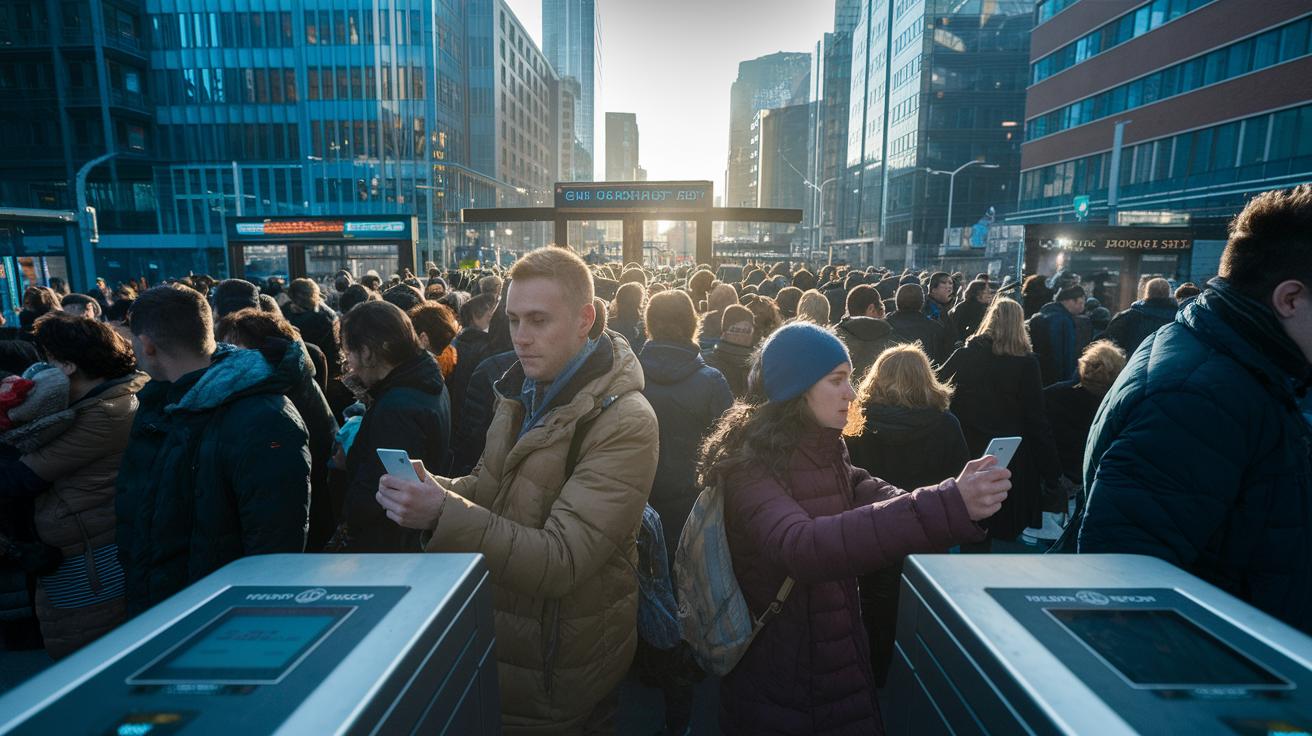
When you’re planning your next ride, it really pays off to know how fares work. This helps you save both time and money, so you can focus on enjoying your journey. Whether the fare is charged by zones, distance, or is a flat rate, it makes all the difference. Imagine hopping on a metro where you only pay for the zones you cross, pretty neat, right?
It’s also a good idea to get to know the different ways to validate your ticket. In some cities, you’ll find gate scanners at stations, while others use on-board validators or even NFC readers for contactless tapping. Each system may seem a bit different, but once you understand the basics, picking the right option for your route becomes easier. Trust me, having this info is like having a handy map for every bus, tram, or metro ride.
| Fare Type | Description | Validation Method |
|---|---|---|
| Zone-Based | Charged by zones crossed | Station gate scanners or validators |
| Flat Fare | Single rate for any distance | Single-use paper tickets punched onboard |
| Distance-Based | Price per kilometer travelled | Ticket inspectors or automated readers |
| Contactless/QR | Tap or scan using mobile/app | NFC readers or QR scanners |
Digital Navigation Tools for Public Transportation Overseas
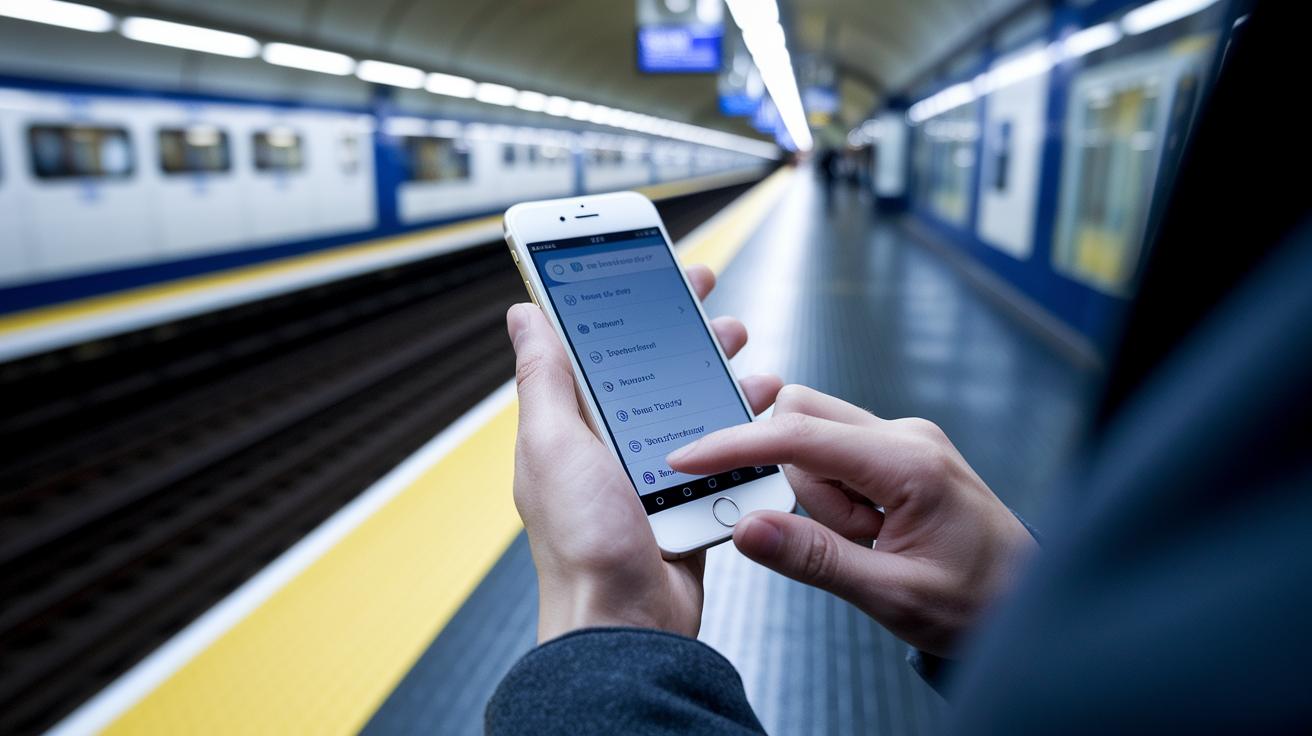
Digital tools make getting around in a new country so much easier. Ever notice how a mapping app, like Google Maps or Citymapper, can pop up a handy heads-up that says, "Your next bus arrives in 3 minutes"? It’s like having a friendly guide who always knows the schedule, even when delays pop up.
Local transit apps are also a great idea. They show you routes, ticket prices, and even what each station looks like. Plus, you can pay right from your phone using contactless options. Imagine tapping your phone and heading off without any hassle over cash!
And if ever you get puzzled by signs or station announcements, a translation app with offline language packs can be a lifesaver. These apps work well even when the internet is spotty, saving your mobile data while still offering offline maps and translations when you need them most.
Picture yourself in a bustling city, and your app suddenly alerts you about unexpected service changes. That real-time update lets you adjust your plans in a heartbeat. These digital tools not only make planning a breeze but also turn your travel into a stress-free adventure by keeping you in the loop all the time.
Safety Protocols, Local Etiquette, and Signage in Overseas Transit
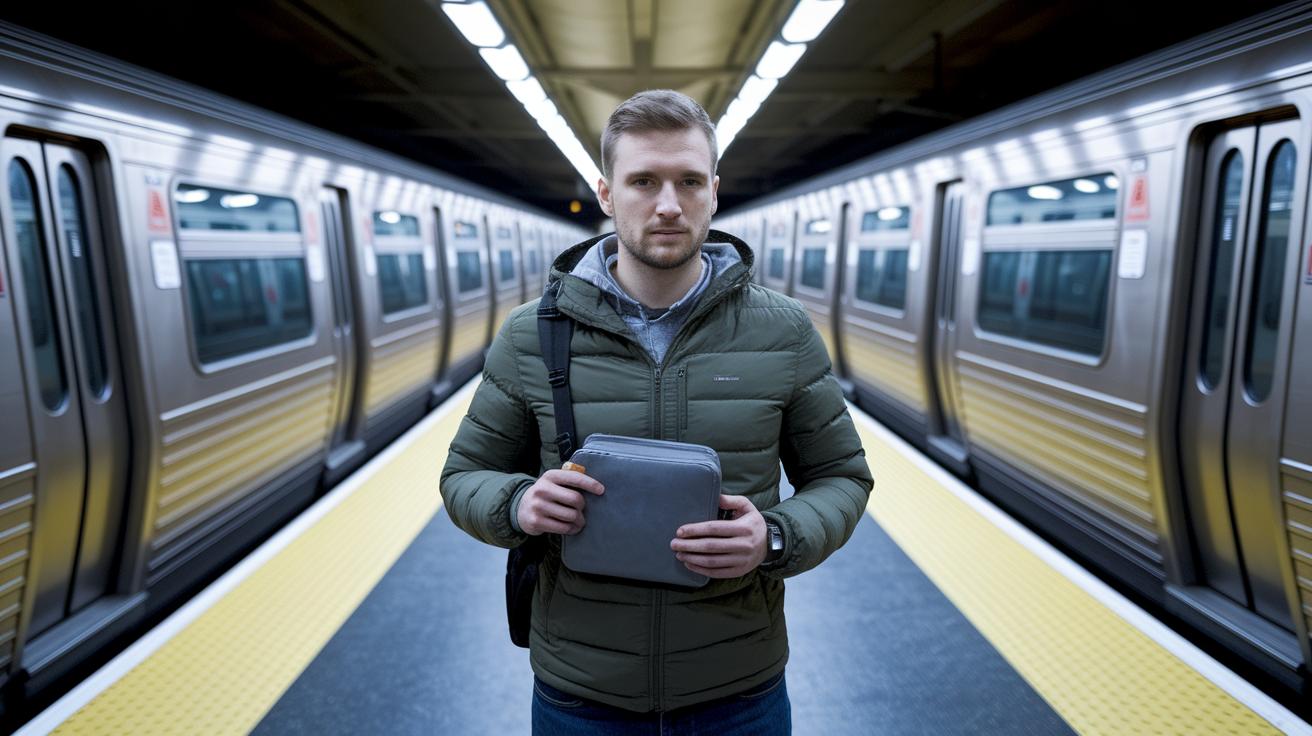
When you’re using public transit in a foreign city, keeping safe is the top priority. It helps if you steer clear of rush hour when crowds are heavy. I like to use an anti-theft bag or hide my valuables in a pocket that’s hard to reach. For instance, keeping your phone tucked away and your wallet in a zippered spot can really make a difference when pickpockets are on the prowl.
Being mindful of local customs can make your travel experience even smoother. Always let people get off the train before you hop on, and follow the seating rules so those who need priority can sit comfortably. It’s just like waiting your turn in line at your favorite cafe, it shows respect and keeps everyone happy.
Paying attention to local signs is equally important. Look for safety lines on platforms and directional arrows that help you find your way around busy stations. You might notice a bright yellow line marking a safe zone right before the platform’s edge. Knowing what these signs mean can help you move through the station quickly, whether it’s during a busy morning or a quieter late-night ride.
Here are a few quick tips when boarding:
- Look for signs that show where to wait.
- Let passengers exit the train before you board.
- Follow the local queue rules and wait for your turn.
Following these simple guidelines will not only keep you safe but also show your respect for the local travel culture, making your journey as pleasant as possible.
Cost-Effective Tips and Currency Strategies for Overseas Public Transportation
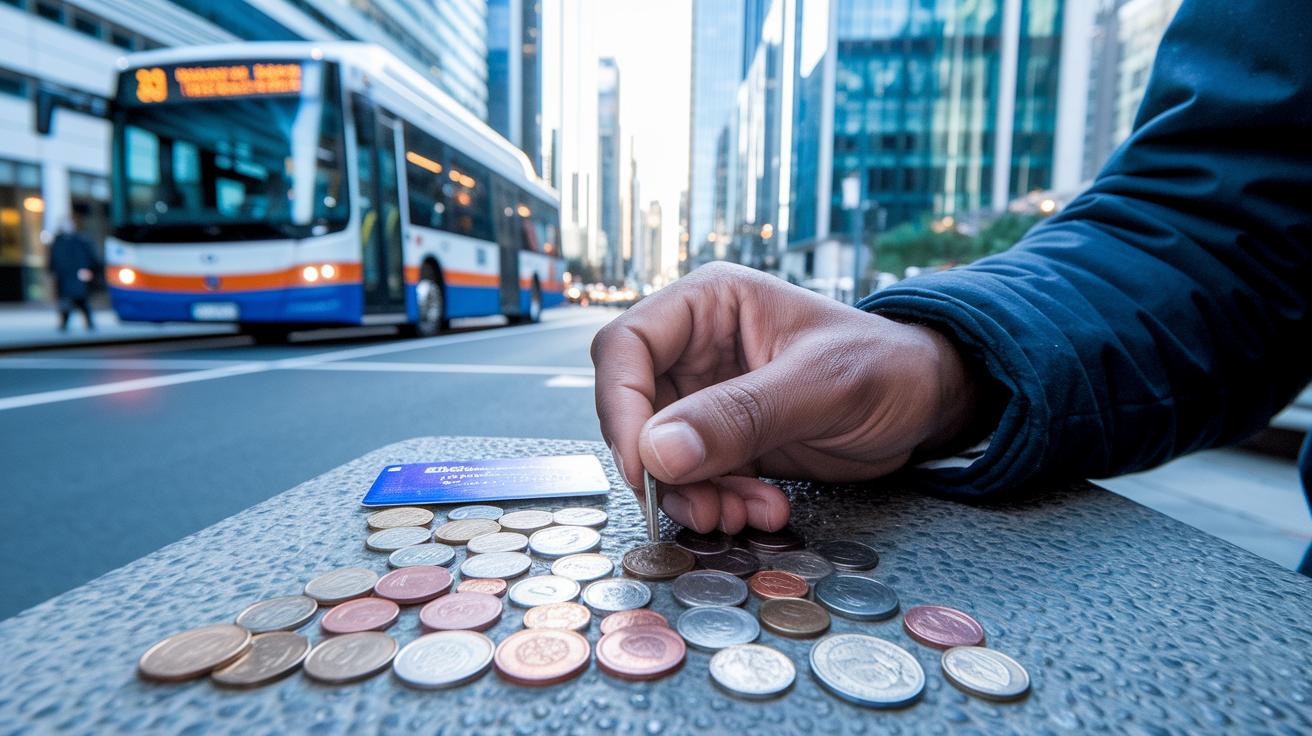
Saving money on transit can be part of the adventure. A smart move is to use prepaid travel cards that lock in exchange rates. This way, even if the currency changes, you pay the same every time you add funds. I remember when I switched to a prepaid card, I saved nearly 15% on my weekly passes!
When planning your travel budget, compare single tickets with daily or weekly passes. If you have several trips lined up in one day, a pass might work out better. And if you’re traveling with friends, check if there are any group rates or off-peak discounts available.
It also helps to use local top-up kiosks. They often let you avoid extra fees that international banks might add. A quick currency conversion check before buying your ticket can show you which option saves more money.
Here are a few handy tips to keep costs low:
- Use prepaid travel cards to secure good exchange rates.
- Compare single-use tickets with daily or weekly passes.
- Look into group discounts and off-peak fares.
- Utilize local top-up kiosks to dodge extra charges.
By planning ahead and using these smart tips, you'll stretch your travel budget and enjoy every ride on your overseas adventure.
Handling Disruptions and Contingency Planning in Overseas Transit
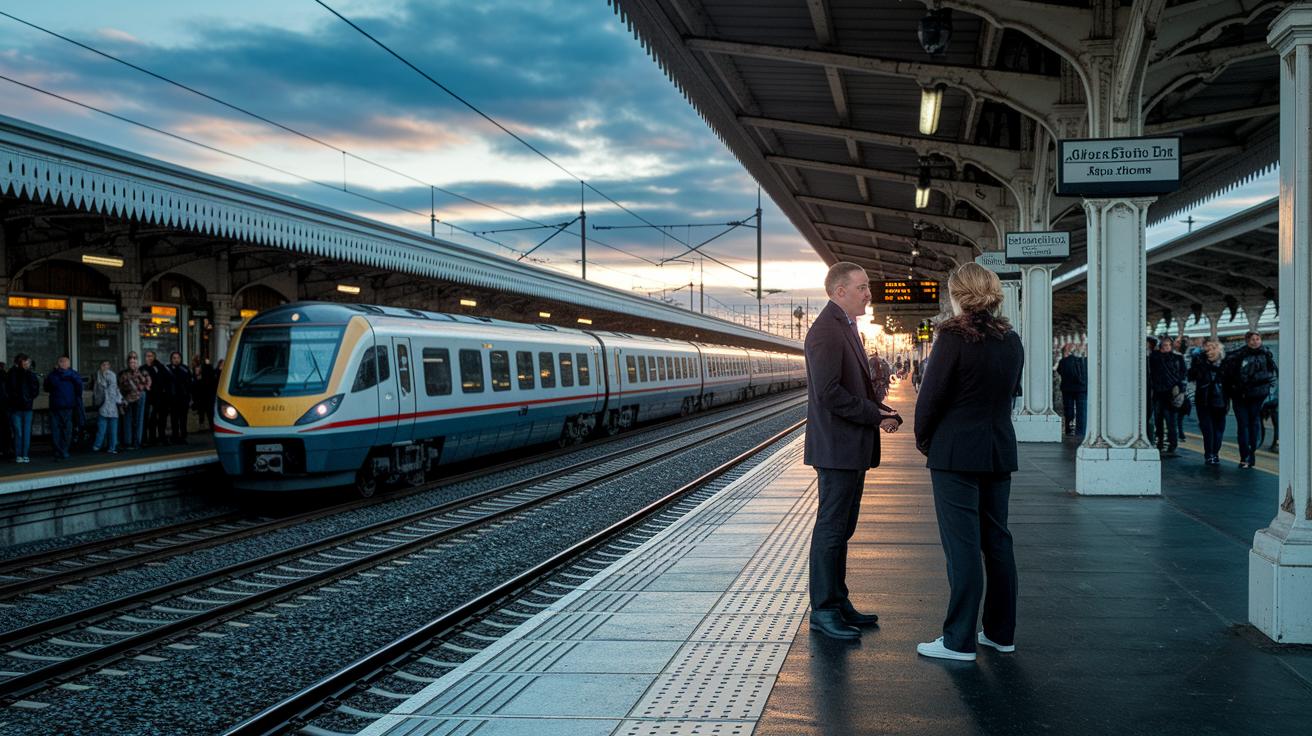
Traveling overseas is full of surprises, and sometimes plans go a bit off track. If you find yourself missing your stop or a service gets canceled, take a deep breath and speak with the station staff. For example, if you miss your metro exit, a friendly chat with an employee can help you figure out the best way back.
It’s always wise to be ready for delays or crowded moments. Think about having a backup route or another way to get around. If a bus is late because of traffic or a shower of rain, knowing there's a nearby metro or taxi service can really save your day. And checking the weather before you set off can help you dodge sudden downpours or other surprises.
It’s a good idea to keep handy a list of local emergency contacts and evacuation routes, just in case. Here are a few quick tips to help you get set:
| Find the closest emergency exits and note important contact numbers at major stations. |
| Get to know alternative transportation options in the area. |
| Keep your travel plans updated so you’re ready for any changes. |
| Stay tuned to the weather forecast and any service alerts. |
Taking a little extra time to plan can help you handle any bumps in your journey smoothly and keep your adventure moving forward.
Final Words
In the action, we explored pre-trip planning, key transit modes, fare tips, digital tools, and safety protocols to help you tackle public transportation overseas. Each section served as a piece of the puzzle, from forming mental maps to embracing local etiquette, for building a smooth travel experience. This essential guide to navigating public transportation overseas encourages you to combine practical planning with an open, adventurous spirit. Happy travels and enjoy every step of your journey!
FAQ
How do I navigate public transportation overseas?
Navigating public transportation overseas means preparing a mental map of key areas and reviewing transit modes like buses, metros, and ferries. This planning helps you choose the best option for a smooth travel experience.
How can I effectively plan my public transportation itinerary abroad?
Effectively planning your itinerary involves researching transit modes, downloading official apps, checking ticket options, and learning basic transit phrases. This method ensures that you’re ready for every leg of your journey.
What are the most common transportation modes overseas?
The common overseas modes include buses, metros, trams, ferries, and taxis. Each option has its own boarding process and fare system, so knowing the basics of each helps you travel confidently.
How do I purchase tickets and understand fare structures overseas?
Purchasing tickets overseas requires knowing different fare structures like zone-based, flat, and distance-based systems. Using local fare tables and understanding validation methods keeps your travel smooth and cost-effective.
What digital navigation tools are useful when traveling abroad?
Useful digital tools include mapping apps like Google Maps, official transit apps, and translation apps. These tools help you track real-time schedules, plan routes, and make digital ticketing hassle-free.
How can I ensure safety and proper etiquette on public transit overseas?
Ensuring safety means avoiding peak-hour crowds, keeping valuables secure, and following local etiquette like letting passengers exit first. Reading local signage and observing proper boarding procedures adds to your secure experience.
What cost-effective tips can help reduce transportation expenses overseas?
Cost-effective tips include using prepaid travel cards, taking advantage of group or off-peak discounts, and comparing fares for passes. These strategies help you manage your budget while enjoying reliable transit options.
How do I handle transportation disruptions and plan for contingencies abroad?
Handling disruptions means having backup routes, contacting station staff calmly, monitoring schedule changes, and knowing local emergency contacts. Being prepared this way lets you adjust your plans smoothly during unexpected delays.