
Ever wondered why so many travelers miss out on Europe’s true charm? The trick is to see it through local eyes. Picture yourself in a snug neighborhood café, sharing friendly smiles with local folks and chatting over a warm cup of coffee. You might even discover quiet spots and secret streets that typical tours never mention.
By picking up a few useful local phrases and taking leisurely walks through the city, you can turn your trip into a collection of little, unforgettable experiences. Isn’t it amazing how these simple changes can capture the real heart of Europe?
Unlocking Europe Like a Local: Insider Essentials
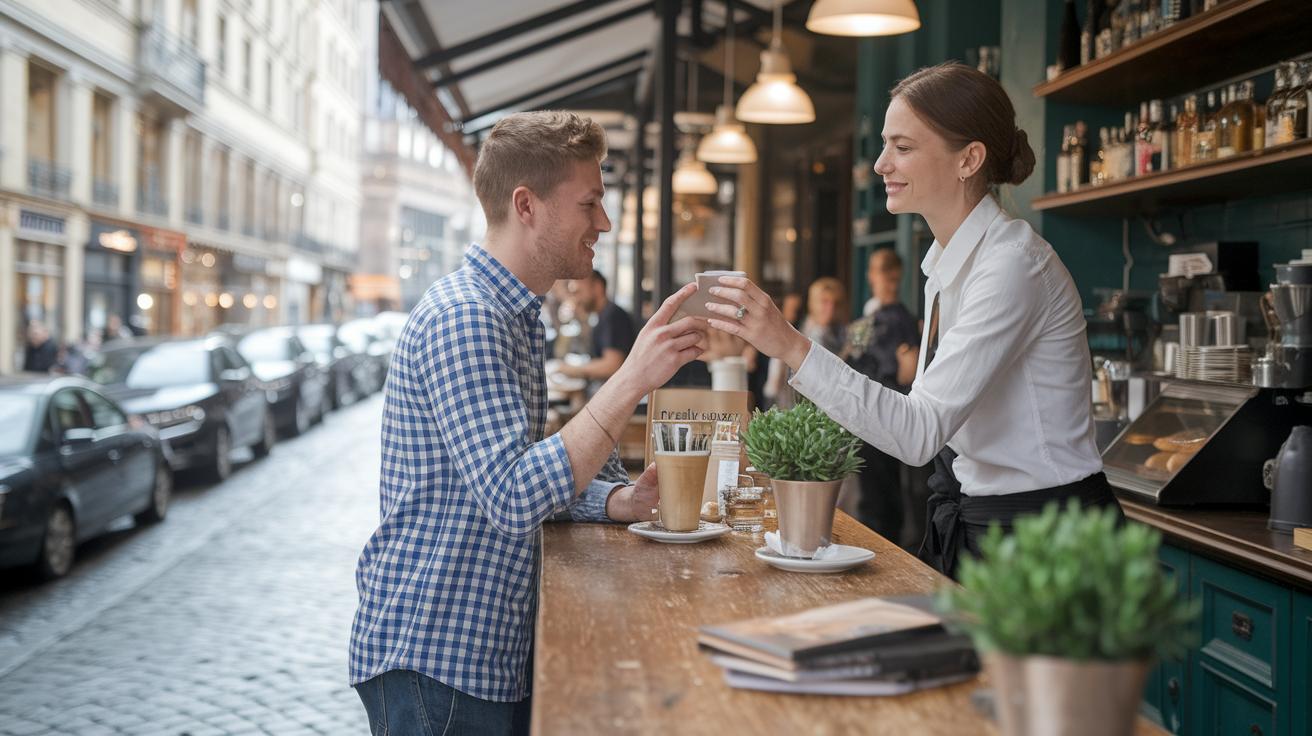
When you step into a new European city, switch your mindset from tourist to local explorer. Picture yourself in a cozy neighborhood café, exchanging a friendly "hello" or "thank you" with the locals. This little shift opens up a world of secret spots and warm conversations, turning familiar streets into a welcoming home.
Being a local means catching the everyday rhythm and customs of the place. When you trade the rushed steps of sightseeing for a leisurely stroll, you start noticing simple pleasures, like the inviting smell from a nearby bakery or a surprise chat in a quiet park. Just dress in smart, comfy clothes and carry a bit of cash for treats from street vendors or a quick visit to a public restroom.
- Learn a few basic phrases like "hello," "thank you," and "goodbye" to connect with the people around you.
- Use private browsing on search engines to uncover great deals on low-cost flights.
- Keep a budget in mind: try for about 100 EUR a day in Western Europe, 70 EUR in Central Europe, and 50 EUR in Eastern Europe.
- Consider a Eurail Pass to travel by train, these rides are fast, offer flexible routes, and are kinder to the environment.
- Tip discreetly (around 5–10%) to show respect for local service customs.
- Always have a little spare change handy for quick purchases or public facilities.
By adding these insider habits to your travel routine, every journey becomes more than just a visit. Imagine wandering through a bustling local market, chatting with a shopkeeper in simple local lingo, and smoothly catching a public bus. These habits don’t just make your day-to-day adventures richer, they turn a short trip into a string of lasting, genuine moments.
Navigating Neighborhoods: Local Urban Exploration Strategies
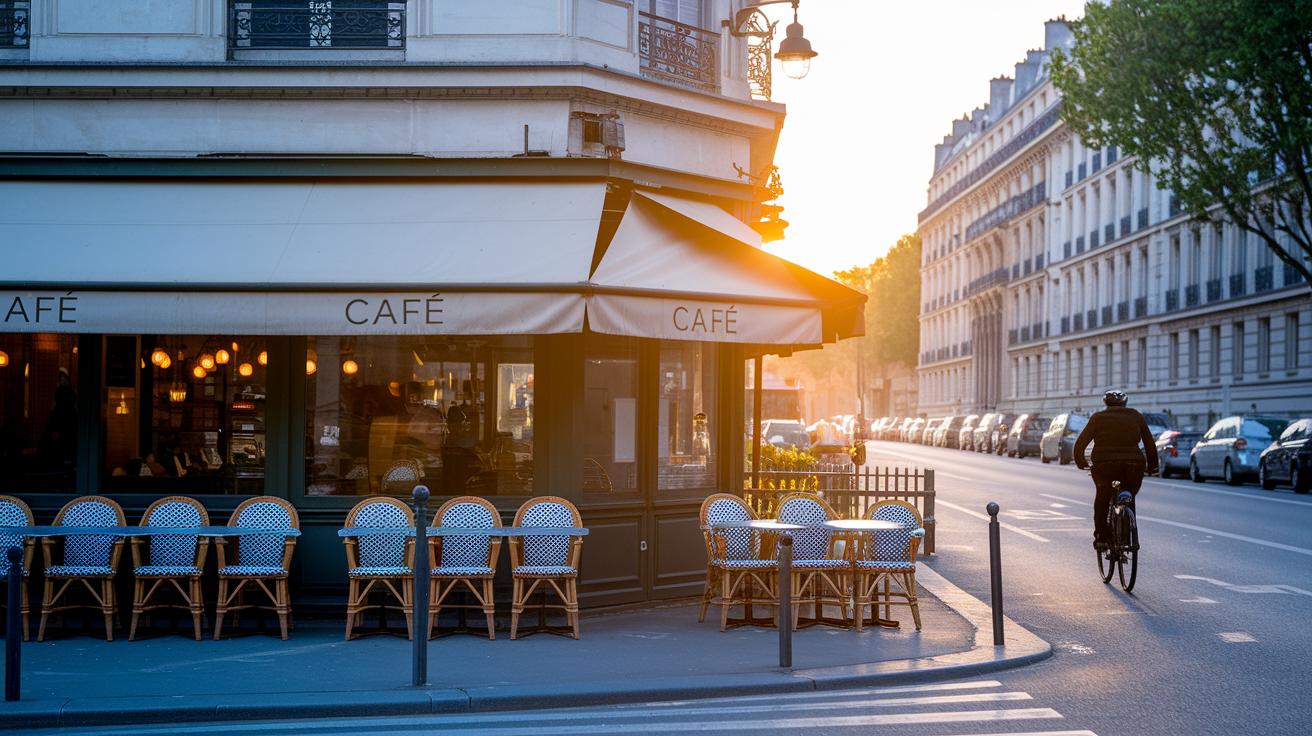
Exploring a city one neighborhood at a time reveals a side that big tourist spots often miss. When you wander down quiet streets, you might stumble on a tucked-away café, a small artisan shop, or a splash of spontaneous street art that gives the area its special vibe. Imagine taking a leisurely walk or a bike ride through places like Paris’s Latin Quarter or Amsterdam’s Jordaan. It’s like stepping right into the daily lives of local people.
| City | District | Highlight | Best Time |
|---|---|---|---|
| Paris | Latin Quarter | Historic charm & intimate cafés | Spring |
| Paris | Montmartre | Bohemian art scene & lively street performances | Fall |
| Amsterdam | Jordaan | Canal views & artisan boutiques | Summer |
| Barcelona | El Born | Boutique shopping & vibrant plazas | Late Spring |
| Berlin | Kreuzberg | Graffiti art & cultural diversity | Autumn |
To really blend in like a local, try using public transportation and be mindful of the quieter side of life in residential neighborhoods. Keep your phone chats soft and respect the local pace. Watching how locals behave can turn every part of your journey into a personal dive into culture and community.
Off-the-Beaten-Path Adventures: Discovering Hidden Gems in Europe
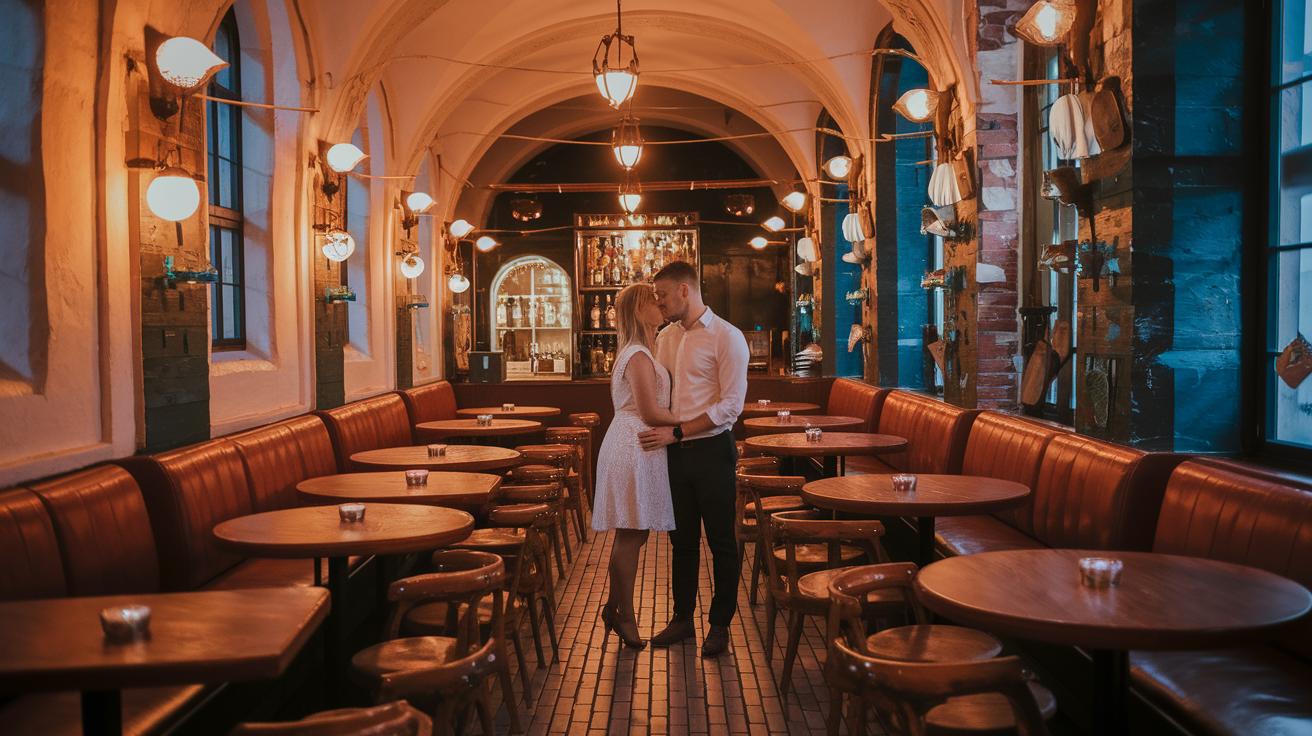
Europe has so much more to offer than the well-known postcard spots. Instead of sticking to busy tourist trails, try venturing down quieter streets and alleys where locals spend their days. Imagine discovering a quiet, quirky bar tucked away in a historic neighborhood or a lively street corner where you can share a laugh with friendly residents. Even a tiny detour might lead you to a narrow lane filled with centuries-old stories or the inviting aroma of freshly cooked street food.
- Explore Budapest’s ruin bar scene at Szimpla Kert. Head there on a calm weekday evening to soak in the quirky décor and relaxed vibe.
- Visit the Instant-Fogas Complex in Budapest. Enjoy live indie music and mingle with locals who offer genuine insights about their city.
- Join the wild fun of Buñol’s La Tomatina food fight. The best time to join in is on the last Wednesday of August.
- Taste some whisky on Scotland’s Islay. Sample special drams at a working distillery like Laphroaig for an insider experience.
- Wander through Slovenia’s charming coastal town of Piran. Enjoy narrow alleys and seaside cafes during quieter times.
- Stroll around Slovenia’s capital, Ljubljana. Discover hidden streets and local markets where everyday life unfolds.
- Look for secret street art tours in unexpected corners of European cities. Ask a local about their favorite lesser-known murals for an authentic tour.
Let your curiosity lead the way, chat with residents, and explore those side streets. Sometimes, the best adventures are the ones you stumble upon on your own, turning each journey into a personal and unforgettable European story.
Transport Hacks for Seamless Local Travel Across Europe
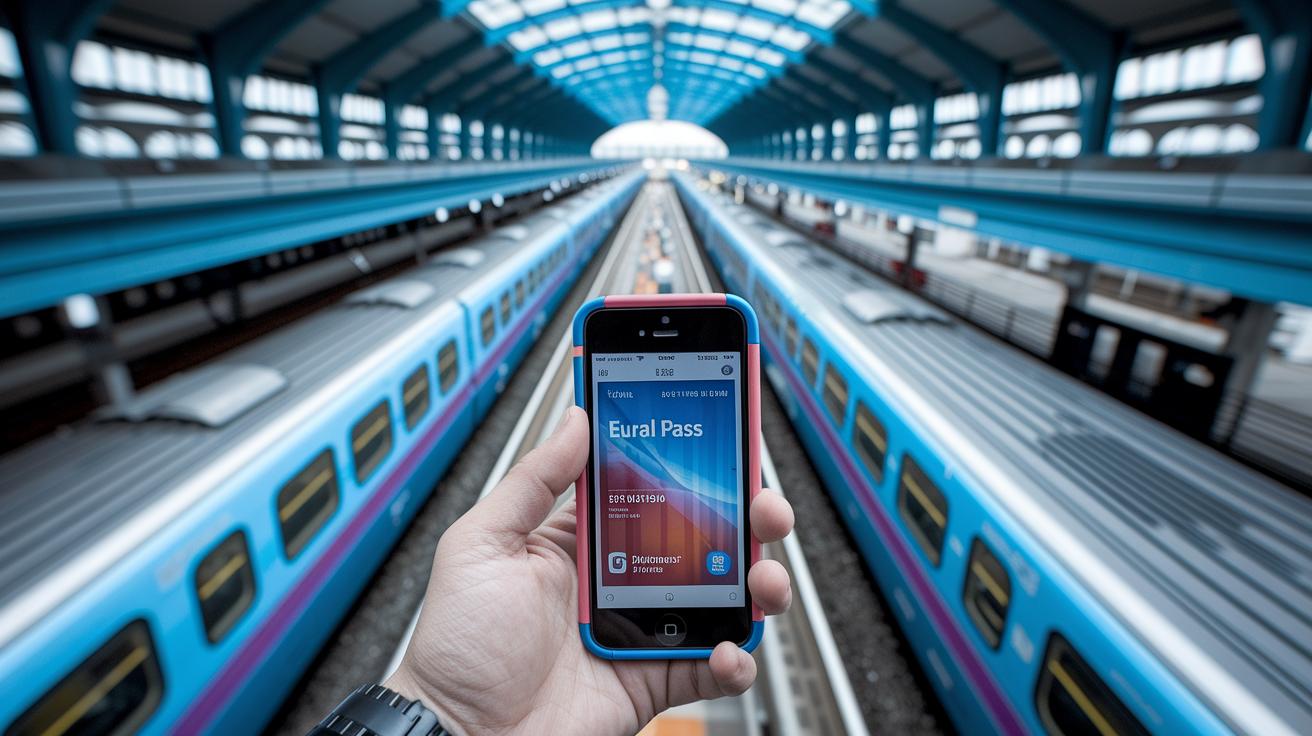
Europe's transport system is like a giant playground full of options. You've got speedy trains that zoom at 217 mph, budget buses, and handy metro networks. It makes exploring vibrant city spots feel easy and very local.
Try these ideas on for size:
- Grab a Eurail Pass. It lets you hop on fast trains with flexible routes while keeping your carbon footprint low.
- When booking flights or train tickets, use incognito or private browsing. It might help you snag a better deal.
- Consider traveling at night on buses or trains. It saves money and leaves your day free for adventures.
- Download local transport apps. They give you real-time updates on schedules and routes so you never miss a ride.
- Keep offline maps and translation apps at the ready. They make asking locals for directions or tips a breeze.
Mix these travel tricks and you’ve got a plan that’s as flexible as it is fun. Imagine starting your day with a quick tram ride for about 5–12 EUR, then zipping off on a high-speed train to the next city, and finally winding down on a comfy bus ride in the evening. This blend of short trips not only cuts costs but also lets you see Europe through the eyes of its residents. Enjoy the journey and happy exploring!
Immersive Cultural Experiences: Festivals, Art, and Community
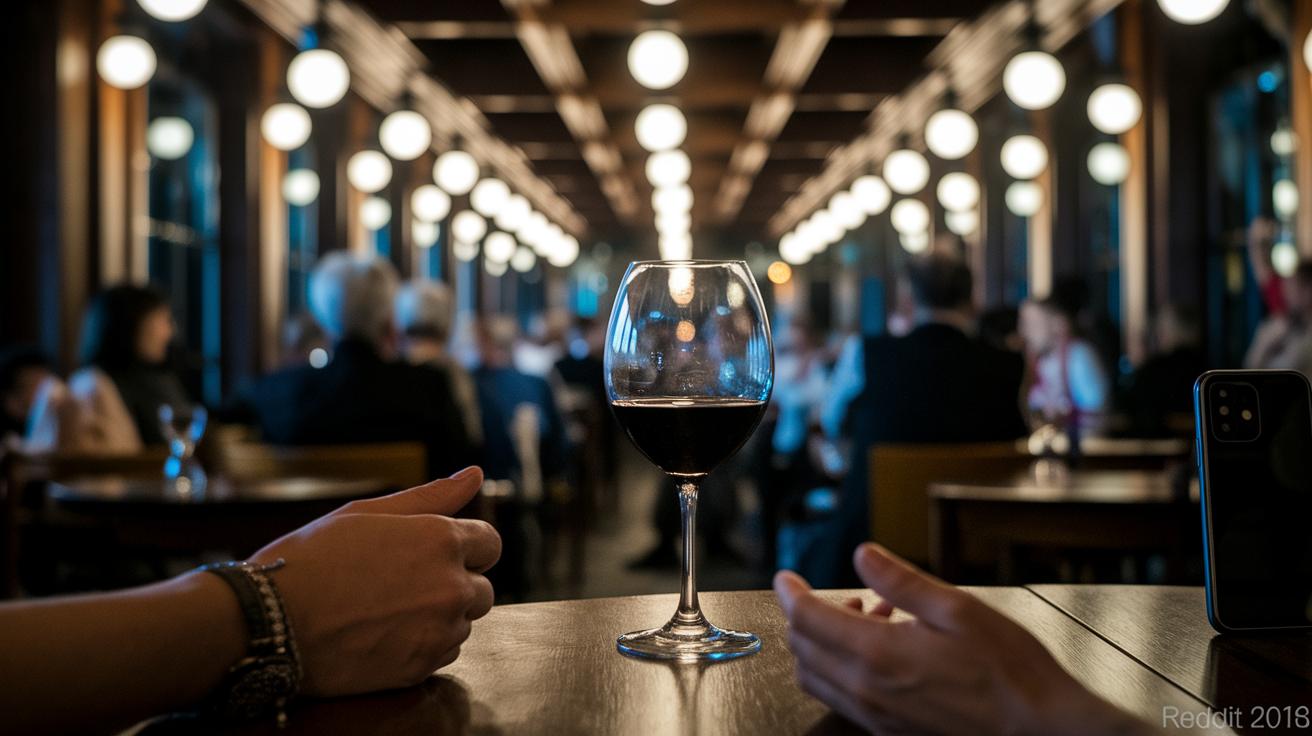
Imagine yourself in Lisbon one cozy evening. Fado music fills a small venue, and every soulful note feels personal. You'll find yourself chatting with local artists and residents, sharing stories and smiles over a simple glass of wine. Wandering nearby, the inviting aroma of freshly baked bread and strong, local coffee leads you to artisan markets where each handmade piece has its own little tale.
Now, picture traveling to quieter regions where festivals unfold away from tourist crowds. In the Loire Valley, you can join wine tours under rows of over 1,000 vineyards, soaking in an atmosphere that feels both elegant and relaxed. Over in the Balkans and Baltics, summer festivals offer a genuine peek into local life with a friendly, understated vibe. And if you ever visit bustling cities like Berlin or Prague, free street-art tours and local guided walks will let you dive into community creativity while events like La Tomatina add a fun, energetic twist.
Authentic Culinary Journeys: Food and Drink with Native Flair
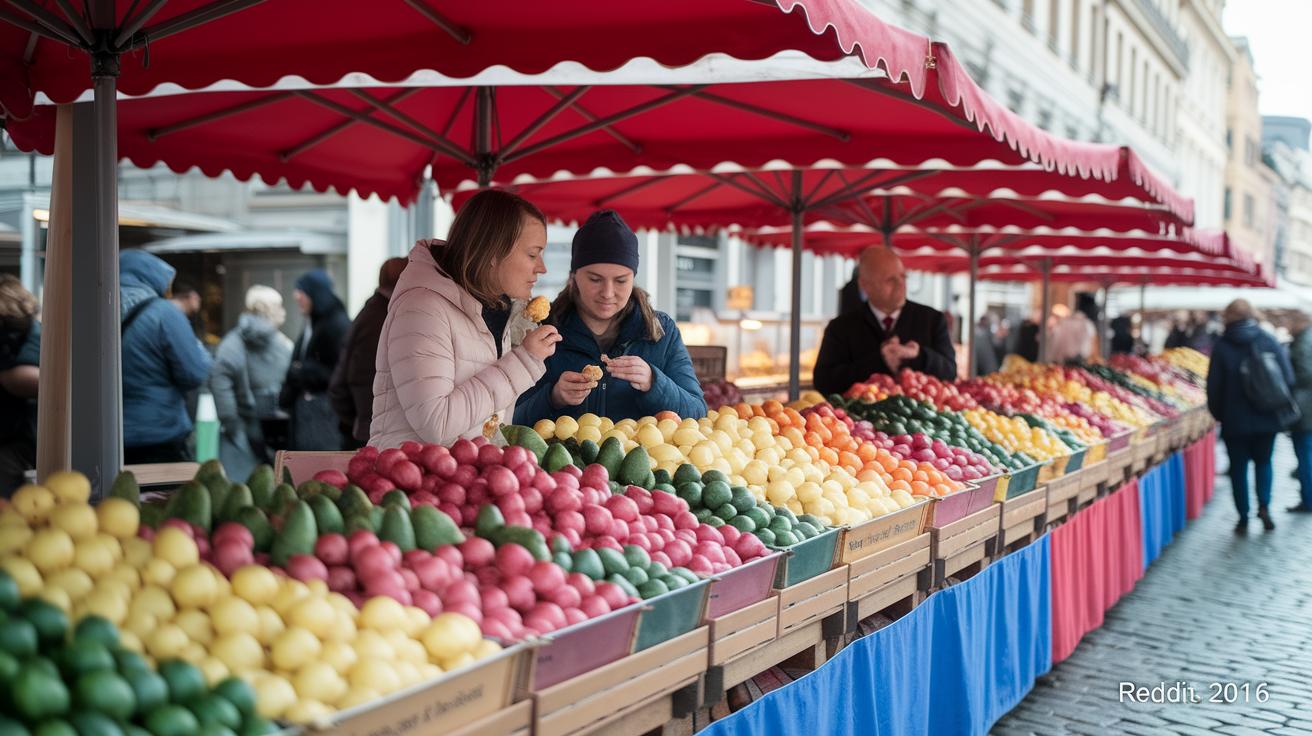
Taking a market tour, joining a cooking class, or enjoying a cozy tasting really opens up a region’s soul. Imagine walking through a busy market where bright colors, inviting smells, and friendly chatter make you feel like you’re on a little adventure. In spots like Madrid’s Mercado de San Miguel or Naples’s Porta Nolana, local vendors serve up the freshest finds and time-honored recipes, mixing the familiar with the unexpected.
Strolling the lively streets in Barcelona and Berlin, every little stall bursts with local charm. Have you ever tasted warm churros dusted with sugar in Barcelona or the crispy, flavorful currywurst in Berlin? These quick bites capture the heartbeat of each city, offering a true taste of everyday life.
In a cozy Roman kitchen or a bright Valencian workshop, you can join cooking classes that do more than just teach recipes, they share heartfelt local stories. And later on, unwind at a family-run wine tasting in Tuscany, where each sip feels like a warm reminder of the countryside’s rich history. In truth, these food and drink experiences turn ordinary meals into unforgettable cultural adventures.
Unique Stays: Alternative Lodging and Local Homestays
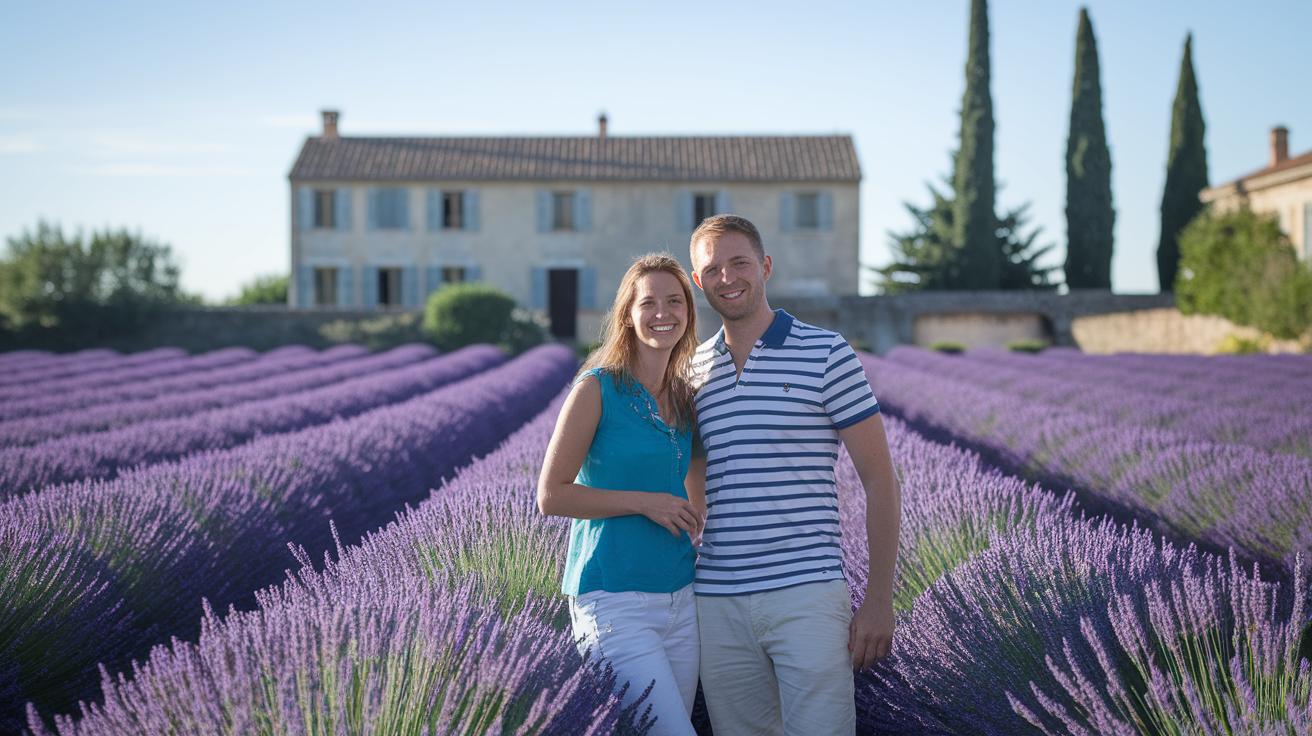
When you pick an alternative place to stay, you’re not just booking a room, you’re stepping into the local scene. Instead of familiar chain hotels, you can try a farm stay or a cute guesthouse. It’s a great way to meet your host and get the inside scoop on secret spots that guidebooks might miss.
Out in the countryside, you can kick back in a charming farmhouse in Provence or a cozy cottage in the Cotswolds. Picture yourself waking up in a Tuscan agritourism; you might get pampered by olive-mill stays or vineyard homestays that let you savor local foods and ancient traditions. These spots keep things authentic and relaxed while putting nature and community front and center.
In the city, staying with a local adds a fun twist to your trip. Think about neighborhoods like Kreuzberg in Berlin or Alfama in Lisbon, you get to see the city as a true insider. And in places like Eastern Europe, you can enjoy guesthouses that cost about 50 EUR a night, making it easy to dive into the local vibe without stretching your budget.
Budget and Sustainability: Cost-Saving Tips and Responsible Travel

Traveling on a budget doesn’t mean you have to miss out on authentic local experiences. Instead, mix smart cost-saving tips with eco-friendly ideas to uncover Europe’s hidden gems in a responsible way. For example, grabbing a city day pass for just 5 to 12 euros not only saves you money but also makes local travel a breeze. And if you plan your trip during off-peak times in places like the Balkans or Baltics, you’ll enjoy a more relaxed vibe and a genuine taste of the region.
Here are a few more ideas to keep your travels green and affordable:
- Choose carbon-offset rail trips to lower your impact on the environment.
- Carry a reusable water bottle so you skip buying extra bottled water and reduce waste.
- Use local discount apps to score deals on meals and attractions.
- Snap up city day passes for easy access to buses, trams, and metros.
- Head out during off-peak times to save money and dodge the crowds.
Keep in mind that setting a daily budget can really help. In Western Europe, you might budget around 100 euros, about 70 euros in Central Europe, and roughly 50 euros in Eastern Europe. Balancing saving money with eco-friendly habits makes each trip not just a journey, but an immersive adventure that’s both wallet-friendly and kind to the planet.
Creating Personalized Itineraries: Insider Itineraries for True Explorers
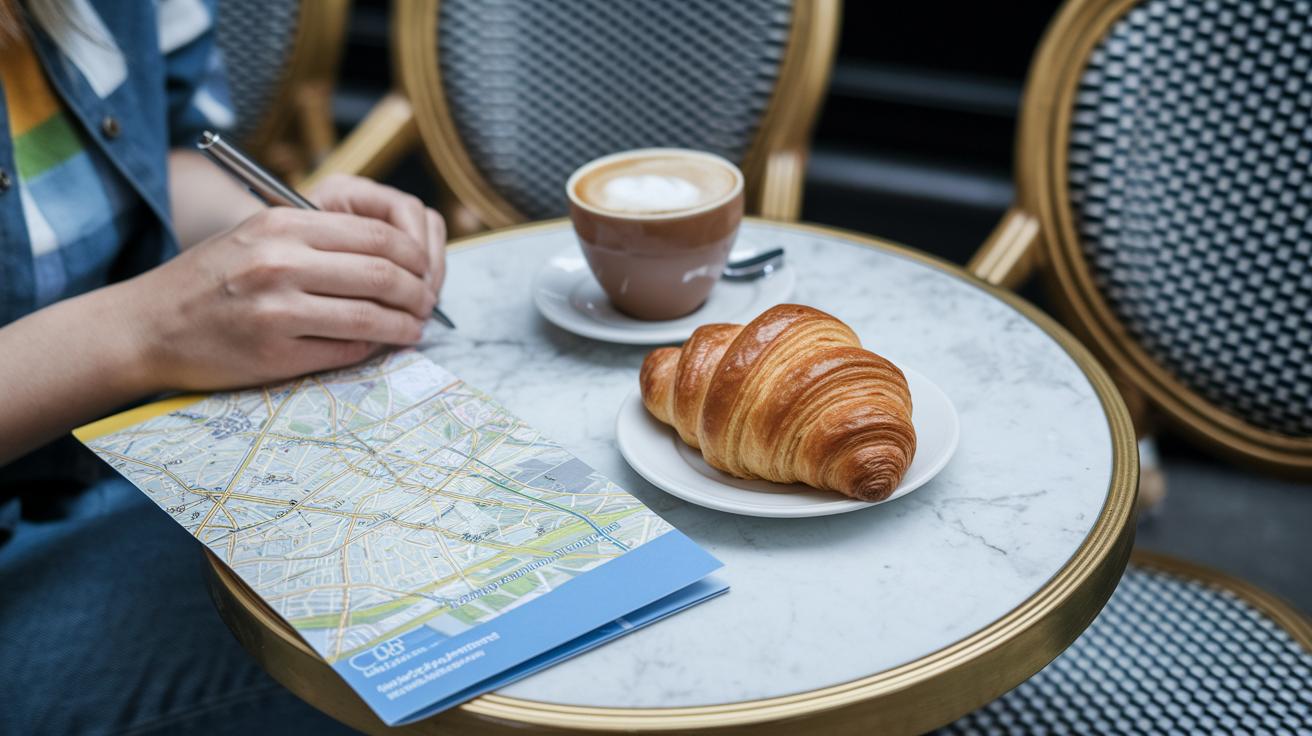
First off, set a clear goal for your trip that goes beyond just checking off famous attractions. Think about savoring local food in Paris, wandering through the charming canal districts in Amsterdam, or soaking up Berlin's vibrant art scene. Let your plan mirror your personal interests while leaving plenty of room for those delightful, unexpected moments with locals.
Start by picking a region that really sparks your curiosity. Spend a little time exploring what makes it unique, from its history to its everyday traditions. Then, think about how long you'll be there. Maybe you're up for a focused 7-day adventure, a scenic 10-day coastal drive in Sweden, or a shorter 4–5 day journey on the last leg of El Camino de Santiago.
Keep an eye out for hidden gems, maybe a quiet café or a tucked-away museum that only locals know about. Look for insider tips and local recommendations to help you discover these spots. Also, plan to join events that match the vibe of the place, like regional festivals or neighborhood gatherings that bring the local spirit to life.
Finally, double-check your budget. A handy tip is to try and stick roughly to 30% of your funds for lodging, 40% for food and unique experiences, and 30% for getting around.
Using this approach, you can create an itinerary that’s as unique as you are and truly immerse yourself in the local culture. Enjoy every moment of your adventure!
Final Words
In the action, we explored how shifting your mindset can transform a trip into an authentic European adventure. We walked through blending in with locals, exploring hidden neighborhoods, and uncovering off-the-beaten-path gems. Practical transport hacks, immersive cultural moments, and unique stays added even more flavor to every journey. We also shared budget tips and steps to create your own personalized itinerary. Let these practical tips and heartfelt stories inspire your next adventure, using our insider guide to traveling like a local in Europe. Happy travels and memorable discoveries await!
FAQ
How can I find insider Reddit guides for traveling like a local in Europe?
The insider guides on Reddit share real traveler experiences that help you blend in by offering off-the-beaten-path recommendations, budget tips, and local customs to turn your trip into an authentic adventure.
What are some tips for traveling to Europe for the first time?
The tips for first-time travelers involve planning key landmarks, trying local cuisine, and embracing new customs. Combining careful prep, local advice, and a flexible itinerary can make your journey both smooth and memorable.
What is ETIAS and how does it affect my Europe travel?
The ETIAS is a travel authorization system for visa-exempt visitors entering Europe. It simplifies border control and enhances travel security, ensuring a smoother entry process into participating countries.
Where can I find a Europe travel checklist PDF?
The Europe travel checklist PDF provides a ready-to-use guide for packing essentials, important documents, and handy tips. You can often find this resource on travel blogs or official tourism websites.
What are some recommended travel suggestions for Europe?
The travel recommendations for Europe suggest mixing landmark visits with hidden local gems, using public transport, and sampling regional foods. This balance encourages an immersive experience while enjoying both planned activities and spontaneous discoveries.
What do I need to travel in Europe?
The essentials for traveling in Europe include a valid passport, the required visa or ETIAS authorization, enough funds, and travel insurance. Adding a checklist of must-have items and learning basic local phrases can further enhance your journey.