
Ever wondered if one simple get-together could bring the whole world together? A world expo is a bit like that. It’s a lively festival where countries mix art, technology, and culture into one amazing journey.
Countries come together to show off their new ideas and dreams. In doing so, they spark conversations that stretch far beyond their borders. It reminds us that making progress isn’t something you do on your own, it’s a shared adventure.
Let’s take a closer look at how these expos build unexpected bridges, uniting people from all over by sharing their cultures and ideas.
Global Overview of the World Expo Phenomenon
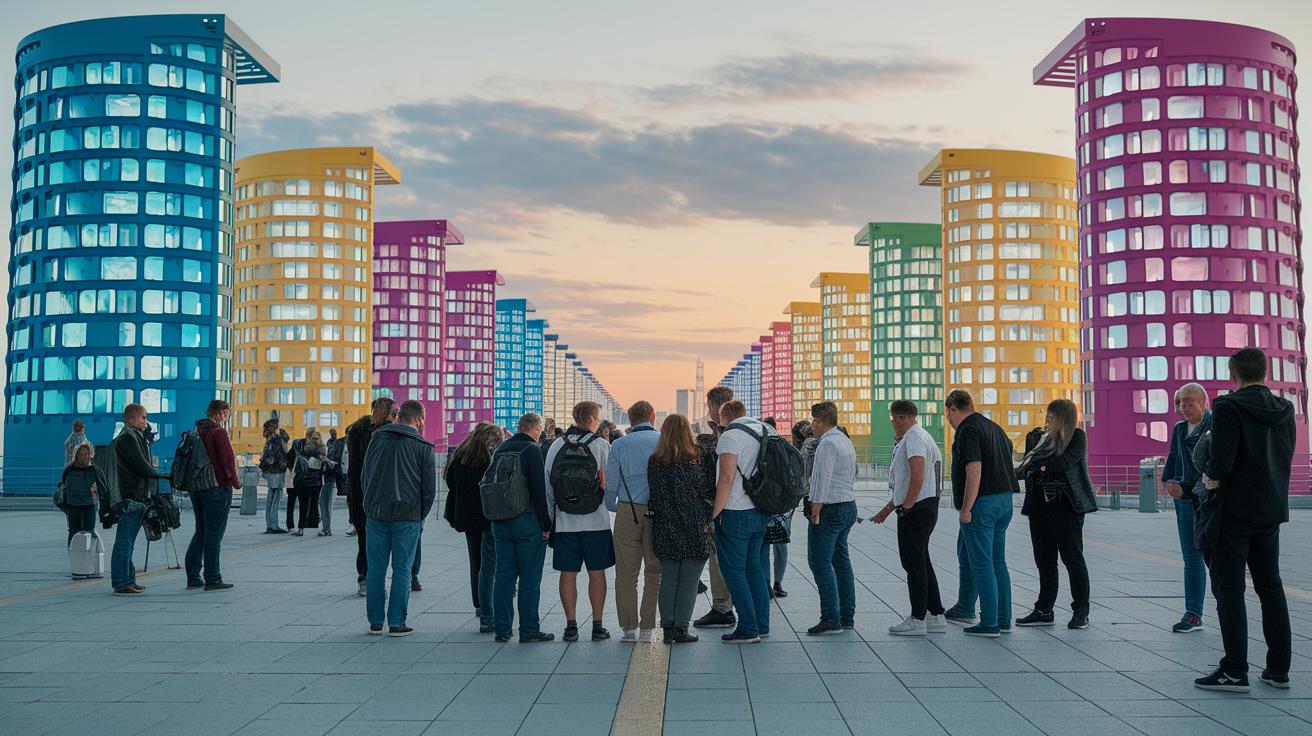
A World Expo is like a giant global meetup where countries show off what they're proud of, innovations, art, culture, and new ideas, all shared in one lively spot. It’s a chance for the host country to show off its progress and dreams, while inviting everyone to join the conversation and explore together. Think of it as a big fair where tech wonders and cultural treasures mix, sparking friendships and ideas that cross borders.
It all started back in 1851 with London’s Great Exhibition. Over the years, expos have given us amazing first looks at game-changing inventions. For example, in 1855 at Paris’s Exposition Universelle, people first saw vulcanised rubber by Goodyear. And then, in 1862 at the London International Exhibition, an early model of what we’d call a computer hinted at future tech magic. From the raw machinery of the Industrial Revolution to today’s vibrant, multimedia showcases, every expo adds a unique chapter to our shared history.
Today’s expos blend the latest tech with rich cultural stories, building bridges between the past and the future. They remind us that progress isn’t a solo journey, it’s a shared adventure full of surprises. Isn’t it inspiring how these events connect us all, sparking ideas that move the world forward?
Milestone Innovations at World Expos
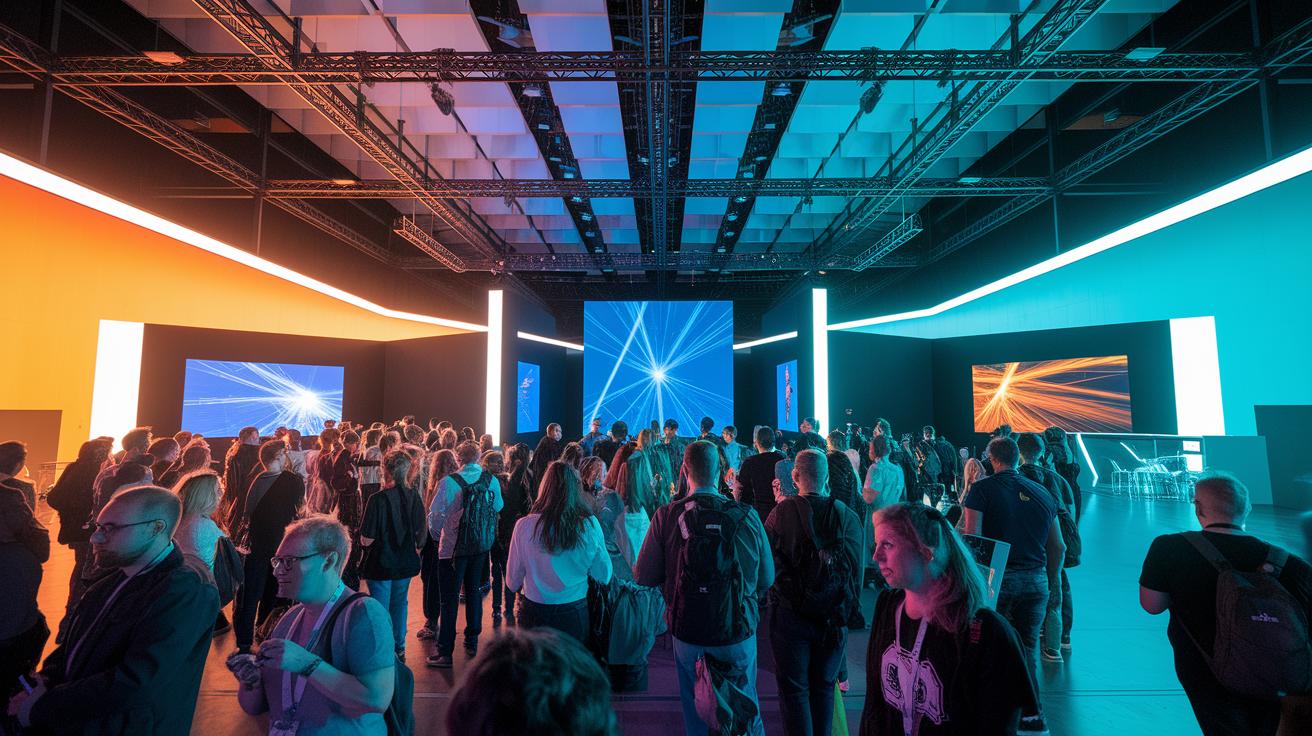
World expos have always been vibrant gathering spots where creativity and progress mix. They let you witness brilliant ideas that drive industries forward and spark the imagination of people from everywhere. It’s a reminder that innovation isn’t stuck in a lab; it’s a shared journey that brings different cultures together. Think about standing before breakthrough technology, it’s like watching history come alive, with each invention telling its own unique tale.
Expos aren’t just for launching new products, they’re lively stages where art and science blend seamlessly. Exhibitors craft their displays into engaging stories that capture the spirit of the times. These shared moments of discovery have given us many “firsts,” proving that exploring new ideas together makes us feel more connected. Here are a few standout milestones that have left a lasting impression:
- Vulcanised rubber – Paris 1855
- Babbage’s analytical engine – London 1862
- Telephone demonstration – Philadelphia 1876
- Solar collector – Paris 1878
- AC & dishwasher debut – Chicago 1933
- Touchscreen prototypes – Knoxville 1982
- Ultra HD TV showcase – Aichi 2005
These groundbreaking moments go far beyond the fairgrounds. Over time, they have reshaped industries and changed our daily lives. Early computer ideas paved the way for today’s digital revolution, while the telephone demo redefined global connections. Inventions like air conditioning have made our living and working spaces more comfortable. And innovations such as touchscreen technology and high-definition visuals have not only set higher expectations but also driven the creation of new gadgets we rely on every day. Each milestone is a spark in the grand bonfire of progress, lighting our path toward a more connected, inventive, and united world.
Iconic Architecture and Pavilion Designs at World Expos
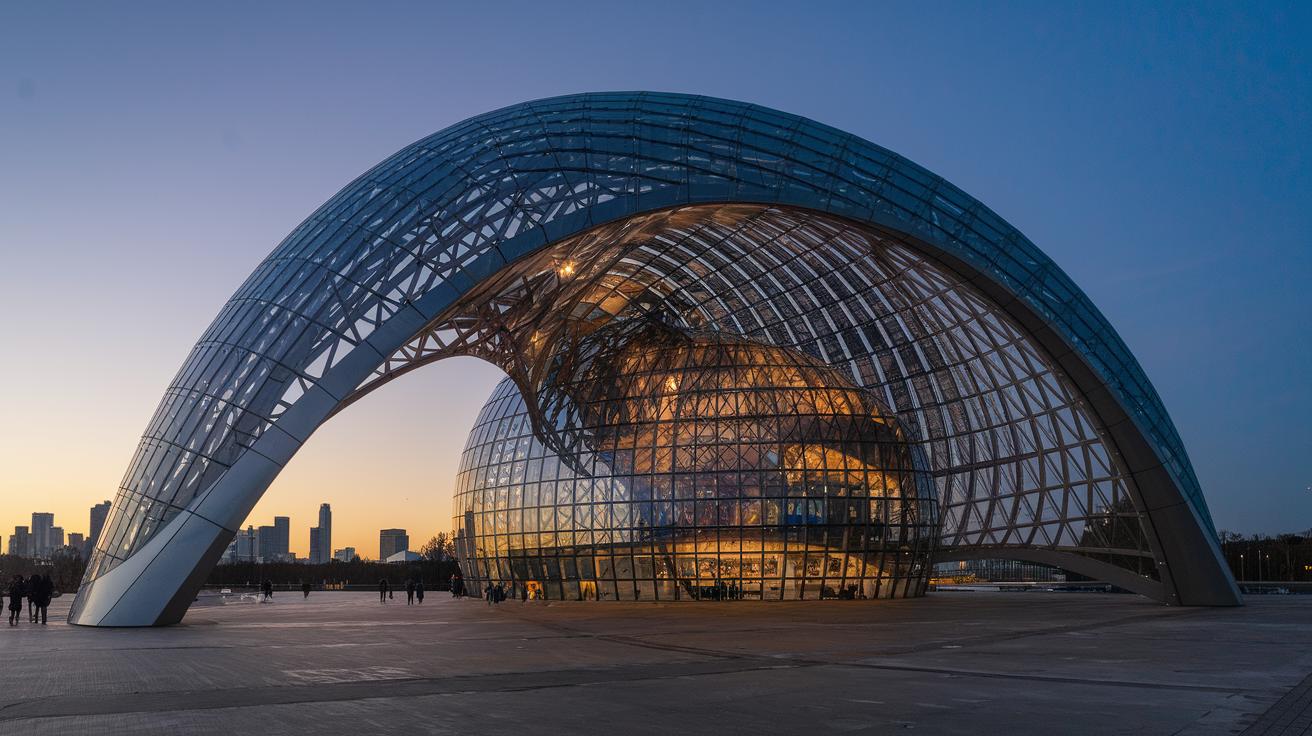
World expos are like giant stages where awe-inspiring buildings tell the story of a nation. These structures aren’t just walls and roofs, they’re symbols of cultural pride and fresh design ideas. Think about the Eiffel Tower in Paris from 1889. It's more than a monument; it captures the bold spirit and modern innovation of its time. Then there's Brussels’ Atomium from 1958, which blends art and science in a way that makes you feel like you’re stepping into the atomic age. Each of these designs is meant to stir emotions while showing off a country’s unique history and dreams for the future.
Expo pavilions are also places where national stories come alive. They mix simple elegance with visions of what’s yet to come. The German Pavilion, created by Mies van der Rohe and shown in Barcelona in 1929, broke free from old architectural rules with its modern look. The Space Needle in Seattle, built in 1962, challenges us to imagine new possibilities for urban life. And over in Melbourne, the Exhibition Building, a UNESCO World Heritage site from 1880, proves that blending heritage with modern ideas can create something truly special.
| Structure | Expo Year | Location | Significance |
|---|---|---|---|
| Eiffel Tower | 1889 | Paris | Symbol of modern engineering |
| Atomium | 1958 | Brussels | Icon of atomic age design |
| Space Needle | 1962 | Seattle | Futuristic landmark |
| German Pavilion | 1929 | Barcelona | Mies van der Rohe’s modernist landmark |
Contemporary and Upcoming World Expo Events
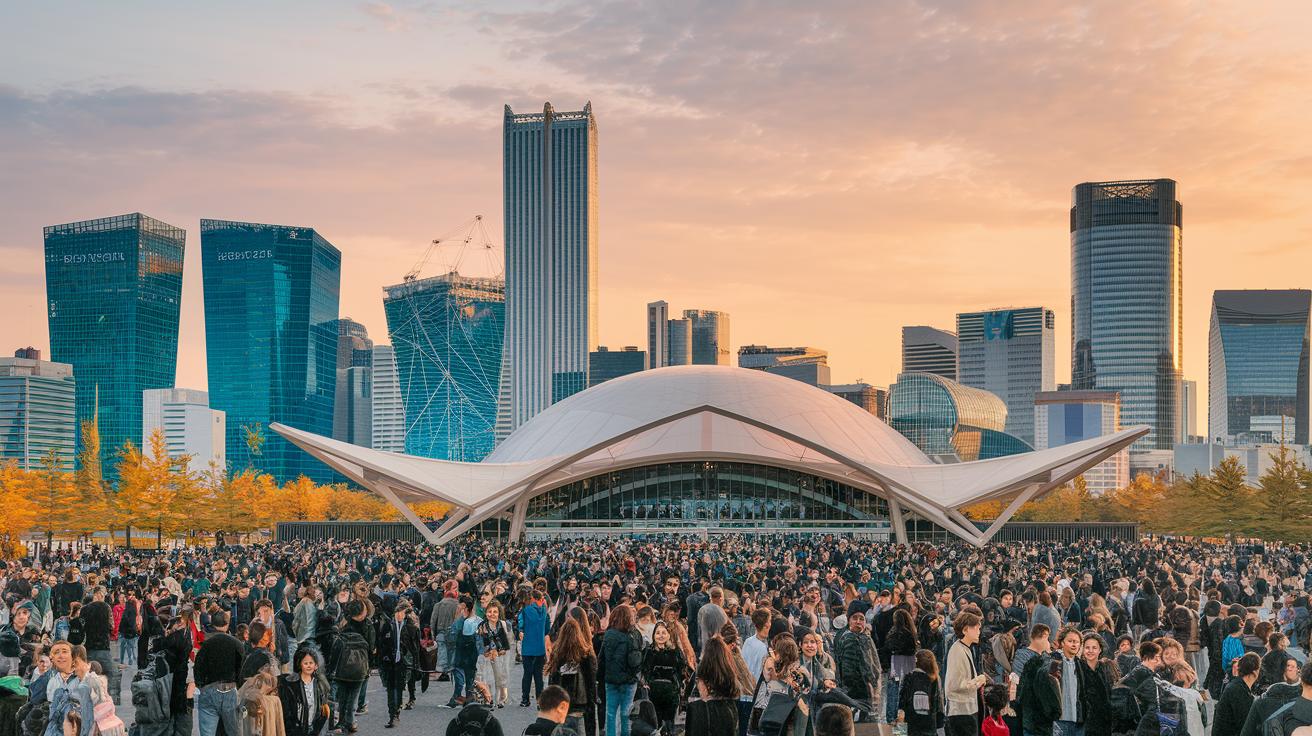
World expos have become huge celebrations of our progress and ingenuity. These events aren’t just exhibitions; they’re lively gatherings that bring people together from every corner of the globe. They mix breathtaking scales and clear themes that invite us all to dream of a shared, brighter future.
- Shanghai 2010 – "Better City, Better Life": Spanning 523 hectares and attracting 73.5 million visitors.
- Milan 2015 – "Feeding the Planet": Featuring a 1.5 km long main street and 350-meter secondary avenue.
- Dubai 2020 (held in 2021) – "Connecting Minds": Covering 438 hectares and drawing in 24 million visitors.
- Osaka 2025 – "Designing Future Society for Our Lives": Highlighting a stunning Gundam statue.
- Next Major Expo – Expected in 2030 with host selection still underway.
These expos are like global meet-ups where countries share their ideas, innovations, and cultural treasures. Think of Shanghai 2010 as a vibrant example, it welcomed huge crowds into a space celebrating sustainable city living, mixing smart tech with eco-friendly design. And then there’s Milan 2015, where visitors walked along lanes inspired by ancient Roman streets, all while learning about modern food security and resource care.
Looking ahead, the upcoming expos are set to connect cultures even more with interactive digital tools and immersive experiences. Organizers are using smart apps and virtual tours to bring exhibits to life, so even if you can’t be there in person, you won’t miss a beat. This push for better connectivity shows that working together on technology, sustainability, and heritage is really what these events are all about. It’s exciting to see how nations are crafting spaces that celebrate our common dreams and invite everyone to join the journey toward a more united future.
Visitor Experience and Ticketing for World Expos
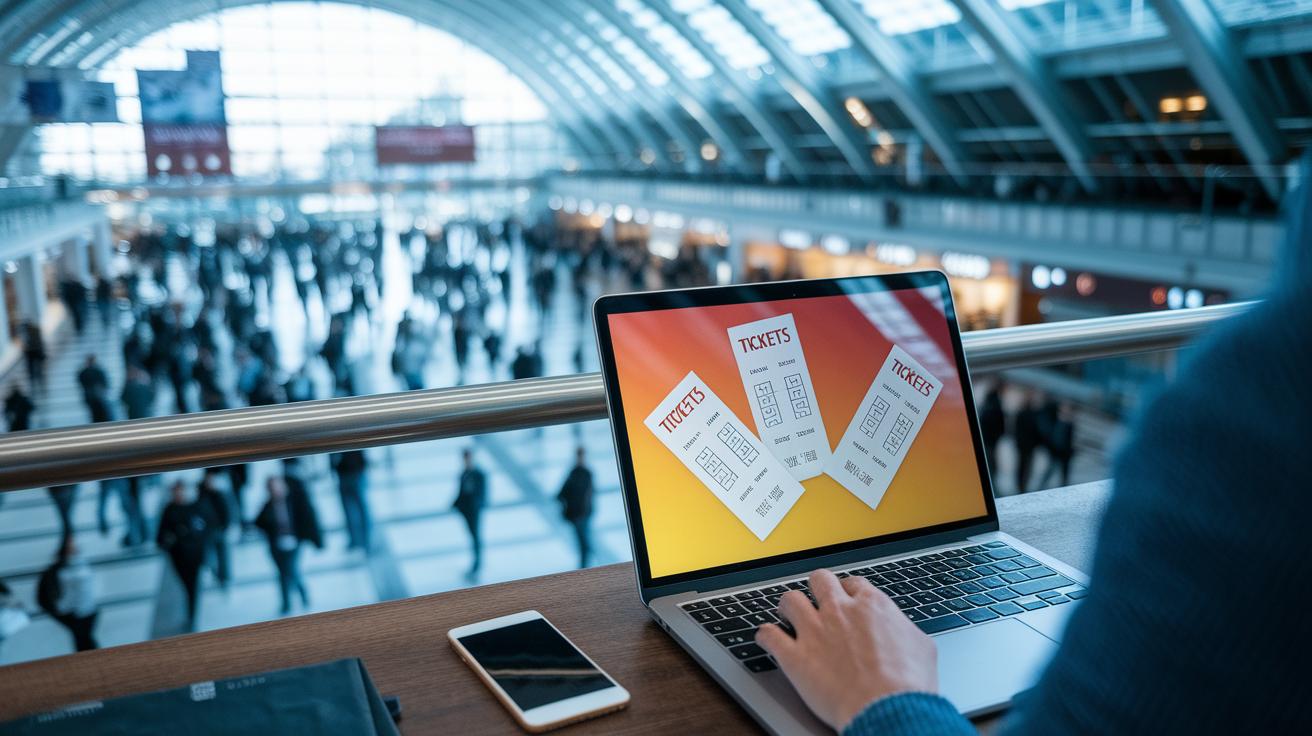
Modern expos today make visiting super easy by letting you register and buy tickets online. You can choose from one-day passes, multi-day passes, or special VIP packages that give you a little extra. It’s a bit like booking a flight online, simple, fast, and designed to fit your travel plans. For instance, look at Shanghai, where 73.5 million visitors grabbed their digital tickets, showing just how popular this way of buying tickets can be.
When you’re getting ready for an expo, picking the right ticket can really set the tone for your visit. Think about whether a one-day pass will do, or if you’d rather have a multi-day option so you can see everything at your own pace. Many expos now offer handy app tools that help you plan your visit during quieter times and buzz you about any cool promotions or shorter wait times. In the end, it’s all about balancing your time, interests, and budget to make every moment as exciting and enriching as a well-curated global exhibit.
Behind the Scenes Planning of World Expos
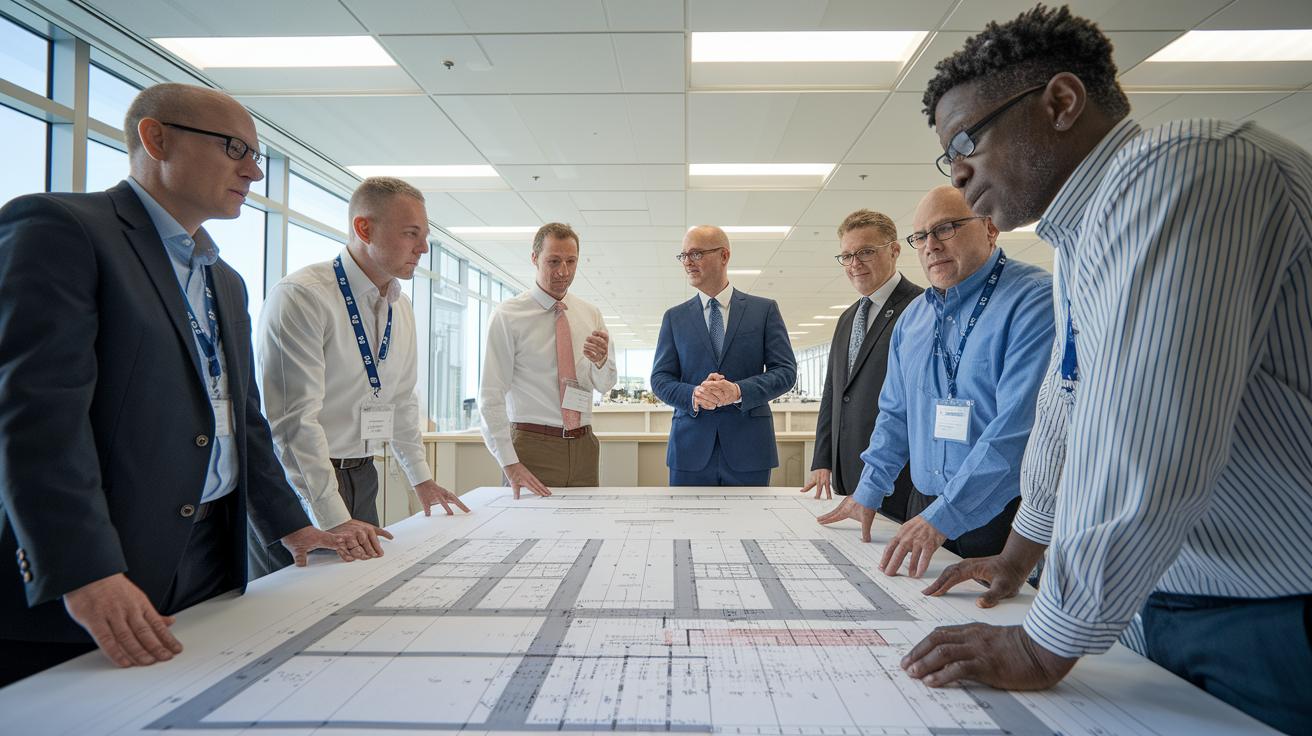
Planning a world expo is a long journey, it can take five to eight years to get everything ready. Organizers work with local officials, business sponsors, and cultural groups, all aiming to create an event that meets top safety, innovation, and green standards. It’s kind of like planning a big family reunion; every detail matters, from the initial spark of an idea to making sure all the logistics are just right for the big day.
The layout of the expo site is really important too. These events can last up to six months and cover vast areas. Planners carefully design transport routes, plan visitor paths, and set up the basics so that everything flows smoothly. Imagine setting up a huge festival where every walkway and exit is perfectly planned so that everyone can enjoy the show without feeling crowded.
Green practices are a big deal in expo planning as well. In past expos, like the 1974 Spokane event with its nature themes or the 1975 Okinawa expo with its innovative floating city and water recycling system, sustainability took center stage. Today, organizers focus on eco-friendly pavilions, renewable energy, and effective recycling programs. These efforts not only help the planet but also inspire future events to follow a greener path.
Cultural Exchange and Education at World Expos
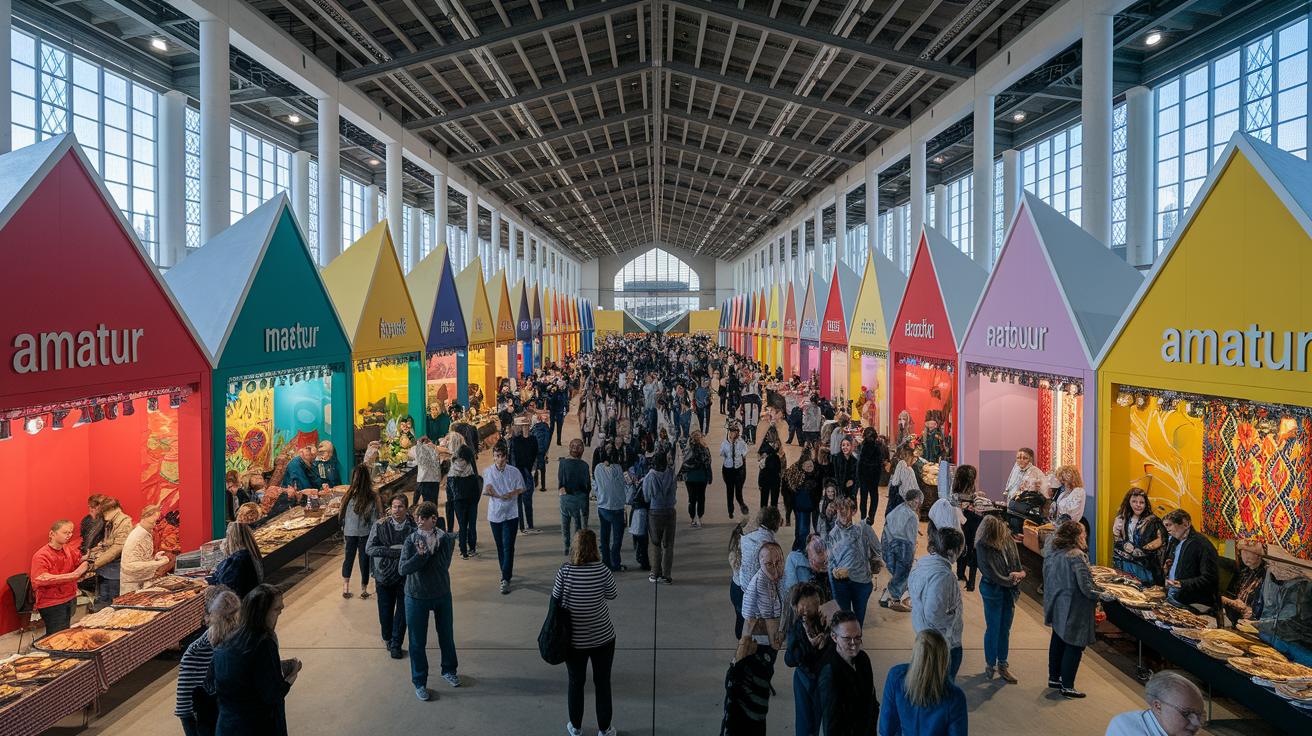
Expos have always been a lively meeting point where different cultures come together and share their stories. Step into national pavilions that burst with the rich scents of traditional foods and the bright colors of handcrafted art. Back in the early 1900s, even Olympic sports made a splash at these events, mixing athletic spirit with cultural celebration. Imagine walking through a space where every display is like a mini stage, each country proudly sharing its art, recipes, and time-honored customs. Sometimes, nations even take turns hosting special weeks that invite their neighbors to join in and showcase their unique talents.
Educational programs are at the heart of these expos too. You might find interactive workshops where you can try your hand at local crafts or listen to a live storyteller share a fascinating folk tale. For example, at the 2010 Shanghai expo, countries swapped exhibits in what felt like a grand festival of shared traditions. These hands-on sessions bring history to life and let everyone join in a vibrant celebration of our world’s diverse cultures.
Economic and Social Impact of World Expos
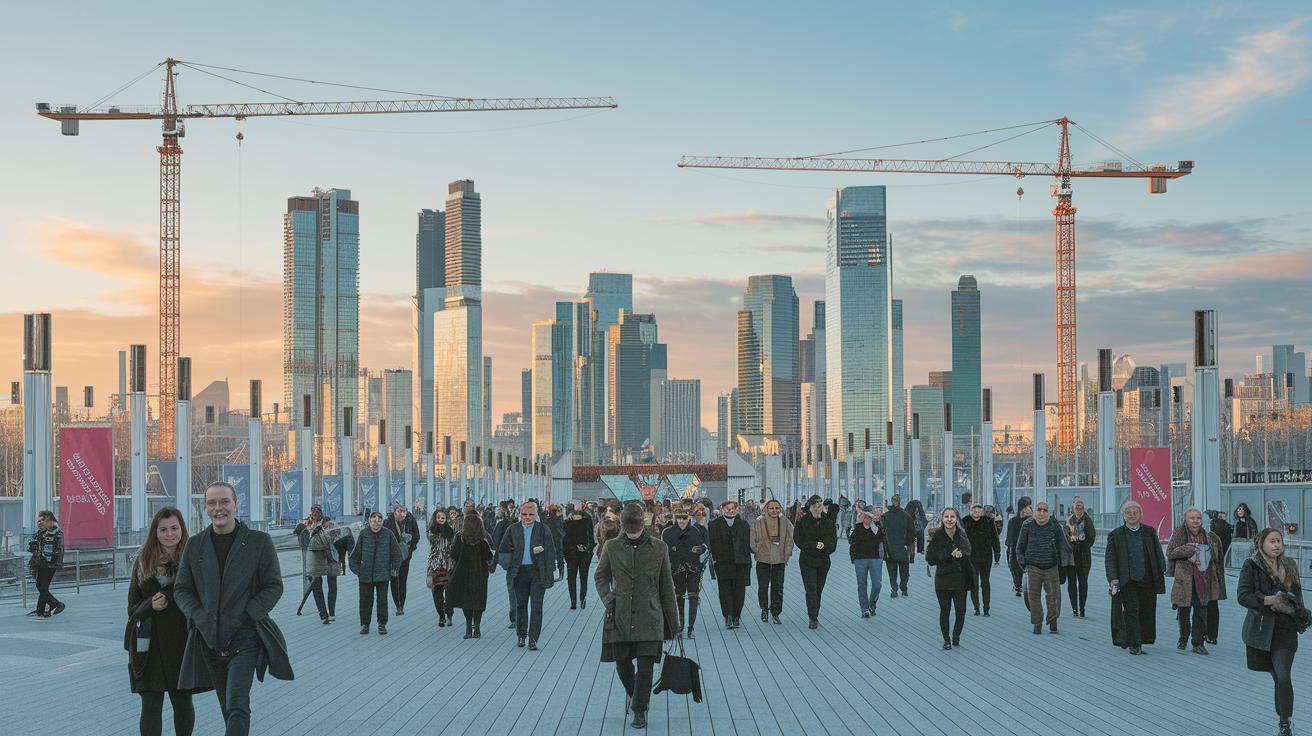
World expos are like a quick burst of energy for cities. They kick off big construction projects and create loads of jobs, which in turn spark local business and activity. For instance, the Shanghai expo attracted millions of visitors, each one boosting the local economy by spending on hotels, restaurants, and transport. It’s like planting a tiny seed that quickly grows into a vibrant garden of progress.
And the impact lasts much longer than just the event itself. Many expos plant the seeds for cultural venues and urban makeovers that continue to benefit the community long after the event is over. Just look at Seattle’s Space Needle, which isn’t just a modern landmark but also helped renew the city. Or the Melbourne Exhibition Building, now a celebrated space recognized by UNESCO for blending history with modern innovation. Even the 1915 Panama-Pacific fair had a huge impact by inspiring the first transcontinental phone line, making communication much easier. It’s clear that expos can trigger a chain reaction of positive changes, leaving behind a legacy that touches every part of city life.
The Future Vision for World Expos
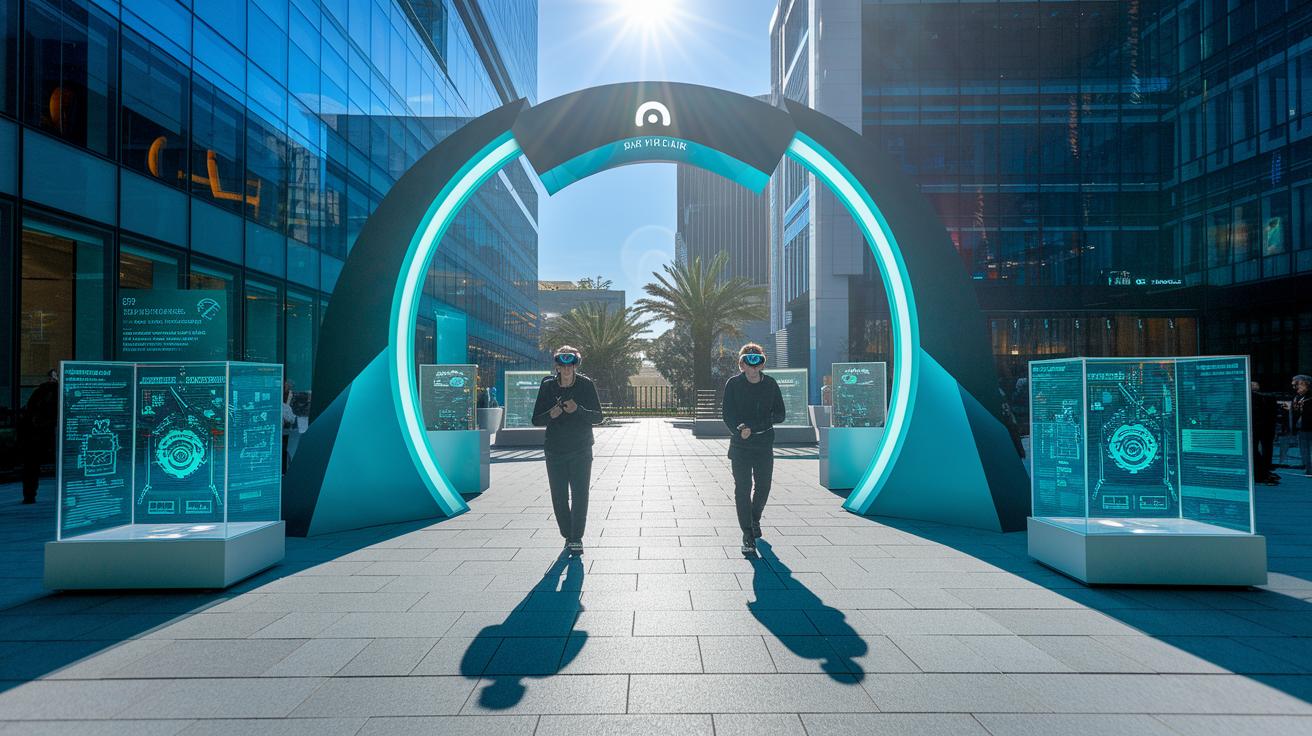
Future expos will truly amaze you by mixing our favorite immersive tech with an inviting, interactive twist. Imagine walking into exhibits where augmented reality and virtual reality bring far-off lands and historical events to life, almost as if you're stepping into another world. Smart sensors and real-time data make each display feel alive, responding to what visitors like in the moment. Think of it as a museum that breathes with you, where every corner holds a unique surprise.
Next, organizers are planning expos with nature and connection in mind. They’re designing eco-friendly pavilions and energy-smart installations that show off the coolest tech while caring for our planet. People will be able to explore these exhibits live or take virtual tours from anywhere in the world. This approach makes it easy for everyone, wherever they are, to join in the adventure. It’s all about sharing ideas and cultures, turning challenges into chances for creativity and linking everyone together in a bright and inspiring future.
Final Words
In the action of exploring the world expo legacy, we dove into rich history, breakthrough innovations, and stunning architectural feats that shaped cultural exchange. Each section unraveled how expos evolved, from humble beginnings in 1851 to today’s high-tech marvels that unite people. The narrative moved from industrial wonders and artistic designs to forward-thinking sustainable practices and global connectivity. These curated insights capture the energy of every world expo experience, inspiring you to seek out your own slice of adventure and celebrate the beauty of human innovation.
FAQ
What exactly is the World Expo?
The World Expo is a global event for sharing innovation, culture, and diplomacy. It brings countries together to showcase achievements, spark ideas, and celebrate international cooperation.
What do World Expo tickets cover and how can I buy them?
World Expo tickets cover access to exhibits, pavilions, and special programs. Tickets come in various packages—from single-day to multi-day passes—and are usually available through online registration and mobile apps.
Is the World Expo held every five years?
The World Expo does not occur every five years. Instead, these events are scheduled irregularly, with multi-year planning cycles that allow for extensive organization and global participation.
Where and when is the next World Expo?
The next major World Expo is planned for 2030, with details and host city announcements pending. Recent events, like Osaka Expo 2025 with its life-size Gundam display, show how dynamic these expos can be.
What are some key past and upcoming World Expos?
Key expos include Expo 2020 Dubai, Expo 2015 Milan, and Expo 2005 Aichi, each marking unique milestones. Upcoming events, such as Osaka Expo 2025 and the planned 2030 expo, continue this tradition of global innovation.
Where can I find trusted information like a World Expo wiki or list?
A World Expo wiki and curated lists offer detailed historical records and updates on both past and future expos, giving you reliable insights into the evolution and significance of these global events.