
Ever wonder if the person offering help might be trying to take advantage of you while you’re on the road? Sometimes what seems like a kind offer hides a trick, like a taxi fare that’s too high or a free gift that comes with extra costs. This guide is here like a friendly tip from a fellow traveler, helping you spot those warning signs and keep your adventure safe. We’ll share simple, real-life tips to make sure you can enjoy every journey without any worry. Ready to see how scammers try to work their magic and learn some easy ways to avoid them? Let’s dive in and keep your trip both fun and secure.
Travel Scam Essentials: Recognizing Red Flags and Staying Secure

Travel scams can pop up when you least expect them, so it's smart to know the tricks scammers use. For example, some taxi drivers might say their meter isn’t working (a common trick in places like Costa Rica) so they can charge you way more than you should pay. Always check the fare before you get in, just like you’d read a menu to avoid any hidden costs.
Sometimes, drivers might say your hotel is full or closed and then take you to a more expensive spot so they can earn a commission. It’s a good idea to call your hotel before you head out to be sure your reservation is still good. Also, be careful when street vendors offer you a “free” bracelet or a little sprig of rosemary, since they might ask for money later. A polite “no thanks” can save you from an unexpected bill.
Some scammers even go as far as spilling a drink on purpose or using fake bird droppings to distract you. This is their trick to pick your pockets. So, when you’re using an ATM, always cover the keypad when entering your PIN, especially if someone seems a bit too eager to help. And watch out for robocall contests that promise free vacations, they’re often a way to trick you into giving away personal details.
Keep these quick tips in mind:
- Agree on the taxi fare before your ride and make sure the meter is working.
- Call your hotel ahead of time to confirm your booking.
- Say no to any unsolicited gifts from street vendors.
- Shield the keypad when entering your PIN and stick to bank ATMs when possible.
- Consider travel insurance as a safety net.
By staying alert and following these tips, you can travel with more confidence and keep your adventure safe from common scams.
Street-Level Travel Scams: Local Tricks and Avoidance Tips
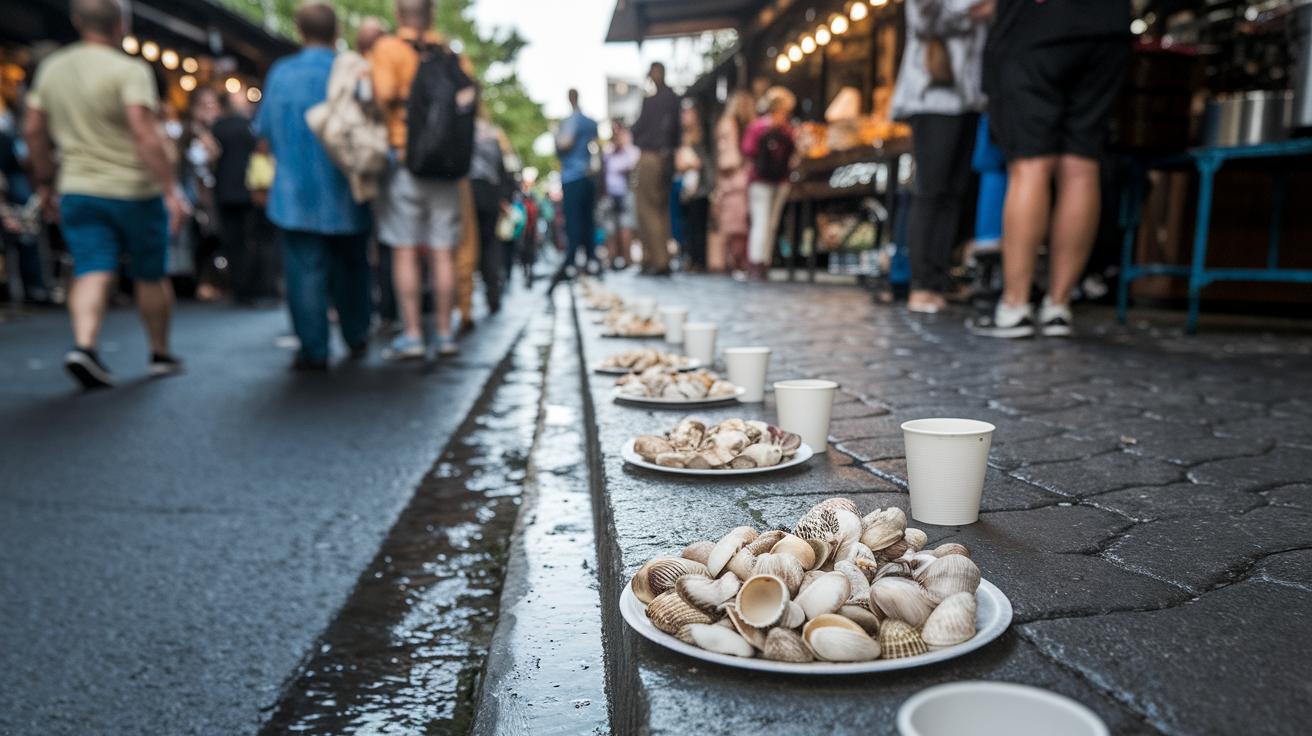
On busy streets and in lively tourist areas, you might bump into clever scammers using quick distractions and friendly smiles. Picture this: a cheerful local invites you to try a shell game, an old trick that looks fun until you lose your money in a heartbeat. Likewise, you could see petitions asking for donations, but they're really just a setup for an unpleasant conversation. And sometimes, someone might warmly suggest checking out a bar or club, only to leave you with a shockingly high bill or even risk putting you in a sticky situation.
Scammers also get creative with staged accidents. You might see a pretend spill of coffee or even a splash of something on the pavement meant to make you look away. Often, an actor, maybe a child or even someone pretending to be hurt, serves as a distraction while a partner quietly relieves you of your wallet. And don't forget about digital traps; that free Wi-Fi hotspot could be a sneaky way to steal your personal details.
Here are some down-to-earth tips to help you stay safe:
- Be careful with offers that sound too good to be true.
- Skip signing any petitions or giving donations right on the spot.
- Be cautious about surprising invites from friendly strangers.
- Avoid free Wi-Fi connections unless you're absolutely sure they're safe.
For more tips on dodging tricky tourist scams, check out this guide: how to avoid tourist traps in the caribbean.
Booking and Accommodation Scams: Shielding Your Reservations

When you're on the hunt for a place to stay, keep an eye out for sneaky scammers. They set up fake websites that look just like real hotels or tours. You might pay for a dream getaway, only to later find out the site was bogus – kind of like being handed a fake movie ticket.
Another trick to watch for is the hotel story. You might hear that your hotel is overbooked or even closed, even though your reservation is perfectly fine. What really happens is you’re pushed toward a pricier option just to rake in a commission for the scammer. To avoid this, give the hotel a quick call and double-check your reservation details.
Vacation rental scams are on the rise too. Sometimes, scammers try to get you to send money off-platform for a rental that just doesn’t exist. It’s a lot like buying a souvenir and then discovering it’s a cheap knockoff with no value.
There's also bait-and-switch tactics where lodgings are advertised with all the amenities you’d love – only to find they aren’t really there at all. And don’t be surprised by timeshare or vacation club offers that charge upfront fees without delivering on their promises.
Here are some handy tips:
- Book only through official sites and trusted vendors.
- Always call the property directly to confirm your reservation.
- Read cancellation policies and the fine print carefully.
- Be wary of deals that seem unusually cheap or too good to be true.
Transportation and Ticket Scams: Securing Safe Journeys
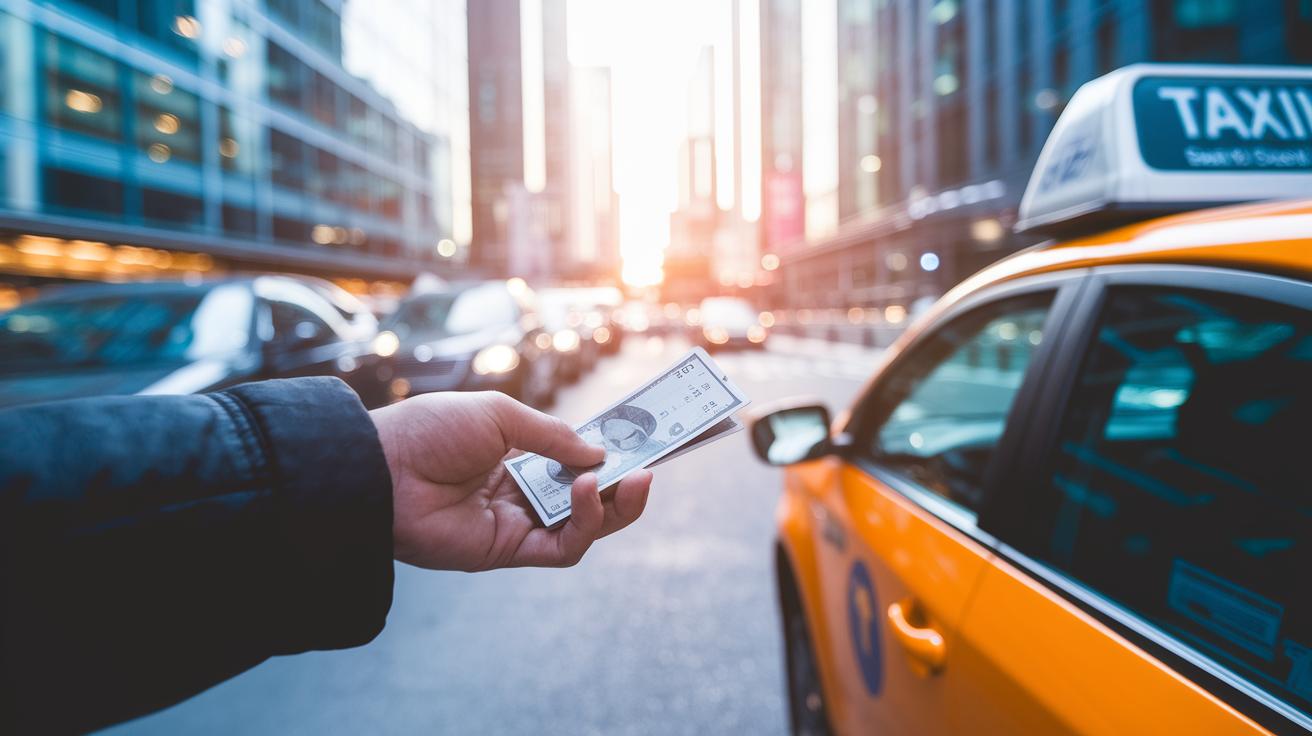
Travel scams can sneak up on you when you’re on the move. Imagine a taxi driver saying the meter is broken or suddenly slapping on a higher "tourist rate." It happens all too often in busy spots. One traveler even mentioned how a driver claimed his meter was off, and he ended up paying almost double what he expected. So, always get the fare in writing before you start your ride.
Car rentals have their own tricks, too. Some companies push expensive collision damage waivers that hike up your bill with extra fees you don’t need. It’s wise to shop around and ask for a clear list of any additional charges. And if you're renting a motorbike, take a few photos of any scratches right away to avoid disputes later.
Fake transportation tickets are another hassle. Counterfeit bus, train, or plane tickets sold on the street or at local stations can leave you stranded. Even cruise boarding passes might turn out to be a scam if bought from unverified sources.
A few simple steps can help keep your travel smooth:
- Confirm your fare and check that the taxi meter is working.
- Take photos of vehicles before renting.
- Buy tickets only from authorized sellers.
- Say no to unexpected insurance add-ons.
For more tips on booking transport safely, check out this expert guide to local transportation systems abroad: https://mauisky.com?p=1848.
Money and Currency Scams: Protecting Your Finances Abroad
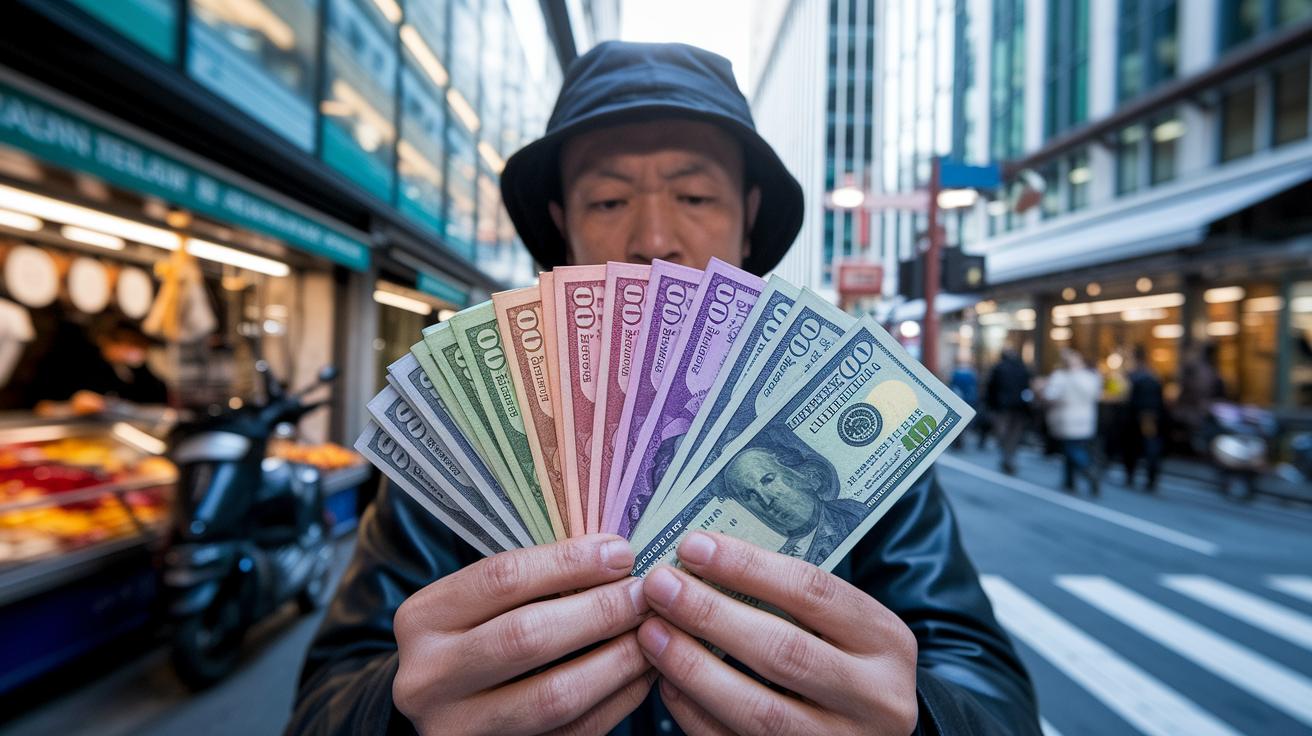
When you're traveling, keeping an eye on your money is just as important as enjoying the sights. Imagine swapping cash at a busy street corner only to find out that one of your bills is fake. It feels like a harmless mistake, but really it’s a sneaky trick to short-change you.
Sometimes, scam artists mix real-looking counterfeit bills into your money. One traveler once shared a story about getting a note that seemed genuine until it didn’t work where they tried to spend it. Always take a moment to double-check your cash and look out for the small details that make each country's currency unique.
Another trick to watch out for is ATM skimming. This is when someone might set up a fake device on an ATM to steal your card's information. It might even seem like a helpful local is offering advice, but it could be a trap. So, it’s best to use ATMs that are part of official banks, especially in well-lit, busy areas. And don’t forget to cover the keypad when you punch in your PIN. After your transaction, take a quick look at your receipt or bank statement to spot any odd charges.
It doesn't stop there. Hidden resort fees, extra charges for card verification, and even unexpected calls pretending to be from hotel security can all sneakily drain your funds. Here are some simple tips to keep your money safe while you travel:
- Use ATMs from official bank networks.
- Always cover the keypad when entering your PIN.
- Enable alerts for every transaction.
- Keep backup cash safely stashed away.
These little habits are like a safety net, helping you dodge those unpleasant money mishaps on your adventures.
Digital and Identity Scams: Safeguarding Data and Documents
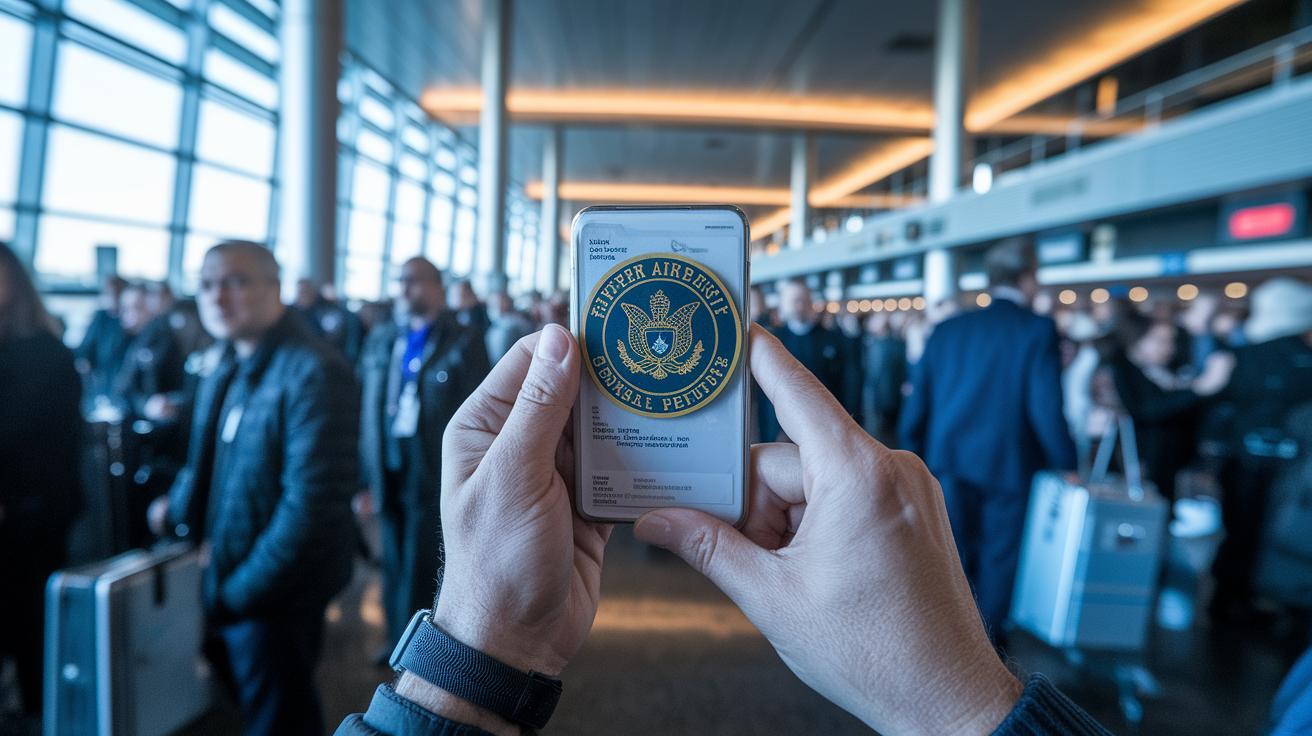
Scammers are getting smarter both online and in real life. Imagine someone posing as an officer asking to see your passport or wallet. At first, they seem real until you notice something odd about their badge. One traveler said, "I nearly handed over my documents until I spotted a mistake on his ID!" It's a good reminder to always check who you're talking to.
Watch out for digital tricks too. Fake visas and even counterfeit passports show up on sketchy websites. They may look genuine, but they’re not real at all. And think twice before joining that free Wi-Fi hotspot at a busy cafe, it might be set up just to nab your personal and payment details. Even emails that seem like booking confirmations could carry dangerous malware, and some travel apps might share your location without you knowing.
Here are some easy steps to stay safe:
- Look at ID badges closely, even if they seem official.
- Keep your important documents locked safely at your hotel.
- Use a VPN when connected to public Wi-Fi.
- Download apps only from trusted, official stores.
- Turn on two-factor authentication for your online accounts.
Staying alert and following these tips can help protect your identity and digital data while you explore new places. Enjoy your travels and take care out there!
Solo and Group Excursion Scams: Tailored Tactics and Safety Advice
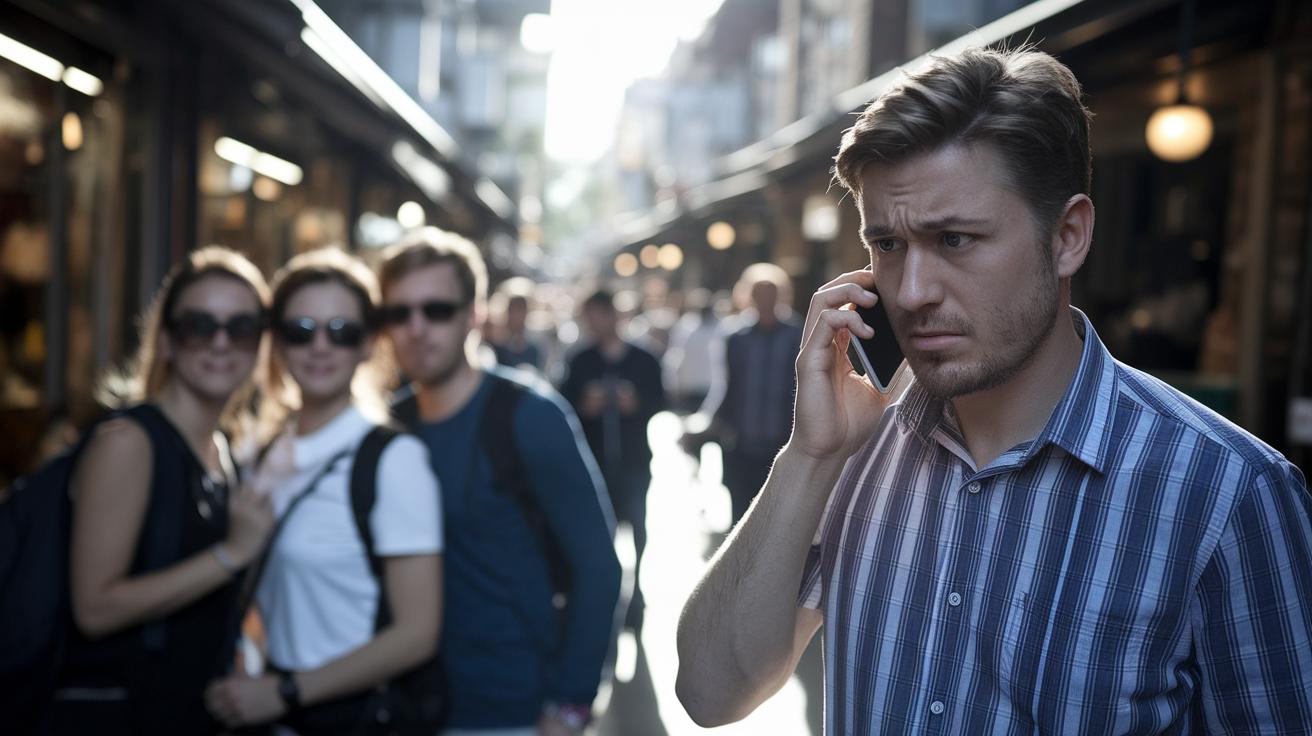
Scam artists have some sneaky tricks up their sleeves, aiming to catch both solo travelers and groups off guard. Imagine receiving a phone call that feels like an emergency, where a scammer claims a loved one is in danger. One traveler shared, "I nearly wired money because the person on the phone said my relative was in trouble." These calls tug at your heart so hard you might forget to think clearly.
Another common trick is when someone suddenly offers to take a group photo. While you're busy smiling, a partner in crime might be nearby, ready to pick your pockets. Also, if a very friendly local invites you for drinks, it might end with a sky-high bill or, worse, lead you into an unsafe situation.
Here are some simple tips to help you dodge these scams:
- Let a trusted friend or family member know your travel plans so someone always knows where you are.
- Say no to random photo requests, even if they seem friendly.
- Use geo-fencing apps that alert you if you wander into a sketchy area.
- Double-check urgent calls by reaching out through another channel before acting.
- Always trust your gut, if something feels off, take a step back.
By staying alert and following these easy steps, you can keep your adventure safe and focus on enjoying every moment of your journey.
Final Words
In the action, this article breaks down the top travel scams, whether on the street, with bookings, or even digital tricks, so you can plan a secure adventure. We explored red flags like rigged taxi meters, fake hotel offers, and sneaky ATM skimmers, offering simple tips to protect your money and documents. Our essential guide to travel scams and how to avoid them provides practical ideas for safely navigating unfamiliar territories. Stay vigilant and ready to adapt, and you’ll be well-equipped to enjoy your journey with confidence.
FAQ
What is the essential guide to travel scams and how to avoid them (2022)?
The essential guide to travel scams in 2022 explains common scams like broken taxi meters and fake freebies while offering clear tips such as negotiating fares and verifying reservations to keep your adventure safe and smooth.
What is a tourist scams website?
A tourist scams website gives travelers a rundown of common con tactics, useful red flags, and practical advice so you can spot and avoid scams while exploring new destinations confidently.
How can I avoid travel scams?
Avoid travel scams by staying alert to red flags like unusual offers or unexpected diversions, confirming bookings directly, and using trusted payment methods while keeping personal details secure.
What should I know about fake travel agencies?
Fake travel agencies lure you with attractive deals on websites that mimic legitimate services. Always book with trusted firms, call properties directly, and review cancellation policies to avoid losing money.
What are common tourist scams in Europe?
Tourist scams in Europe often include overcharged taxi fares, staged distractions for pickpocketing, or bogus hotel bookings. Checking rates and confirming reservations directly can help you stay scam-free.
What can we expect from travel scams in 2025?
In 2025, travel scams are set to become more sophisticated with digital fraud methods and deceptive booking schemes. Using secure, verified platforms and safeguarding your personal info is more important than ever.
What are some popular tourist scams?
Popular tourist scams include too-good-to-be-true freebies, overinflated taxi fares, and counterfeit tickets. Stay vigilant by verifying offers and relying on trusted sources to enjoy your travels securely.
How do airport scams work?
Airport scams often involve tricks with fake ATM help, unauthorized upgrade offers, or bogus transport services. Always use official vendors, keep a close eye on your belongings, and double-check any unusual proposals.