
Ever wonder if trying out a little backpacking could change how you see nature? It might seem a bit daring at first, but starting small can lead to big adventures. In this guide, I'm here to share how you can plan your first two-day trip. We'll talk about finding an easy trail, packing the essentials, and enjoying each step in the great outdoors.
Taking things one step at a time helps build your confidence without feeling overwhelmed. And before you know it, you'll be ready to explore more and more. So, are you excited to take that first brave step into a whole new world of outdoor fun?
Backpacking for Beginners: Trip Planning Essentials
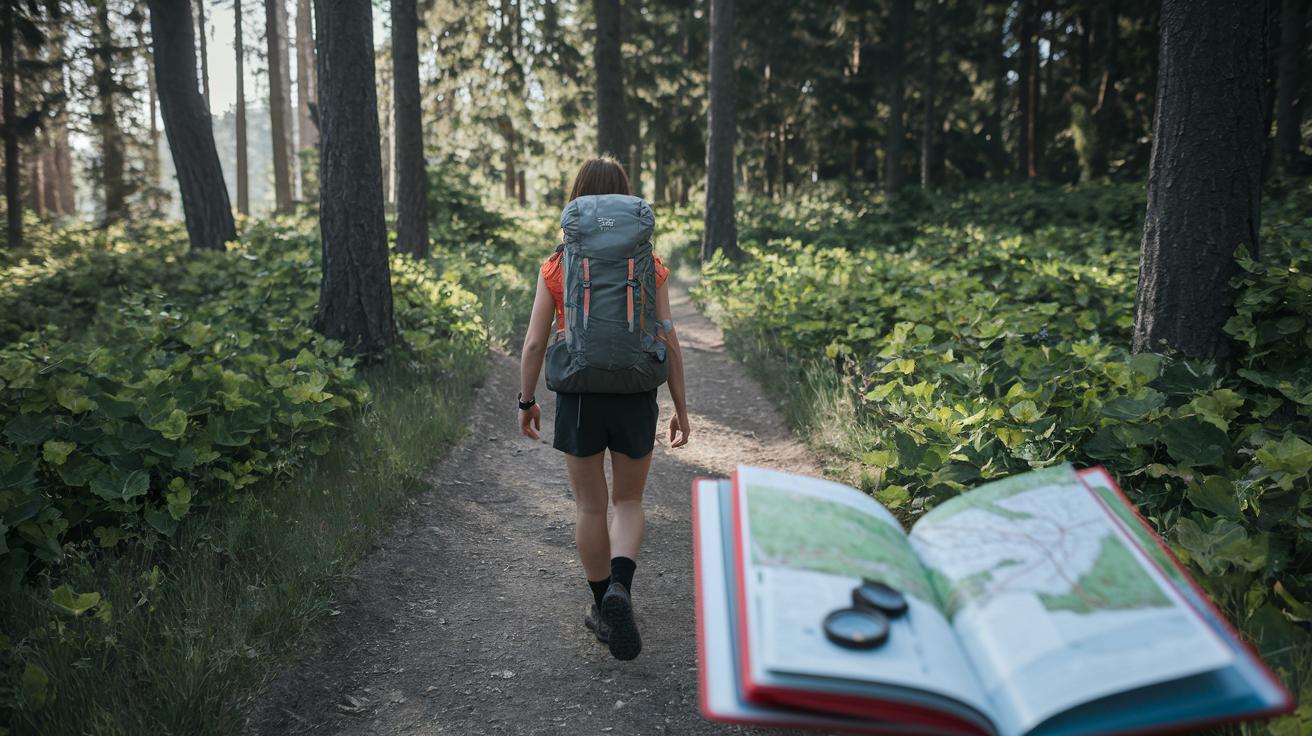
Starting out in backpacking is all about taking a small, friendly step. Try a two-day, one-night trip on an easy trail. It’s like dipping your toes in water before jumping in. This little adventure helps you learn the basics, planning your route, packing your essential gear, and keeping your pack light. It’s similar to taking a quick walk around your neighborhood before setting off for a big city tour.
Once you’ve enjoyed that first taste, it’s time to plan your next move. Pick the perfect dates and map out your route. Check if you need any permits, and use clear topographic maps to guide you. Don’t forget to budget for gear, permits, and transportation. Ever notice how good planning can actually leave you more time to soak in the adventure? Create a simple daily plan that includes meal breaks, water stops, and moments to simply enjoy nature. Keeping in mind Leave No Trace rules from the start helps protect the beautiful places you explore.
Here are some quick tips to set you on the right path:
| Tip | What to Do |
|---|---|
| Date & Trail | Pick a date range and an easy trail that suit your skill level. |
| Permits | Check for any permit requirements and fees ahead of time. |
| Planning Maps | Use reliable topographic maps for clear direction and safe travel. |
| Budgeting | Set aside money for gear, permits, and other travel expenses. |
| Water & Campsites | Research water sources and campsite rules to stay prepared. |
By following these smart planning steps, you’re not just setting up for a cool backpacking trip, you’re also making sure that nature stays as beautiful as you found it. Enjoy every step of your journey, and happy travels!
Backpacking Gear Essentials: Basic Expedition Equipment for Beginners

When you set off on a backpacking adventure, a great backpack is the heart of your journey. For longer trips, choose a free-standing ultralight backpack that holds about 50 to 60 liters. It helps spread the weight evenly, much like finding that perfect pair of shoes that make you feel ready to explore.
Getting a good night’s sleep under the open sky is key. Invest in a sleeping bag that is rated for the temperatures you expect, and add a cozy insulating pad. This combination is like your personal retreat, keeping you warm and refreshed for the next day's adventures.
For shelter, look for an ultralight tent or tarp that is both easy to pack and quick to set up. This portable haven lets you enjoy your journey without worries, offering a snug place to rest when the weather changes unexpectedly.
Your clothing and footwear are also important. Choose moisture-wicking, quick-drying fabrics and sturdy trail shoes that work well whether you are climbing steep paths or dashing down a hill. It is your trusty adventure uniform that helps you stay comfy and safe.
When it's time to eat, minimal cookware does the trick. Bring along a simple set and pair it with a portable water filter or purification tablets to keep your drinking water clean. Imagine cooking a hearty meal over a campfire, with every bite feeling well-earned.
Finally, pack some emergency and navigation tools. A reliable multi-tool, compass, map, and backup gadgets are must-haves for finding your way or adjusting your course if needed. These little helpers ensure that you can always navigate your way home.
| Category | Item Example | Approx. Weight |
|---|---|---|
| Backpack Selection | 50-60L Ultralight Backpack | 2.5 kg |
| Sleep System Essentials | Temperature-Rated Sleeping Bag | 1.5 kg |
| Shelter Options | Ultralight Tent | 1.8 kg |
| Clothing & Footwear | Moisture-Wicking Gear | Varies |
| Cooking & Water Treatment | Minimal Cookware Set | 0.8 kg |
| Emergency & Navigation Tools | Compass & Multi-Tool | 0.5 kg |
Backpacking Packing Techniques: Light-Load & Minimalist Gear Optimization
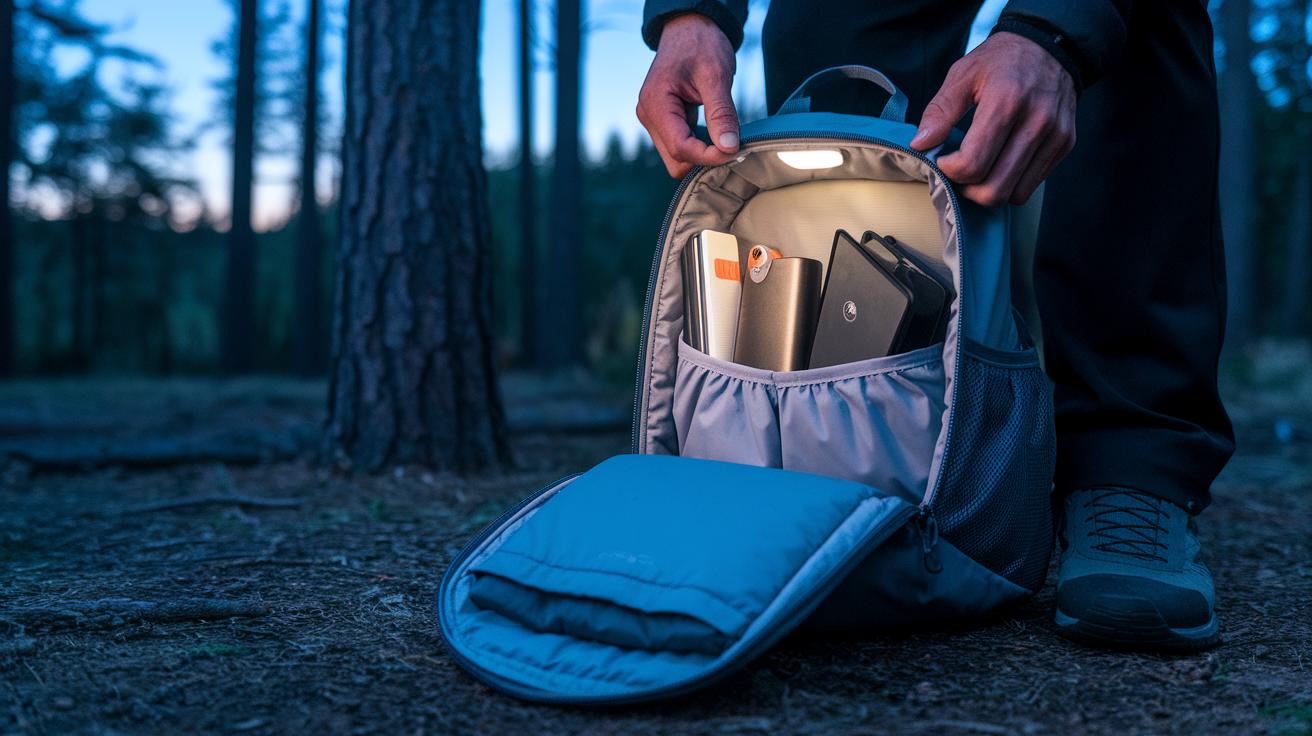
Start by giving your gear a test run. Before you head out on a long adventure, try a short hike with everything in your pack. This little trial helps you spot gear you don’t really need and shows you where things might fall apart. I remember one chilly night when I regretted lugging around a bulky water bottle – a small tweak made my night so much better.
Next, think about how you spread the weight. Stick the heaviest items close to your center, almost like hugging your spine, and use compression or stuff sacks to squash extra bulk. It’s like packing books in your backpack: put the thick, heavy ones near your back and the lighter ones around the edges. This way, your shoulders and back can stay balanced on your journey.
Then, make sure nothing is loose by using adjustable straps and load-lifters. Keep your everyday essentials in easy-to-reach pockets or hip-belt pouches so you can grab them without hassle. When you tighten those straps, your gear won’t shift around as you move. In short, a well-organized pack makes every step feel lighter and every adventure way more enjoyable.
Backpacking Cooking & Nutrition: Campfire Basics and Trail Food Planning

Imagine ending a long day on the trail with a warm meal that feels like a friendly hug. A neat tip is to boil water for your freeze-dried meals using a long-handled spork, it’s like performing a little meal magic right by your campfire. Whether you’re cooking on an open fire or using a camping stove, keep your setup simple and safe so you can truly savor the outdoors.
Planning your meals is just as important as mapping out your route. Make sure you pack enough food, around 2,500 to 3,500 calories a day, and always bring 2 to 3 liters of water to stay energized. Compare canister stoves with alcohol burners to see which one fits into your backpacking kit best; it usually comes down to weight and the fuel you can get. I once swapped out a bulky stove for a compact canister model, and it made all the difference during a quick trail stop.
Don’t forget about snacks and easy meals that fuel your adventure. Pack lightweight treats like nuts, energy bars, and jerky, plus easy-to-cook grains to keep your energy up. And remember to include a portable water filtration method. You might pick a small filter pump, a gravity filter, or even some purification tablets to ensure you always have clean water. Every bite and sip helps you keep going safely and with a smile on your face.
Backpacking Navigation Essentials: Practical Skills & Route Planning

When you're trekking along a trail, it helps to double-check your navigation basics. Always pack a paper map and compass along with a trusty electronic GPS or offline map app. This way, you can read contour lines and pick out natural hints, like a curvy river marking a possible water stop. Always mark your exit paths and alternative routes, so if you hit any surprises along the way, you know another way out. It's a bit like having a secret shortcut, just in case.
Digital route-planning tools are great too. They let you set waypoints, check out elevation details, and even log your progress. Think of it as having a digital travel buddy keeping track of everything. Just remember to keep your gadgets charged and to back things up with a paper map. And if you're curious about more tech tips for navigation, take a peek at the expert guide on essential travel tech and gadgets.
Backpacking Safety Measures: Emergency Preparedness & Risk Management

If you're venturing into backpacking, safety should come first. Before you set off, give your gear a quick check to make sure everything works perfectly, especially double-checking any new shoes so you don't face surprises later. Keep a steady supply of water and watch the weather to dodge any heat or cold stress. And remember to pack handy items, like a multi-tool, a whistle, and a mirror, to boost your safety on the trail.
Building Your Wilderness Medical Kit
Make sure you have a solid first aid kit for your wilderness adventure. Gather the basics, bandages, antiseptic wipes, moleskin, and an emergency blanket, to take care of minor scrapes or unexpected bumps along the way. Think of it as your trusty sidekick for little mishaps that could otherwise turn into bigger problems. And before you leave, take a moment to test all your items out in real trail conditions so you know they're ready when you are.
Animal Awareness & Wildlife Safety
It’s also smart to plan for encounters with wildlife. Keep your food safe by using bear-resistant containers or hanging it well out of reach of your sleeping area. Bring along a satellite messenger or a Personal Locator Beacon (PLB) so you can easily call for help if you're in a remote spot. By staying alert and following a few smart guidelines, you'll be well-prepared to handle any wild surprises Mother Nature might send your way.
First-Timer Trail Hiking Tips & Endurance Training for Backpacking Beginners

If you're just starting out, begin with short, local hikes that slowly build up your strength. Carry a small weight to simulate backpacking, and add simple leg exercises and deep-breathing drills to get your body ready. Stretch dynamically before you set out, it makes moving from one step to the next much smoother. Always check the weather, and wear quick-drying, moisture-wicking clothes so you stay comfortable. A gentle morning incline can really boost your confidence for when tougher trails come your way.
It's important to pace yourself on the trail. Keep a steady speed, take short breaks, and adjust your start time to beat the midday heat. Think of it like tuning up an instrument, you mix effort with rest to keep everything in harmony. Try a short overnight trip to build both your physical strength and mental stamina. Each step you take makes you a more capable traveler. As you grow stronger, gradually extend your hikes and take on more challenging trails, building lasting endurance along the way.
Final Words
In the action, we’ve journeyed through planning tips, gear essentials, and efficient packing techniques while diving into trail-cooking basics and navigation insights. We even touched on safety measures and starter hiking tips to build confidence on the trail. Each section packed practical advice to help you plan and enjoy your outdoor adventures. Keep these tips handy as you embrace your next trip with energy and excitement. Remember, this is your essential guide to backpacking for beginners, happy exploring!
FAQ
What do essential backpacking guides and tips offer beginners?
The essential backpacking guides and tips provide crowd-sourced advice on route planning, gear choices, permit checks, and Leave No Trace practices—helping newbies build confidence for their first backpacking adventure.
How do I start backpacking around the world?
Starting global backpacking involves planning easy initial trips, choosing beginner-friendly trails, building endurance gradually, and ensuring your gear and permits are in order to support long-term exploration.
What are guided backpacking trips for beginners?
Guided backpacking trips for beginners pair experienced leaders with new adventurers, offering safe navigation, pre-planned itineraries, and hands-on travel tips that help make the journey enjoyable and stress-free.
What beginner backpacking gear should I consider?
Beginner backpacking gear includes a lightweight backpack, temperature-rated sleeping bag, sturdy footwear, moisture-wicking clothing, and basic cooking, water treatment, and navigation tools to keep you safe and comfortable.
How should I prepare physically for a backpacking trip?
Preparing physically for a backpacking trip means starting with short hikes, incorporating leg-strength and dynamic stretching exercises, and gradually increasing pack weight to build the stamina needed for longer treks.
What are the key points in a backpacking packing guide?
A backpacking packing guide highlights light-load techniques like using compression sacks, proper weight distribution by keeping heavy items close to your center, and smart organization to maintain a balanced, efficient load.