
Have you ever noticed that a simple meal can change your whole trip? Think about it, each bite can reveal a new side of a place, like that small bistro you found just by wandering a few blocks or that delicious street food spot locals swear by.
In this guide, we’re sharing how real, local dining can make your travel unforgettable. Get set to enjoy local flavors and discover the little culinary secrets that make every journey special.
Mastering Overseas Dining Experiences: Your Culinary Travel Overview
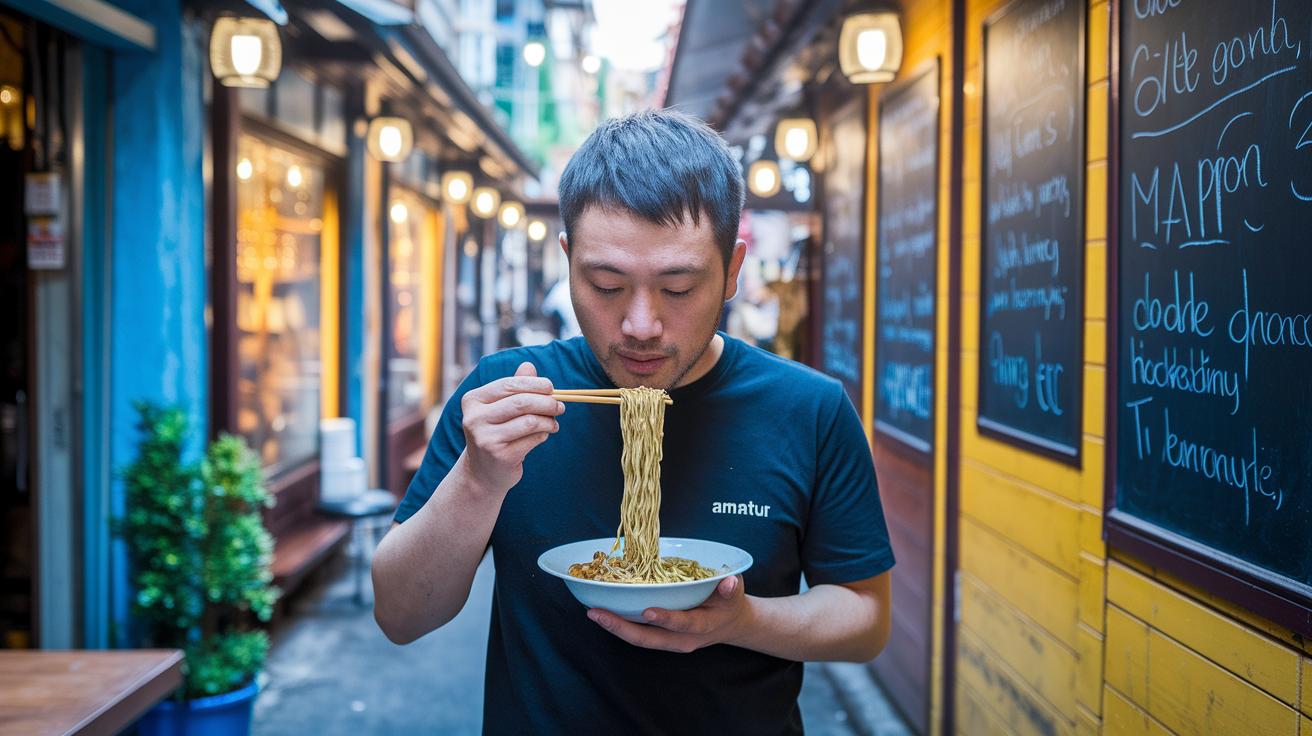
When you travel, trying the real local food can change your whole experience. Imagine tasting meals that locals enjoy every day, it’s like unlocking the true spirit of a place. One fun tip is using the Five Block Rule. This means you wander away from crowded tourist areas to discover small, hidden eateries. Maybe you'll stumble upon a tiny bistro that serves a rich, satisfying meal at a much lower price. I remember having a bowl of noodle soup in a modest alley, and it felt like the heart of the region was right there on my plate.
Talking to local folks can really boost your journey. A quick chat with your hostel staff or a friendly taxi driver asking, "Where do you eat?" might lead you to fantastic surprises. Street stalls, especially in Asia, often serve up delicious treats that won’t break your budget. Sometimes, you might even try something unexpected like a dish of jellyfish at a special banquet in China. It’s these little discoveries that make your travel memories so special.
- Follow the Five Block Rule to explore away from the tourist spots.
- Ask locals for their favorite dining spots.
- Dig into tasty, affordable street food for an authentic bite.
- Enjoy picnics at local markets with fresh produce.
- Support neighborhood businesses and family-run eateries.
With these tips in your travel toolkit, every meal can become a memorable adventure that’s both exciting and budget-friendly.
Regional Food Exploration: Planning Your International Flavor Journey

When you're hitting the road, check out guidebooks and foodie blogs for those insider tidbits about local specialties. You might bump into fun snippets like, "Imagine a dinner deal where a gourmet meal surprises you at half the usual price!" These sources can help you track down spots serving up authentic flavors that are as kind on your wallet as they are on your taste buds.
| Region | Signature Dish | Price Range USD | Best Time to Eat |
|---|---|---|---|
| France | Steak frites | $15–$25 | Dinner, lunch deals |
| Mexico | Mole poblano | $8–$12 | Lunch specials |
| Japan | Sushi omakase | $30–$60 | Evening dining |
| Thailand | Pad Thai | $5–$10 | Lunch or street food evening |
| Italy | Handmade pasta | $10–$20 | Lunch specials |
Foodie guides also point out the magic of lunch specials and supermarket clearances. In many European cities, you can get a lunch menu for 30–50% less than a dinner price, like turning a 20-euro dinner into a delightful 10-euro lunch. And over in Japan or Scandinavia, local supermarkets often drop dinner prices by 30–50% as they wrap up for the day. It’s a smart way to save a bit while really diving into local flavors.
• Keep an eye out for seasonal produce bursting with fresh local taste.
• Chat up vendors to nab a friendly, budget-friendly deal.
• Try a little bit of everything with some smart sampling.
• Plan a chill picnic with a fresh baguette, cheese, and juicy fruits.
Authentic Dish Discovery: Navigating Menus and Ordering Abroad

When you dive into local cuisine, the menu really opens up the world of flavors. In many places, like France, chefs prefer you stick to the dish as it comes without any tweaks. Picture using a translation app or looking at picture menus, especially handy in Asian street markets where meals might only cost a few dollars. And hey, snapping a photo of your dish is like jotting down a food diary of your adventures.
Eating out abroad comes with its own set of unwritten rules. In France, for example, it's part of the fun to enjoy the meal exactly as planned by the chef. So, instead of asking for changes, take in the presentation and savor each bite like a local. A friendly smile and a quick question about menu items can go a long way, especially if you're bridging a language gap.
It’s also smart to know how payments and tipping work when traveling. A typical dinner in France might run about €27, and rounding up to €30 can show you’re polite, even if tipping isn’t expected. Over in Asia, street food is usually just a couple of dollars, so having the right change makes things easier. When in doubt, just ask a local about what’s common practice, it could save you a lot of hassle.
| Tip | What to Do |
|---|---|
| Translation Apps | Use them to understand the menu |
| Key Dish Names | Learn a few words to help decide |
| No-Substitution | Respect the dish as the chef intended |
| Phrasebook | Carry one for quick help |
| Spice Level | Confirm if you need milder or hotter options |
| Dietary Needs | Ensure your allergies or restrictions are noted |
Cross-Cultural Recipe Insights: Engaging in Cooking Classes and Workshops
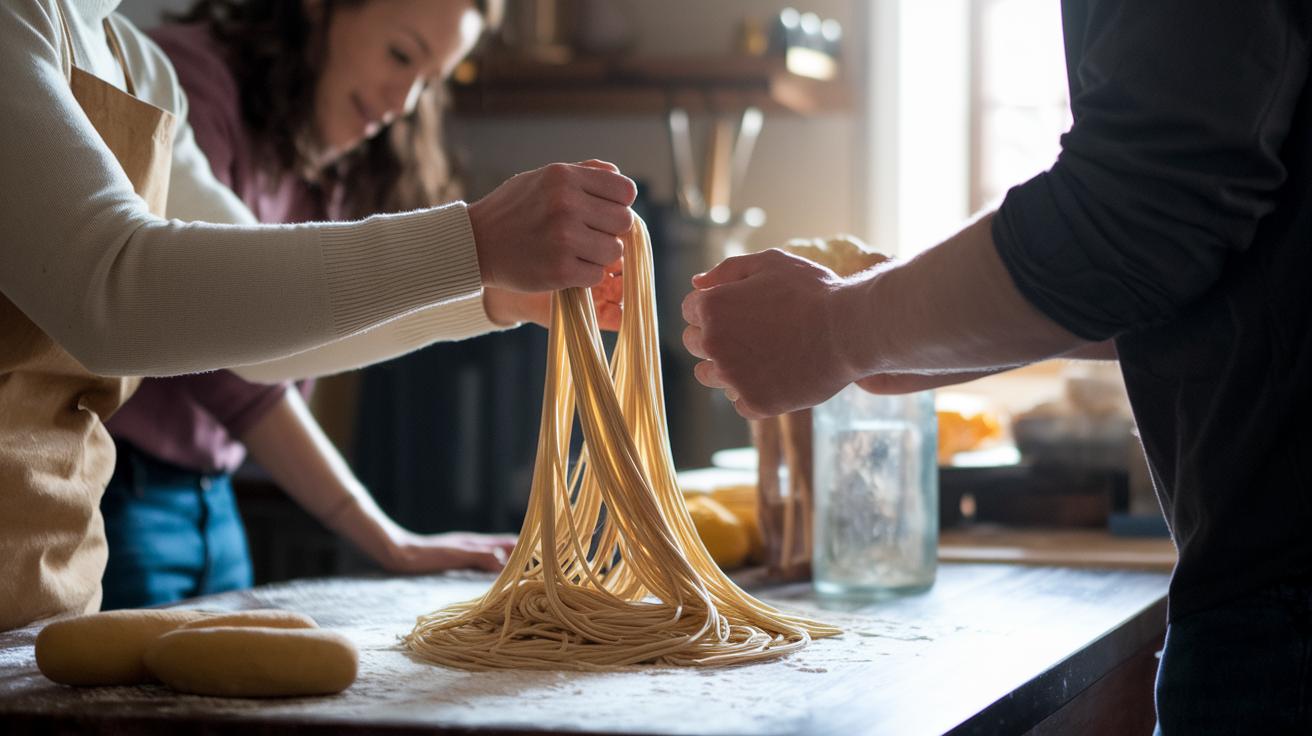
There's no better way to discover a region’s true flavors than jumping into a cooking class. In a hands-on workshop, you’ll mix, chop, and stir your way through local recipes. Imagine kneading fresh pasta in Italy or stirring a spicy curry in India, all while chatting with a chef who’s spilling the family secrets. Often, hostels or friendly local agencies set up these small-group classes in cozy, authentic spots where real traditions come alive. Plus, many classes let you revisit the recipes later so you can recreate those tasty dishes at home.
Here are some quick tips when choosing a class:
| Tips |
|---|
| 1. Read reviews and check out class details. |
| 2. Set a budget that fits your travel plans. |
| 3. Look for small groups to ensure a personal touch. |
| 4. Confirm the class is available in a language you understand. |
| 5. Check for dietary options to make sure your meal is both safe and enjoyable. |
After your class, hold on to those special recipes. Scribble them in a notebook or snap quick photos to build your own food diary, a little keepsake of your culinary adventure. Sharing these secrets with friends not only sparks conversation but also keeps the magic of your travels alive long after you’ve returned home.
Dining Decorum Guidance: Table Etiquette Abroad and Cultural Customs

When you’re enjoying a meal in a new country, showing respect for local dining habits can make your experience even more special. Little actions like knowing which utensil to use or taking your time can connect you more deeply with the local culture.
In Europe, especially in a place like France, meals are treated almost like a work of art. Imagine holding your fork in your left hand and your knife in your right, with each bite carefully savored over a leisurely two-hour dinner. Meanwhile, in many Asian countries, it’s all about sharing. At a Chinese banquet, for instance, dishes appear one after another, and everyone uses communal chopsticks to show unity and respect. Whether it’s Spanish tapas or Japanese dining, each style brings its own mix of shared plates, precise utensil use, and even a bit of friendly slurping that shows you’re enjoying every moment.
- Do follow the local utensil customs.
- Don’t rush your courses.
- Do share dishes when it feels right.
- Don’t speak loudly in quieter settings.
- Do take your time and enjoy the pace of the meal.
French Formal Dining
In France, dining is an elegant affair. The fork usually stays in your left hand while the knife is in your right, and meals are meant to be savored slowly. Tipping is thoughtful but not mandatory.
East Asian Table Customs
In East Asia, mastering chopstick etiquette and respecting the shared dishes are key. Keep your voice low, and remember to pour soy sauce carefully, a small act that speaks volumes about your respect for the dining tradition.
Casual Tapas and Street Dining
When you’re in a Spanish tapas bar or enjoying street food, the vibe is relaxed and social. Sharing a plate and embracing an informal order makes the whole experience feel like a warm conversation with friends.
Budget Gourmet Travel: Cost Planning for Meals and Finding Affordable Eats

Eating well on a budget can turn every meal into a fun part of your journey. Smart travelers know that little savings on food can really add up. Imagine saving five to ten dollars on breakfast when your hotel or hostel throws it in for free, or trimming your costs by using a refillable water bottle instead of buying plastic ones. These tips help you enjoy the local flavors without overspending. Whether you're hanging out in a busy college town with great happy-hour deals or cooking a simple meal in your hostel kitchen, each choice helps keep your travel budget on track while still filling your belly with good food.
| Strategy | Est. Savings per Meal | Best Regions | Tips |
|---|---|---|---|
| Free Breakfasts | $5–$10 | Europe, Asia | Look for places that offer free morning meals. |
| Refillable Water | $1–$2 | Everywhere | Bring a filter bottle and skip buying bottled water. |
| Tourism Card Discounts | 15–25% off | Major cities | Grab pass deals, like the Oslo Pass, to save on dining out. |
| Hostel Cooking | Up to 50% | Budget destinations | Make simple meals in the hostel kitchen to cut costs. |
| University-area Dining | $2–$5 | College towns | Seek out student deals and lively happy hours. |
Using these smart budget tips makes your traveling both extra tasty and budget-friendly. Every saved dollar gives you the chance to try more local treats, join unique food adventures, and create memories that are as filling as your meals. Isn’t it great to know you can enjoy good food and still save money on the road?
Signature Dish Spotlights and Hidden Gastronomic Gems

Traveling abroad is all about uncovering dishes that carry their own little stories. Imagine biting into crispy French steak frites with a tangy sauce, savoring the rich Mexican mole poblano, or letting a beautifully crafted Japanese sushi omakase whisk you away on a flavor journey. I still remember a special banquet in China on August 13, 2024, each bite of abalone, duck tongue, and jellyfish celebrated the local culinary traditions.
Local Food Festival Highlights
Food festivals are like lively celebrations of a region's best treats. Picture yourself walking through a bustling Bangkok festival, where the inviting aroma of sizzling street food fills the air and friendly chatter surrounds you. Or think about the fun and energy at Spain’s La Tomatina, where playful food fights mix with delicious flavors. These events bring people together, sharing time-honored recipes and exotic combinations that let you taste a region’s heart.
Under-the-Radar Street Eateries
Some of the best food finds are tucked away in unexpected spots. You might stumble upon a modest stall where a cheerful vendor serves fresh dumplings at wallet-friendly prices, or a vibrant market that offers creatively grilled skewers and unique fusion snacks. One small eatery might give traditional tacos a delightful twist for just a few dollars, while another shows off local ingredients in surprising and tasty ways. These hidden gems are loved by locals and wise travelers, even if they don’t always make it into popular guidebooks.
Seasonal Specialty Spotlights
The changing seasons play a big role in showcasing a region’s best flavors. In the Caribbean, the steady bounty of tropical fruits is a treat all year long, learn more at Caribbean travel agency. In Italy, truffle season from October to December turns simple dishes into luxurious feasts with their earthy, aromatic charm. And in the Mediterranean, seasonal shellfish paired with freshly pressed olive oil highlight the clever ways local cooks use the best of each season. Every seasonal ingredient creates its own unforgettable culinary moment.
Final Words
In the action, we journeyed through bustling streets and quiet local nooks to explore authentic cuisines that truly reflect regional flavors. We shared tips on uncovering hidden eateries, decoding foreign menus, and embracing hands-on cooking classes as real culinary adventures.
By blending budget-friendly finds with cultural dining customs, this article offers an essential guide to local cuisine and dining abroad. Every meal becomes a story waiting to be told, inviting you to step out and savor unforgettable travel moments.
FAQ
What is the essential guide to local cuisine and dining abroad pdf?
The essential guide to local cuisine and dining abroad pdf highlights insider tips and strategies to find authentic flavors, from exploring hidden eateries to using local recommendations for memorable dining experiences.
What is Food Republic?
Food Republic provides a hub for discovering diverse local food scenes and reliable reviews, helping travelers uncover true culinary gems and grasp local dining culture effectively.
How does Eat with a Local Dragons’ Den work?
Eat with a Local Dragons’ Den offers unique dining experiences where locals guide you to secret spots, giving you an insider view of authentic meals and vibrant local flavors.
How can I find the best hole-in-the-wall restaurants by state?
The best hole-in-the-wall restaurants by state can be found through local guides and word-of-mouth, which direct you to small, authentic spots favored by locals for their genuine taste and charm.
How do you eat like a local in Mexico City?
Eating like a local in Mexico City means exploring street stalls and family-run eateries, where you savor traditional dishes in vibrant settings away from the typical tourist spots.
What food faux pas should I avoid abroad?
Food faux pas abroad include ignoring local dining customs, misusing etiquette like tipping rules, and refusing traditional dishes, which can hinder your authentic travel experience and cultural exchange.
Why are some Italian dishes considered difficult?
Some Italian dishes are considered difficult because they often require precise preparation, authentic ingredients, and careful ordering to appreciate their true flavor, making them a challenge for unseasoned travelers.
Which is the no. 1 cuisine in the world?
The notion of a no. 1 cuisine is subjective, but many travelers rank Italian cuisine highly for its rich, diverse flavors and timeless appeal that resonates across cultures.
What are some unique points of dining etiquette for a country?
Unique dining etiquette involves specific practices like proper utensil use, communal dish sharing, and distinct conversation norms that reflect the cultural heritage and respect expected at meals in each country.
How can I avoid food poisoning in Europe?
To avoid food poisoning in Europe, choose busy, well-reviewed restaurants, drink bottled or filtered water, and ensure meals are served at safe temperatures, keeping hygiene and local food handling in mind.
What do you call a person who loves food and travel?
A person who loves food and travel is often called a foodophile or gastronome, celebrating global culinary adventures and the joy of exploring diverse, flavorful gastronomic scenes.