
Have you ever wondered what secrets lie hidden beneath our feet? Deep inside the Krubera Voronja Cave, nature has crafted a world that feels almost magical. This cave is known as the deepest in the world, stretching more than two kilometers below the surface.
Imagine carefully descending into the darkness, where mysterious tunnels challenge everything you thought you knew about the underground. The cool air, the echo of your footsteps, and a sense of wonder fill the space as you explore nature's secret underworld. Even if you're not a hardcore spelunker, this adventure promises to surprise and inspire you.
Uncovering the Deepest Cave in the World: Record-Setting Depths
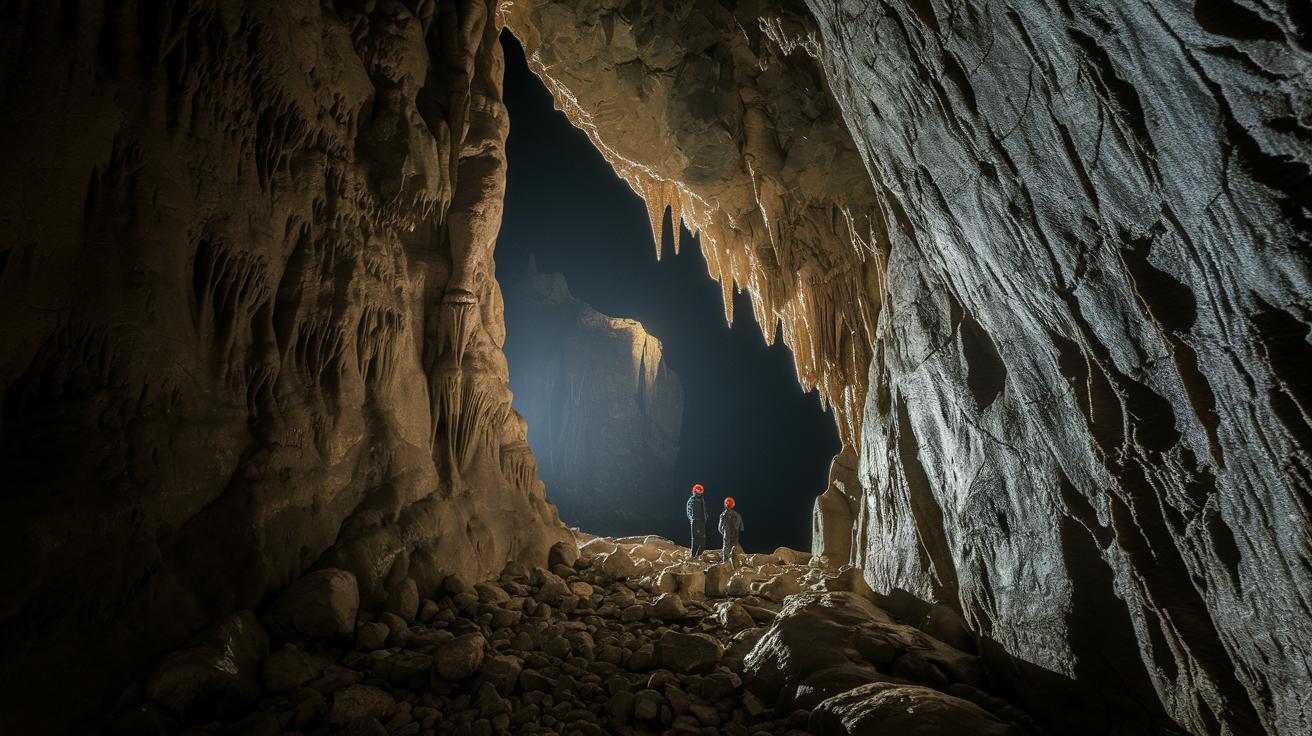
Krubera-Voronja Cave in Georgia is the deepest cave on Earth, sinking 2,224 meters below the ground. It's tucked away in Abkhazia's Arabika Massif, showing off the area's cool, unique rock formations. Imagine slowly moving down into dark tunnels where even daylight feels like a distant memory. It's like stepping into a whole new world.
Veryovkina Cave, found in Georgia's Gagra region, reaches an impressive depth of 2,209 meters. Its entrance is tiny, about 3 by 4 meters, and is set high at 2,285 meters above sea level. Think of it as squeezing through a small doorway into an enormous secret realm. Ever wondered what it feels like to slip into a hidden world meant for only the bravest explorers?
These amazing caves remind us of nature's knack for hiding incredible beauty right under our feet. They invite you to explore secret underground worlds and experience their mysterious charm firsthand.
Beyond the Deepest Cave: Profound Cavern Systems of the Caucasus

Tucked away in the Caucasus, there’s a hidden world of incredible caves waiting for you to explore. In Georgia, Sarma Cave drops to 1,830 meters deep, inviting you to wander its cool, echoing corridors where every step feels like a dive into mystery. Imagine the gentle drip of water and the soft echo of your footsteps as you navigate this underground realm.
Not far off, Snezhnaya Cave reaches 1,760 meters. Its tight passages and striking rock formations turn the adventure into an extreme journey through nature’s history, as if every twist has its own secret tale to tell.
These remarkable caves show that the Caucasus isn’t just about record-breaking depths, it's a whole network of ancient karst wonders. Ever stopped to think how nature sculpts such hidden places? Picture quiet passageways adorned with sparkling dripstones, each one a tiny secret waiting to be uncovered.
| Cave | Depth |
|---|---|
| Sarma Cave, Georgia | 1,830 meters |
| Snezhnaya Cave, Georgia | 1,760 meters |
For anyone with a taste for adventure, the Caucasus offers a journey into the heart of the earth that you won’t soon forget. So, pack your curiosity and step into a world where nature’s wonders are hidden just beneath the surface.
Other Record-Setting Deep Caves Around the World
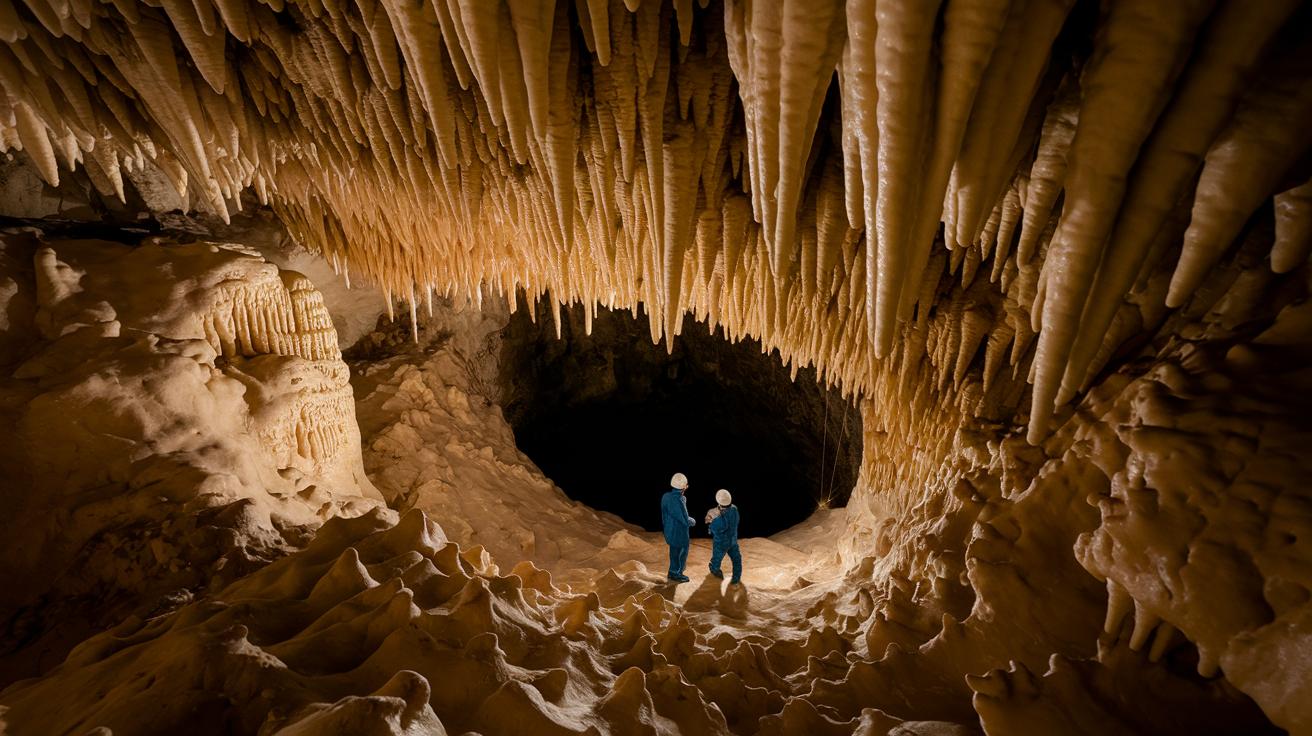
If you love exploring hidden places, these record-setting caves will really spark your curiosity. Imagine dropping down into the mysterious Lamprechtsofen in Austria, which plunges a staggering 1,735 meters into a world filled with winding passages and ancient stone stories.
In France, you're in for a treat with two impressive caves. Gouffre Mirolda falls 1,661 meters deep while Gouffre Jean-Bernard dives 1,612 meters below the surface. Walking through these caves feels like stepping into nature’s own history book, a quiet journey where every echo and drip tells a tale.
Spain isn’t left out either. Sistema del Cerro del Cuevón reaches 1,589 meters deep, drawing adventurers into its mysterious charm. And then there’s Mexico’s Sistema Huautla, proudly known as the deepest in the Western Hemisphere with a descent of 1,560 meters. Austria’s Hirlatzhöhle is another marvel, extending 1,559 meters underground and boasting 118 kilometers of mapped tunnels to spark your imagination.
Ever wondered what it’s like to wander through a silent, dimly lit maze guided only by your headlamp? These caves invite you to experience that exact thrill and to feel the quiet, ancient magic of the underground.
| Cave | Depth |
|---|---|
| Lamprechtsofen, Austria | 1,735 m |
| Gouffre Mirolda, France | 1,661 m |
| Gouffre Jean-Bernard, France | 1,612 m |
| Sistema del Cerro del Cuevón, Spain | 1,589 m |
| Sistema Huautla, Mexico | 1,560 m |
| Hirlatzhöhle, Austria | 1,559 m (118 km passages) |
Geological Origins of the Deepest Cave Systems

Deep in the rugged Western Caucasus, you'll find some truly amazing underground spots. These record-setting caves have been slowly carved out of ancient limestone by water working its magic over countless years. Picture walking into a cave where gentle water flow has shaped huge rooms and hidden paths, almost like an artist uncovering a secret masterpiece.
In the Arabika Massif, layers of old rock mix with steady underground water to form a maze of sinkholes. It’s like nature’s own puzzle where every drop of water adds a new piece, slowly changing the picture over time. Have you ever marveled at how nature can design something so incredible?
Look up, and you’ll see stalactites hanging from the ceiling and stalagmites rising from the ground. Each of these formations tells a unique story of pressure and time. Hidden rivers twist and turn in the background, reminding us that the art of cave-building is still unfolding right now.
Researchers exploring these limestone wonders are uncovering a slow, powerful process where water, rock, and time join forces to shape our world underground. Every twist and curve in these caves is a testament to Earth’s hidden history, crafted over millions of years. Isn’t it amazing how nature quietly creates its own little universe beneath our feet?
Tackling the Depths: Exploration Challenges of the Deepest Cave

Imagine stepping into a hidden world where nature sets up challenges at every turn. In caves like Veryovkina, which barely opens with a 3 × 4 m entrance, adventurers rely on clever rigging to handle steep drops safely. Picture yourself setting up ropes and pulleys in twisty, narrow shafts, it's a bit like getting ready for a tough rock climb with a lot of careful planning.
These underground mazes aren’t just dark passages. They can surprise you with sudden streams or hidden rivers. You might find yourself shivering in cold, damp air while keeping an eye on unstable rocks. Sometimes, explorers even face drops taller than 600 meters, which means teams might camp underground for several days just to make sure everyone stays safe.
Key challenges include:
- Using technical rigging to navigate tight, vertical passages.
- Handling unexpected water hazards like hidden rivers.
- Managing long, multi-day journeys deep below the surface.
Every step in these wild environments calls for extra caution and smart planning. It’s a reminder that even the toughest obstacles can be met with the right mix of bravery and careful preparation.
Hidden Features Inside the Deepest Caves

Imagine stepping into an underground world where nature crafts its own art. Deep rivers have carved winding passages that open into water-filled grottoes, each shaped slowly by flowing water over thousands of years. Picture a cavern where every drop seems to share a quiet secret from ages past.
Inside these magical spaces, you might notice little pockets where the air changes, one moment cool and misty, the next surprisingly warm and open. Light plays across the mineral walls in ways that only nature can design, turning each room into its own unique setting.
Every hidden corner tells a story of water and time. The natural dance between flowing water and mineral deposits creates a landscape that feels both timeless and full of wonder. It’s a vivid reminder that our Earth holds secret realms of beauty just waiting for you to explore.
Visiting the Deepest Cave in the World: Guided Expeditions
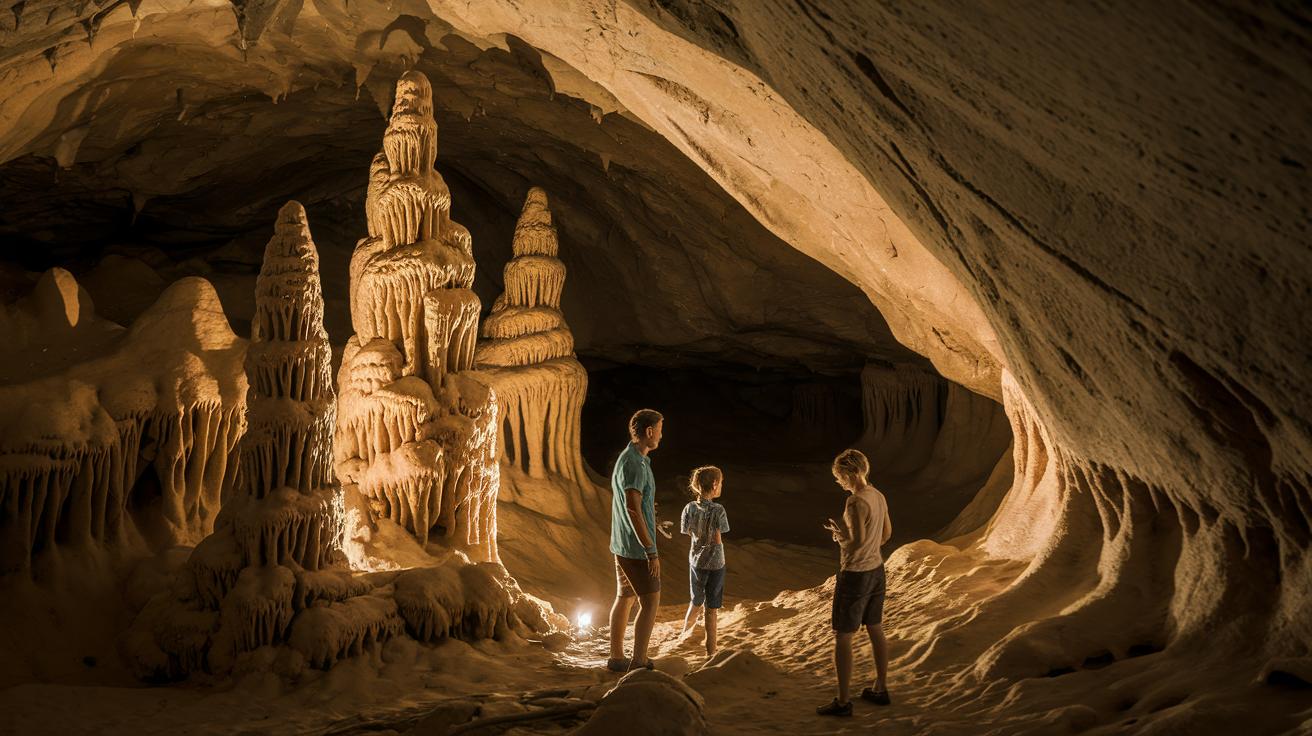
Imagine setting off on an underground adventure where every step feels like a new discovery. Guided tours here are designed for everyone, from the seasoned explorer to families looking for a safe, yet thrilling, journey into a deep chasm. These trips let you get up close with breathtaking underground landscapes while keeping nature safe with careful exploration rules.
When you’re ready to plan, there are plenty of online guides and resources to help. They offer clear maps, checklists, and permit info that make organizing your trip feel like gearing up for a fun treasure hunt. For example, picture starting your day by remembering, "Grab your headlamp, sturdy boots, and hydration pack," so you’re set for the adventure ahead.
Key points for a responsible trip include:
- Joining expert-led tours that keep nature’s balance
- Using online maps and guides to plan your route
- Following conservation tips to protect the cave's fragile beauty
Taking part in these guided journeys means you get amazing memories and help preserve these underground wonders for future explorers. Isn’t it exciting to know you’re both having an adventure and caring for nature at the same time?
Final Words
In the action of our underground adventure, we explored record-setting caves, unmatched geological mysteries, and awe-inspiring hidden features. We touched on the rugged challenges of deep descent and learned how guided expeditions let you safely embrace nature’s marvels. The insights shared show why the journey to the deepest cave in the world is as much a testament to human curiosity as it is to nature's artistry. Keep exploring and enjoy every step of your next adventure.
FAQ
Which cave is recognized as the deepest in the world?
Krubera-Voronja Cave in Georgia’s Arabika Massif is known as the deepest cave, reaching an impressive depth of 2,224 meters below the surface.
What has been discovered at the bottom of Earth’s deepest caves, such as Veryovkina Cave?
At the bottom of these record-setting caves, explorers have found narrow passages, water-filled chambers, and stunning mineral formations that reveal nature’s slow, powerful work over millennia.
What is America’s deepest cave?
America’s deepest cave is Sistema Huautla in Mexico, boasting a depth of 1,560 meters and featuring extensive, intricately mapped passageways throughout the underground network.
What are some examples of the world’s deepest caves and their key features?
Notable deep caves include Hang Sơn Đoòng, Gouffre Mirolda, Gouffre Jean-Bernard, and Lamprechtshöhle, each celebrated for unique features like vast chambers, water-carved passages, and remarkable mineral deposits.
How do these record-setting caves form?
These caves form in limestone through a process called karstification, where water slowly dissolves rock, carving out deep chasms and creating intricate mineral formations over thousands of years.
What challenges do explorers face when venturing into deep caves?
Explorers confront technical rigging for steep vertical drops, narrow shafts, hidden waterways, and unstable rock, all of which demand advanced techniques and strict safety protocols during expeditions.
Can adventurers visit these deep caves safely?
Yes, professional guided expeditions offer multi-day tours with detailed route maps, equipment checklists, and conservation practices, enabling adventurers to safely explore these extraordinary underground worlds.