
Ever wondered why a little stamp or sticker in your passport can spark an amazing adventure? It’s like your ticket to a whole new world. In this easy guide, we break down travel visa rules into everyday language.
We’ll chat about how different countries hand out visas and what that means for your travel plans. Think of it as planning a fun road trip, you want to know every twist and turn before you start.
So, grab a coffee and join us as we walk through the details. Getting your visa sorted might be the very first step toward a journey you’ll never forget.
Decoding Travel Visa Requirements: What You Need to Know

A travel visa is like a friendly permission slip that lets you step into another country legally. You’ll usually find it stamped, glued, or attached inside your passport, showing details like your name, passport number, and the dates you’re allowed to come in and leave. It’s much like getting a welcome nod at the door, whether you’re there to sight-see, work, or just pass through.
Visa rules change depending on where you’re from and where you’re headed. Every country sets its own guidelines based on security, diplomacy, and local policies, so some travelers might have an easier time, while others may need to jump through extra hoops. For instance, it might be cool to know that in one country you could get a visa on arrival, whereas a neighboring nation might ask you to get approval ahead of time.
Think of it this way: your passport is your personal travel ID, proving who you are wherever you go. Meanwhile, the visa is like your special entry ticket that explains why you’re visiting and how long you can stay. Your passport says, “This is me,” and the visa gives a thumbs-up, letting you experience all that the destination has to offer.
Exploring Types of Travel Visas and Entry Permits

Picking the right visa is a bit like choosing the perfect ticket for your adventure. When you're planning a trip, ask yourself if you're going for fun, work, study, or just a quick transit. Getting clear on why you're visiting not only makes the paperwork easier but also helps you dodge any unexpected delays.
Every country has its own set of rules for visas. So, if you’re aiming for a tourist permit, need work papers, or plan to study, knowing your purpose ahead of time is like having a useful map, it keeps things simple. This little step can change your travel experience, ensuring you only gather what matters for your journey.
- Tourist Visas: These are for short visits where you just want to relax and explore, without working.
- Work Visas: They let you live and work in another country and usually need you to have a job offer or sponsor.
- Student Visas: For those hitting the books, these visas let you live in a country while you're enrolled in school.
- Transit Visas: Perfect for those quick stops, letting you pass through a country while waiting for your next ride.
- Immigrant Visas: These are for making a new home in another country, offering permanent residency after a careful check.
- Multi-Entry Permits: Great for frequent travelers, these visas let you go in and out of a country multiple times while they’re valid.
Then there's the region-wide permit, like the Schengen visa. This one covers 26 European countries all at once, so you don’t have to apply for a different visa every time you cross a border. It’s a neat option for anyone wanting to experience lots of different cultures without all the extra hassle.
Essential Documents and Eligibility Criteria for Visa Applications
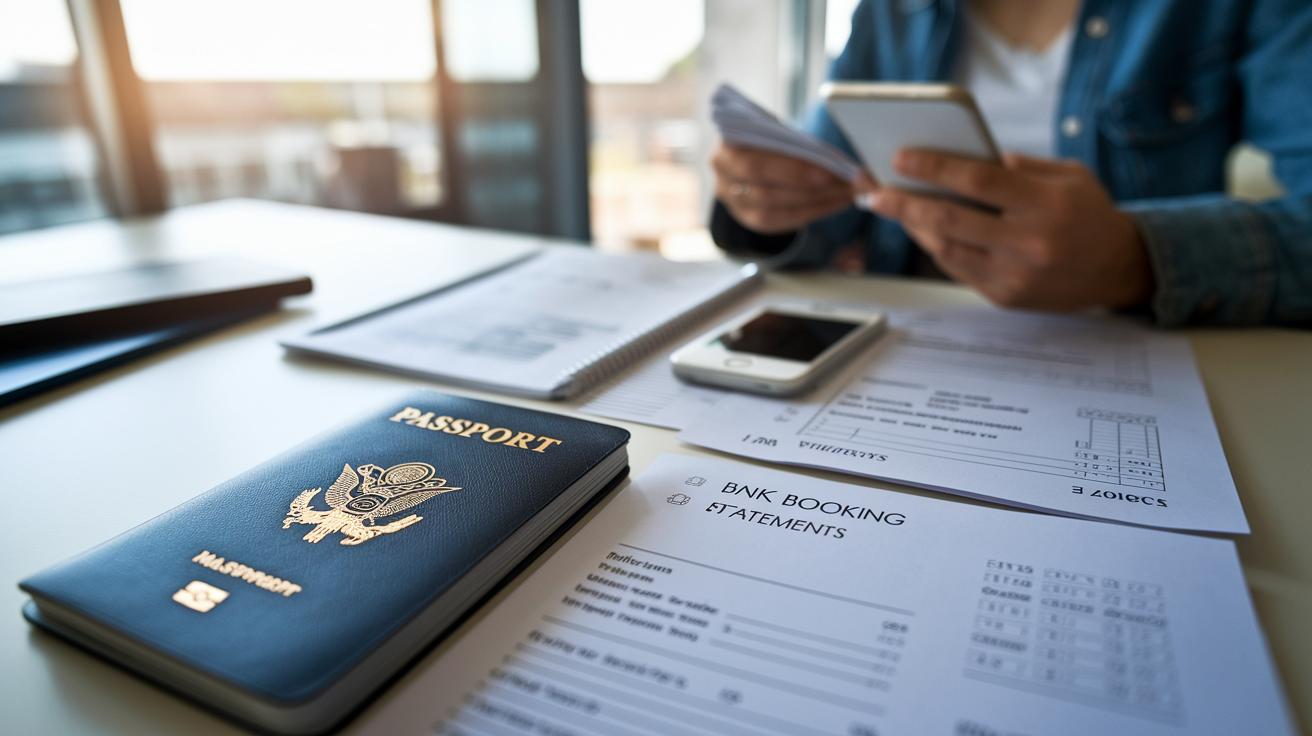
First off, make sure you have your core documents ready. You need your passport, two friendly biometric passport pictures, and the visa application form. Your passport must be valid for at least six months after your trip. Think of it as double-checking that your camera has enough memory before snapping a great picture. For instance, always make sure your passport meets this six-month rule so you avoid any unexpected surprises when booking your flight.
Next, it's time to collect your extra documents. This means your travel itinerary, proof of where you’ll be staying (like hotel bookings), recent bank statements showing you have the funds you need, and any required travel insurance papers. These details help show immigration officials that you're organized and ready for your adventure. It’s like putting together a little story about your trip, with a cool plan, a place to stay, and the financial backup to make everything work out nicely.
Finally, if you're applying for a visa that needs extra paperwork, like for work, school, or if someone is sponsoring your trip, you might need more documents. These can include invitation letters, affidavits, or sponsorship forms. A work visa, for example, could come with a supporting letter from your employer that explains your role and how long you’ll be there. These extra bits help prove you’re a great candidate and can speed up the process.
Step-by-Step Consular Application Process for Travel Visas

Start by picking the right visa form that fits your travel plans. If you're heading out, you might choose an e-visa online or grab a paper form from the consulate. Make sure you know whether you need a tourist visa, a work visa, or another type, and then fill out or download the right application. For example, if you opt for an e-visa, you can complete everything on your computer, which saves you time. This first step sets the stage for your journey by getting your paperwork in order before any in-person visits.
Next, book your appointment with the embassy or consulate. When scheduling, check if you need to provide biometrics (like a photo or fingerprints) or go for an in-person interview. Once your time is set, get ready to submit the required biometrics and pay any fees. Think of it as scheduling a travel pit-stop, making sure everything is lined up so your visa application can move forward smoothly. Keeping on top of your appointment helps you avoid any delays that might mess up your plans.
Finally, after you've handed in your form and had your appointment, consular officials review your documents carefully. They’ll check each piece of paperwork and give you a tracking number so you can follow your application's progress. When your visa gets approved, you receive a stamp or sticker in your passport. While wait times can vary, having a tracking system means you’re always in the loop, keeping your visa process as smooth as possible.
Understanding Visa Fees, Processing Times, and Expedited Options
Visa fees can differ a lot depending on where you're headed and what kind of visa you need. For example, if you're traveling in Africa, countries like Algeria might charge around $160, Côte d’Ivoire about $150, and Egypt usually costs $25 for one entry but $60 if you plan to come and go. Kenya asks for roughly $51. Over in other parts of the world, Brazil will start needing visas from April 10, 2025, while Australia’s Electronic Travel Authority comes in at about $13. China typically charges around $140, Oman offers several e-visa options from $15 to $130, and in Saudi Arabia, you can pick either an e-visa for $105 or a visa-on-arrival for $80.
Processing times are just as varied. Some e-visas might get approved by the next day, which is perfect if you're booking a last-minute flight. But if you're after something more complex like a work permit, expect to wait about 6 to 8 weeks. The time needed depends on things like how many people are applying, if extra documents are required, and how busy the local offices are.
If you’re in a rush, don't worry. Many embassies and visa agencies offer quick or even overnight processing for an extra fee. These speedy options come in handy when travel plans suddenly change. And if your visa application faces delays or isn’t approved, many places have clear refund policies or let you reapply without having to start from square one. This flexibility helps ease the stress during unexpected travel bumps.
Regional Variations in Travel Visa Requirements
Have you ever wondered why travel rules change from one region to the next? It’s like each area has its own little secret when it comes to visas. Some places welcome you without a hitch, while others ask for a formal visa with fees that differ from one country to another. For instance, in Africa, a few nations let you wander in visa-free, but countries like Kenya and Nigeria charge you a fee. Over in the Americas, many destinations let you enter easily, though places like Cuba might ask for a small fee. In Asia and the Pacific, you’ll find a mix of visa-free spots and places with affordable fees, like India and Vietnam. And in Europe, most Schengen countries welcome U.S. travelers without a visa, though there are a few exceptions. Even in the Middle East, there’s a range of options with some countries offering easy e-visas.
| Region | Visa Requirement | Example Fee | Visa-Free Highlights |
|---|---|---|---|
| Africa | Mixed | Kenya $51; Nigeria $160 | Botswana, Lesotho, Mauritius, Morocco, Senegal |
| Americas | Mostly visa-free | Cuba $50* | Canada, Mexico, Chile, and more |
| Asia & Pacific | Varies by country | India from $25; Vietnam $25/$50 | Japan, Singapore |
| Europe | Visa-free for most Schengen states | Azerbaijan $20; Russia $185 | Nearly all Schengen countries |
| Middle East | Mixed, e-visa options | Jordan $56; Saudi Arabia $105/$80 | UAE, Türkiye |
Looking a bit closer, you'll notice that Europe and many parts of Asia and the Middle East often provide visa-free or e-visa options. On the other hand, Africa and the Americas can be a bit more varied, with some strict and some relaxed rules. Think of it like packing for a big adventure: knowing these little details can save you from surprises at the border. So, as you plan your journey, take a moment to check the visa rules for your destination. Isn't it nice to know exactly what to expect before you set off to explore new cultures and breathtaking landscapes? Enjoy your travels and stay informed!
Common Pitfalls and Expert Tips for Smooth Visa Approval

When you're filling out your visa form, even tiny mistakes can cause big delays. A lot of people miss out on filling in every part or forget to attach an important document, like a signature or the right photo size. Imagine packing for a trip and then realizing you left your map at home. To steer clear of these issues, take a moment to double-check each section and attachment.
When it's time for your visa interview, have all your documents at the ready. Bring extra copies of your forms, photos, and any other paperwork you might need. Think of it like rehearsing your favorite travel story before you share it with a friend. Being well-prepared boosts your confidence and helps smooth out any worries the interviewer might have.
Also, keep a close eye on your application status and store your original documents securely. Using your unique reference number to track your form can really take the worry out of losing paperwork. And remember, following local entry rules is super important. Keeping everything in order is the best way to avoid any unexpected setbacks on your journey.
Pre-Departure Steps After Securing Your Travel Visa

Once your visa is in hand, take a good look at all the details printed on it. Check the dates for entry and exit, the number of times you can enter, and the overall period it’s valid. Make sure these match with your travel plans. Also, double-check that the activities allowed on your visa, be it for tourism, work, or study, fit perfectly with what you have planned. A small mix-up here can lead to unexpected hiccups at the border.
After you’ve reviewed the information, don’t forget to complete any extra steps the embassy asked for. This could be registering with local officials, renewing biometrics, or noting rules for any permit extensions. Staying on top of these details now means you won’t have any unwelcome surprises later on.
Finally, put together a simple pre-departure checklist. Gather your stamped passport, travel insurance documents, and backup copies of all your forms in one neat file. Think of this checklist as your personal guide to stress-free travel. Learn more about how to plan an international trip on Mauisky.com and enjoy the journey knowing nothing’s been left behind.
Final Words
In the action from decoding what a visa really does to exploring types of permits and ironing out the application details, we’ve taken a scenic route through every vital step. We dove into essential documents, common pitfalls, regional differences, and pre-departure checklists. This essential guide to travel visa requirements helps turn complex travel rules into clear, manageable steps. Enjoy your adventure and let these insights empower you to plan that perfect getaway, one smooth step at a time.
FAQ
What are the tourist visa USA requirements?
The tourist visa USA requirements mean you need a valid passport, completed application forms, supporting documents like financial proof and travel itineraries, and often an interview to show your temporary visit intent.
What are the B2 visa requirements?
The B2 visa requirements include having a valid passport, a completed application, supporting documents such as accommodation proof and a travel itinerary, plus evidence of strong ties to your home country.
What countries require a visa for U.S. citizens?
The question about what countries require a visa for U.S. citizens means that while many nations allow visa-free entry, some like Russia, China, and India require a visa—always check the latest entry regulations.
What are the U.S. tourist visa requirements for the Philippines?
The U.S. tourist visa requirements for the Philippines involve submitting a valid passport, filled-out application forms, and supporting documents, along with meeting specific embassy instructions that may differ from other regions.
What are the B1/B2 visa requirements?
The B1/B2 visa requirements combine business and tourism needs—a valid passport, detailed travel itinerary, financial documentation, scheduled interview, and proof of strong home ties to assure return plans.
How long can I stay in the U.S. on a tourist visa?
The duration on a U.S. tourist visa typically allows up to six months, though the exact period is determined by the entry officer based on your itinerary and overall travel plans.
What is involved in the B2 visa application?
The B2 visa application process involves filling out the online form, paying the fee, uploading supporting documents, scheduling an interview, and sometimes completing biometrics to validate your travel purpose.
What is involved in the B1/B2 visa application?
The B1/B2 visa application process requires completing an online or paper form, paying the applicable fee, scheduling a consular interview, and presenting supporting documents to confirm your business or tourist intentions.
What documents do I need for a travel visa?
The documents needed for a travel visa usually include a valid passport with ample validity, recent passport photos, a filled-out application, proof of financial means, your travel itinerary, and any required invitation letters.
What are the necessary requirements for a visa?
The necessary requirements for a visa include holding a valid passport, completing the proper application forms, submitting supporting proof like financial statements and travel itineraries, and attending an interview if needed.
What are three things you can’t do with a visitor visa?
The limitations of a visitor visa mean you generally can’t work, enroll for long-term studies, or establish permanent residency; its use is strictly for short-term visits and tourism only.