
India hides countless travel treasures beyond usual hotspots. This list highlights ten unexplored and underrated places every Indian should visit at least once — from the backwaters of Kottayam to high-altitude lakes, remote Himalayan hamlets, hidden canyons and crystal rivers. These destinations blend dramatic scenery with village culture and sustainable tourism potential; many remain quieter than mainstream sites and are perfect for slow travel, photography and homestays. Images belong to respective owners. Pack curiosity, respect local customs and consider off-season travel to avoid crowds. Read on to rediscover these gems and help promote them internationally.
Ziro Valley, Arunachal Pradesh
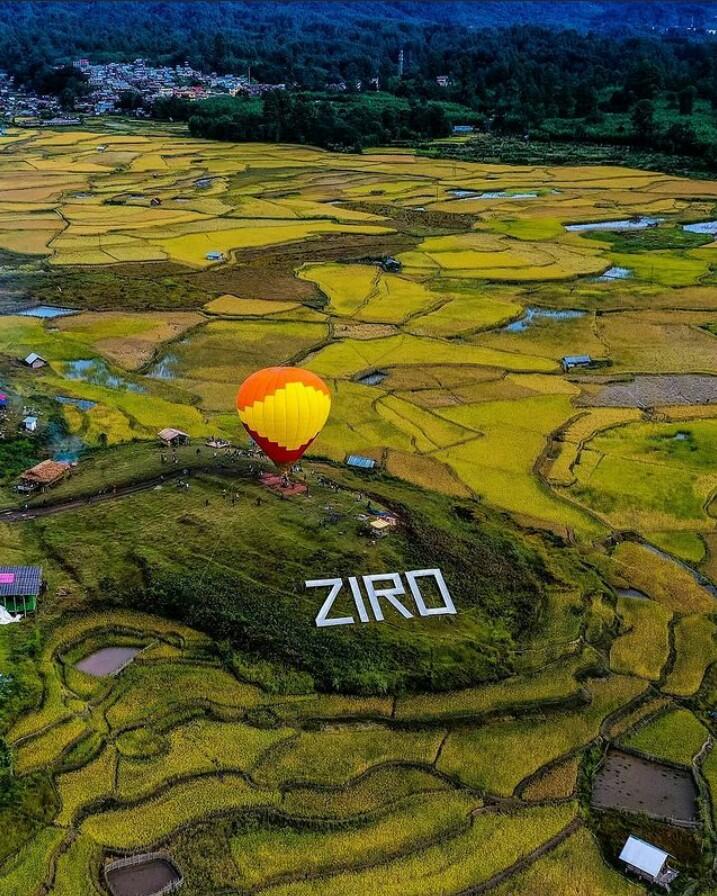
Ziro Valley, tucked into Arunachal Pradesh’s pine-and-paddy landscape, is a serene plateau famous for its Apatani tribal culture and broad rice terraces. Apart from the Ziro Music Festival, the valley rewards slow travelers with quiet hikes, sunrise panoramas and homestays that offer authentic local hospitality and traditional cuisine. Birdwatchers can enjoy endemic species amid mixed forests, while photographers will love the valley’s patchwork fields and soft light. Access requires some planning, roads are improving but remain rural, so expect a rustic, peaceful stay. Local initiatives promote homestays and respectful tourism, making Ziro a model for low-impact exploration.
Loktak Lake, Manipur

Loktak Lake in Manipur is India’s largest freshwater lake and famous for its phumdis, floating biomass mats that support villages and unique ecosystems. Keibul Lamjao National Park, formed on these phumdis, is the world’s only floating national park and the fragile home of the sangai deer. Visitors can take boat rides, visit floating gardens, and learn about local fishing livelihoods. Early morning light turns the lake into a reflective mirror and winter brings migratory birds. Conservation is an ongoing challenge, so travel here with respect, choose local guides and homestays to support sustainable livelihoods while enjoying a rare natural phenomenon few places on earth can match.
Khimsar Sand Dunes Village, Rajasthan

Khimsar is a tranquil desert village on the edge of the Thar where rolling sand dunes meet a 16th-century fort. Unlike the heavily touristed hubs of Rajasthan, Khimsar offers intimate camel safaris, quiet dune camping and evenings under bright starfields with far fewer crowds. The fort has been converted into a heritage stay where visitors can experience local Rajasthani food, music and crafts. Nearby villages preserve traditional ways of life and artisan skills. Visit between October and March for comfortable temperatures and dramatic sunsets. It’s an ideal stop for travelers seeking desert solitude coupled with cultural encounters and sustainable homestays.
Damro, Arunachal Pradesh
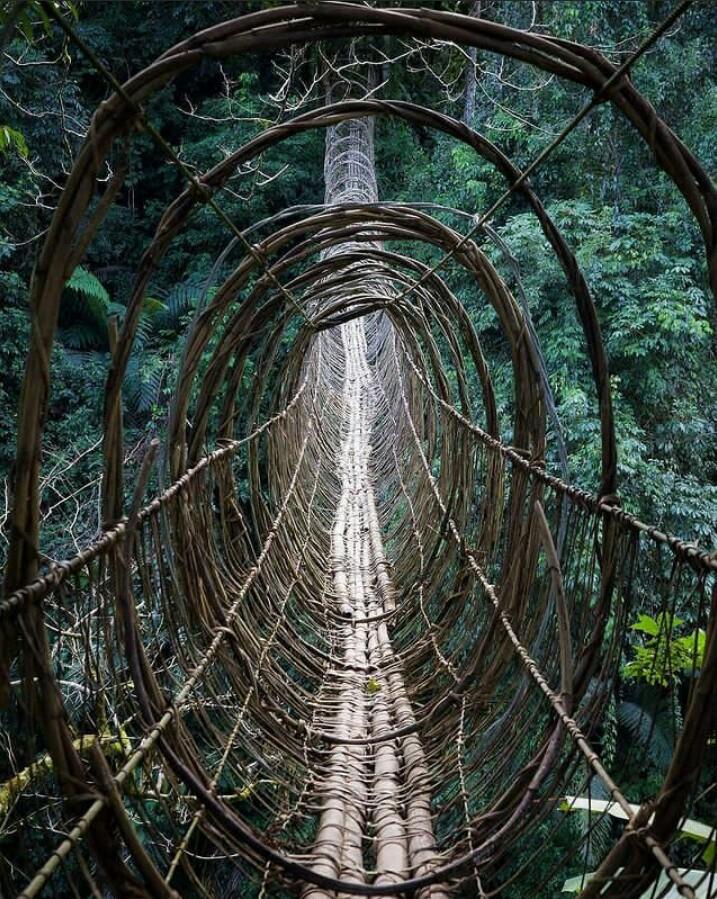
Damro is a remote village tucked into Arunachal Pradesh’s foothills, offering a window into tribal life, terraced fields and quiet mountain trails. Far from mainstream routes, Damro’s charm lies in simple village rhythms, handloom weaving, local festivals and warm homestay hospitality where guests learn about food, folklore and traditional crafts. Treks start from nearby hamlets and lead through rhododendron forests and streams; photographers will appreciate misty mornings and layered landscapes. Amenities are basic, so bring cash and patience, and travel with a local guide to ensure respectful engagement. Visit after monsoon into autumn when the hills are clearest and trails safest.
Dudhsagar Waterfall, Goa

Dudhsagar Falls, straddling Goa and Karnataka, is a thunderous cascade that lights up during and just after the monsoon. The falls plunge through dense Western Ghats forest, creating misty pools and lush green surrounds ideal for nature lovers. Access typically involves a jeep safari through Mollem Wildlife Sanctuary or limited rail viewpoints; trekking is seasonal and regulated, so plan responsibly and check local rules. Apart from dramatic photography, the area is rich in birdlife and endemic plants. Visit during the rains for peak flow, but shoulder seasons can offer safer access and clearer visibility, always follow park guidelines for safety and conservation.
Pangong Tso Lake, Ladakh
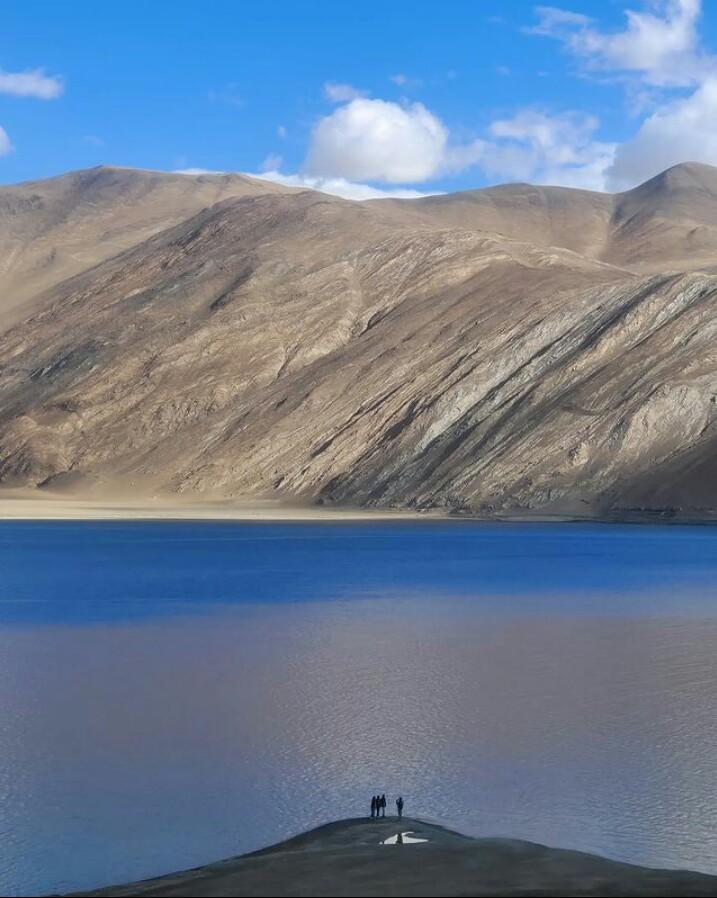
Pangong Tso is a high-altitude saltwater lake in Ladakh, famed for ever-changing shades of blue and a stark, almost lunar landscape. At over 4,200 meters, temperatures drop quickly, and infrastructure is basic, so acclimatize in Leh and travel with ample supplies. Lakeside camping and slow walks along the shore at dawn provide unforgettable light and solitude; photographers will find endless compositions as the water shifts color. Access is seasonal; most visitors come between May and September when passes are open. Respect local regulations near border areas, carry necessary permits and leave no trace when camping in this fragile high-altitude environment.
Gandikota , Grand Canyon of India, Andhra Pradesh
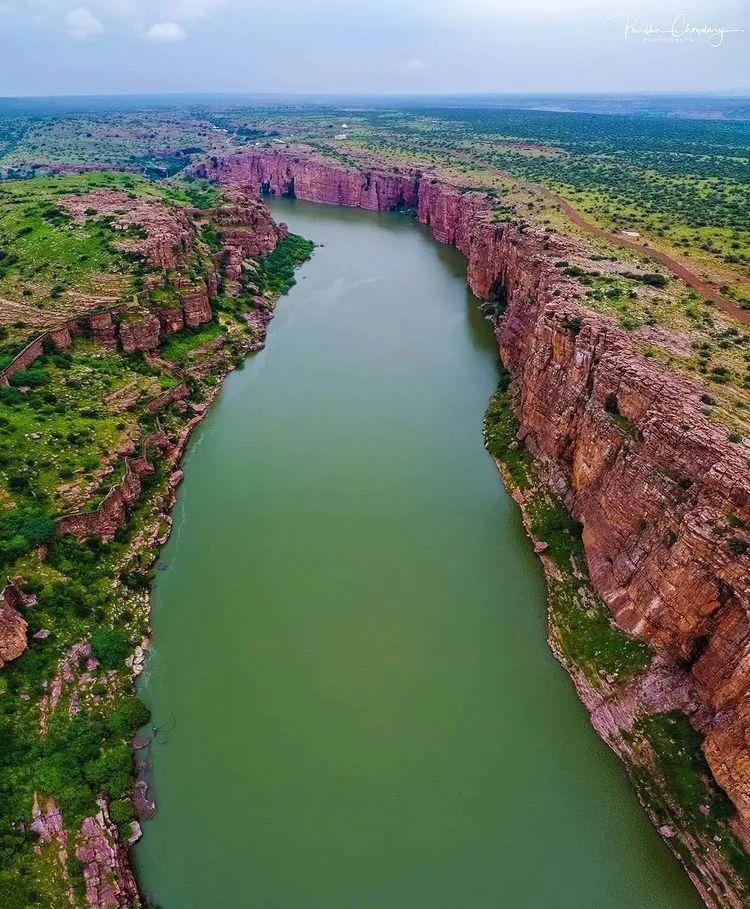
Gandikota’s dramatic gorge on the Pennar River has earned the nickname India’s Grand Canyon thanks to deep cliffs, red sandstone walls and a narrow river cut. Perched above the ravine is Gandikota Fort, whose ruined bastions and mosques offer sweeping viewpoints and evocative sunset vistas. The site combines geology and history: explore rocky trails along the gorge, wander fort ramparts and, if water levels permit, glimpse the river below. The area is quietly growing in popularity but remains far less crowded than many natural spectacles, visit in winter for mild weather, and bring water, sun protection and sturdy shoes for rugged paths.
Umngot River, Meghalaya
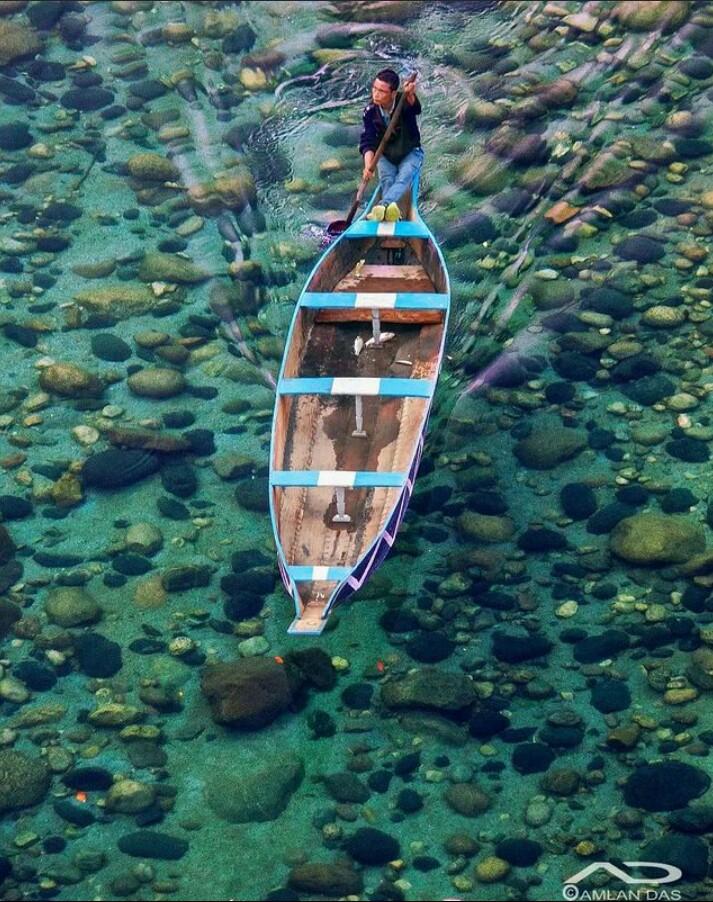
The Umngot River at Dawki is famed for its glass-clear waters where boats appear to be floating on air. Nestled in Meghalaya’s West Jaintia Hills, the river flows through limestone terrain and lush forests, framed by emerald hills. Boat rides from Dawki are peaceful, revealing perfect reflections and vibrant aquatic life; early morning light is best for photographs. Dry-season visits yield the clearest water; avoid monsoon runoff for visibility. Pair a trip with nearby attractions such as Mawlynnong’s clean village initiatives and living root bridges to make a longer, meaningful visit that supports local homestays and small businesses.
Jog Falls, Karnataka

Jog Falls, in Karnataka’s Western Ghats, plunges dramatically as the Sharavathi River breaks into a deep gorge, creating one of the country’s most spectacular waterfalls. During the monsoon the falls swell and split into distinct torrents, offering thunderous vistas and cooling, misty air. Scenic view points, forested trails and nearby coffee plantations make the region perfect for day trips or longer nature escapes from cities such as Bengaluru. For safety and best views, visit during or just after the rainy season; facilities vary, so plan for local transport and combine with nearby attractions like Shimoga’s wildlife and hill viewpoints.