
Have you ever felt confused by a new language while traveling? Many travelers find that not knowing the right words creates a barrier with the locals. But a few simple phrases can break that barrier and open up warm connections.
This guide offers easy tips to help you prepare before your journey. You'll learn how a few handy expressions can boost your confidence and make your cultural encounters more genuine. Ready to turn language challenges into exciting adventures?
Essential Strategies for Overcoming Language Barriers While Traveling

Before you pack your bags, spend a bit of time practicing key phrases. Imagine strolling through a lively street market where even a simple "hello" can brighten someone's day. I've picked up plenty of ideas from journeys across many countries that can help you confidently interact, even when language feels like a barrier.
This guide mixes 13 handy tips that are all about simple, fun preparation. Think of it like a mini adventure before the adventure, practicing phrases, using fun gestures like charades or showing pictures, and even leaning on helpful tools like Google Translate (even if it sometimes takes its time).
One of the top tips is to learn 32 must-know phrases. These cover everything from greetings and directions to ordering food, handling small emergencies, and sharing a friendly chat. It’s not just about the words; it’s about letting your smile and gestures speak, too.
Key strategies include:
- Practice those 32 essential phrases before you travel.
- Use language apps, flashcards, or video lessons to boost your skills.
- Rely on nonverbal cues like charades or pictures when words don’t come easily.
- Keep a pocket phrasebook handy, especially where internet might be spotty.
- Use tools like Google Translate, but have a backup plan ready.
- Stay patient, friendly, and don’t be afraid to laugh off little mix-ups.
Also, try to adapt to local customs by speaking slowly and clearly. Notice how locals share their unique style of conversation, and let that guide you. With these tips, language challenges can become opportunities for connection. Enjoy the adventure of learning as you go and open the door to new friendships on your journey.
Preparing Key Phrases and Essential Travel Vocabulary for Language Barrier Mastery

Start by learning a curated list of 32 essential phrases covering greetings, directions, dining, emergencies, and everyday social interactions. Practice these phrases with flashcards, then write them on sticky notes and stick them around your home. For example, jot down "Where is the nearest restroom?" on a note and place it on your bathroom mirror so you see it every morning.
Consider using a variety of tools for a more hands-on approach:
- Flashcards for quick recall
- Language apps that speed up rapid language learning for jetsetters
- Video tutorials that mimic real-life conversations
- Simulated role-play sessions with a friend, where you practice exchanging phrases in a travel scenario
Combine techniques by first using an app to learn a phrase and then practicing it in a mini role-play. For instance, after learning "How do I get to the airport?" on your phone, simulate asking a friend for directions as if you were in a bustling foreign terminal.
You could also set aside a few minutes each day for brief cram sessions or language exchanges via social media group chats. This integrated approach turns practice into a daily habit, ensuring that basic conversation skills turn language barriers into opportunities to connect with locals.
Leveraging Translation Apps and Digital Tools to Bridge Language Gaps
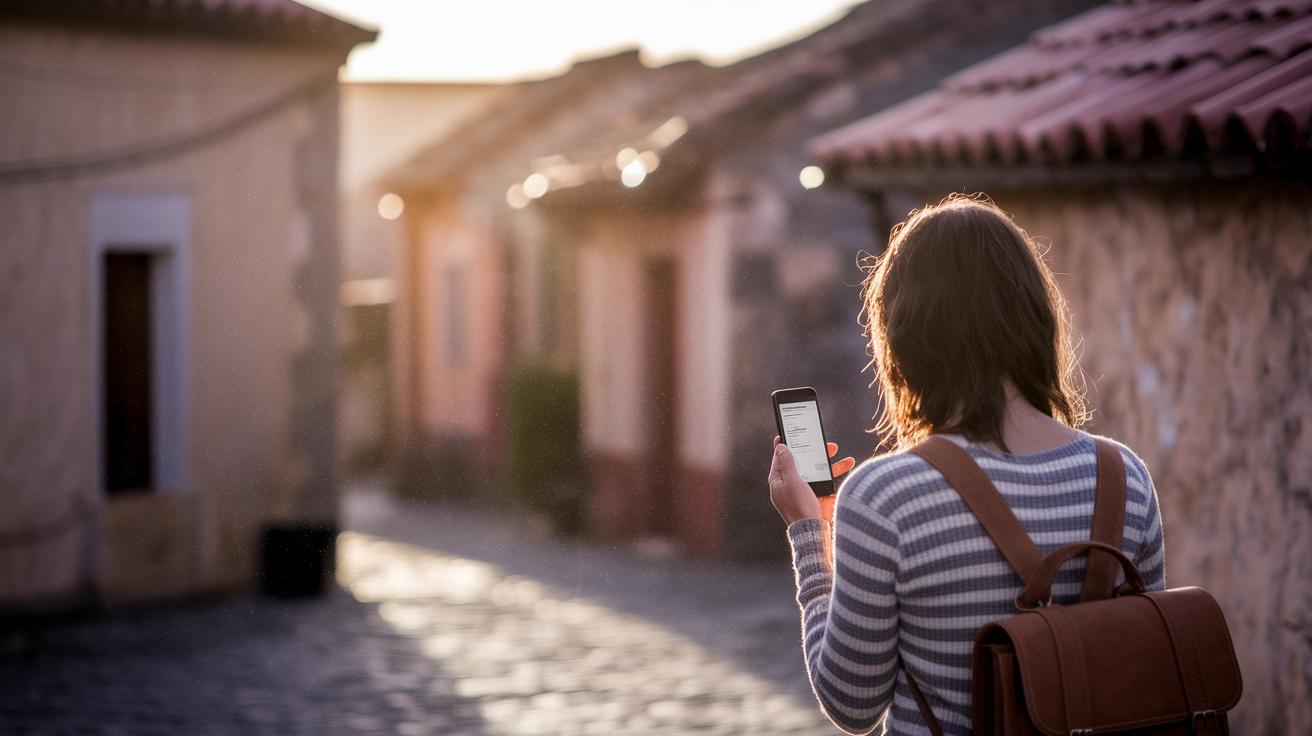
Google Translate is a handy travel buddy that helps you understand different languages in real time. It listens to what you say and turns it into another language almost instantly, even if it sometimes takes a teeny moment to catch up. Imagine asking, "Where is the nearest café?" and hearing, "¿Dónde está el café más cercano?" That little pause can feel like your friend is just catching up in the conversation.
When you're wandering in places where the internet is patchy, a simple offline phrasebook or a small pocket dictionary can really save the day. Picture yourself in a quiet village with no signal on your phone; having a guide with must-know phrases keeps your chat going smoothly. You might even carry a little card with basic words like "help" or "bathroom" so you're never left without a way to express yourself.
It’s also a good idea to try out different translation tools along the way. While Google Translate is great, sometimes a dedicated voice translator will give you a quicker answer in a noisy market or busy train station. Try a few apps side-by-side: one might do better with longer sentences while another nails those fast, everyday phrases. Just test out a voice command like, "Can you recommend a good restaurant?" and see which one gives you a faster, clearer reply.
Being ready for tech hiccups is really important. Sometimes an app freezes or your battery dies at the worst moment, so it doesn’t hurt to have a backup plan. Carry a portable charger with you and consider downloading essential translation packs ahead of time. Many experienced travelers suggest using both modern tools and a classic paper guide, ensuring you can always communicate, no matter what.
With these digital tricks in your bag, you can easily bridge language gaps and make every exchange a fun part of your travel story.
Mastering Nonverbal Communication and Cultural Etiquette Abroad

Before you set off on your journey, take some time to learn about local customs. Look into how people use body language, gestures, and etiquette. Even a simple nod or head shake can change the way people see you. In some places, a nod means yes, while a slight head tilt might hint at uncertainty. These small signals work like a secret handshake, connecting you with locals when words aren’t enough.
Pay close attention to these nonverbal tips:
- Learn the local eye contact rules. In some cultures, holding someone's gaze can show confidence, but in others, it might seem impolite.
- Notice hand gestures. Sometimes a friendly wave can say hello better than words.
- Understand personal space customs. Knowing how close is too close can help you avoid awkward moments.
- Respect elders and local traditions, especially in quieter communities, by mirroring their respectful posture and gestures.
Imagine walking into a busy market and greeting someone with a warm smile and a gentle nod. That silent exchange can speak volumes. By keeping an eye out for local cues and adjusting your actions, you'll build trust and create genuine connections, even without speaking a word.
Handling Communication Challenges During Emergencies in Foreign Languages

Traveling is full of surprises, sometimes the fun ones, and sometimes a bit stressful. When things go awry abroad, knowing a few simple words in the local language can be a real lifesaver. Imagine facing a sudden medical issue or losing your passport; a well-timed “Help!” can make all the difference.
It helps to know a handful of key words like help, doctor, and police. Practice saying them slowly and clearly so they come naturally, even when you’re on edge. And hey, a small card with important numbers, like your local embassy or emergency services, stashed in your bag is a smart move too.
When words just don’t cut it, you can use simple pictures or symbols to let others know what you need. Taking a few minutes to rehearse these phrases before your trip not only boosts your confidence but also smooths out those tense moments. Isn’t it amazing how a little preparation can turn a crisis into a manageable hiccup?
Embracing Immersion Techniques and Building Conversational Confidence on the Road

Get off the beaten path and dive into local life. Imagine sitting down to a home-cooked meal in a small village where kind smiles and gestures help everyone connect without needing many words. Staying with locals, joining neighborhood gatherings, or taking a cooking class lets you pick up everyday phrases without even trying too hard. Picture yourself in a cooking class where even a little mix-up in your words sparks a warm laugh. One traveler once shared how a wrong word for bread led the chef to smile and hand out extra rolls.
Trying out language exchanges while traveling can really boost your confidence. Think about wandering through a busy market or visiting an art workshop where you might not catch every word, but the shared excitement makes all the difference. By joining in local activities, you get hands-on practice that eases your worries about chatting with people from all over the world.
Try these simple tips:
- Book a homestay so your host can share everyday expressions.
- Go to local meetups where the conversation flows naturally, not by strict rules.
- Take a cooking class and pick up fun phrases related to food and family.
- Wander through local markets where friendly gestures and smiles speak louder than words.
Remember, every mix-up is a chance to learn. Laugh off mistakes, ask for clarification with a friendly smile, and soon you’ll see that each conversation takes you one step closer to becoming a confident traveler who can connect with anyone around the globe.
Planning Itineraries to Enhance Language Learning and Cultural Connections
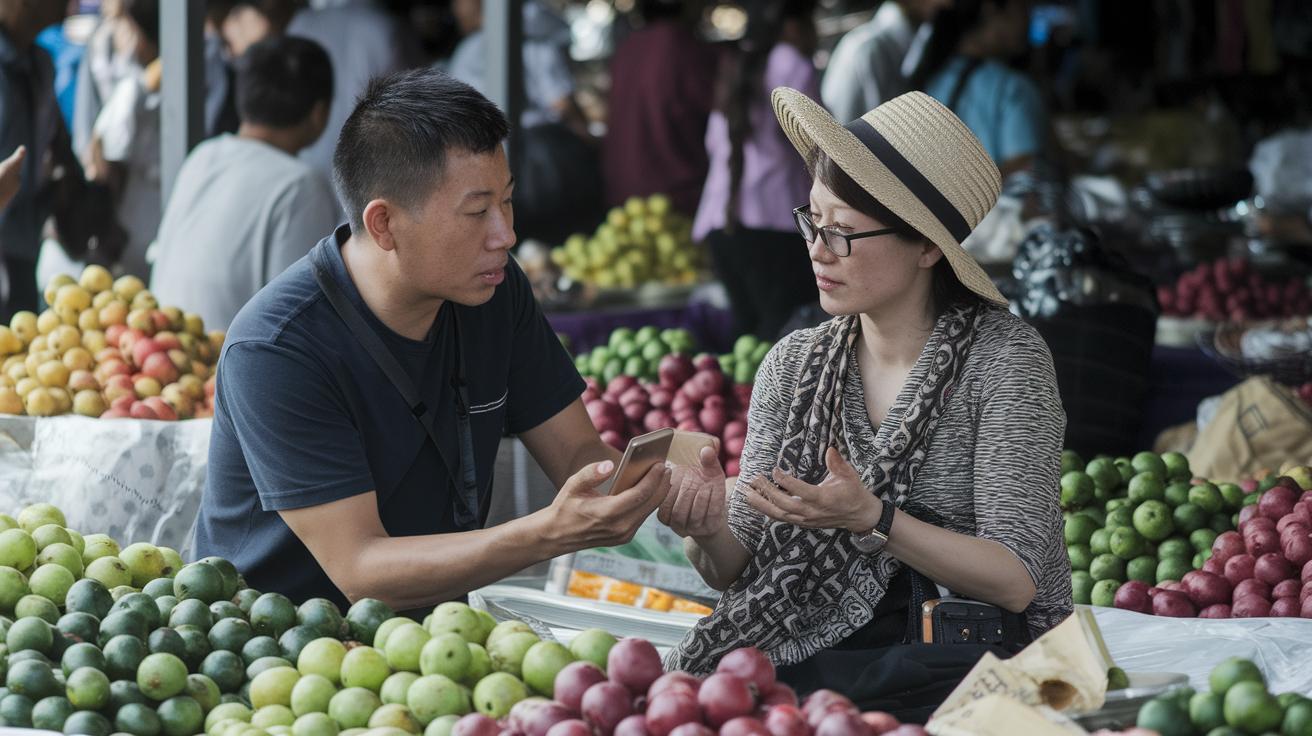
Planning your trip can be like setting up your own language lab while you explore new cultures. Think about adding fun, language-rich experiences to your schedule. Imagine staying with a local family, joining a food tour, checking out a museum, or trying a community workshop. Each activity helps you practice a new language and feel the local vibe.
Before you set off, spend some time learning about the area. Look up the local history, check out the unique architecture, and learn about traditions. For example, if you’re visiting an old market, find out why it matters. You might discover that in a small town, the museum also serves as a community center where residents share stories from long ago. Such a tidbit can make a chat with a local even more interesting.
Here are a few easy tips to get started:
| Tip | How It Helps |
|---|---|
| Join Guided Tours | Hear stories from native-speaking guides and learn everyday words. |
| Opt for Homestays | Practice talking with your host and enjoy home-cooked meals. |
| Attend Workshops | Learn local phrases and customs in a relaxed setting. |
| Explore Local Museums | See how history and modern life mix in creative ways. |
Each part of your planned itinerary is a step toward fitting in with a new culture. It’s like collecting small pieces of a big puzzle where each conversation and experience builds your confidence. When you organize your travel days with care, you not only build new friendships but also create memories that turn traveling into a heartfelt adventure.
Expert Resources and Next Steps for Continuous Language Improvement

Keep your language skills fresh even after you get back home. Online lessons fit easily into your day, like picking up a new phrase while waiting for the bus, and mobile apps let you practice whenever you have a quiet moment. Local language meetups and trusty phrasebooks make it fun to connect with fellow travelers who love chatting, too.
Here are some ideas to keep your progress moving along:
- Try daily vocabulary apps that are like little travel puzzles, keeping your mind active and engaged.
- Look into speech coaching sessions that help you polish your pronunciation in a friendly, one-on-one setting.
- Check out manuals that break down tricky sounds into simple, easy-to-follow steps.
- Listen to travel-themed language podcasts where real travelers share funny, heartwarming language moments.
Imagine tuning into a podcast where someone recounts how a small mispronunciation led to a warm invite from a local. It’s a reminder that language learning is a bright, ongoing adventure.
And don’t forget to join social media groups. They’re a fun spot to share your progress, ask for tips, and keep that learning spirit alive.
Final Words
In the action, this piece showcased practical strategies, from mastering essential phrases pre-trip to using smart tech when words fail, to conquer language barriers while traveling. It offered hands-on tips, nonverbal cues, emergency plans, and immersive cultural experiences to build your confidence as you explore. Embracing an expert guide to overcoming language barriers while traveling, these easy steps inspire you to chat, connect, and make every interaction count. Enjoy the journey with a smile and a spirit ready for discovery!
FAQ
What are essential strategies for overcoming language barriers while traveling?
The essential strategies involve preparing key phrases, using translation tools, applying nonverbal cues, and adopting a friendly attitude. This multi-angle approach has been tested across diverse countries to boost travel confidence and ease communication.
How can I prepare key phrases and travel vocabulary to boost my conversational readiness?
The preparation involves learning essential phrases like greetings and directions using flashcards, language apps, and social media exchanges. This practice helps reduce travel anxiety and enhances on-site conversations.
What translation apps and digital tools can help bridge language gaps abroad?
The approach is to use options like Google Translate for real-time assistance, along with offline phrasebooks and backup methods. These tools ensure smooth communication even where connectivity is low.
How do I master nonverbal communication and cultural etiquette while traveling?
The strategy is to research local gestures and etiquette, learn key nonverbal cues, and respect personal space. This method helps avoid misunderstandings and builds trust in unfamiliar cultural settings.
What should I do during emergencies when language barriers make communication tough?
The plan is to memorize critical emergency phrases like “help” or “doctor,” save local embassy contacts, and use pictograms. These steps can be lifesaving during high-stress situations abroad.
How can immersion techniques boost my language skills and confidence on the road?
The idea is to engage in local meetups, homestays, and market visits for hands-on practice. This immersive approach turns mistakes into learning moments and builds genuine language confidence.
How can planning my travel itinerary enhance language learning and cultural connections?
The itinerary can include language-rich activities like food tours or community workshops, combined with local history research. This planning sparks authentic conversations and deepens cultural ties during your journey.
Where can I find expert resources for ongoing language improvement after my trip?
The expert resources include online courses, mobile apps, local meetups, travel-themed podcasts, and individualized coaching. This curated list helps maintain and elevate your language skills long after you’ve returned.