
Ever start a trip excited only to feel a bit lost when you can’t understand anyone? This guide is here to help you break those language barriers and boost your confidence. We’ll begin with some simple words and phrases to help you greet people, ask for directions, and even handle emergencies.
You’ll also get fun pronunciation tips and easy translation tricks to help you chat like a local. Each conversation becomes a chance to connect and enjoy new cultures. Ready to turn confusion into connection and dive into your next adventure?
How This Expert Guide Helps Overcome Language Barriers on Your Next Trip
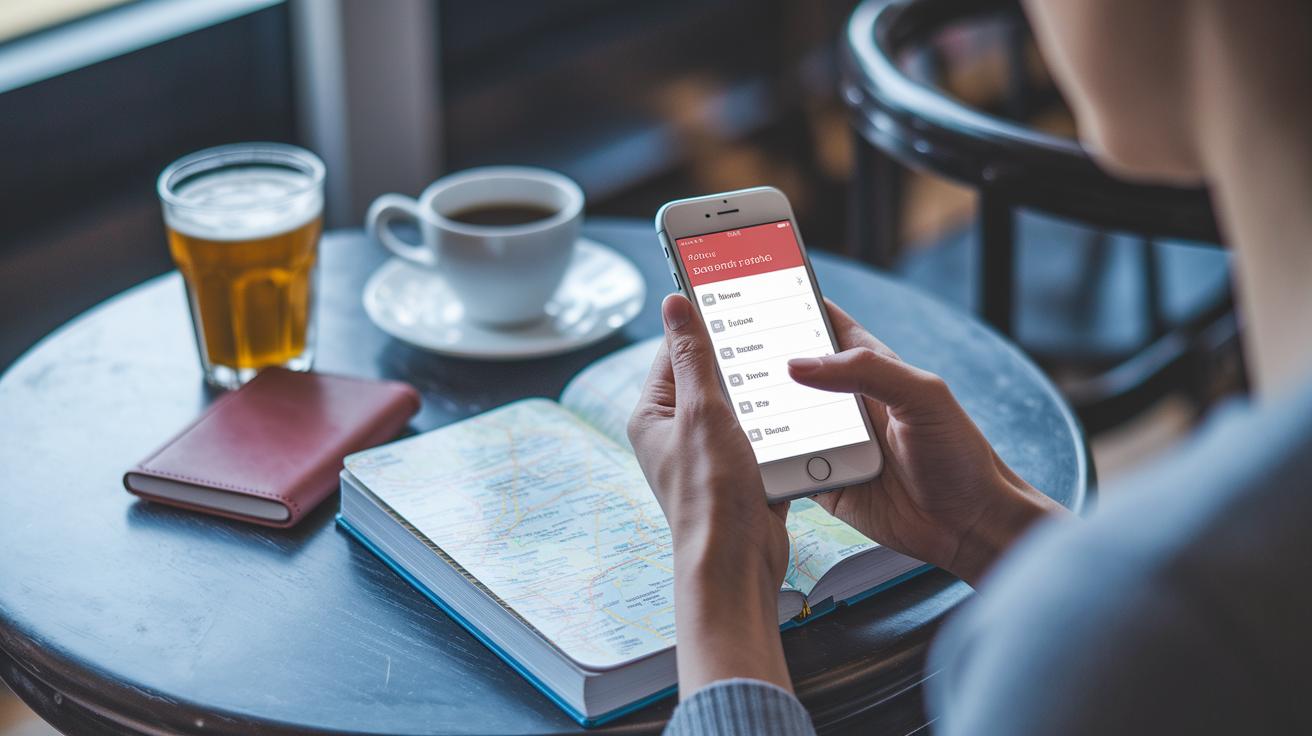
This handy guide shows you several ways to overcome language challenges so that every moment of your adventure feels stress-free. It starts with the basics, imagine learning 32 must-know words and phrases for greetings, directions, dining, and even emergencies. Picture yourself confidently asking, “Where is the bathroom?” in the local language.
Practice really does pay off. The guide suggests fun pronunciation drills using audio apps, so you get comfortable with the sounds. It also nudges you to learn about local body language and etiquette, which means understanding little gestures or knowing when a smile goes a long way.
And when words just don’t come out right, modern tools are there to help. Use a translation app like Google Translate that works offline and even listens to you talk. If your phone lets you down, carrying a small phrasebook can be a real lifesaver.
Plan your days to fully embrace the local vibe. Connect with residents using these simple language tips, and you’ll soon see that what seemed like a barrier can turn into a chance for personal growth and real, heartfelt interactions on your journey.
Preparing with Essential Travel Vocabulary and Expert Travel Phrases

Getting comfortable with a few key travel phrases can truly boost your confidence before you set off on your adventure. Try practicing with audio apps or online drills until phrases like "Could you help me?" come out naturally, much like humming your favorite tune until it sticks. For example, keep saying "Excuse me" until it feels as friendly and effortless as greeting someone you already know.
Next, add your top phrases to your personal phrasebook so you’re ready for real-life moments. Include common greetings and questions such as "Where is the bathroom?" or "I'm lost," along with words that help smooth out everyday conversations. This approach means you’re not just memorizing words, you’re preparing to use them when you’re ordering a meal or asking for directions.
It’s also smart to keep a backup, like a paper phrasebook or an offline phrase pack on your phone. This way, even if your device runs out of juice, you’ll still have your trusty guide to navigate busy streets and hidden alleys.
Consider adding these top 10 essential phrases to your pocket guide:
- Hello
- Thank you
- Please
- Where is the bathroom?
- How much is this?
- Excuse me
- I don’t understand
- Could you help me?
- I'm lost
- Goodbye
Leveraging Translation Apps and Communication Technology Solutions
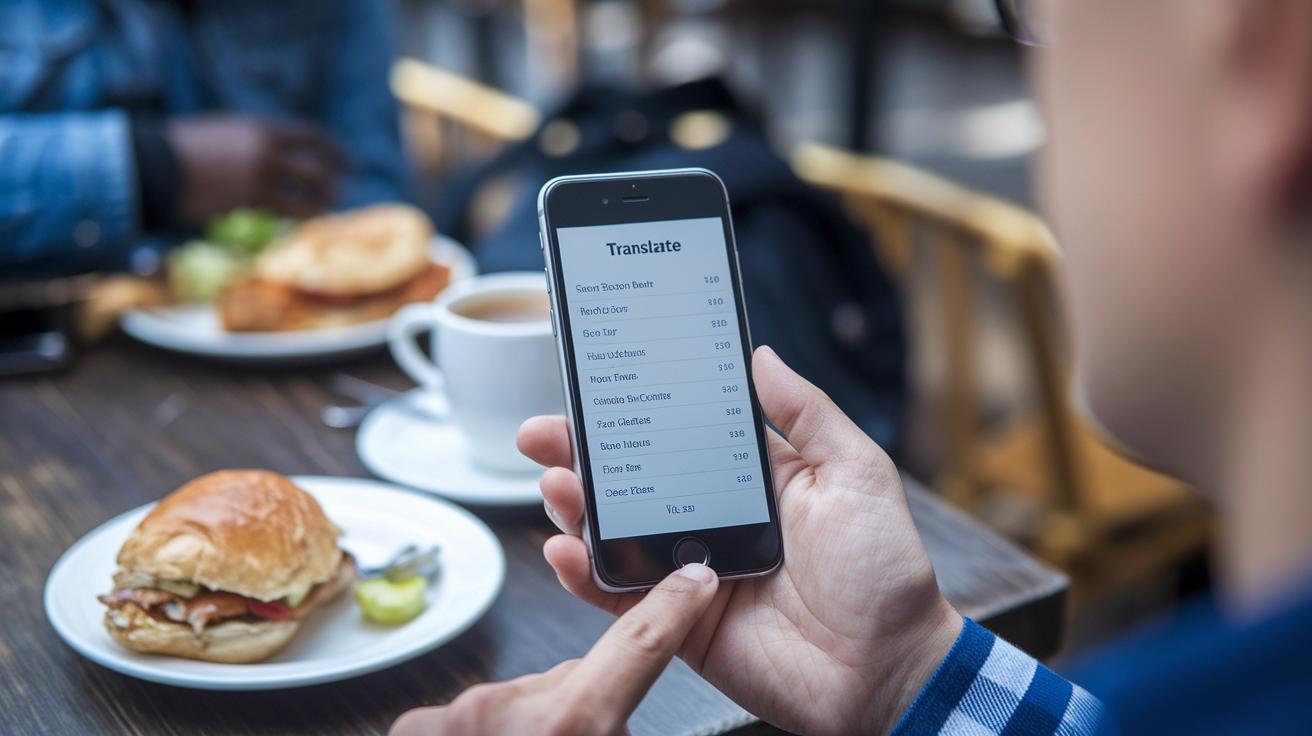
Traveling can feel smoother when you have smart translation apps by your side. Apps like Google Translate let you snap a photo of a menu or sign and instantly see it in your language. Plus, you can speak into your phone and get near-real-time translations. It’s super handy, especially when Wi-Fi is spotty, though sometimes it might pause a bit as it figures out your words.
Other great tools include Microsoft Translator and iTranslate. Microsoft Translator has a fun conversation mode that helps friends chat even if they speak different languages. And iTranslate is perfect when you need to quickly capture a phrase or even take a screenshot of a translation. Before you head off, spend a few minutes downloading language packs or offline data so you’re all set even without an internet connection.
Try out each app’s voice settings to see how they handle different accents and background noise. Testing them beforehand will help you pick the one that works best wherever your travels lead you.
| App Name | Key Features | Offline Capabilities | Price |
|---|---|---|---|
| Google Translate | Camera, voice-recognition, offline downloads | Yes, with language packs | Free |
| Microsoft Translator | Conversation mode, text and voice translation | Yes, for selected languages | Free |
| iTranslate | Text, voice and website translation | Yes, basic offline support | Free basic, Premium available |
Mastering Nonverbal Communication Cues and Gestural Language Techniques
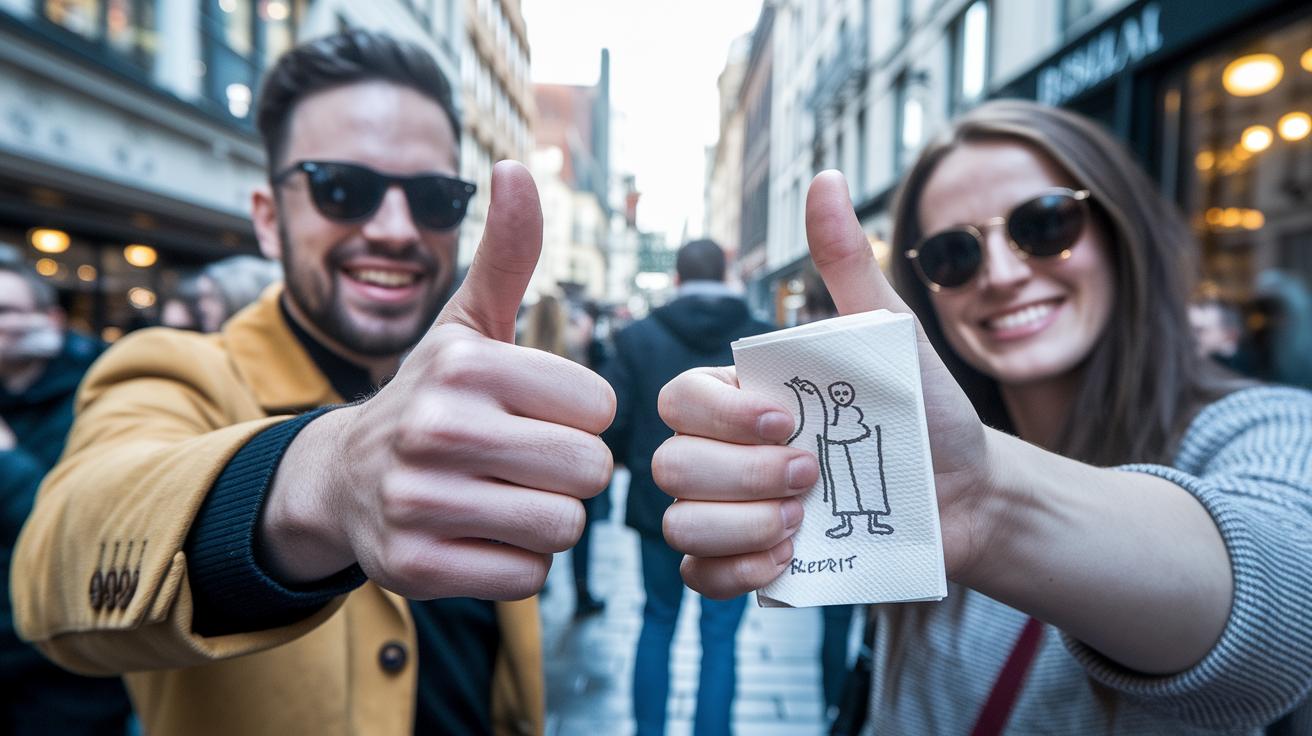
When words just aren’t enough, a friendly smile or a simple gesture can go a long way. Imagine you’re in a busy restaurant or wandering along a crowded street without speaking the local language. A thumbs-up, nod, or even a quick sketch can say what words sometimes can’t. Using these clear signals helps you connect with people and makes misunderstandings less likely.
Keep your actions simple and warm. Sometimes, drawing a small picture or miming an action can clear up any confusion in an instant. Stay relaxed and let your gestures speak for you, just like you would share a fun travel story with a friend.
Here are 5 easy nonverbal tips to try:
- Act out what you need or want by pantomiming a simple action.
- Draw a quick icon or map to show your idea.
- Point at the object or place so it’s clear what you mean.
- Give an open-palmed wave to invite friendly interaction.
- Use a thumbs-up or nod to show you agree or are thankful.
Cultural Communication Tips: Researching Local Customs and Etiquette
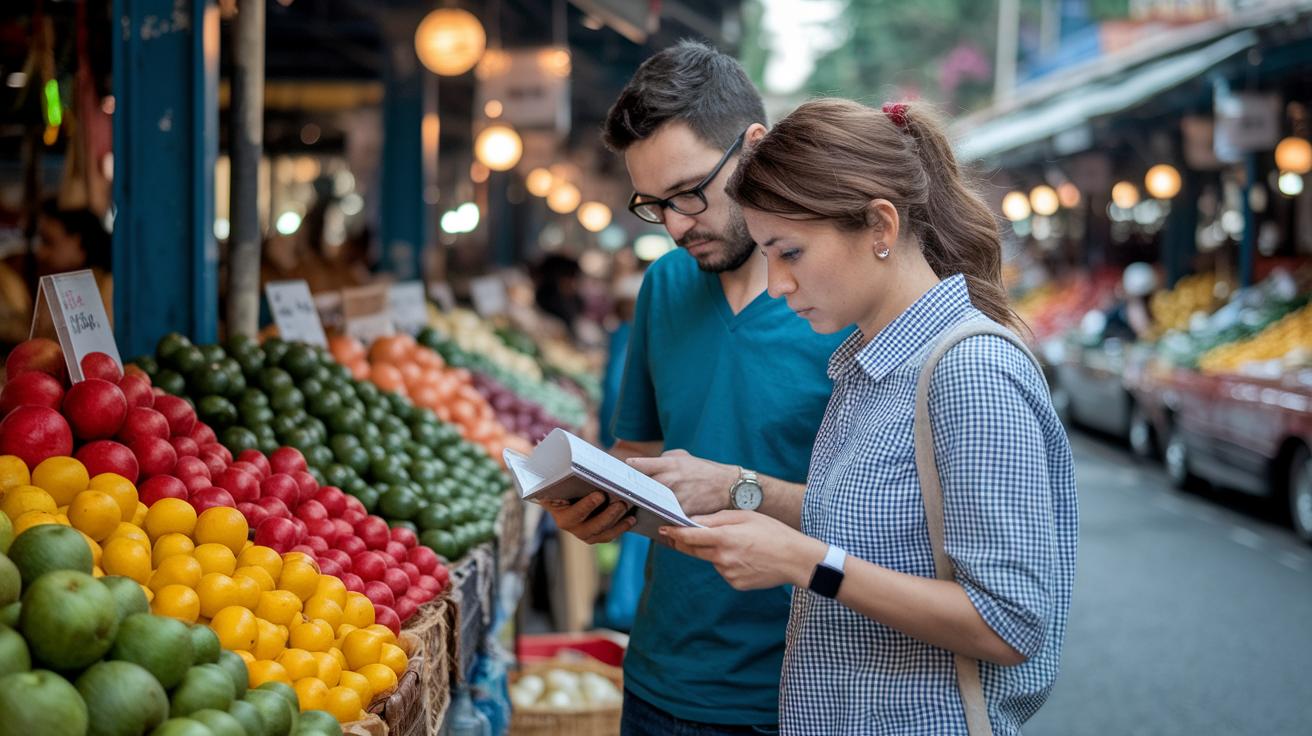
Before you travel, take a little time to learn about local customs and how folks like to do things. This simple step can help you connect with the people there in a real and friendly way. For example, in Japan, too much eye contact may feel a bit overwhelming, while in many Latin American spots, keeping a bit of personal space is really appreciated.
When planning your trip, have a look at travel blogs or official tourism websites. Check out little details like how to greet people, what to wear at sacred sites, and proper dining manners. You might even want to speak in a calm, gentle tone, matching the local vibe. Remember, this research is all about showing respect, which really goes a long way when language barriers pop up.
Think of this process as adding tools to your travel kit. Each tip you learn helps you avoid unintentional mistakes and makes it easier to blend in with the locals. And if you’re ever unsure, don’t hesitate to ask a local with a simple question like, "Is it okay to use this gesture?" This little chat can make your travels even more memorable.
Troubleshooting Communication Challenges: Technology Failures and Emergencies Abroad
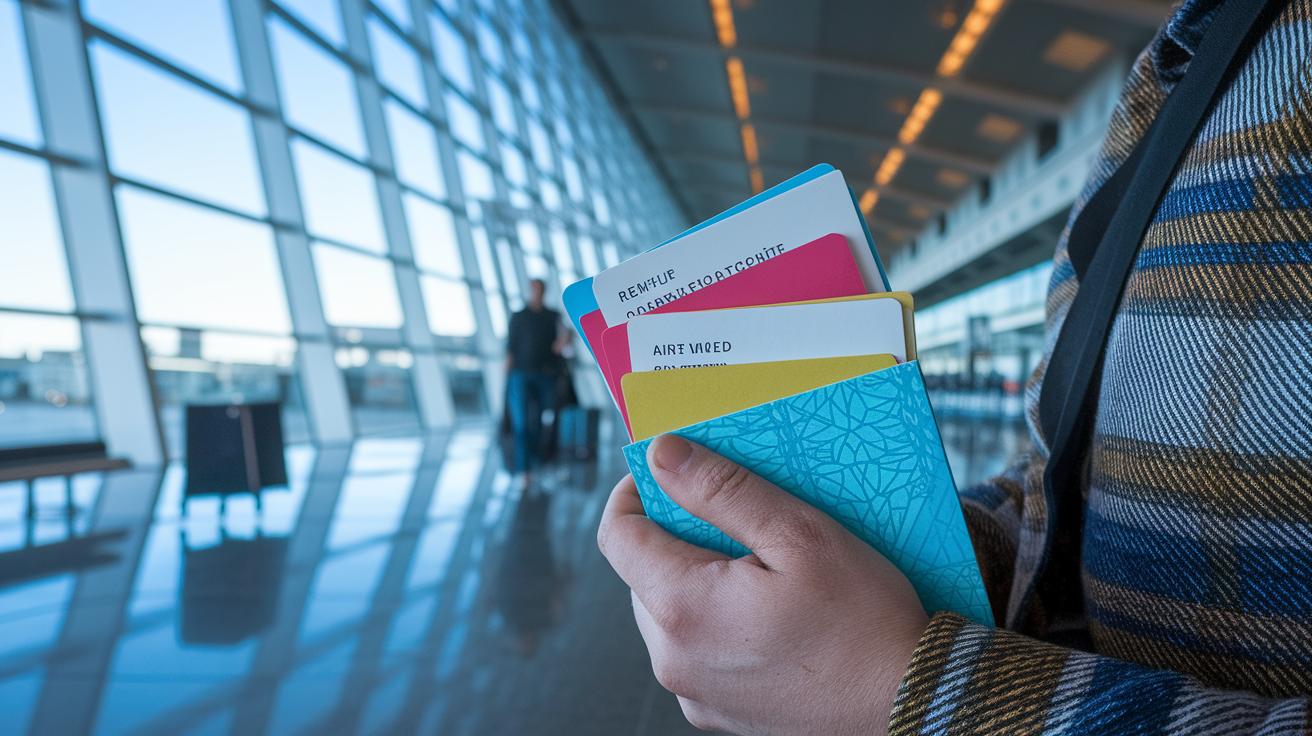
When you're traveling, nothing can be more frustrating than a tech glitch or an unexpected emergency that leaves you feeling stranded. It’s smart to be prepared with a backup plan, like carrying a small phrasebook and printed address cards with your hotel and local contacts. These little steps can be a real lifesaver if your phone dies or you lose network connection.
It also helps to memorize a few critical phrases. Try phrases like "I need help" or "Call the police" so you can quickly ask for assistance in an emergency. You might also want to save local emergency numbers on speed-dial. Using clear symbols like a red cross for medical issues or a phone icon for urgent calls can make things easier when words fail.
Here are 6 easy emergency communication tips to remember:
- Carry a small phrasebook and printed address cards with important details.
- Learn a few essential phrases like “I need help” and “Call the police.”
- Save local emergency numbers on speed-dial for quick use.
- Use familiar symbols, such as a red cross or phone icon, to show your needs.
- Ask for help by showing printed maps or pictures.
- Stay calm and use simple words or gestures to explain your situation.
By taking these simple precautions, you'll feel more confident handling tech hiccups and emergencies on your travels, keeping you safe and connected wherever you go.
Stepping Out of Your Comfort Zone with Real-Life Language Practice

Imagine casually chatting with locals over a warm cup of coffee or joining a friendly language café where everyone is excited to help you improve. Real-life language practice is about diving into the local scene and soaking up every moment. Try a homestay where you enjoy daily meals and swap stories with native speakers. It not only boosts your language skills but lets you see everyday life in a whole new light.
Local guided tours are another fun way to learn. They let you hear captivating local tales and ask questions on the spot. And language-exchange meetups? They’re a blast too. You can team up with someone eager to learn your language, sharing tips and laughs along the way. Picture yourself in a short conversation class, asking, "Could you help me with the pronunciation of this word?" while you both chuckle over little mistakes.
Here are some easy ideas to try:
| Tip | What to Do |
|---|---|
| Homestays | Live with a local family and join in their daily routines. |
| Local Tours | Listen to local stories and ask questions as you explore. |
| Language Meetups | Pair up with someone who wants to learn your language. |
| Daily Journals | Write in your new language every day to see your progress. |
With a little patience and a positive attitude, every conversation can be a small step toward fluency.
Advanced Strategies for Long-Term Language Fluency Boost Guide
If you’re a traveler who loves exploring and wants to keep your language skills sharp long after you’ve returned home, think about signing up for a conversational immersion course. Many schools now offer travel-focused classes that help you pick up useful words and phrases for everyday chats while boosting your confidence. And if you’re nervous about taking that step, a travel-savvy language coach can quickly help smooth out your accent and fine-tune your pronunciation.
You might also try using spaced-repetition flashcard apps to help words and phrases really stick. They work like a personal review schedule, nudging you to revisit vocabulary until it feels natural. Keeping a voice journal is another handy idea. Record your daily thoughts just like you’d jot notes in a travel diary, and later listen back to track your pronunciation and spot any mistakes.
Another cool tip is to join group meetups where you can practice with fellow travelers or locals in a relaxed setting. There’s something special about sharing stories and practicing new phrases over a meal. Some groups even bring in professional mentors, which can make you feel supported as you progress. And once you’re back home, keep the momentum going, set up regular language exchanges or stick to your voice journal. These simple routines will remind you that your language adventure is always continuing.
Final Words
In the action, this expert guide to overcoming language barriers has given you practical tips, from learning essential travel words to leveraging translation apps and mastering nonverbal cues. Each section is designed to build confidence while blending cultural insights with simple strategies.
Embrace immersive language practice and remember that every step forward is a win. Keep exploring, adapting, and enjoying your journey with newfound communication skills and a positive outlook.
FAQ
How does this expert guide help overcome language barriers on your next trip?
The expert guide helps overcome language barriers by offering practical strategies like essential travel phrases, translation tools, and cultural insights. It boosts confidence for engaging local interactions with a positive mindset.
What essential travel vocabulary should I memorize?
The essential travel vocabulary includes 32 key words and phrases covering greetings, directions, dining, emergencies, and polite expressions. Practicing pronunciation with audio apps builds your confidence in everyday travel.
How can translation apps help with travel communication?
Translation apps help travel communication by offering offline modes, voice input, and instant translation features. They ensure smooth interaction even in areas with limited Wi-Fi, making your trip less stressful.
What are some effective nonverbal communication cues during travel?
Effective nonverbal cues include friendly gestures like thumbs-up, smiling, and quick sketches. These simple actions help clarify meaning and build rapport when words aren’t enough.
How do cultural customs affect travel communication?
Cultural customs affect travel communication by shaping local etiquette, such as eye contact and personal space. Researching these norms ensures respectful interactions and helps build genuine connections with locals.
How should I handle communication challenges during technology failures abroad?
Handling tech failures involves carrying a pocket phrasebook, printed address cards, and memorizing emergency phrases. Keeping local emergency numbers handy ensures you’re prepared if digital tools are unavailable.
How can real-life language practice boost my travel experience?
Real-life language practice boosts travel experience by encouraging you to engage in homestays, guided tours, or language cafés. Daily conversations and embracing mistakes help improve your fluency and enrich cultural connections.
What long-term strategies help improve language fluency while traveling?
Long-term strategies improve fluency by combining immersion, intensive speaking classes, language meetups, and spaced-repetition tools. This comprehensive approach ensures lasting language skills that grow with each trip.