
Have you ever worried that a dinner mix-up in a far-off place might spoil your trip? Dining rules overseas aren’t just about manners, they’re a peek into local life that helps you feel welcome wherever you eat.
This guide shares old customs that still shape today’s meals. From using your right hand when needed to picking up on your host’s silent hints, small gestures can make a big difference.
So, are you ready to dive in and eat like a local? Let’s explore how a few simple tweaks can make your travel adventures even more memorable.
Expert Essentials of International Dining Etiquette
When you travel, international dining etiquette can be your trusty guide to showing respect and enjoying every meal, no matter where you are. These traditions stretch back to fancy 19th-century dining rules, but today they help you blend in whether you're at a swanky restaurant or a local, laid-back feast.
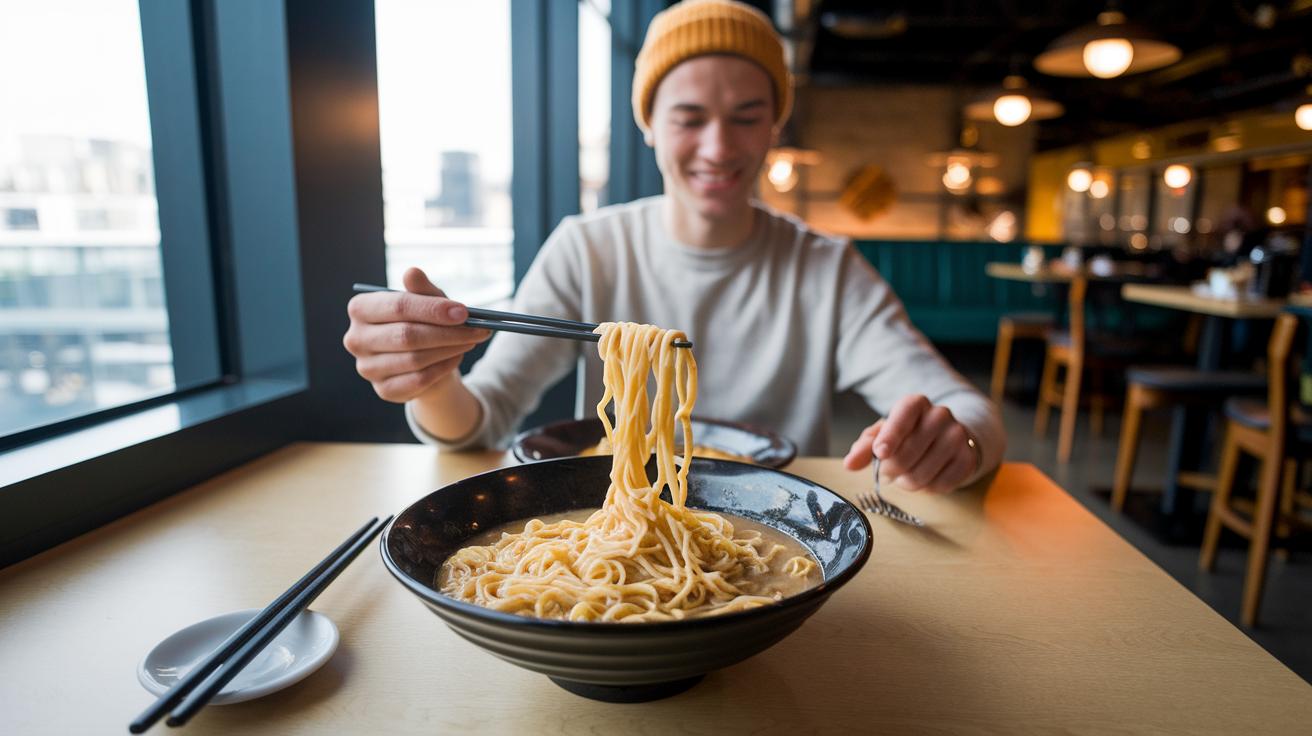
Dining etiquette isn’t just about table manners, it’s a peek into different cultures. Imagine this: in Italy, you'll see people enjoying pasta without cutting it, while in Japan, slurping noodles is totally fine (just be sure not to stick your chopsticks upright). These little actions speak volumes about respecting local customs.
Here are some simple pointers to keep in mind when you’re dining abroad:
- Use your right hand only when that’s what local tradition calls for.
- Learn the signals: placing your utensils in a parallel position can show you’re finished.
- Stay in sync with your dining buddies by ordering the same number of courses.
- Follow local tipping customs to avoid any awkward moments.
- Be punctual by respecting local meal times, cultural norms vary, after all.
- Let your host take the lead, which honors local social order.
- Enjoy beverages like cappuccino before 11 AM if that’s the local way.
- When sharing dishes, watch your host’s cues so everyone gets a fair turn.
These guidelines help you avoid cultural missteps and make your dining experiences richer. Embrace these practices and you’ll not only fill your belly but also connect with the vibrant tapestry of traditions and people in every corner of the world.
Guide to Formal Table Settings Across Cultures
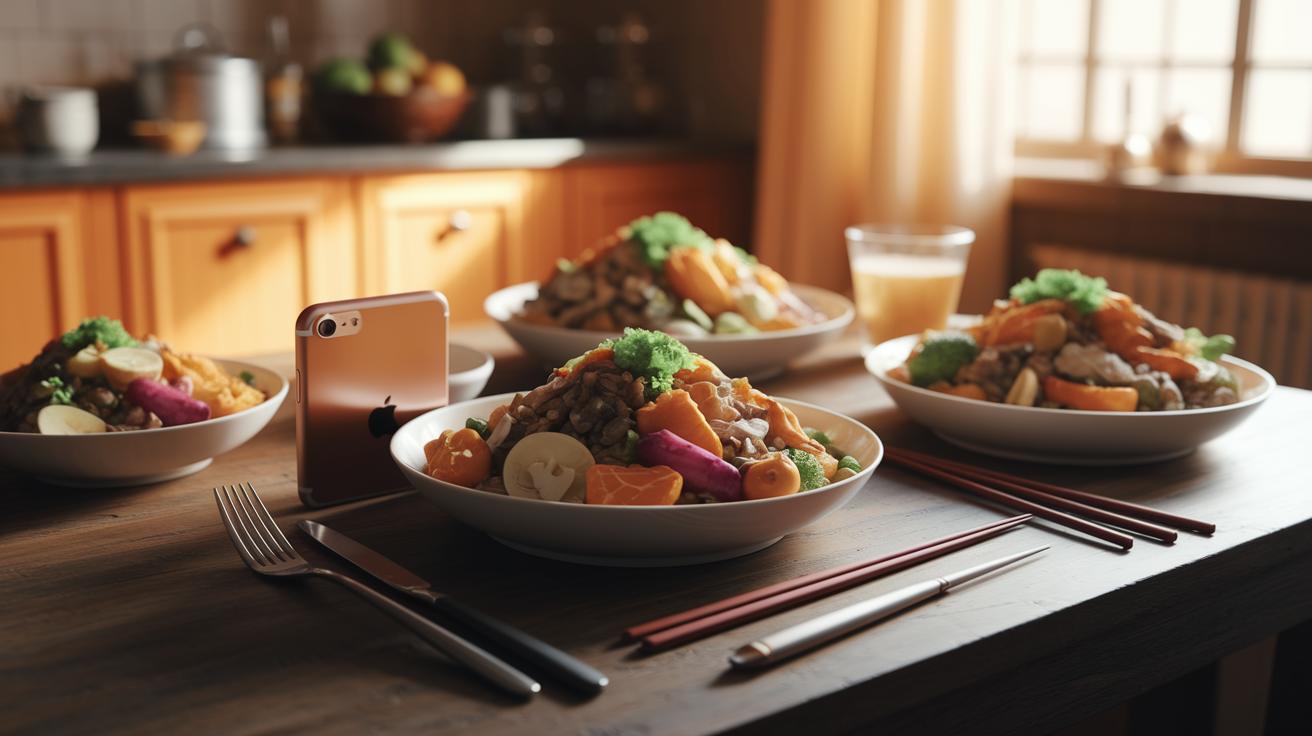
Getting your table set up just right can set a warm tone for your meal. When you step into a dining room, the way things are arranged tells you a lot about the culture's traditions and how they enjoy their food. For example, in Western Europe you’ll often find a fork on the left and a knife and spoon on the right, hinting at a well-organized progression of courses. Meanwhile, in Japan, the careful placement of chopsticks on low tables shows a respect for beauty and a relaxed dining pace. Over in the Middle East, shared platters take center stage with just a few pieces of cutlery, where people might even use their hands or bread to scoop up their food. It’s like each setup has its own little signal, much like knowing when your favorite song’s chorus has wrapped up.
| Culture | Utensil Layout | Course Order |
|---|---|---|
| Western European | Fork on left; knife and spoon on right; stemware above | Courses served one after the other |
| Japanese | Low table setting; careful chopstick placement | Light dishes first then a smooth transition to main courses |
| Middle Eastern | Communal platters; minimal cutlery; often eating with hands or bread | Shared courses led by the host |
Noticing these visual cues can really guide you during a meal. For instance, when you see a knife and fork arranged in a V-shape, it's a friendly hint that the person isn’t finished eating yet. So, keep an eye out for these subtle signs, they help you enjoy your meal with confidence while honoring each culture's unique dining style.
Course-by-Course Dining Protocol for Formal Meals
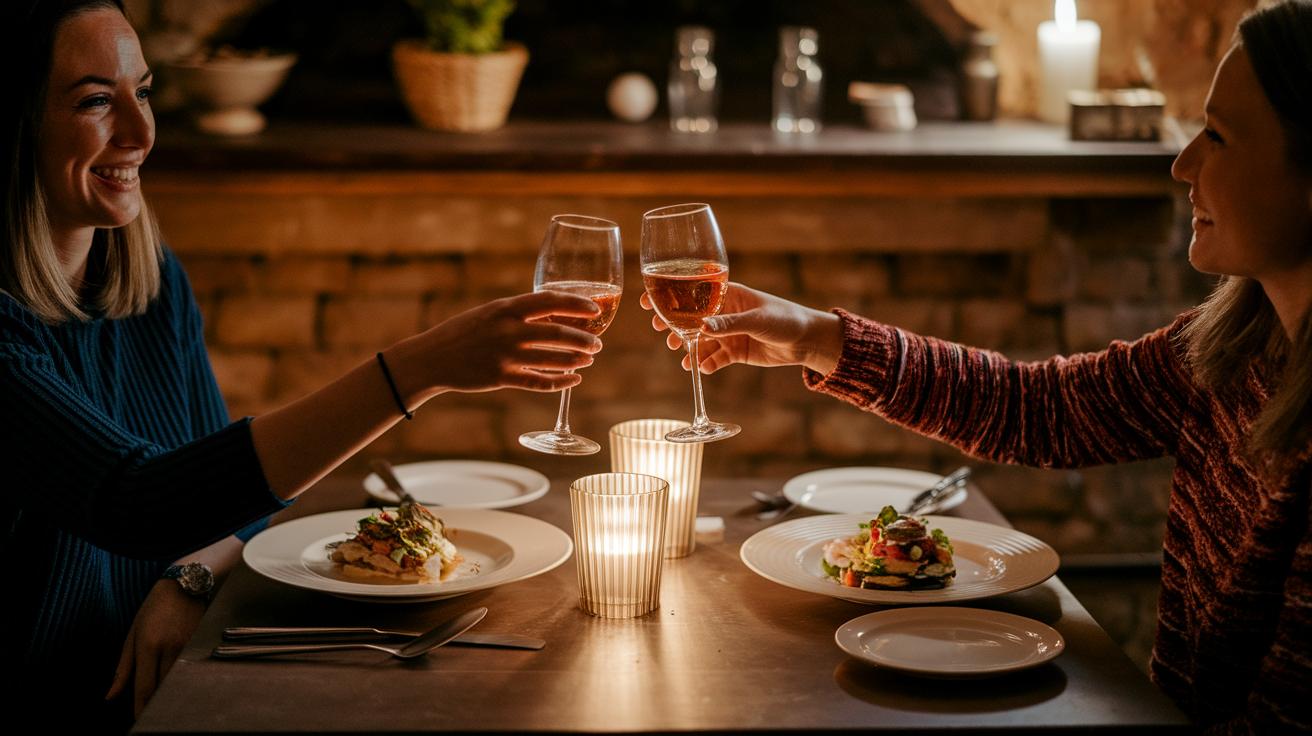
Every guest enjoys the same number of courses, which helps the meal flow nicely and each dish arrive at the perfect moment. This careful pace makes each course feel like a fresh chapter in your dining story, infusing every bite with a burst of flavor just when you expect it.
For the appetizer, simply follow what your host does. Hold off on that first bite and savor the small portions that set a light, cheerful tone. And when someone raises a toast, join right away. Think of the start of your meal like the beginning of a fun conversation, each course builds excitement for what comes next. Imagine a delicate appetizer that teases the amazing flavors to come.
When the main course arrives, your knife and fork speak for you. Place them side by side on your plate to show that you’ve finished eating, or cross them if you need a short pause. This quiet signal helps the kitchen know where you are in the meal, keeping everything in rhythm like a well-timed cue in a play.
For dessert, use the special fork or spoon meant for sweets. And when you’re finished, simply line up your utensils to let everyone know the course is over.
Cultural Nuances in Dining Etiquette Around the World
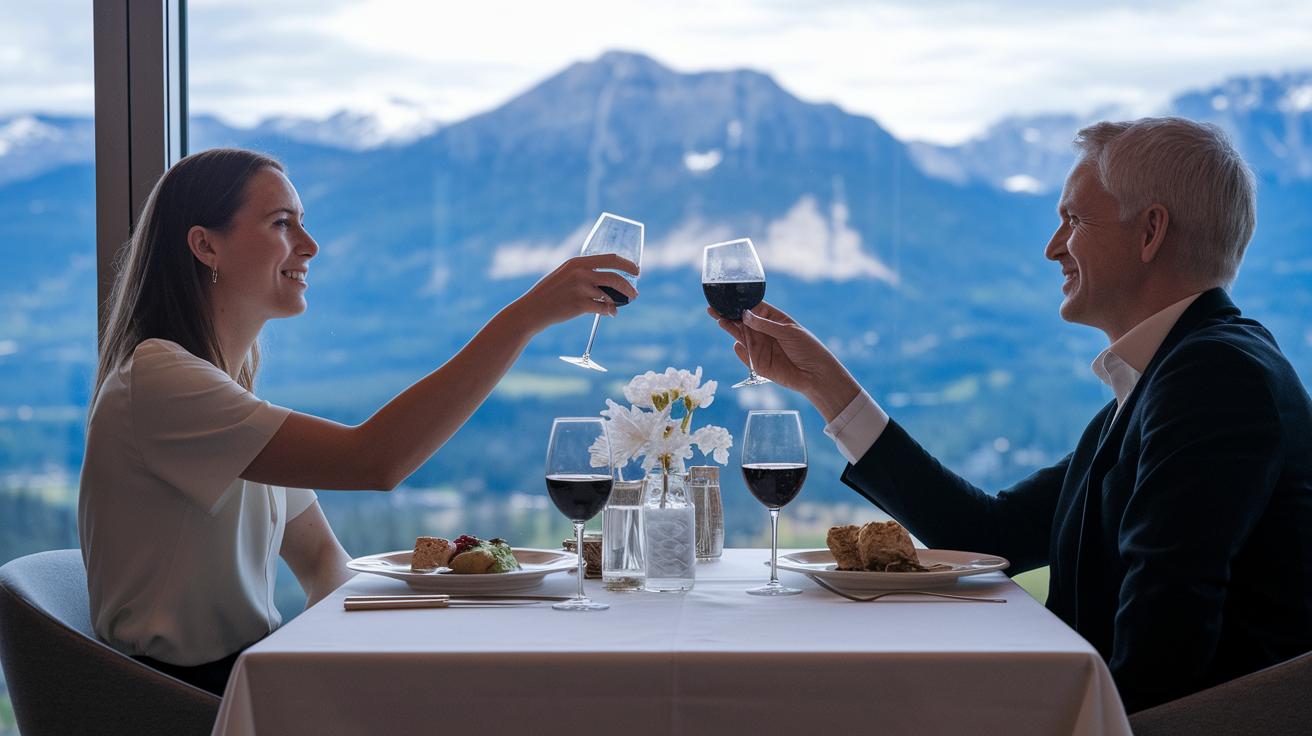
In Southern Europe, the host makes sure everything flows just right. They start and finish each course at perfect times, making the whole meal feel like a smooth dance. One traveler even mentioned that the host’s gentle signals turned an ordinary dinner into a well-rehearsed show.
In East Asia, unique gestures tell you how much people appreciate good food. In China, for instance, a soft burp after finishing a meal can show sincere gratitude to the chef, it’s a quiet nod that says, "Thank you for the meal."
In South Asia and parts of Africa, meals are often enjoyed from shared plates, where the focus is on community and respect. Here, using only your right hand to eat is important for hygiene and courtesy.
- Always use your right hand when sharing food from a communal plate.
- Use local breads to scoop up your food, adding to the friendly, shared dining experience.
In North America, following the host’s lead and keeping to the usual tipping customs are key. Tipping about 15–20% for sit-down meals is the norm, and letting the host set the pace of the conversation keeps things relaxed and enjoyable.
Regional Breakdown of International Dining Conduct
Asia
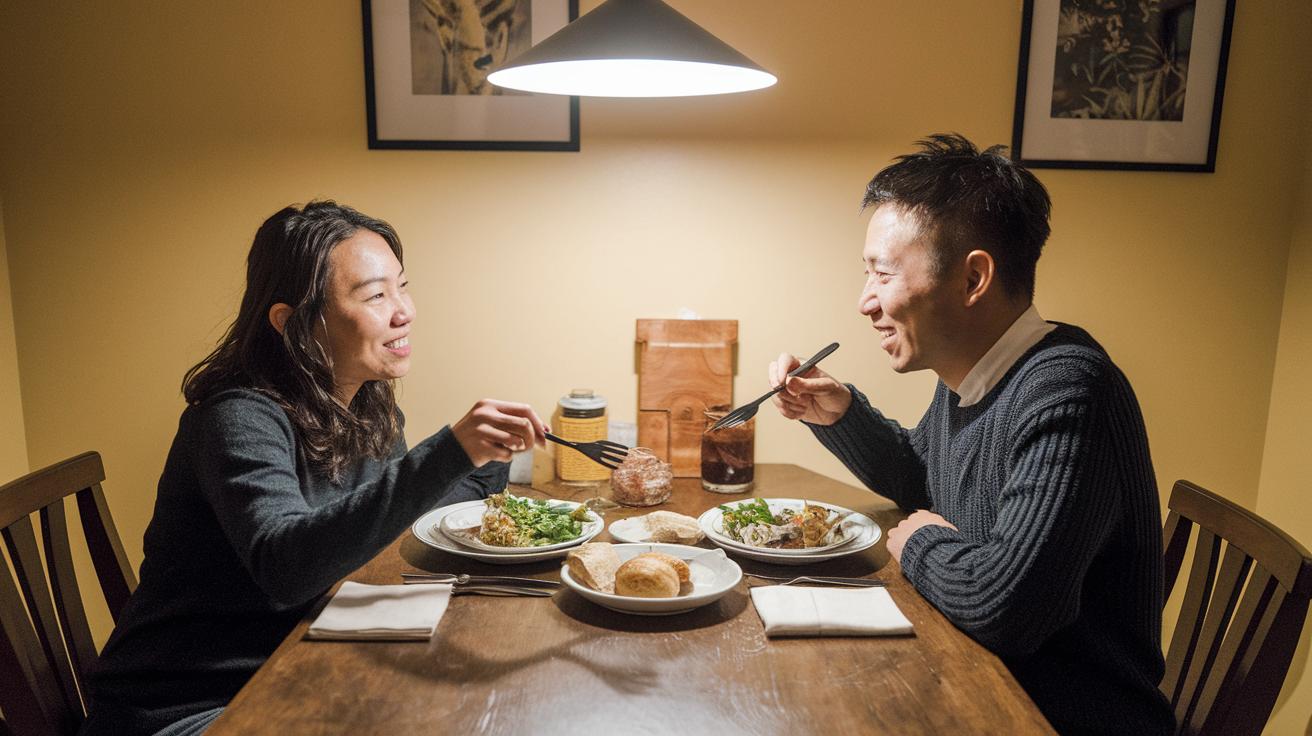
In many Asian cultures, dining is a true community experience. People come together around shared dishes, making every meal feel warm and inviting. In India, you'll often notice guests removing their shoes before entering a home, it's a gesture of respect and a way to keep the space clean. And over in the Philippines, arriving about 15 to 30 minutes late is seen as a friendly nod to a relaxed pace. These little traditions set a welcoming tone that makes dining together feel stress-free and full of heart.
Europe
European dining practices lean on punctuality and a love for proper table manners. In countries like Austria and Russia, it’s common to show respect by arriving on time, or even a bit early. In Belgium, there are special wine seating rules that add just a touch of formality to the meal. Meanwhile, in the Netherlands, the way you hold your fork and knife is a nod to tradition. All of these details come together to create a dining experience that's both structured and enjoyable, where every course feels just right.
Americas & Oceania
Dining customs in the Americas and Oceania show a delightful mix of styles. In Mexico, being about 30 minutes late is perfectly fine and fits the laid-back vibe. The United States, on the other hand, often embraces a faster, more informal dining style, while Canada generally follows suit, though Quebec might sometimes lean a bit more formal. Down under in Oceania, Australians are expected to be on time or early, contrasting with New Zealand’s easy-going, social meals. No matter the region, each style celebrates respect and a heartfelt enjoyment of good food shared with others.
Professional and Social Dining Etiquette for Business Settings
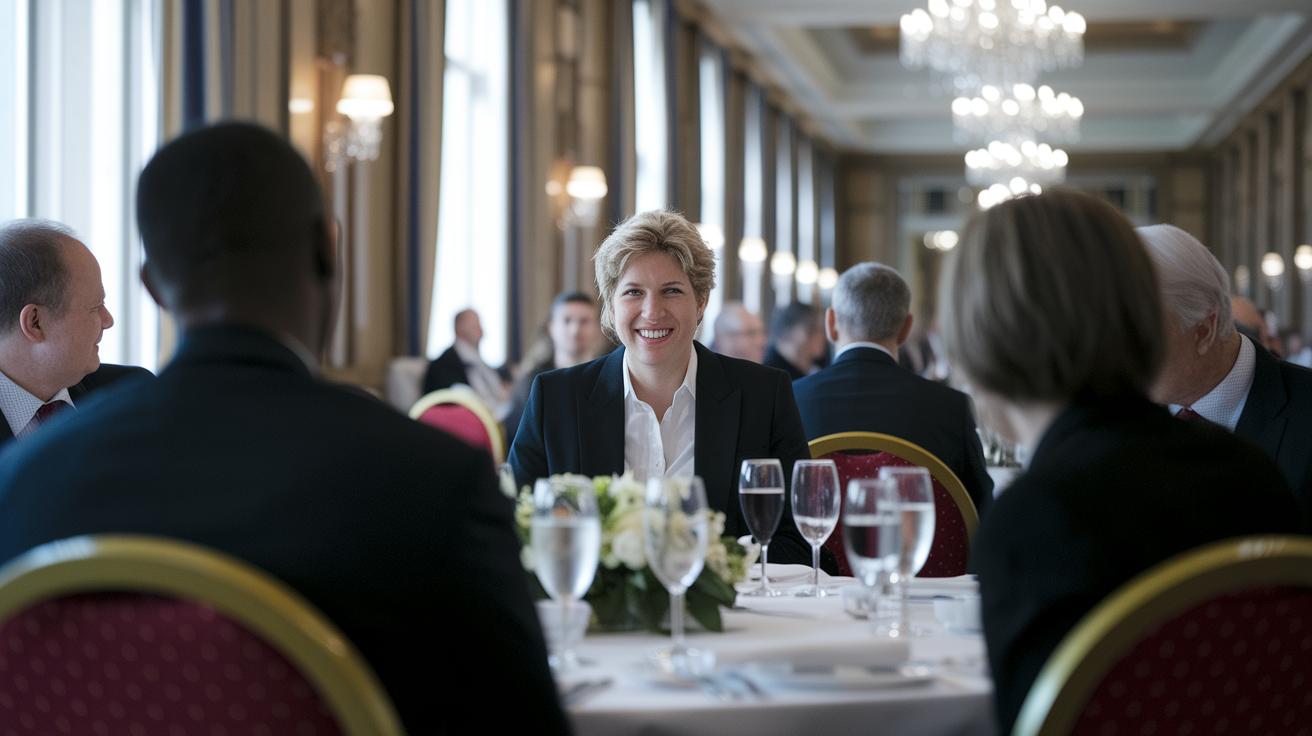
When you're dining for business, good manners are key to building solid relationships. A friendly, practiced approach at the table makes the meal enjoyable and helps you connect with others. How you sit, speak, and engage shows you respect both the place and your hosts, it’s just part of your overall professional style.
When you take your seat, follow your host’s lead and look at where more experienced colleagues are sitting. Keep your chat light and balanced by mixing simple small talk with hints of work-related topics. It’s best to steer clear of heavy subjects like politics or religion so that the conversation flows smoothly, making everyone feel relaxed and welcome.
If you’re toasting, make sure to hold eye contact and keep your words short and sweet. A gentle clink of glasses can be enough to show you share in the moment’s joy.
Lastly, stick to local tipping customs to show appreciation for the service you receive. And don’t forget to send a quick thank-you note after the meal, it’s a thoughtful way to leave a lasting, positive impression and keep the door open for future conversations.
Hosting Protocols: Expert Tips for Gracious Meal Hosting
Planning a dinner party well in advance makes all the difference. I always start a few weeks before the event to keep things fun and stress-free, like gearing up for an exciting mini-adventure where every moment is savored.
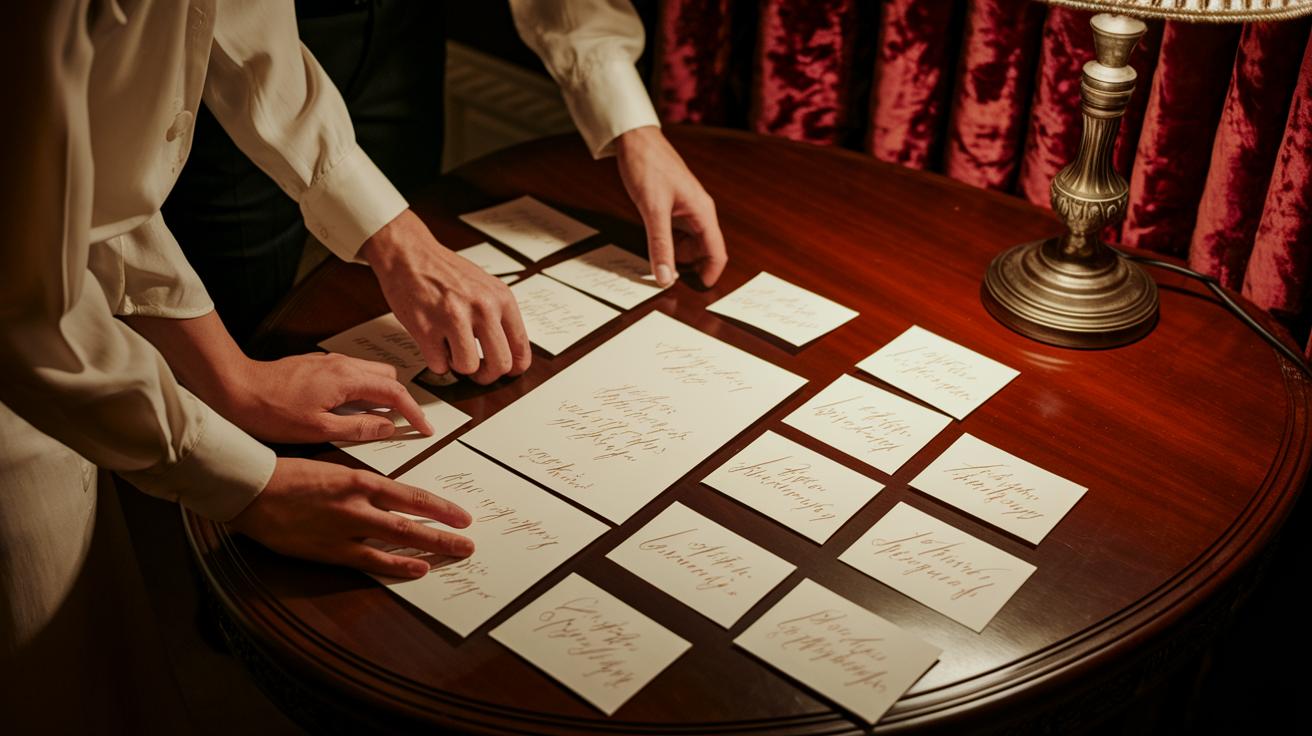
Send out your invitations three or four weeks ahead. Let your guests know what to expect by mentioning the dress code and setting a clear deadline for RSVPs. I even like to use place cards to mix things up, balancing ages and personalities so that conversation flows naturally. It’s amazing how a thoughtful seating plan can turn a meal into a lively chat over a shared table.
While you’re hosting, leave about 10 to 15 minutes between courses. This gives everyone time to enjoy each dish and the cozy atmosphere. Coordinate with your kitchen team so that every plate arrives just when you need it. Keep the background music low and inviting, aim for around 40 to 50 decibels, and adjust the lighting to feel warm and relaxed. And remember, if anyone needs a special meal, a little extra care shows how much you value your guests.
After the dinner, follow up with a handwritten thank-you note within 24 hours. It’s the perfect way to show genuine appreciation and keep the warm vibe going even after the night ends.
Final Words
In the action, we journeyed through the expert guide to international dining etiquette, exploring refined table manners, course-by-course protocols, and localized cultural nuances. Every section added flavor, whether it was understanding utensil signals in Japan or grasping tipping standards in the USA.
Each area offered practical travel insights and easy-to-follow hosting tips. The article left us with fresh ideas and confidence to explore and embrace diverse dining worlds, fueling both curiosity and excitement for our next culinary adventure.