
Have you ever noticed your phone cutting out just when you need it most? You know how it feels when you're checking maps or messaging loved ones and suddenly lose the connection in a busy, unfamiliar place.
In this guide, we’ll share some simple tips to help you avoid those steep roaming fees and stay in touch wherever you go. We'll talk about checking if your device will work abroad, finding affordable plans, and even using local options that make traveling stress-free.
Ready to upgrade your travel game and enjoy every moment without missing a beat? Let's explore a world where keeping in contact is as easy as a friendly chat over coffee.
Essential Strategies for Expert International Mobile Connectivity

Traveling abroad and staying connected can feel a bit overwhelming. You might find yourself staring at a confusing phone screen while unexpected roaming fees sneak up on you. It’s like stepping into a busy market without a map, you know there’s wonder around every corner, but you’re not sure where to start. That’s why a little planning goes a long way. Checking if your phone works with local networks and planning your data needs ahead of time can turn those travel hiccups into smooth, worry-free adventures.
Let’s break down five simple tips that really make a difference. First, give your device a quick check to ensure it supports international roaming, it’s like confirming your passport is up to date. Next, choose an international plan that fits your journey; for example, Google Fi offers great coverage in more than 200 countries thanks to its T-Mobile partnerships. Then, compare your roaming options and consider using local SIM cards if you’re planning to stay for a while, that’s a neat trick to avoid extra costs. Fourth, use trusted Wi-Fi spots and free voice apps like WhatsApp or Skype to cut down on data usage. Lastly, protect your phone with simple security measures like PINs or biometric locks, and don’t forget to back up your data.
Up next, we’ll explore each of these tips in more detail. Expect some friendly advice on checking your phone's readiness, picking the best plans without breaking the bank, using Wi-Fi and VoIP to your advantage, and keeping your gadgets safe. With these insights, you’re all set to enjoy seamless digital connections during your travels, wherever your adventure takes you.
Ensuring Device and Network Compatibility for Seamless International Mobile Connectivity
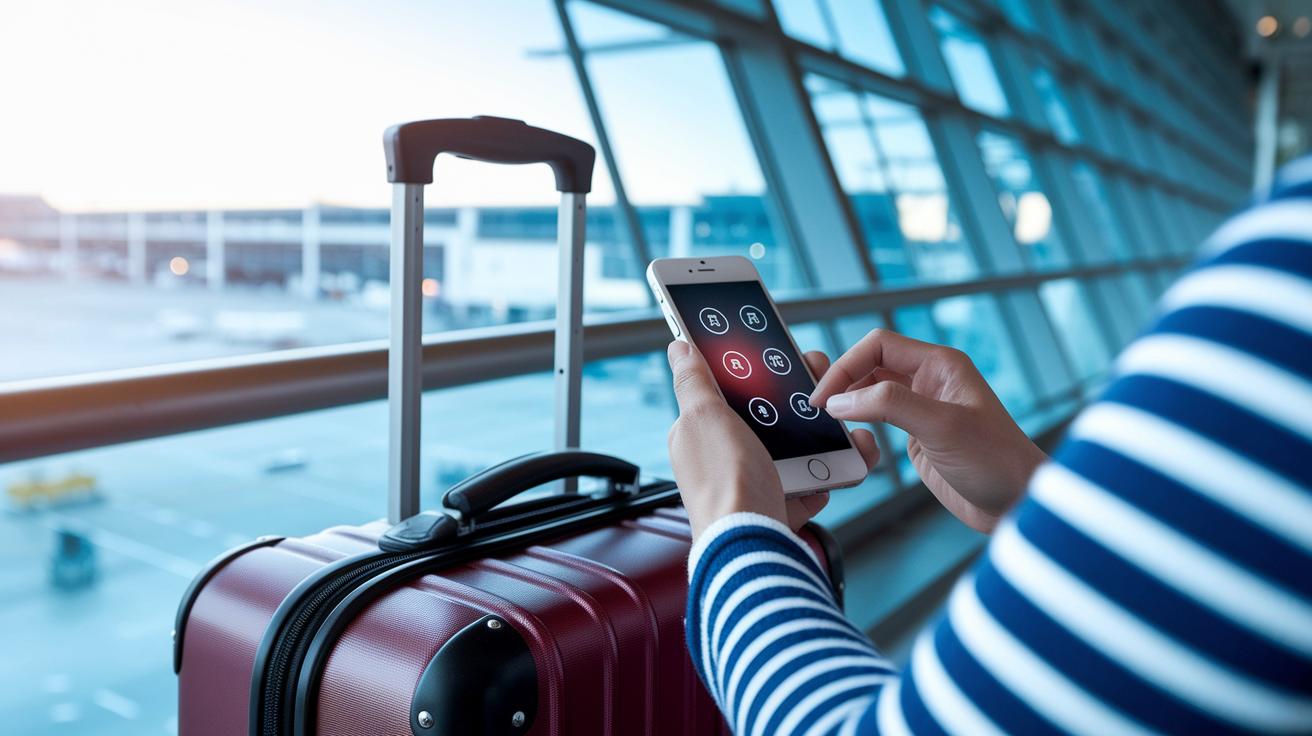
Before you head off on your next adventure, take a moment to make sure your phone is ready for global travel. It’s a good idea to check if your device can work with the networks where you're going. For instance, confirm that your phone supports the frequency bands used in your destination. This simple step can save you from those frustrating moments when your phone just won’t pick up a signal, like that one time a traveler discovered his phone wasn’t built to match the local frequencies in a remote area. I guess it’s always best to double-check!
Next, give a quick look at your carrier’s international roaming support and fees. It’s like planning a mini-budget for your trip, know what extra costs might pop up so you can avoid any unwelcome surprises. Also, try a little experiment by connecting to a local network if you can, or maybe ask other travelers about their experiences. This way, you’re sure your phone will be as ready for your journey as you are. Enjoy the trip knowing your device won’t let you down when you need it most!
SIM and eSIM Options for International Mobile Connectivity

When you're planning an international trip, it's handy to know your options for staying connected. A traditional SIM card means you physically swap in a tiny card to get local rates, kind of like replacing batteries in a beloved gadget. It works well but adds a bit of extra work. On the other hand, an eSIM lets you quickly download local data plans straight to your phone, almost like updating an app. It's fast, convenient, and can even hold several plans at once.
Traditional SIM Cards
If you're on a short trip or just need local call rates, traditional SIM cards are a good choice. You simply insert the SIM, and you’re ready to reconnect with local providers at competitive prices. But if you’re hopping between countries, you might have to change cards multiple times. Think of it like making a quick pit stop, practical, though a little bit of a hassle.
eSIM Solutions
These days, many travelers prefer eSIMs because they’re so easy to manage. With remote provisioning, you can activate a plan online without waiting in a long line or dealing with a physical card. Plus, eSIMs let you store several carrier profiles on one device, making switching between plans a breeze, if your phone supports the technology, that is. It's as if your phone gets a neat software update that keeps you connected wherever you go.
Here are a few options you might consider:
- Local prepaid SIM
- Regional multi-country SIM
- Global prepaid SIM
- eSIM local data plans
- eSIM global roaming profiles
When deciding what works best for you, think about how long you'll be abroad, how often you travel, and whether you might need to change plans on the fly. At the end of the day, it's all about choosing the solution that matches your travel style and helps keep your journey smooth and connected.
Cost-Efficient Roaming Plans and Data Optimization for International Mobile Connectivity

Traveling abroad without a plan can lead to surprise bills and plenty of stress. That’s why it pays to manage your roaming charges so you stay connected without breaking the bank. When you compare plans, look for clear pricing details to steer clear of extra fees. For example, switching to airplane mode when you don’t need data or texting can save you from sudden charges. I remember hearing about a traveler who got hit with an extra fee for a quick text, small changes like this really add up to big savings. Providers like Google Fi, T-Mobile, Verizon, and Sprint all offer different international add-on options. Knowing the details upfront is a smart move for any globetrotter.
| Provider | Price per Day | Price per GB | Covered Regions |
|---|---|---|---|
| Google Fi | $10 | $5 | 200+ Countries |
| T-Mobile | $8 | $4 | North America, Europe |
| Verizon | $12 | $6 | Select International Areas |
| Sprint | $9 | $5.50 | Selected Countries |
Now that you see a breakdown of costs, it’s time to tweak your own spending plan. Think about how much data you really need and when it’s best to use airplane mode so you don’t rack up extra fees. Not only does this help avoid surprise charges, it also saves your battery and keeps your budget in check. By looking closely at each provider’s plan and rates, you can decide if an international add-on is the right fit for your travel style. With these simple tips and clear cost comparisons, you’ll be all set to stay connected without any unwelcome surprises, no matter where your adventure takes you.
Advanced Network Performance and Coverage Mapping for International Mobile Connectivity

Planning your journey with trusted connectivity maps and live network data is like getting a secret travel tip before you set off. By checking provider maps and public network info, you can spot the best places for a solid signal, kind of like a handy travel guide that shows you where to find reliable connections. Many operators and real-world traveler reviews highlight areas with optimal network strength, making your trip smoother and stress-free.
Once you're on the ground, testing your network performance becomes a must. Use your smartphone’s built-in speed tests as you wander around to check how the connection holds up. Many devices even switch automatically to stronger signals, almost like a little helper guiding you to the best spot. For instance, Google Fi operates in over 200 countries by teaming up with local providers and tapping into T-Mobile’s network, so your phone finds the best connection whether you’re in a busy city center or a quiet village.
This smart mix of pre-trip planning and on-site testing means you can travel with confidence, knowing you’re always connected when it counts. It’s like having a travel buddy who always knows the best stop for a quick recharge, both for your phone and your spirit.
Security, Data Management, and Troubleshooting for International Mobile Connectivity

Data Security and Backup
When you’re on the move, keeping your data safe is just as important as planning your trip. Start by turning on encryption and backing up your device to a trusted cloud service. Encryption works like a digital lock, keeping your private info secure if your device ever goes missing. For example, if you enable encryption on your phone, even someone who gets hold of it won’t be able to see your data. A solid cloud backup not only saves your photos and files but also helps you recover them quickly if something unexpected happens.
Before you head out, update your security settings with a PIN or biometric lock. This added step makes your device a bit like a secure vault against unwanted access. And when you travel abroad, be extra careful with the networks you use. Stick to trusted Wi-Fi in well-known cafes or hotels, and while you’re on a safe connection, download offline maps and must-have apps. This careful preparation keeps both your data and travel plans safe, letting you enjoy your journey with peace of mind.
Troubleshooting Connectivity
Sometimes, even on the best trips, your connection might act up. If you run into common roaming issues, try resetting your network settings first. Turning airplane mode on and off again can force your phone to reconnect, much like rebooting a computer when it freezes. I once heard about a traveler who fixed his network woes this way when his phone couldn’t find a local signal in a new city.
If that simple fix doesn’t work, try manually choosing another network. Sometimes your phone defaults to a provider that isn’t the best fit for where you are, so switching can do the trick. Also, it’s a good idea to check if your carrier has any specific settings or updates you need. Following these easy steps can cut down on downtime and keep your travel experience smooth and reliable.
Final Words
in the action, we dove into staying connected overseas by tackling everything from checking phone compatibility to choosing smart international plans. We compared SIM versus eSIM options and shared how to keep costs low, optimize network performance, and secure your device while abroad.
We wrapped up by offering step-by-step strategies and insider tips that form this expert guide to international mobile connectivity. Enjoy your adventure, knowing you’ve got solid, practical tips to stay connected and explore the world with ease.
FAQ
What is the best way to use your cell phone internationally?
The best way to use your cell phone internationally involves ensuring your device is compatible, choosing a flexible international plan, and using VoIP apps or local SIM options to maintain smooth, cost-effective connectivity.
What is the cheapest way to use a mobile phone overseas?
The cheapest way to use your mobile phone overseas is to opt for a local prepaid SIM or an affordable eSIM option like Airalo, which helps cut costs while providing reliable coverage.
Which mobile network is best for international travel?
The mobile network that works best for international travel depends on your provider’s global agreements; trusted options like T-Mobile, Verizon, or Google Fi often offer excellent coverage and competitive roaming rates.
What international internet service providers and plans are available?
International internet service providers include major carriers like Verizon and T-Mobile, along with specialized solutions such as Airalo. These options offer various plans designed to provide secure and cost-efficient roaming abroad.
What is the best way to communicate internationally while traveling?
The best way to communicate internationally while traveling is to combine VoIP apps, local or eSIM options, and cost-effective roaming plans, ensuring you stay connected without unexpected fees.
How do providers like Airalo, Holafly, Saily, Nomad, Ubigi, and GigSky compare?
Providers such as Airalo, Holafly, Saily, Nomad, Ubigi, and GigSky offer a mix of eSIM and local SIM solutions, with each differing in coverage, pricing, and ease of activation—so compare their plans based on your travel needs.