
Ever wondered whether getting ready for a mountain trek is more art than science? Preparing for a high-altitude adventure feels like setting the stage for your own epic journey. It’s a bit like drawing a treasure map, checking your gear, planning your route, and building strength step by step. This guide shares practical tips, gear checks, and training ideas that turn uncertainty into confidence. Have you ever felt ready to face every twist and steep climb, walking into the mountains with a smile?
Comprehensive Mountain Trekking Preparation
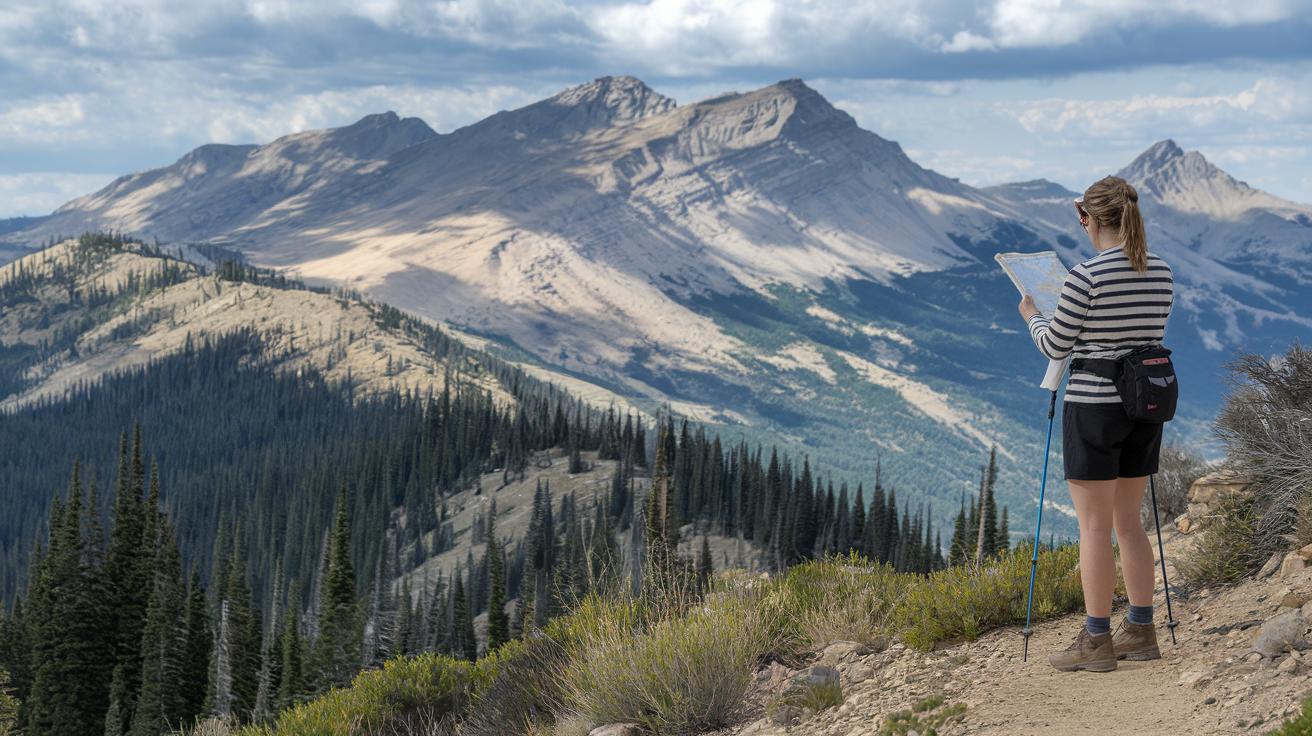
Planning your mountain trek is like setting off on your own epic adventure. Imagine tackling the famous John Muir Trail, a 221-mile journey through California’s High Sierra, where hikers rise to passes between 11,000 and 13,000 feet over a busy week. As you sketch out your route, mark out little checkpoints, rest days, and gear tests, just like planning stops on the road to a great story.
Before you pack your bags for the final trek, take some time to test your gear. For instance, make sure your backpack has a snug waist belt to help spread the load evenly. Try a short hike with everything loaded up; it’s like a dress rehearsal for the big event. This simple run-through helps you spot any issues early on.
Every day on the trail starts with fueling up right. Enjoy a hearty breakfast, around 600 to 800 calories, to get your day rolling. Then, keep your energy up by snacking on light, easy-to-digest treats every 1 to 1.5 hours. Picture munching a nutritious bar as you watch the sunrise paint the rugged peaks, it’s a moment that cheers both your body and spirit.
Get ready by building up your endurance, strength, and agility. Mix long weekend walks with a weighted pack, quick runs to boost your stamina, and core workouts that help steady your steps on steep climbs. These little training sessions make sure you’re ready, both physically and mentally, to enjoy every twist and turn high up in the mountains.
In the end, success in mountain trekking is all about paying attention to every detail, from planning your timeline and doing gear checks to strategizing your meals and workouts. This thoughtful prep turns a challenging hike into an unforgettable mountain conquest.
Route Planning & Terrain Navigation for Mountain Trekking

Mapping out your route is a bit like unfolding a treasure map before you head into the wild. A good topographic map shows you where the ups and downs are, where to find cool landmarks, and spots that are safe for a quick rest. Did you know that many trekkers find a clear map turns unknown trails into a fun adventure by revealing secret valleys and hidden passes?
Digital mapping tools make planning even easier. They give you live updates on weather and trail conditions, whether you're exploring the Annapurna region, trekking near Everest, or wandering Central America. When you use these tools, keep an eye out for steep climbs or slick, rocky patches and always check your compass to be sure of your direction.
Even with the latest tech, your trusty compass is still essential in case gadgets let you down. It’s a smart idea to practice matching your compass with natural features, like a winding river or a mountain ridge, and notice how small shifts in direction can stretch or shorten your journey. Choose your trail passes carefully, thinking about how challenging they might be and what kind of weather you might face.
At the end of the day, planning each step with the landscape in mind makes your trek both safe and fun. Think of it as designing a mini-adventure every day, where getting to know the terrain helps you dodge surprises long before they show up.
Essential Gear & Pack Management for Mountain Trekking
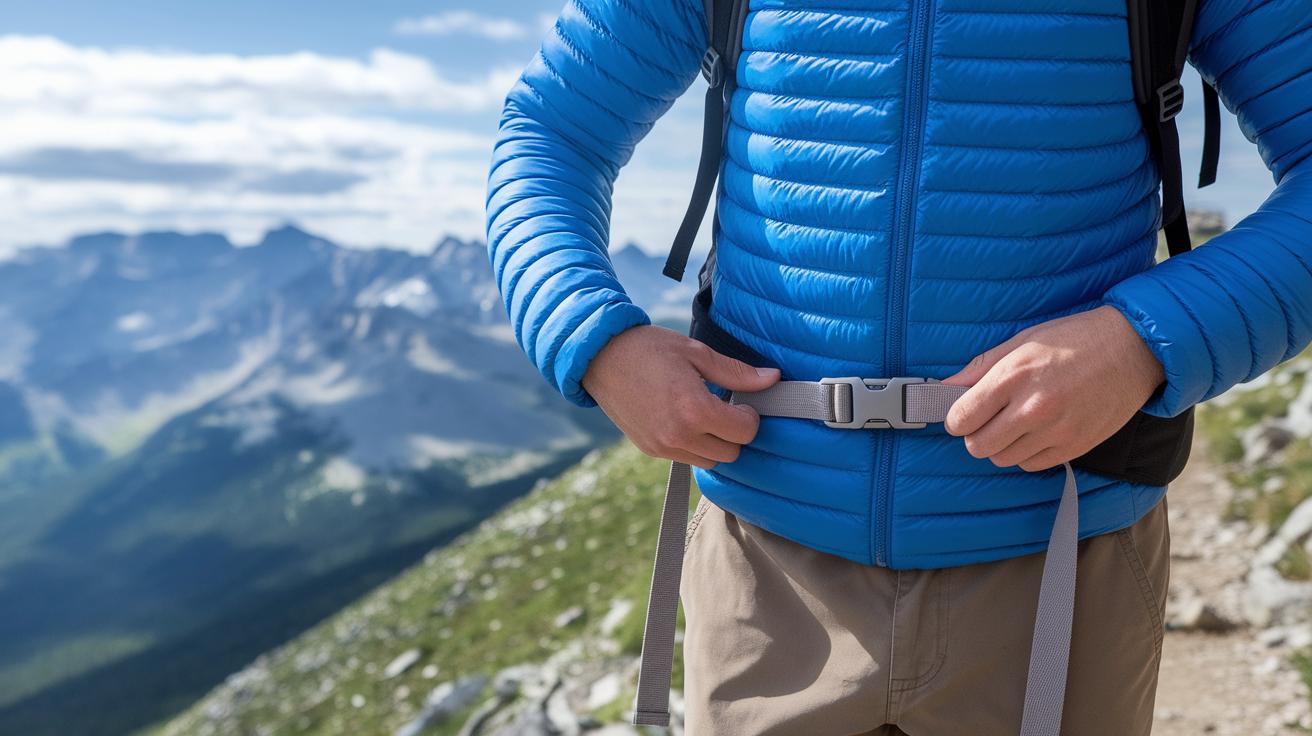
When you're gearing up for a mountain trek, having the right equipment is like having a reliable friend by your side. Before you set off, give every item a quick check, especially your backpack. A snug waist belt really helps spread the weight around, and choosing lightweight, multi-use gear keeps your pack efficient while still keeping you safe and comfortable.
Packing smart means not just picking the right items but also arranging them wisely. For example, pack clothes in layers so you can easily switch from a chilly morning to a warm afternoon. Every piece in your pack should have a clear job, making sure you carry what you really need without overloading yourself.
Here’s a simple list of 12 must-have items for every mountain trekker:
- Backpack with adjustable waist belt – Keeps your load balanced.
- Insulated sleeping bag – Warms you on cold nights at high altitudes.
- Layered clothing system – Lets you add or remove layers as the weather changes.
- Portable stove – Handy for cooking hot meals and boiling water on the trail.
- Water filter – Ensures you have clean water by getting rid of contaminants.
- GPS/altimeter – Helps you know your position and track changes in elevation.
- Trekking poles – Take the strain off your legs and improve balance on uneven ground.
- Crampons – Give extra grip on icy or steep paths.
- First-aid kit – Essential for treating minor injuries and emergencies.
- Headlamp – Provides steady light when it’s dark out.
- Lightweight tent – Offers a simple shelter without extra bulk.
- Multi-tool – Useful for quick fixes and various tasks on the go.
Paying attention to how each gear item works and where it goes in your pack can make your journey smoother, safer, and really memorable. Every piece tells a little story of adventure and careful planning as you make your way up the mountain.
Fitness & Conditioning for Mountain Trekking
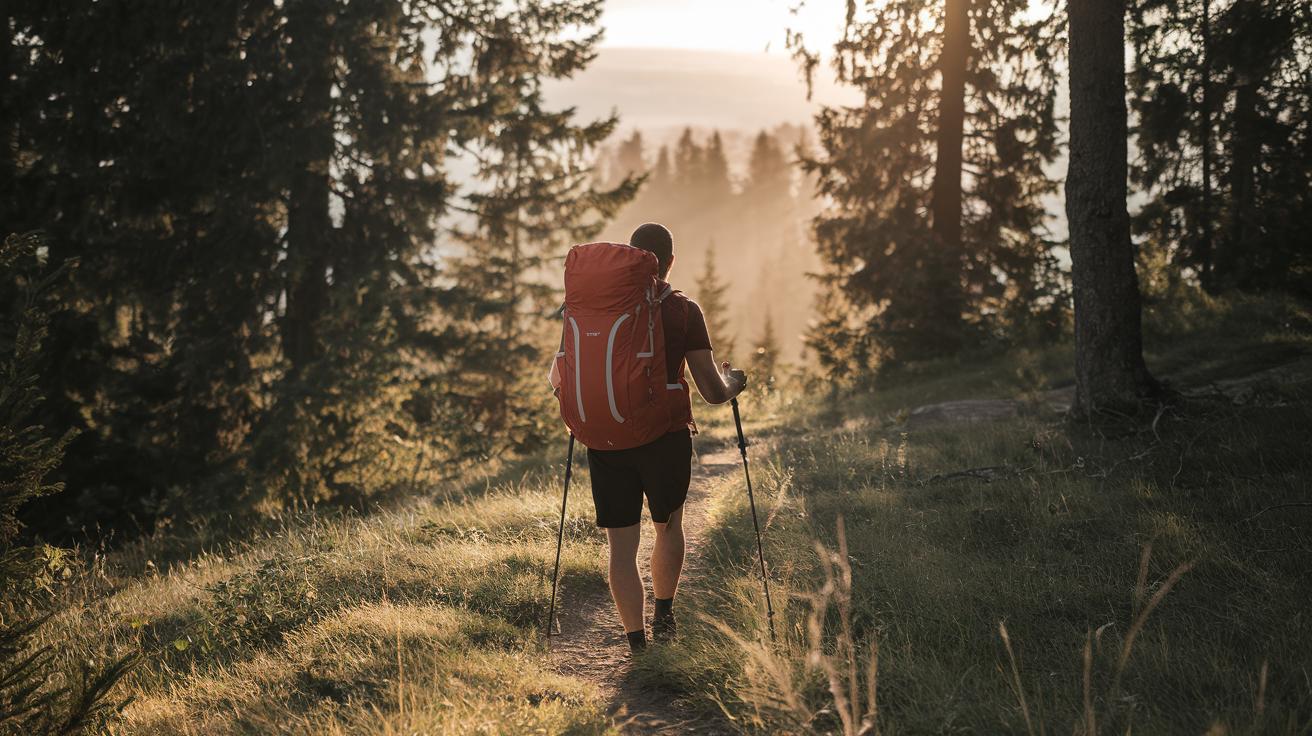
Start off your 8-week training plan by building up your stamina with a mix of endurance and strength exercises. Kick off your weekends with a brisk walk that lasts 3 hours or more while carrying a 10 kg backpack. Picture yourself on a scenic trail, your weighted pack priming your body for those long, challenging days on the path.
For the first month, try running 2 to 3 times a week for 30 to 60 minutes at a relaxed, chatty pace. Imagine jogging along a quiet forest path, breathing in the fresh air, and letting nature boost your heart’s strength with each step.
Mix in a 90-minute bike ride every weekend to give your legs a real workout. As you pedal along, slowly increase the resistance to wake up your muscles and build up the power you'll need for steep climbs later on.
Make sure to add squats and lunges to work your thighs, glutes, and hamstrings. Around weeks 3 to 6, spice things up with a stair workout. Find a long staircase and try on a light weight vest to mimic the strain of uphill climbs. Every step you take makes your balance and endurance even better.
And don’t forget calf raises – they are perfect for strengthening your legs for those uphill challenges. Aim for three sets of 15 to 20 repetitions twice a week. Also, toss in some core exercises like crunches (3 sets of 25) to keep your torso strong and less prone to fatigue during your long treks.
Stick with this blend of endurance, cardio, and strength training, and you’ll be more than ready to tackle mountain trekking, all while enjoying every adventurous moment on the trail.
Altitude Acclimation Strategies in Mountain Trekking
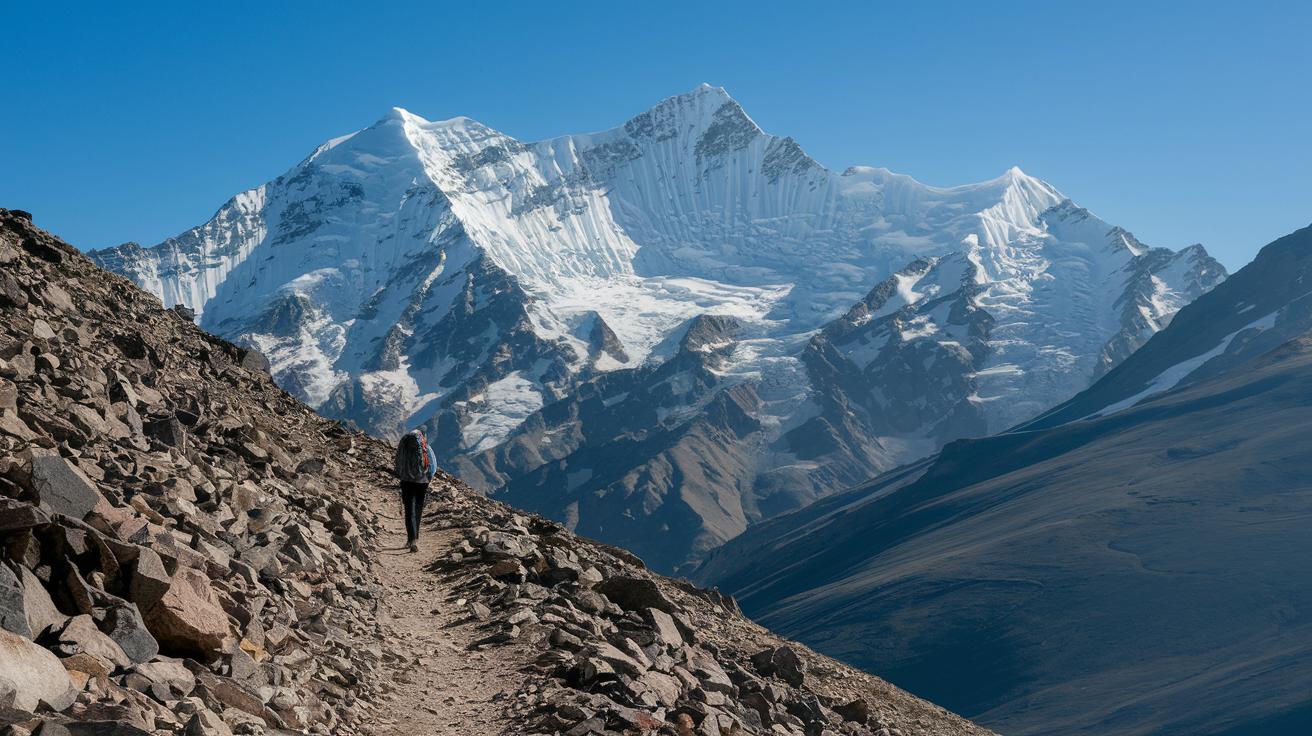
Exploring high altitudes is super exciting, but it’s important to take your time and plan ahead. One popular trick among trekkers is the "climb high, sleep low" method. Picture yourself reaching 10,000 feet, then spending a full day resting so your body can get used to the thinner air before you push further. Once you pass 8,000 feet, try to limit your climb to just 300–500 feet in a day. So if you make it to 9,000 feet, stick around at that height for a day or two before moving up again. This steady approach helps you avoid altitude sickness and builds up your strength for the journey.
Mixing in some interval training can also make a big difference. Think about doing short, energetic bursts on a stair machine or an inclined treadmill. These quick workouts mimic the strain of uphill hiking and boost your lung power. A friendly tip is to try 10-minute intervals at a gentle incline a few times a week; it’s like giving your body mini practice climbs to prepare it for the real adventure.
And of course, never skip your rest days. They’re just as important as your active climbing days, letting your body recover and adjust to the crisp, high-altitude air. Every day of rest is like a little celebration of your progress, keeping you ready and excited for the breathtaking trails that lie ahead.
Nutrition & Hydration Planning for Mountain Trekking
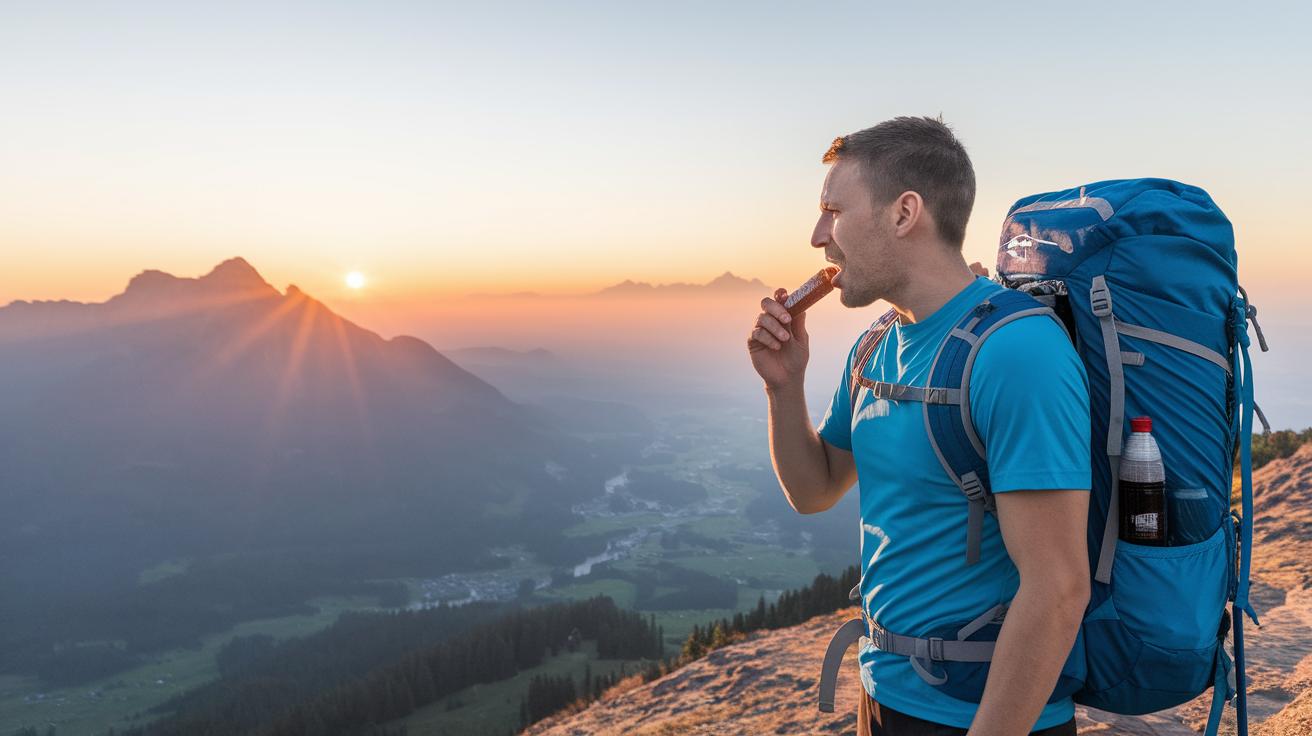
Fueling your trek is just as important as planning your path. Start your morning with a hearty breakfast of 600–800 kcal to get your energy up and ready for adventure. Then, every 1–1.5 hours on the trail, enjoy a snack that adds 200–300 kcal. Picture yourself nibbling on a high-calorie bar as the cool mountain air wakes you up, it’s a small but mighty boost for every step you take.
Staying well-hydrated is a must. Aim to drink between 0.5 and 1 liter of water every hour. You might even mix in some electrolytes to give your energy an extra lift. Ever notice how a sip of an electrolyte mix can almost feel like a mini pause for your muscles? It really does help keep your body moving at its best.
Choose food options that are both light and pack a strong energy punch. Think freeze-dried meals, nuts, energy gels, or those high-calorie bars we mentioned. They’re easy to carry and won’t slow you down. If you like a quick comparison, take a look at this handy table of portable meal ideas:
| Meal Type | Calories | Weight (oz) | Prep Time |
|---|---|---|---|
| High-Calorie Bar | 250 | 1.5 | Instant |
| Freeze-Dried Meal | 600 | 4 | 5 minutes |
| Nuts & Dried Fruit Mix | 350 | 2 | None |
| Energy Gel | 100 | 0.5 | Instant |
Keep your energy steady and your fluids in check. With these simple tips, every step on the trail will feel a bit more rewarding. Enjoy your trek and let nature recharge you with its own kind of magic!
Navigation Tools & Emergency Protocols for Mountain Trekking

Before you set off, give your navigation gear a quick test on a familiar path. Try using your GPS and then check it with your trusty compass and altimeter. This simple check makes sure everything is working just right for clear directions and accurate altitude readings.
Take a moment to run through a fun map-to-ground exercise. Spread out your topographic map and, with your compass in hand, spot key landmarks like ridgelines or streams. A neat trick is to hold the compass steady until the needle stops moving, then line it up with the map’s north. This practice builds your confidence and helps you translate map details into real-world landmarks.
Before each trek, spend a few minutes calibrating your altimeter or barometer. It might seem like a small step, but a quick adjustment using a known elevation point can save you from big mistakes high up in the mountains.
Plan your emergency backup as carefully as you plan your route. Make a checklist that reminds you to pack a satellite messenger or PLB along with a fully charged phone. Don’t forget to fill a trusted friend in on your trip details, including who’s with you and where you plan to be throughout the day, like saying, "I’ve let my friend know I’ll hit checkpoint X by noon."
It’s also smart to practice some basic compass drills and signaling techniques in a safe area before your trip. This hands-on preparation makes your journey not only exciting but also safe, giving you the know-how to handle any unexpected situations along the way.
Environmental & Cultural Considerations in Mountain Trekking
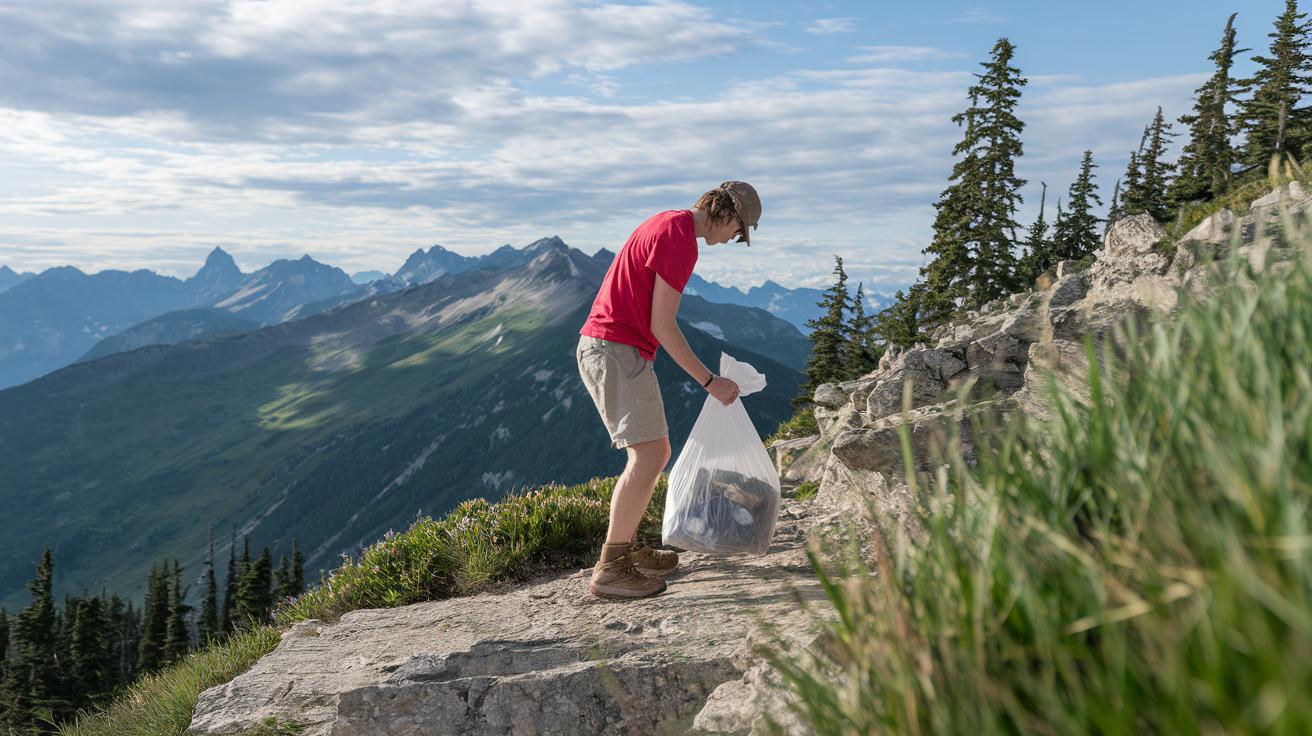
When you're out on mountain trails, take care to treat the land kindly. Always pack out your trash, like you're performing a little ritual to send every piece of garbage back home. This simple habit helps protect wildlife and keeps the trails beautiful for everyone.
Finding a green campsite can make your journey feel even more special. Eco-friendly places, like eco-comfort camps, not only lower your impact on nature but also help you connect with local communities. So, stick to designated spots and follow the Leave No Trace rules while enjoying the amazing views around you.
Respecting the local culture is just as important. In Himalayan villages, you're met with warm welcomes, and learning a few local phrases or customs can feel like sharing stories with a wise neighbor. Supporting ethical travel practices like fair porter treatment and community tourism ensures your trek benefits those who call these highlands home.
When you spot wildlife, be gentle and keep a safe distance. Ever felt that a quiet pause in nature is like having a soft conversation with the wild? These thoughtful moments make mountain trekking truly memorable.
Final Words
In the action, we delved into every step of the journey, from crafting an expert guide to preparing for mountain trekking to mastering route mapping, gear packing, and fitness routines. We shared tips on altitude acclimation, smart nutrition, and vital navigation tools, all aimed at ensuring each trek is safe and memorable.
Every detail is designed to help you uncover hidden gems and explore diverse cultures while keeping your adventure both practical and exciting. Enjoy the climb and savor each breathtaking moment!
FAQ
Frequently Asked Questions
What does a hiking training program PDF include?
A hiking training program PDF includes detailed exercise plans, schedule guidelines, and essential tips to build endurance and strength, helping you prepare effectively for long, challenging mountain adventures.
What are some trekking tips for beginners?
Trekking tips for beginners suggest starting with shorter hikes, testing your gear, pacing yourself, and gradually increasing your distance while focusing on essential safety measures and enjoyable exploration.
What hiking preparation exercises can I do at home?
Hiking preparation exercises you can do at home include squats, lunges, stair workouts, and core routines, all of which boost strength and balance, preparing you for the physical demands of mountain trekking.
What should my hiking preparation list include?
A hiking preparation list should include proper footwear, layered clothing, a first-aid kit, nutrition items, navigation tools, and emergency supplies, ensuring you’re well-equipped for any mountain trail.
How does a mountain climbing exercise help trekkers?
Mountain climbing exercises enhance your cardiovascular endurance and leg strength, enabling you to tackle steep slopes and rugged terrain with improved stamina and reduced risk of injury.
How can a 12-week hiking training program PDF assist my trek planning?
A 12-week hiking training program PDF offers a structured workout timeline with progressive exercises, ensuring gradual fitness improvements and solid preparation for longer, more challenging trekking journeys.
How should I prepare for a hike in a week?
To prepare for a hike in a week, focus on short conditioning sessions, ensure proper hydration and nutrition, check your gear, and review your route, helping you feel confident and ready for the trail.