
Have you ever stopped to think about how nature packs some of the world’s biggest islands with so much charm? Picture vast lands like Greenland with its chilly, sparkling ice and New Guinea with its colorful, lively coral coasts coming together in one amazing lineup.
In this fun list, we’re taking you on a journey through the top ten largest islands, each one a unique treasure with its own story and breathtaking views. You might want to imagine wandering through lush, towering rainforests or relaxing by calm, sun-kissed shores.
Isn’t it amazing how our planet can surprise us with its endless variety? Let’s set off on this adventure and see what wonderful discoveries await!
Definitive Ranking of the Largest Islands Worldwide
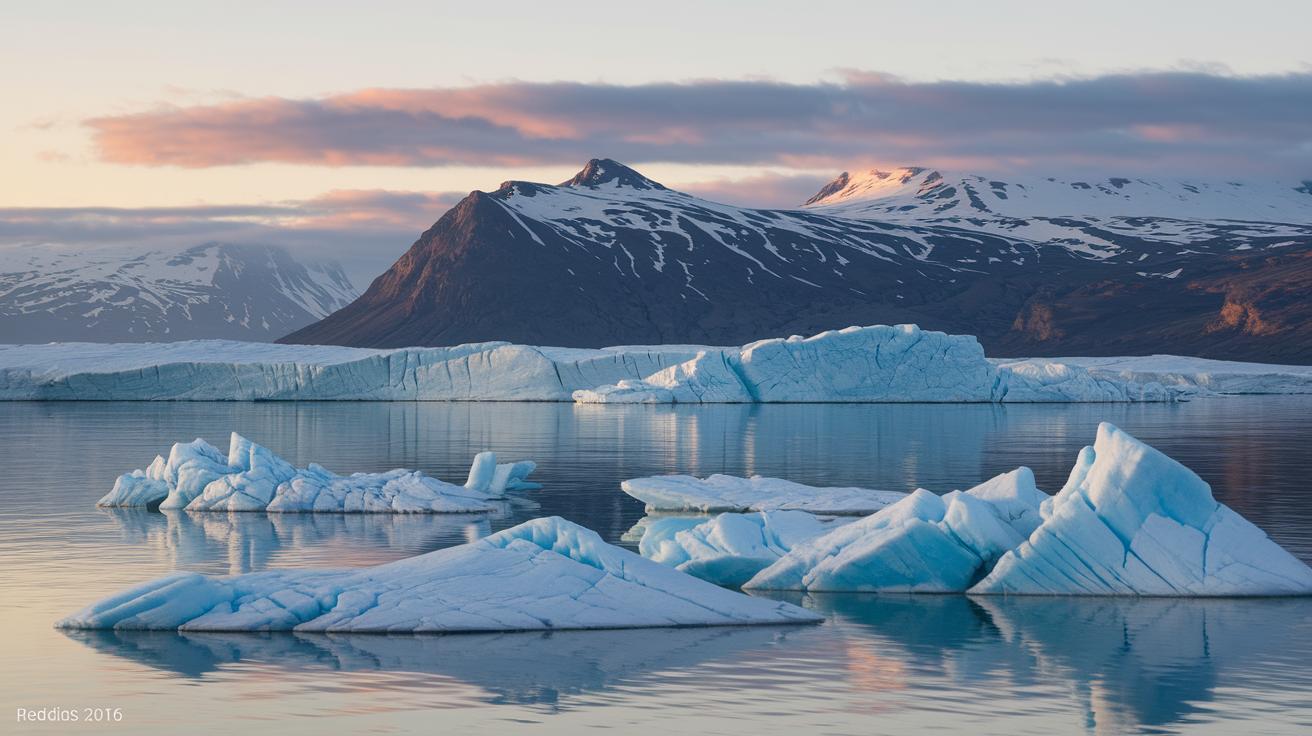
Here's a friendly look at some of the world's biggest islands. I’ve put together a fun list that shows the top ten by size. Each island comes with a quick note about where it is and what makes it special. Think of Greenland’s cool, icy stretches, New Guinea’s lively coral coasts, or Borneo with Mt. Kinabalu rising over rich, green rainforests. It’s a great reminder that nature has a story to tell, shaped by forces like plate movement and old geological events.
This list is perfect for travel fans and geography buffs alike. It’s like having a mini travel guide where you can quickly see the grandeur and unique charm of each giant island.
| Rank | Island | Area (sq km) | Location |
|---|---|---|---|
| 1 | Greenland | 2,130,800 | Between the Atlantic and Arctic Oceans |
| 2 | New Guinea | 785,753 | Split between PNG and West Papua |
| 3 | Borneo | 748,168 | Malaysia, Indonesia, Brunei; home to Mt. Kinabalu |
| 4 | Madagascar | 587,713 | Largest in the Indian Ocean, renowned for unique flora |
| 5 | Baffin Island | 507,451 | Canada’s island with fjords and lakes |
| 6 | Sumatra | 443,065 | Indonesian island; earthquake-prone with rich wildlife |
| 7 | Honshu | 225,800 | Japan’s main island, home to Osaka and Kyoto |
| 8 | Victoria Island | 217,291 | Canadian Arctic Archipelago, named for Queen Victoria |
| 9 | Great Britain | 209,331 | Europe’s largest; includes England, Scotland, Wales |
| 10 | Ellesmere Island | 183,965 | Nunavut’s rugged Arctic island |
As you explore this list, imagine the dramatic landscapes and unique cultures each island holds. It’s a gentle nudge to appreciate nature’s beauty and to maybe even plan a little adventure of your own.
Geographic and Geologic Factors Behind Massive Island Sizes

Isn’t it amazing how nature shapes these huge islands? Powerful natural forces and events from way back in time push and pull the earth, giving these islands their impressive size. Take Greenland, for example, it isn’t just a piece of land but a slice of an ancient continent, snugly placed between the Atlantic and Arctic Oceans. And then there’s Madagascar, which broke away from the supercontinent Gondwana more than 80 million years ago, paving the way for ecosystems you won't see anywhere else.
Deep down in the Earth’s story, islands like Borneo and New Guinea add more surprises. Borneo emerged when the massive Sunda Shelf collided with smaller neighboring plates, while New Guinea sits right at the edge of the ever-active Pacific Plate. And Sumatra? It rests on the bustling Sunda megathrust, a hotspot for earthquakes and volcanoes. It’s a vivid reminder that the slow dance of tectonic plates over millions of years has shaped not only these islands’ physical forms but also the rich natural traditions they proudly show off.
Population and Cultural Highlights of the World’s Largest Islands
Isn’t it amazing how islands can tell such lively stories? On Honshu, Japan’s main island, more than 104 million people live and work in a blend of the old and the new. You can wander through the historic streets of Kyoto or see modern marvels in Osaka and Hiroshima. In Great Britain, over 67 million residents enjoy a rich mix of old history and exciting festivals that draw around 40 million visitors each year. Then there’s Madagascar, where about 28 million locals cherish traditions rooted in African, Asian, and European cultures. And New Guinea? Its millions of people celebrate hundreds of distinct tribal customs and languages, making every visit feel like you’ve stepped into a living, breathing tapestry of traditions.
In quieter corners of the world, smaller island communities show a totally different pace of life. Over on Baffin Island, only about 13,000 people share remote Arctic settlements that let you experience the beauty of nature up close. Even more modest is Victoria Island, where around 2,000 residents welcome expedition ships and seasonal visitors into a world that feels almost untouched by time. Each island, whether bustling with big cities or brimming with small, close-knit communities, offers its own special charm and adventure.
Environmental and Wildlife Treasures of Major Islands

The world’s biggest islands are nature’s playgrounds, bursting with life and color. They’re full of amazing creatures and unique habitats that have evolved over millions of years. Each island has its own special charm that makes you stop and appreciate the beauty of our planet, and reminds us why it’s so important to protect these natural wonders for tomorrow.
- In Borneo, the thick rainforests around Mt. Kinabalu are home to playful orangutans and sneaky clouded leopards hiding among the trees.
- New Guinea offers sparkling coastal reefs that burst with colorful fish and soft, delicate corals, creating an underwater world that feels like a lively party.
- Madagascar is truly one-of-a-kind. It’s where you can meet curious lemurs, marvel at towering baobabs, and enjoy a landscape where 90% of the plant life is found nowhere else.
- Sumatra’s rich lowland forests shelter mighty tigers, sturdy rhinos, and rare Sumatran elephants wandering through its wild expanses.
- Up north on Baffin Island, the clear fjord waters set the scene for Arctic foxes and visiting beluga whales, making every moment feel like a scene from a nature documentary.
Still, these breathtaking spots face big challenges. Fast-paced urban growth, climate change, and the loss of natural habitats are putting these ecosystems at risk. Protecting these treasures calls for all of us to take action, from supporting strong environmental policies to choosing travel that respects nature. Together, we can help these islands and their amazing wildlife continue to thrive.
Historical and Economic Importance of Large Islands

Great Britain has a rich story built on seafaring adventures and naval victories that still inspires today. Once the center of a powerful maritime empire, the island continues to shape literature, law, and art, weaving its legacy into global culture. And then there’s Madagascar, whose history sparkles with memories of the spice trade during French colonial times. Imagine busy harbors filled with fragrant goods, each scent telling a tale of international commerce.
Over in Japan, Honshu stands proud as the main island, a hub of politics and industry that dates back to feudal days. Its ancient cities and time-honored traditions paved the way for today’s innovations. Greenland, too, has its share of stories. Early settlers and brave explorers charted its icy landscapes, leaving behind a whisper of history that still lingers among the arctic expanse.
Today, these islands show their modern side through lively economies. Greenland is now a mix of exciting mineral exploration and adventure tourism, perfect for travelers looking for a unique thrill or investors eyeing new opportunities. Out on another shore, Borneo’s resource sectors, from logging to palm oil, power local growth, while New Guinea’s communities thrive on fishing and eco-tourism, shining a light on their rich natural heritage.
Tips for Visiting the World's Largest Islands: Itineraries and Logistics

When you’re gearing up for a new island adventure, being prepared is key. Take Greenland, for instance, you’ll want to pack warm, sturdy clothes to tackle icy treks. And why not join a guided ice-fjord tour? It makes exploring safer and way more fun. Over in New Guinea, remember to brush up on your diving skills because the most colorful coral spots need certified dive operators. These handy tips keep you ready for each island’s one-of-a-kind setup.
Getting around these big islands can feel like planning a mini-expedition. In Great Britain, hopping on a high-speed train lets you zip easily between places like London, Edinburgh, and Cardiff. But if you’re dreaming of Victoria Island, you’ll need to book a charter flight or an expedition vessel from Cambridge Bay. And when it comes to Madagascar, a trusty 4×4 and a flexible schedule will help you navigate those bumpy roads without stress. For more ideas on planning a multi-island journey or reaching hidden spots, check out these custom itinerary tips.
Keep in mind that timing can make all the difference. Wildlife cruises around Baffin Island light up in the summer, letting you soak in the Arctic’s special charm. And visiting during each destination’s peak season is your best bet for experiencing its true beauty.
Further Resources and In-Depth Data on Island Metrics
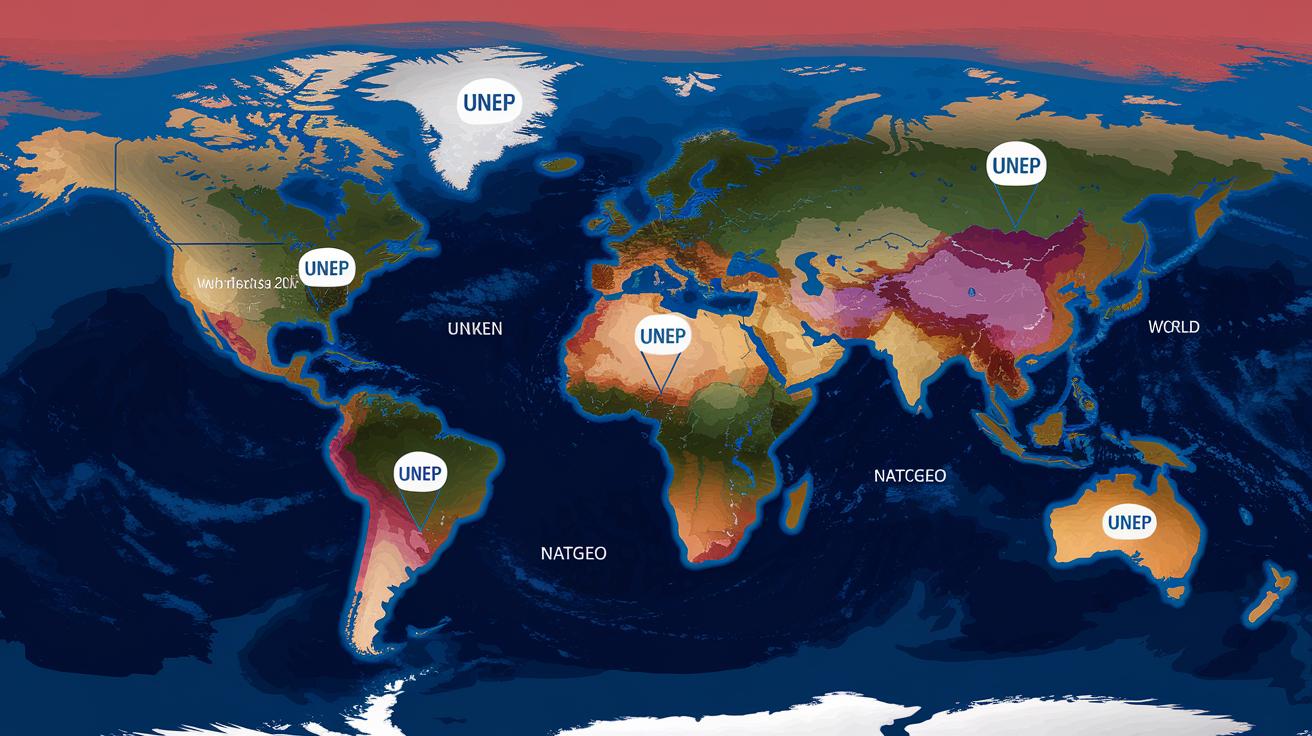
If you’re curious to learn more about island data, there are plenty of reliable sources that give you a detailed look at these amazing sea territories. The UN Environment Programme’s Island Directory is full of handy environmental facts and size details, while National Geographic’s Global Island Database uses interactive maps that make you feel like you’re right there. Even the World Bank and UN population stats share cool insights about island communities. It’s like following a treasure map where each new data set reveals another secret about these stunning land formations.
On top of that, NOAA’s marine charts and a host of scientific studies offer in-depth maps that cover everything from geology to ocean studies. These tools break down how islands form and evolve over time. With these trusted resources in hand, you can easily explore island sizes, population trends, and the environmental factors that have sculpted these global gems over the years.
Final Words
In the action, we’ve explored stunning insights on the definitive ranking of epic insular titans. We've unraveled geologic origins, cultural stories, and the vibrant natural tapestry of these mighty lands.
We walked through travel tips and practical planning advice, all woven together with an investigative look at each island's past and present. This journey invites you to dream big and take your next adventure among the world largest islands. Enjoy your journey, and may every step be filled with wonder.
FAQ
What are the 10 largest islands in the world?
The 10 largest islands in the world, ranked by area, are Greenland, New Guinea, Borneo, Madagascar, Baffin Island, Sumatra, Honshu, Victoria Island, Great Britain, and Ellesmere Island, each with distinct geologic and cultural significance.
Which island is the largest in the world?
The largest island in the world is Greenland, which spans about 2,130,800 square kilometers and stands apart as a massive landmass between the Atlantic and Arctic Oceans.
Is Greenland or Australia the biggest island in the world?
The question comparing Greenland and Australia clarifies that Greenland is the largest island, while Australia is considered a continental landmass rather than an island.
What is the second largest island in the world?
The second largest island is New Guinea, covering approximately 785,753 square kilometers and shared by Papua New Guinea and Indonesia, renowned for its rich biodiversity and vibrant cultures.
Which island country is considered the largest in the world?
The largest island country is Indonesia, an expansive nation comprised of over 17,000 islands, with several large islands like Sumatra, Borneo, and Java contributing to its vast cultural and natural heritage.
What are the world’s largest islands by population?
The exploration of population sizes shows that Honshu, Japan’s main island, is among the largest by population, hosting over 104 million residents in its dynamic urban centers.
Is Ireland the biggest island in the world?
The inquiry about Ireland indicates that it is not the biggest island; Ireland is much smaller than several other islands like Greenland, New Guinea, and Borneo.
What is the smallest island in the world?
The definition of the smallest island can vary, as some tiny, uninhabited land patches hold the record; however, no single island has a universally recognized title for being the absolute smallest.