
Ever wondered why some travelers seem to have an easier time with money abroad while others struggle? Managing your travel cash isn’t just about saving every penny; it’s about planning smartly and grabbing opportunities when they appear. In this guide, we share simple tips like using the 50/30/20 rule and setting up a backup fund to cover unexpected costs. We'll walk you through how to cover the basics, treat yourself to extra experiences, and prepare for surprises along the journey. Get ready to discover how to spend stress-free and enjoy your travels without financial worries.
Travel Finances Abroad: Establishing Your Budget Framework
When you plan your travel budget, try using the 50/30/20 rule. First, put aside half your money for must-haves like a place to stay, food, and getting around. Next, spend about 30% on fun extras, like a local tour or a surprise meal at a small, cozy restaurant. The remaining 20% should be saved for emergencies or unexpected costs. For example, you might say, “Before I left home, I set aside half of my cash just to cover daily needs while I explored new streets.”
It also helps to check out cost-of-living websites before you go. Look up prices for things like rent, utilities, groceries, transit fares, and meals. Compare much pricier cities with more affordable towns to keep your spending balanced on longer trips.
Before you set off, create a little backup fund by saving 10–20% of your total travel money. Here’s a quick guide in a table:
| What to Do | Percentage |
|---|---|
| Cover everyday necessities | 50% |
| Spend on fun experiences | 30% |
| Save for emergencies | 20% |
Mixing your destinations is another smart move. A busy city trip paired with a calm countryside escape can offer both excitement and a break for your wallet. Have you ever felt that balance makes vacationing even more enjoyable? Stick with these budgeting tips, and your money management abroad will be smooth and stress-free.
Travel Finances Abroad: Optimizing Currency Exchange and Reducing Fees
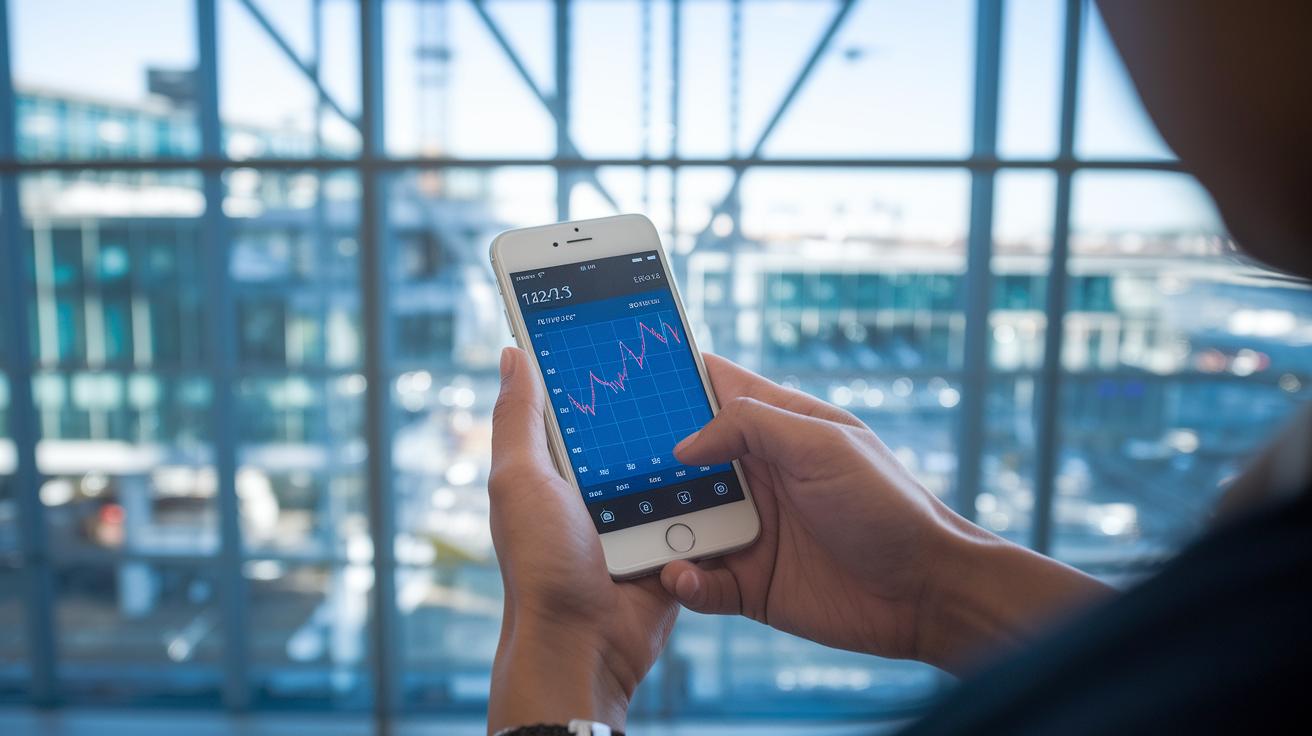
When you're planning your trip, try looking into online services like Wise or Revolut. They use the mid-market rate and usually charge only about 0.5%, which is much lower than the 4% fees you might bump into at an airport kiosk. Setting up real-time alerts can really help too. Imagine getting a notification that the euro hit a perfect rate, then converting your money bit by bit, pretty neat, right?
When you pay with your card, you've got to watch out for dynamic currency conversion. This trick can add an extra 3-5% on top of your bill. So, it's best to always pay in the local currency to keep things simple and save money. Also, consider preloading a prepaid travel card. They let you lock in today’s exchange rate, but it’s a good idea to compare these fees with those from your regular debit card to see which option works best.
Having a clear plan and using timely alerts means you can buy your money when the rate is really good. This way, you'll have more spending power during your adventures. It’s all about keeping track of the rates and finding fee-free options so you can relax and enjoy your journey instead of stressing over money.
Remember, spending a little extra time planning now can lead to big savings later. Fine-tune your setup, cut down on unnecessary fees, and let your money work as hard as you do while exploring new places.
Travel Finances Abroad: Smart Payment Solutions and Banking Tools
When you're off exploring new places, having the right bank tools can really smooth your journey. Think about opening a checking account that doesn’t charge you extra fees on foreign purchases, like the Charles Schwab High Yield Investor Checking. You might even choose a global bank like HSBC to help you save money while traveling. Neobanks like Wise, Revolut, and N26 are also great because they let you manage multiple currencies and withdraw money at ATMs without extra fees. And wouldn’t it be cool to get a quick alert on your phone right when you spend a bit?
It’s a neat idea to pack a couple of debit cards and credit cards as a safety net. Linking your accounts to a separate savings account means you could earn interest while keeping your funds safe if one card slips away. Mobile banking apps have made it super simple to transfer money or check your balance on the go. I remember a time when I quickly moved funds between my accounts after a surprise expense during a trip, it felt like having a little financial superhero in my pocket.
All in all, modern banking and budgeting apps are a traveler’s best friends. They cut down fees, boost security, and give you multiple ways to stay prepared if something unexpected happens. With these tools, you can handle surprises without missing the fun parts of your adventure, knowing you always have a backup plan ready to go.
Travel Finances Abroad: Monitoring and Controlling Expenses on the Road
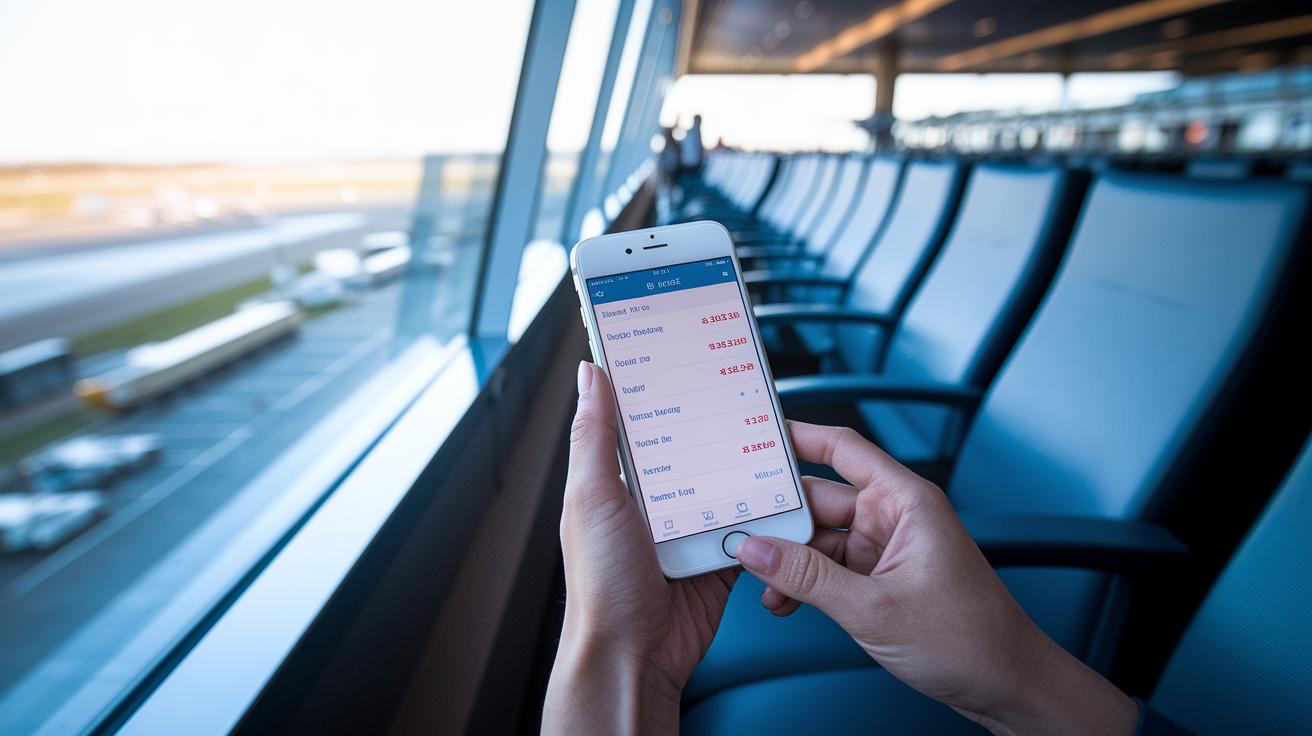
Watching your expenses overseas is a smart move. Using handy apps like TravelSpend or Trail Wallet helps you track every spent dollar, whether it’s cash or card, with ease. You can even export weekly reports to see where your money is going. Imagine jotting down, "I spent $15 on a local treat today," and then checking how it fits into your budget.
Sort your spending into groups like lodging, transport, food, activities, and incidentals. This way, you clearly see where your money is headed and can make changes if needed. Simple online travel budget calculators help you set daily limits based on your remaining funds and days left. Picture looking at the calculator and thinking, "Today, I'll keep my food budget under $20."
Taking just a few minutes each day or week to review your spending is like a quick pit-stop during a long road trip. It lets you adjust your budget and catch any overspending early on.
- Use a trusted app to track every transaction.
- Break your expenses into clear categories.
- Rely on online calculators to set and tweak daily limits.
This mindful tracking approach keeps your travel finances in check and makes your journey all the more enjoyable.
Travel Finances Abroad: Securing Funds and Preventing Travel Fraud
Before you head out, let your bank know your travel plans so they won't unexpectedly block your card. Turning on SMS or email alerts is a great way to keep an eye on your spending in real time. Imagine getting a quick text that warns you of any unusual transactions before they turn into a real hassle.
It’s smart to keep your cards in different spots. For instance, stash one in your wallet and leave another safely in the hotel safe. You might even consider RFID-blocking sleeves, which act like an extra lock against electronic pickpocketing if one card goes missing.
When you need cash, stick to official ATMs in safe locations rather than street money changers. This simple tip helps you avoid scams and bad exchange rates. And as an added safety net, keep encrypted digital copies of your ID, passport, and card details.
- Let your bank know your travel dates and set up real-time alerts.
- Store your cards separately and use RFID-blocking protection.
- Withdraw money only from secure, official ATMs.
- Keep digital backups of vital documents in an encrypted cloud.
These tips help you safeguard your funds and focus on enjoying your adventure abroad.
Travel Finances Abroad: Comprehensive Travel Insurance and Emergency Funds
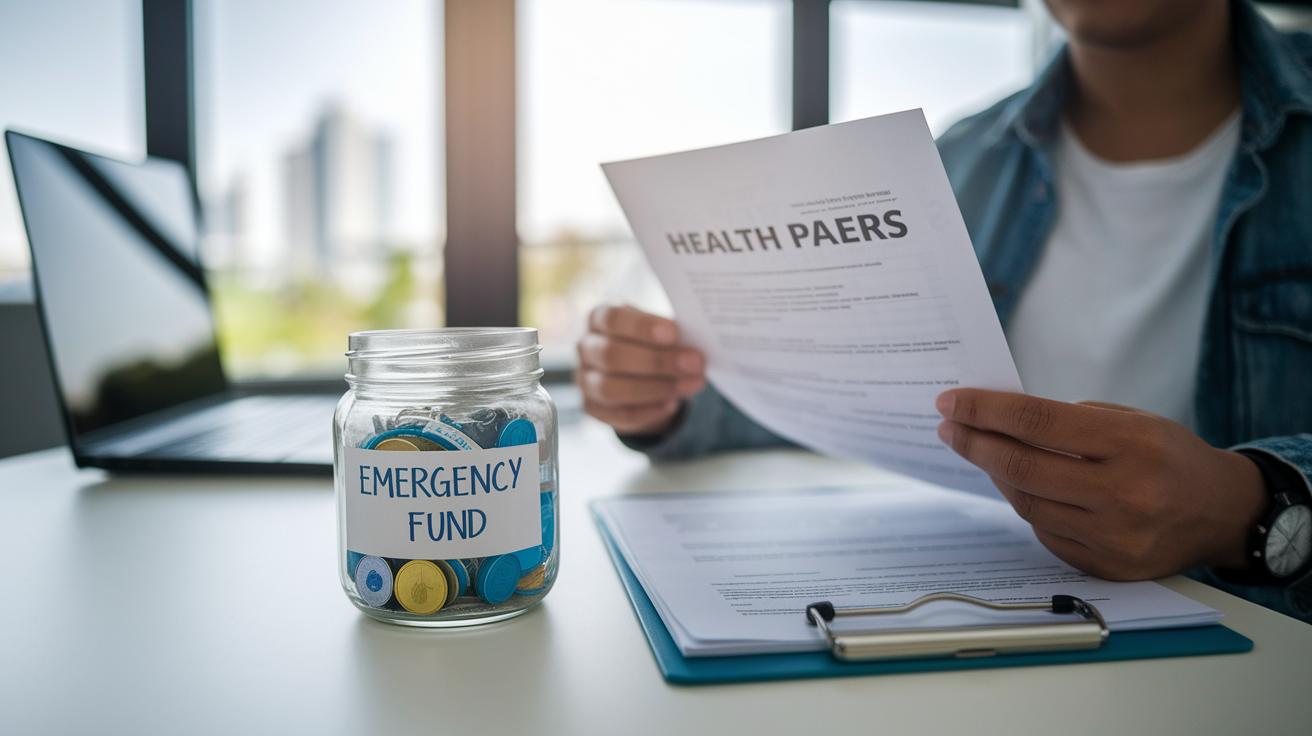
When planning your travels, it’s really important to have an international health plan that’s more than just basic short-term coverage. I switched to a plan that covers emergencies in over 150 countries, which means I never have to worry about unexpected health issues when I’m on the road. It’s a good idea to read through the fine print too, so you know if things like pre-existing conditions or extreme sports might not be covered.
It also helps to set up an emergency fund equal to 3 to 6 months of your living expenses. Think of it as a special nest egg that stays separate from your everyday travel money, kind of like a backup plan for those unforeseen moments. I even set up an automatic $200 monthly transfer to my travel and emergency accounts. This way, saving feels effortless, and I build a strong cushion over time.
- Look for plans that offer global benefits and include medical evacuation.
- Always check for any exclusions that might not match your travel style.
- Keep an emergency fund that can cover 3 to 6 months of expenses.
- Set up automatic transfers to save steadily without extra effort.
By choosing the right insurance and building up a safety fund, you get both great coverage and the peace of mind to explore the world, even when unexpected costs pop up.
Travel Finances Abroad: Post-Trip Reconciliation and Reimbursement Management
After you get back from your trip, your adventure isn't quite over, you still need to sort out your money. Start by matching your credit card bills with your original budget. Pull expense reports from your banking app and group your spending into sections like lodging, meals, transportation, and activities. For example, you might jot down, “I spent $75 on local rides today,” and then total the amounts to check if your estimates were on target.
It’s important to mark whether an expense was for fun or work. Hang on to your receipts and write short summaries to back up any claims for a refund. Think of it like keeping a travel diary, where every little note helps you plan a smarter trip next time.
- Compare your credit card bills with detailed expense reports.
- Clearly separate costs for personal fun and business work.
- Keep receipts and make summaries to support any refund claims.
- Exchange or spend any leftover local money before you leave to avoid extra fees.
Take a moment for a “post-trip” review to think about your spending habits. Imagine it as a friendly catch-up after a great adventure, what worked well, what didn’t, and how can you save even more on your next journey? This honest look-back will show you ways to save and tweak your plans for an even more budget-friendly trip next time.
Final Words
in the action, you’ve just seen how to balance your trip's spending, from setting up a budget with the 50/30/20 rule to choosing smart exchange and payment options. You discovered ways to track expenses, safeguard funds, and even plan for emergencies. By following our expert guide to managing travel finances abroad, you’re now equipped with practical steps to make every adventure stress-free and memorable. Keep planning smart, enjoy new cultures, and relish the freedom of a well-organized getaway.
FAQ
Q: What are travel tips for Europe packing and first-time travel suggestions?
A: The travel tips for Europe packing and first-time travel advise packing light with flexible layers, securing travel documents, checking local weather, and planning must-see spots for a smooth, enjoyable journey.
Q: What are effective financial travel tips and creative ways to save money for trips?
A: The financial travel tips and creative savings ideas suggest using structured budgeting like the 50/30/20 rule, tracking spending, and choosing budget-friendly lodging and transit to stretch your travel funds.
Q: How do Morgan Stanley debit card fees and currency exchange rates affect international spending?
A: The Morgan Stanley debit card fees and currency exchange rates information recommend checking fee details and comparing rates regularly to lower foreign transaction fees and secure better conversion values abroad.