
Have you ever thought about how your travel adventure could help protect wild animals instead of disturbing them? When you travel responsibly, it isn't just about snapping pictures. It means planning your visit so that nature stays just as beautiful as you found it.
This guide feels like chatting with a friend who loves exploring. It offers simple tips for enjoying close-up animal encounters while keeping them safe. By choosing tours that focus on conservation, you're helping keep nature undisturbed.
Next time you plan a trip, try these ethical ideas. It's a wonderful way to make your adventure inspiring and positive for both you and the wildlife.
Step-by-Step Roadmap for Expert Responsible Wildlife Tourism
Ethical wildlife tourism is all about enjoying nature while keeping animals safe and free from stress. It means watching, snapping photos, or gently interacting with creatures in their natural environments or in well-managed settings. This kind of travel cares about the animals first, focusing on conservation instead of chasing profit. Picture it, you’re watching a wild turtle nest quietly on a serene beach, knowing your visit respects its natural habits.
On the flip side, some tours force animals into unnatural shows for entertainment or quick cash. These setups might push you to have too much close contact, feed, or even ride the animals, which can really upset their routine. Responsible travel means doing a little homework and planning carefully so that your adventure helps protect nature instead of harming it.
- Research ethical credentials: Check if the provider is certified by trusted conservation groups.
- Look at on-site practices: See if there are guidelines to keep a safe distance from the wildlife.
- Book with conservation-focused operators: Choose tours that are backed by experts and clear about their care for nature.
- Engage respectfully: Keep your distance, avoid feeding, and let the animals behave naturally.
- Contribute to conservation after your trip: Support local projects or donate to organizations that protect wildlife.
By following these steps when planning your trip, you'll create a smooth and rewarding wildlife adventure. Every thoughtful interaction helps keep the animals and their homes safe and sound.
Ethical Principles in Responsible Wildlife Tourism
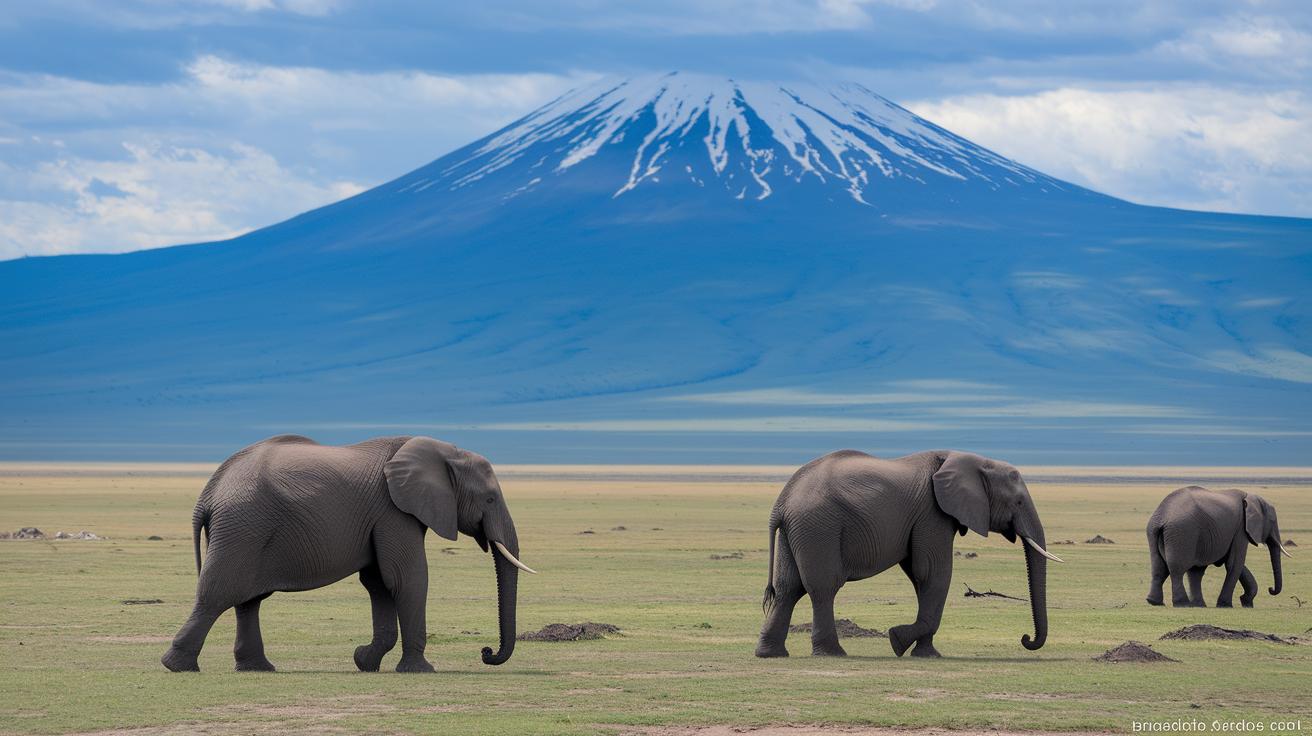
When you travel to see wildlife, you want to enjoy nature without changing how animals live. Imagine watching a family of elephants roam the savannah without any human disturbance, it’s all about letting nature be itself.
There are four simple rules to keep in mind. First, never feed or trick animals into unusual encounters. Second, keep a safe distance so animals can act naturally. Third, support efforts that help local communities rather than just filling tour guides’ pockets. And fourth, be on the lookout for tours that use green promises to hide harmful practices. If a tour promises "close-up wild encounters," take a closer look at how they protect nature.
Not following these simple rules can hurt the animals we love to see. When people force interactions, like petting or holding wildlife, or use methods like trimming animals’ teeth, it can really harm them. Lately, some tour operators are getting clever by using eco-friendly words to sell tours that might actually disrupt nature. It’s a reminder to always do a little homework, so your adventure leaves nature as magical as you found it.
Identifying Ethical vs Unethical Wildlife Tourism
When you’re planning a wildlife adventure, it helps to look for clear red and green flags to make sure your trip is kind to animals and nature. Think of it like choosing a restaurant, some places keep it real, while others might be hiding shortcuts that aren’t so good for the animals.
Always double-check tours that promise guaranteed up-close encounters. Ask yourself if these promises come from natural behavior or if the animals are pushed into acting a certain way for a photo. This little check saves you from letting a profit-first experience spoil a memorable adventure.
| Red Flag | Issue | Green Flag |
|---|---|---|
| Elephant/Camel Rides | Animals forced to carry burdens, which can hurt them and cause stress | Seeing animals move freely in their natural home |
| Tiger/Monkey Performances | Animals made to perform through unnatural training methods | Watching animals behave as they naturally would, without tricks |
| Captive Whale/Dolphin Shows | Creatures confined to small spaces just to perform for visitors | Tours led by marine experts who follow strict conservation rules |
| Guaranteed Close Encounters | Promised interactions could be staged or forced | Opportunities for natural, voluntary animal activities |
| Feeding or Touching Wildlife | Direct contact that risks interfering with the animal’s natural life | Maintaining a respectful distance while observing nature |
| Baiting for Sightings | Using food or other tricks to lure animals unnaturally | Animals coming by their own natural behaviors and instincts |
| Profit Over Animal Welfare | Tours that care more about money than the animals’ health | Clear conservation efforts that show genuine care for animal wellbeing |
When you’re choosing a tour, look for companies that celebrate natural animal behavior, keep their groups small, and are led by experts who really know their stuff. It feels good to know you’re not only having a fantastic adventure, but you’re also helping protect the creatures you love to watch.
So next time you plan your wildlife visit, keep these tips in mind. Your trip will be more enjoyable knowing you’re making a positive impact on the places and animals you encounter. Enjoy the journey!
Best Practices for Responsible Wildlife Tourism

When you're out exploring nature, it's important to follow some simple guidelines to protect wildlife and enjoy your surroundings. Combining classic tips with a few new ideas, here’s what you can do:
- Keep a safe distance so animals stay relaxed and comfortable.
- Skip those close-up selfies, they might stress the animals out.
- Pick tour companies that truly care about ethical practices.
- Follow local rules posted at wildlife spots to match animal routines.
- Never feed or lure animals; it can really disrupt their natural habits.
- When you share photos, focus on showing animals in their natural environment instead of ones that make them look uncomfortable.
- Consider putting your money into local conservation projects instead of buying souvenirs that harm nature. For example, donate or purchase items that truly help community-led efforts.
Every little step helps. When you respect wildlife and share your adventures thoughtfully, you’re playing a part in keeping nature balanced and supporting the people who work hard to protect it.
Choosing Certified Conservation-Focused Wildlife Tours
When a wildlife tour operator holds certifications from groups like the Global Sustainable Tourism Council, it’s a clear sign they care deeply about protecting nature. These marks come with independent checks and often have support from universities or non-profits, which means their methods are both ethical and based on solid research. For example, a certified operator might share that they follow strict rules for caring for animals and preserving their habitats, giving you real peace of mind that your adventure is supporting conservation.
When you’re checking out different tour operators, keep an eye on key details like official accreditation, the experience of their guides, openness about their practices, and how they benefit local communities. Don’t hesitate to ask about things like group sizes, efforts to restore natural habitats, and how they keep track of their conservation work. A reliable operator will happily give you all the details, making sure your wildlife experience is not only enriching but also truly ethical.
Case Studies of Sustainable Wildlife Adventures
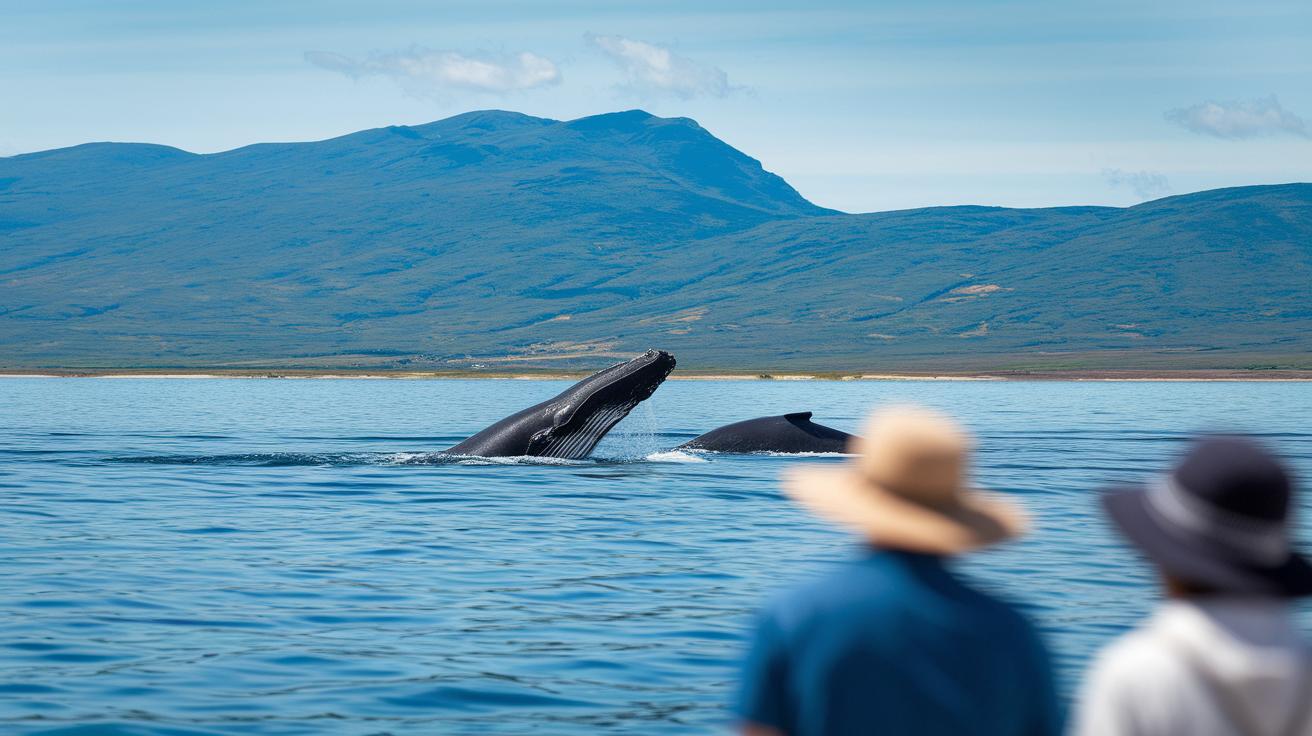
Learning from real stories is a fun way to see wildlife tourism done right. These examples show that you can have amazing adventures without disturbing nature. With a bit of planning and a lot of respect, travelers help animals and local communities while exploring the wild.
Take whale watching in Puerto López, Ecuador. Small groups, led by marine biologists, stick to strict no-baiting rules and use GPS markers to observe humpback whales from a safe distance. It feels almost magical, knowing you're part of something that protects these gentle giants.
Over in Hawaii, turtle nesting tours are just as thoughtful. Visitors follow a no-touch rule and time their visits. This careful approach lets conservation NGOs share tips on protecting these delicate creatures. Meanwhile, the turtles get to nest undisturbed by too much light or interference. It’s a unique chance to learn and appreciate nature.
Costa Rica offers jungle bird tracking led by licensed naturalists. The tour funds help pay for reforestation projects and local schools. This smart mix of adventure and support for community development shows how travel can boost conservation efforts.
These real-life examples mix science, education, and local community support perfectly. They remind us that a respectful journey not only keeps wildlife safe but also helps build sustainable local futures. Isn’t it beautiful when travel leaves a positive mark on our world?
Post-Trip Conservation Commitments in Responsible Wildlife Tourism
After your wildlife trip, consider giving back by supporting local conservation efforts. Even a small donation from your travel money can help restore habitats and fund projects that protect animals right where they live. Volunteering your time with local wildlife initiatives can also make a big difference.
You can also support conservation by choosing ethical souvenirs. Pick up handcrafted items that celebrate local traditions instead of mass-produced goods. Sharing your travel stories with friends can inspire others to care about wildlife too. And don’t hesitate to speak up for better animal welfare policies, every little bit helps keep the circle of positive travel experiences going.
Final Words
In the action, this guide takes you through a clear five-step roadmap for ethical wildlife tourism. We unraveled the secrets behind research, respectful encounters, best practices, and real-world case studies that showcase authentic, conservation-focused travel. With our expert guide to responsible wildlife tourism, you can confidently plan your adventure while protecting nature and supporting local communities. Enjoy every moment of your journey and make unforgettable memories.
FAQ
What is ethical wildlife tourism?
Ethical wildlife tourism is about observing animals in their natural habitats without causing harm. It prioritizes animal welfare, respectful distance, and conservation, contrasting with exploitative practices that stress or exploit animals.
How do I choose a certified conservation-focused wildlife tour operator?
Choosing a certified operator means checking for recognized certifications, guide credentials, and transparent conservation initiatives. This ensures you’re supporting tours with scientific oversight and a genuine commitment to wildlife protection.
What are the best practices for responsible wildlife tourism?
Best practices include keeping a safe distance, avoiding close-up selfies, following site guidelines, and not feeding animals. These actions help protect wildlife while enhancing your experience and supporting local conservation efforts.
How can I differentiate ethical from unethical wildlife experiences?
You can differentiate ethical tours from unethical ones by looking for voluntary animal behavior, small-group observations, and scientific guidance. Unethical practices, like forced interactions and close contact, often signal exploitation and welfare concerns.
How can travelers contribute to conservation efforts after a wildlife tour?
Post-trip contributions include donating or volunteering with local NGOs, choosing ethically sourced souvenirs, sharing accurate trip reports, and advocating for policies that protect wildlife, ensuring your adventure has lasting benefits.
Why is researching provider credentials important in wildlife tourism?
Researching provider credentials ensures that you book with operators who follow ethical standards, support genuine conservation, and offer wildlife experiences that prioritize animal welfare and scientific transparency.