
Have you ever wondered if you’re truly prepared to stay safe while exploring new places? Imagine sitting down with a friend over a cup of coffee who’s ready to share some down-to-earth travel tips. This guide gives you a handful of clever tricks to avoid scams, pack smartly, and protect your valuables.
We break things down into easy tips and neat ideas so you can plan ahead, stay alert, and handle any unexpected twists along the way. With these simple, updated suggestions, you can hit the road with confidence and enjoy every moment of your adventure.
Essential Travel Safety Tips: Expert Strategies for Safe Journeys
This guide shares 50 travel safety tips updated as of March 28, 2025. It’s like having a trusty travel buddy who hands you advice, ensuring you feel secure and ready to explore. Imagine starting your trip with a guide that covers everything, from dodging scams to keeping your valuables safe using smart anti-theft bags and RFID-blocking wallets.
At the heart of these tips are five key ideas: plan well before you go, pack securely, use tech to protect yourself, stay aware of your surroundings, and be ready for emergencies. For instance, think about registering with your embassy via programs like the Smart Traveler Enrollment Program, and researching safe neighborhoods before you head out. And when you pack, it’s not just about convenience, using travel wallets or an eSIM can help you avoid high roaming fees and keep your connections secure. Plus, blending in with local customs can help lower your profile and keep opportunistic threats at bay.
Next, you’ll get into more details. The upcoming sections will walk you through everything from pre-trip checklists, local safety tips, digital security advice, to real-life case studies for handling emergencies. And to top it off, there’s a final checklist to make sure you’re ready for every part of your journey.
Happy travels, and stay safe!
Pre-Trip Travel Safety Planning and Risk Assessment
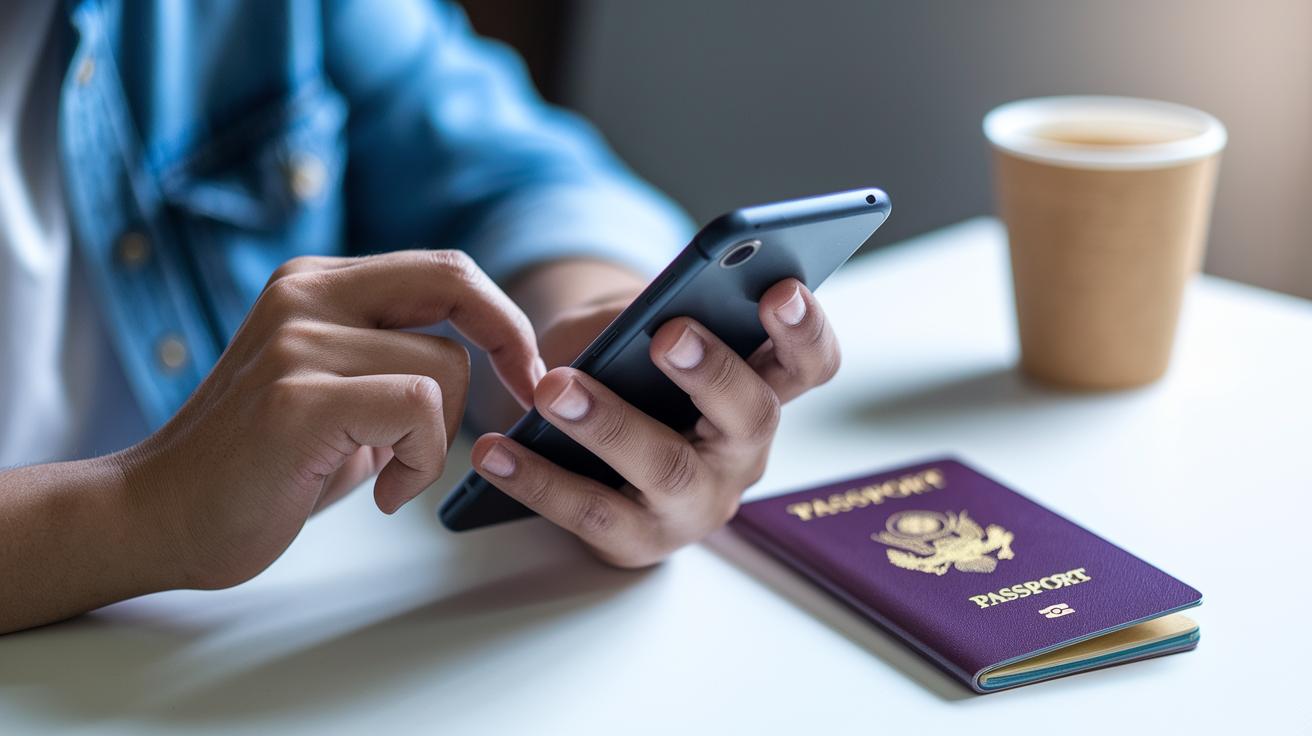
Before you pack your bags, taking a little extra time to plan can make your trip feel safe and worry-free. Think of it as a friendly chat with yourself, where you sort out the details so you can truly enjoy every moment. By planning ahead, you can spot potential problems, avoid risky areas, and set off with confidence.
Start by checking official government travel advisories and any alerts specific to your destination. It might help to register with your embassy using the Smart Traveler Enrollment Program so you get timely updates. Write down local emergency numbers, like the police, ambulance, and your nearest embassy, and share your itinerary with someone you trust back home.
Also, consider purchasing travel insurance that covers medical evacuations, and don’t forget to pack a small first aid kit along with some hidden emergency cash in a separate spot. Using anti-theft luggage, RFID-blocking wallets, and secure tech like an eSIM and VPN adds another layer of security. Take a moment to learn which neighborhoods are safe and which ones you might want to steer clear of.
These simple steps work together like the pieces of a well-planned puzzle, giving you peace of mind from the moment you set off. When your safety checklist feels complete, you can kick off your journey knowing you’re ready for anything that comes your way.
On-the-Ground Travel Safety: Situational Awareness and Local Engagement
When you’re exploring new streets, it helps to blend in rather than stand out like a tourist. Choose simple, neutral clothes over flashy outfits. Walking confidently with your head held high tells everyone you know your way, and it can help keep you safe. A steady, relaxed pace makes it less likely for any trouble to come your way.
Keeping your valuables secure and tapping into local knowledge can really boost your safety. Keep your bag close and avoid tucking important items into your back pocket, pickpockets love those spots. Also, be cautious with sharing your live location on social media while you’re on the move. Traveling with a small group can also discourage any unwanted attention. And don’t hesitate to ask locals for a quick tip on safe routes. Imagine a friendly local saying, “Stick to the inner streets at sunset for more safety.” These straightforward tips make sure your journey stays secure and full of memorable moments.
Tech and Digital Travel Safety Measures for Secure Journeys
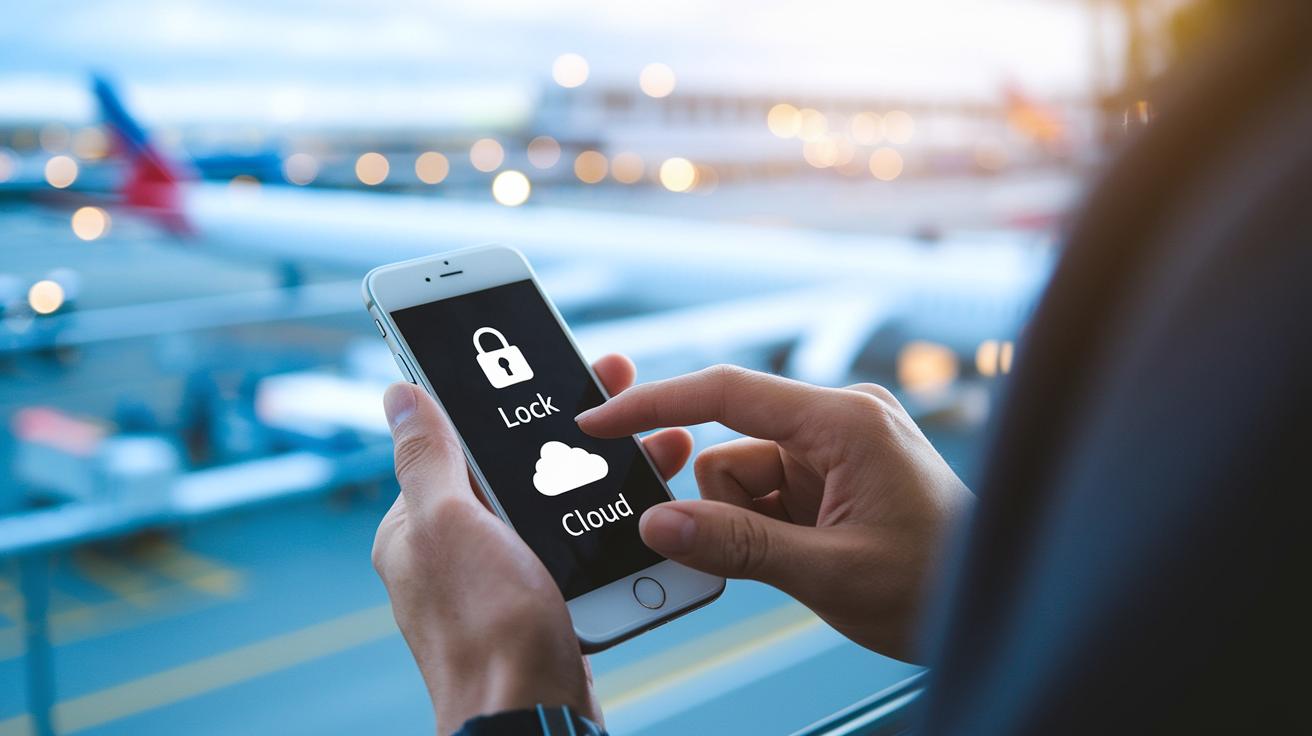
Traveling safely means staying connected without stress. Using an eSIM gives you a reliable connection, so you don't have to worry about costly roaming fees. When you're on public Wi-Fi, use encrypted messaging apps and a VPN to keep your information private. And don't forget to enable tracking on your device and set up auto-backups for your photos and documents. That way, if your device ever goes missing, you can quickly recover what’s important. It’s like having a digital safety net that lets you enjoy every moment of your trip with a bit more peace of mind.
When you’re handling money on the road, pop a hand over the keypad as you enter your PIN, and try to stick to ATMs in bank branches whenever you can. A wallet with RFID-blocking features also helps protect your financial data from unwanted scans. You might also consider smart luggage locks that add extra digital security to your belongings. Mixing these tech-savvy measures with simple, everyday safety steps creates a complete shield that makes your travel experience a lot smoother and more secure.
Emergency Preparedness: Crisis Response and Survival Abroad
Being prepared can really make a difference when you travel. It helps to have printed and digital copies of important details like emergency contacts, embassy numbers, and local hotline numbers for the police and ambulance. I once stashed a little bit of extra cash and a laminated card with embassy contacts in a secret pocket, it was a lifesaver when things suddenly went wrong. These simple steps can ease stress if you ever face a challenge.
It’s also smart to have a small first-aid kit for minor scrapes and bruises. And why not learn a few basic self-defense moves, like from Krav Maga or Muay Thai? A little extra knowledge can boost your confidence and help you feel in control if you encounter a tough situation.
Staying in touch is just as important. Check in regularly with friends or family back home so someone always knows where you are. And if something feels off, trust your instincts, reach out for help or get yourself to a safer place.
Real-Life Travel Safety Case Studies and Lessons Learned
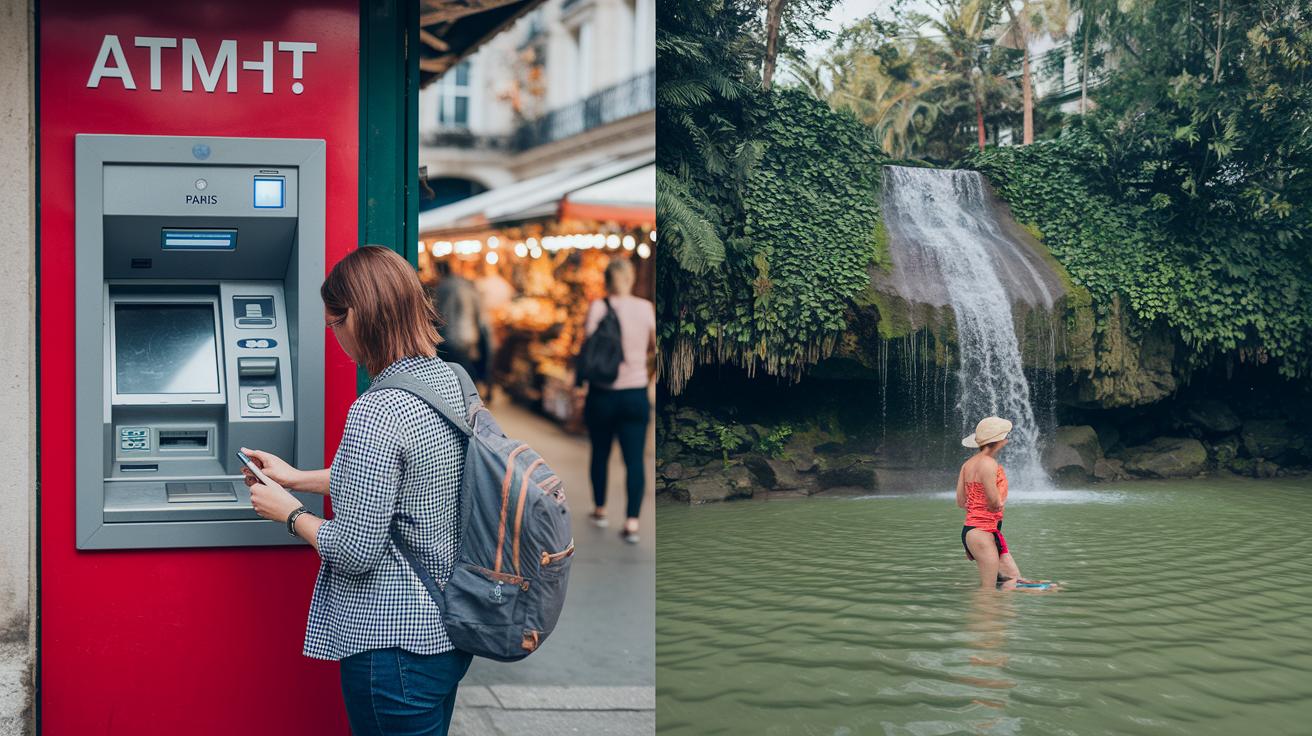
Case studies give us a real peek into travel mishaps that turn into important lessons. They show us what can go wrong and share practical tips for avoiding trouble. For instance, a scam at a Paris ATM, where a traveler’s money vanished, reminds us to always cover our PIN and use machines inside banks. And there’s the case of someone taking a risky photo at a waterfall in Thailand, which ended in a nasty fall, proving that chasing the perfect image isn’t worth risking your safety. There’s even a story of food poisoning from a bustling Peruvian market that led to a day in the hospital. All these tales show that being cautious and well-prepared makes your journey much safer.
| Incident | Location | Outcome | Lesson |
|---|---|---|---|
| ATM scam | Paris | Money stolen | Cover your PIN, use bank ATMs |
| Photo stunt injury | Thailand waterfall | Injury from a fall | Steer clear of risky photo stunts |
| Food poisoning | Peru market | Hospital stay | Stick to bottled water and cooked food |
These real-life examples pack a punch with simple yet wise travel tips. They remind us to always use trusted banking methods, think twice before attempting dangerous stunts for that perfect social media snap, and be mindful of food and water safety. By keeping these tips in mind on your travels, you can dodge many common pitfalls and enjoy a worry-free adventure.
Final Travel Safety Briefing: Crafting a Personalized Security Roadmap
When planning your trip, take a close look at your safety plans and make a list that fits your style perfectly. Think of it as blending together all the little pieces, like checking travel advisories, securing your important documents, testing your digital safety, and running through emergency plans, into one simple set of steps. For example, you might jot down directions such as "Check updates for your destination, lock away your key documents, make sure your digital tools are safe, and practice what to do in an emergency" so you know you're ready.
Use this as your starting point to tweak your travel security just for you. Adjust each step to match the feel of your destination, the length of your stay, and whichever steps make you feel safest. Imagine your plan as a friendly guide that helps you take smart, confident steps wherever your adventure leads.
Final Words
In the action, this expert guide to essential travel safety tips wraps up a comprehensive look at pre-trip planning, on-ground tactics, tech defenses, and emergency readiness. We’ve covered actionable steps like secure packing and situational awareness, all designed to help you customize your safety plan. The blend of real case studies, digital advice, and hands-on tips makes it easy to prepare for your next adventure. Stay informed, be proactive, and get ready for many safe journeys ahead.
FAQ
What does the expert guide to essential travel safety tips cover for 2021, 2022, and during COVID?
The expert guide compiles practical safety tips updated for 2021, 2022, and COVID, covering pre‐trip planning, secure packing, tech safety, local awareness, and emergency response measures.
How does the International Travel Safety Guide help protect your journey?
The International Travel Safety Guide offers comprehensive, expert advice to secure your voyage, emphasizing research, situational awareness, tech safeguards, and tailored emergency procedures.
What US travel safety tips should you follow for domestic trips?
US travel safety tips guide you through relevant practices like secure packing, local safety rules, situational awareness, and emergency planning to keep domestic journeys secure.
What travel safety topics are important when planning meetings or group events?
Travel safety topics for meetings focus on sharing practical advice for secure group travel and event arrangements, ensuring everyone understands risk assessment and emergency preparedness.
What are your top 10 travel tips for a secure trip?
The top 10 travel tips include thorough pre-trip research, using secure carrying methods, protecting your tech devices, blending in with locals, and establishing clear emergency plans.
Which countries are Americans warned not to travel to?
Americans are advised to check the latest government travel advisories as warnings vary by country, reflecting current high-risk zones and safety concerns.
What are seven essential safety rules for travelers?
Seven essential safety rules involve structured pre-trip planning, secure packing, tech protection, staying aware on the ground, blending in, following local advice, and having an emergency strategy.
Is $20,000 enough to travel the world?
Whether $20,000 is enough to travel the world depends on your travel style, destination choices, and budgeting strategy, including careful planning for emergencies and daily expenses.