
Ever wondered how a city’s heartbeat can shape a whole nation? World capitals aren’t just where lawmakers meet; they’re lively spots filled with aromas of street food, echoes of rich history, and stories that feel as warm as a chat with a friend.
In our guide, we take a friendly stroll through all 196 capitals recognized by the United Nations. Think of wandering the winding streets of Kabul, with its surprising twists, or the inviting charm of Tirana, where every corner whispers tales of the past.
Each city mirrors its country’s unique story, making global geography feel like a treasure hunt. So why not dive in and discover the hidden secrets behind these dynamic urban wonders?
Understanding World Capitals: Definition and Scope
World capitals are the pulsing centers of their countries. Every one of the 196 nations recognized by the United Nations owns a capital that acts as its main political or administrative hub. For instance, consider Kabul in Afghanistan. Once it took over from Kandahar in 1766, Kabul grew step-by-step into the country's largest city and the go-to place for decision-making.
But capitals aren’t just about government business. They also carry cultural charm and a slice of history. Take Tirana in Albania, it's known for being quirky (fun fact: they don’t even have a McDonald’s there!). Some countries even mix things up a bit by splitting their roles. Bolivia, for example, uses La Paz as its administrative center and Sucre as its judicial capital. In South Africa, the work gets divided among three cities: Pretoria for admin tasks, Cape Town for legislative matters, and Bloemfontein for judicial needs.
Even the tiniest nations have their own style. In Singapore, the city itself is the capital, packing in both vibrancy and full independence. Meanwhile, Vatican City is so small that you can explore its wonders in just half a day.
Did you know that many capitals are carefully planned to mirror a nation’s special history and identity? Each one tells its own unique story.
Comprehensive A-Z Directory of World Capital Cities

Imagine having a handy resource that helps you find capital cities by country in a flash. Whether you’re curious about Afghanistan’s lively Kabul (which took over from Kandahar in 1766) or Albania’s unique Tirana with no McDonald’s in sight, this guide has you covered. It lists all 196 UN-recognized countries along with their official capitals in a neat, sortable format, each pairing just a few clicks away.
You can easily sort the table by country or by capital, making it the perfect tool whether you’re planning your next trip or just sharpening your global geography skills. There are fun details too, like Azerbaijan’s Baku being 92 feet below sea level and Bhutan’s Thimphu standing out as the only capital without traffic lights. Isn’t it cool to see how Kabul evolved from a small trading post into a grand city after 1766?
Below is a little preview of this complete index. Each row shows a country and its capital, offering a clear snapshot of political centers and hidden cultural treasures around the world:
| Country | Capital City |
|---|---|
| Afghanistan | Kabul |
| Albania | Tirana |
| Azerbaijan | Baku |
| Bhutan | Thimphu |
| Côte d’Ivoire | Yamoussoukro |
This directory isn’t just any old list; it’s your go-to index for sparking curiosity about global capitals. Whether you’re a seasoned traveler or simply love digging into world geography, this resource offers a fun and engaging way to explore the beating heart of every nation.
Special Cases in Global Capitals: Dual, Triple & Micro-State Capitals
Bolivia has two capitals that really tell its story. La Paz bursts with energy, where busy markets and government buildings mix to show a lively blend of history and modern life. Sucre, with its charming old-world feel, quietly holds the courts and keeps legal traditions thriving. It’s like seeing two sides of the same coin.
South Africa spins the idea even further with three capitals. In Pretoria, policies come to life as the administrative hub buzzes with activity. Over in Cape Town, legislative debates fill the air, giving a sense of lively democratic spirit. Meanwhile, Bloemfontein stands firm as the home of the courts, keeping legal matters on track. Each city was picked to spread power around and create a more inclusive national identity.
Then you have the micro-states, where small size packs a powerful punch. Vatican City may be tiny, but every inch has centuries of heritage and deep cultural meaning. Singapore shows how a small area can drive booming economic growth while honoring its roots. And in Kiribati, Tarawa Atoll stretches across all four hemispheres, a neat reminder of how geography can shape a nation’s character.
Historical and Cultural Highlights of Prominent World Capitals
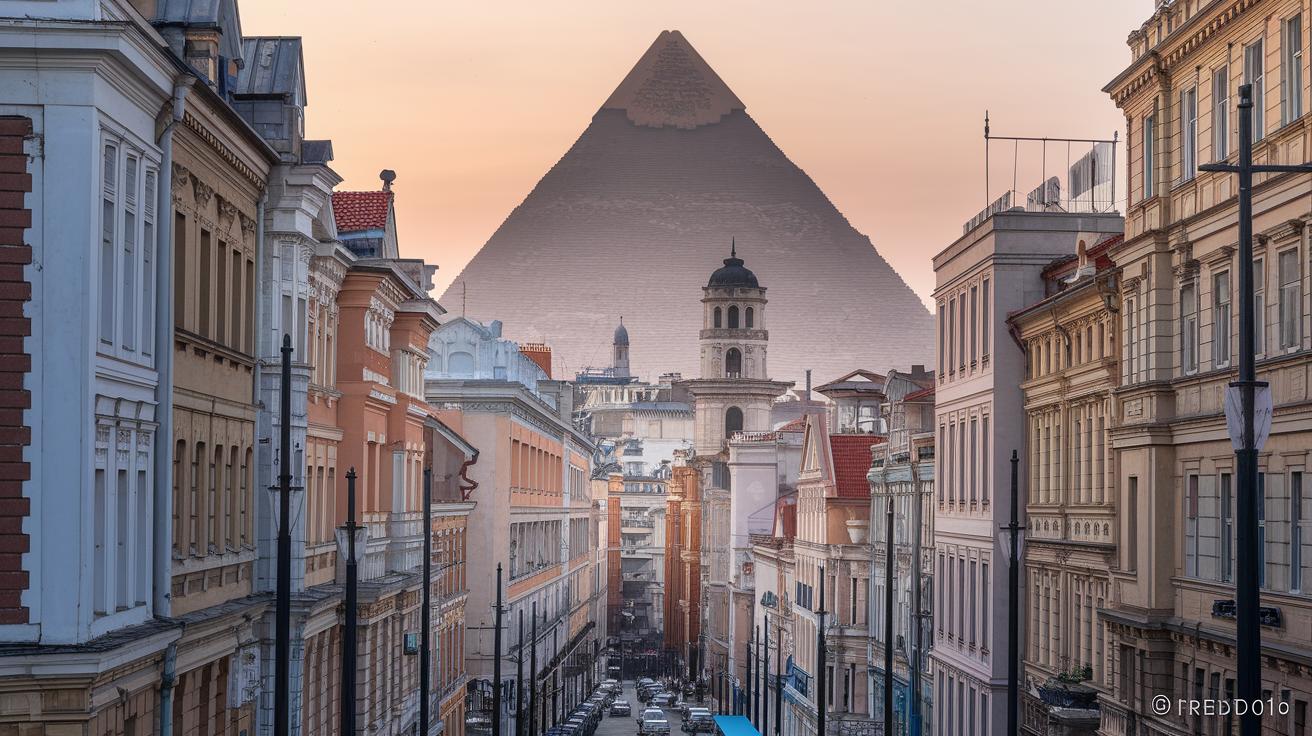
Imagine strolling along the charming streets of Sarajevo, where every corner seems to tell a story. This city is where Archduke Franz Ferdinand was shot on June 28, 1914, a turning point that changed global history. Its mix of Eastern and Western styles in art and architecture makes you pause and reflect on change and strength.
Next, take a trip to Cairo. With the ancient pyramids watching over the city, Cairo blends the magic of old Egypt with a lively modern vibe. Every street and market feels full of stories about pharaohs and timeless traditions, inviting you to explore a world where past meets present.
Over in Europe, Minsk welcomes you with more than 100 beautiful fountains scattered across the city. Each fountain dances gracefully in the water, adding a touch of elegance and pride. It feels like the city is celebrating its cultural artistry with every splash.
Then there’s Nairobi, a city that brings nature right into its urban heart. Imagine a national park set among the busy streets, a unique mix of wildlife and city life that shows just how adaptable and creative nature can be.
In Asia, Jakarta’s many name changes tell a tale of constant evolution and history. And then there’s Seoul, affectionately known as the “city of soul.” Its bustling streets mix modern energy with age-old traditions, making it feel both vibrant and welcoming.
Finally, Yamoussoukro surprises visitors with its record-setting Christian church, while Ottawa shines with a sports culture that’s home to the NHL’s Senators. These capitals all spark curiosity and wonder, each offering a unique piece of the world’s rich tapestry.
Interactive Learning: Maps, Quizzes, and Educational Tools for World Capitals
Interactive learning makes exploring capital cities feel like an exciting adventure. Imagine strolling through lively streets or soaring above famous landmarks, all from your computer. With cool digital tools, you can boost your map skills and discover the unique vibes of cities around the world.
Tools like Google Maps Compass let you peek into street-level views, giving you a real sense of a city’s hustle and bustle. And Google Earth Explorer? It’s like taking a mini flight over bustling capitals, spotting famous sites along the way. OpenStreetMap Compass even offers maps made by communities that know their cities best.
Then there’s the Capital Cities Quiz, where you can test your knowledge with fun, quick questions, perfect for sparking curiosity. And if you love a good challenge, the Compass Reading Test and Grid-Reference Drill help sharpen your knack for reading maps. Fancy some puzzles? Try the Longitudinal Time-Zone Challenge to see how time zones relate to a city’s location.
Each of these interactive tools adds a touch of fun to learning. Whether you’re just starting out or have been exploring for years, tailored features adjust to your pace and skills. So why not jump in, challenge yourself, and enjoy a fresh way to learn about world capitals?
Regional Breakdown: Capitals by Continent and Major Political Centers
In Africa, classic cities like Cairo mix history with modern energy. In Cairo, you'll discover ancient bazaars side by side with buzzing tech hubs, imagine wandering from an old market to a trendy coffee shop. Nairobi also charms with its exciting blend of wildlife adventures and a lively startup scene. And Pretoria is growing as a key government hub, upgrading its roads and buildings to match its expanding role.
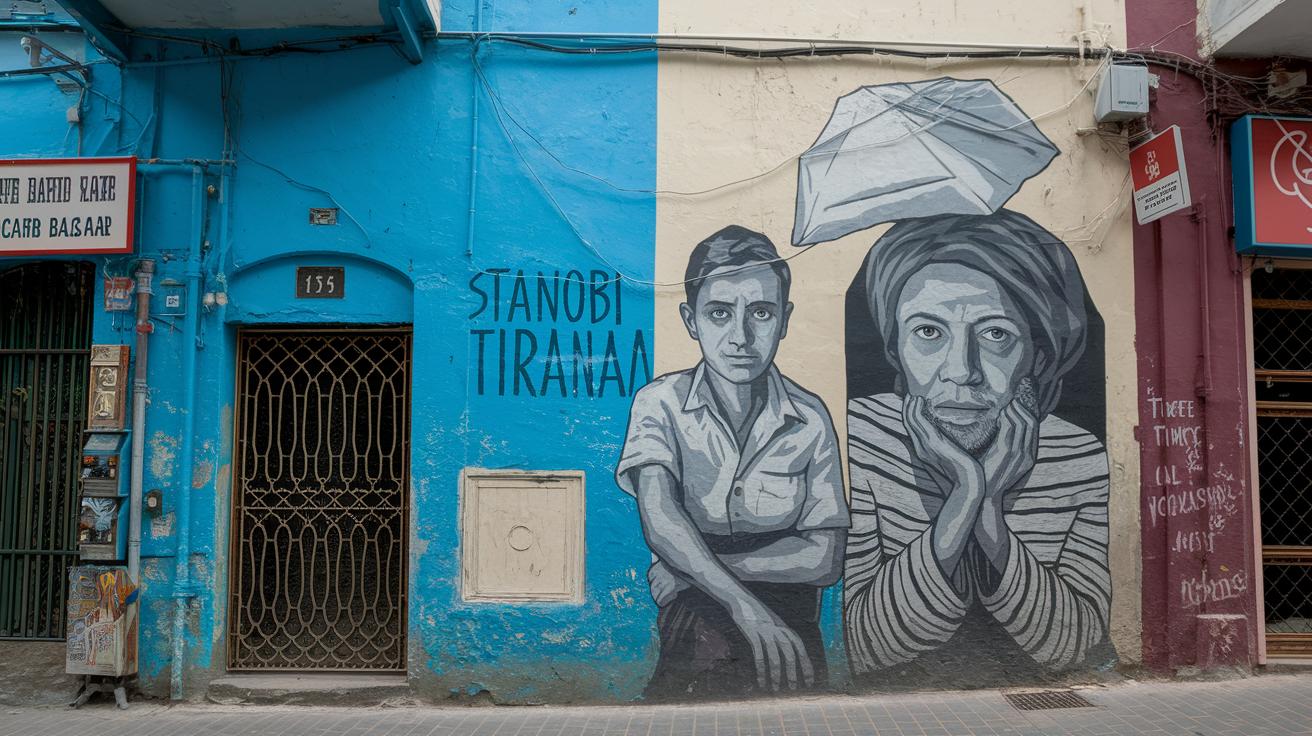
Over in Europe, history meets fresh ideas in a delightful way. Sarajevo, steeped in layers of the past, now draws visitors with cultural tours and new development projects. Tirana is bursting with creative energy; local art is reviving old streets. For example, a once plain alley transformed into a vibrant spot thanks to a street mural. Meanwhile, Minsk is reimagining its historical architecture by launching urban projects that honor both its heritage and modern progress.
Asian capitals offer a captivating mix of tradition and innovation. Kabul is working to restore its cultural landmarks while also boosting modern transport and communication. In Jakarta, rapid urban growth is paving the way for digital economy projects, like a neighborhood cafe that doubles as a tech hub. Thimphu embraces sustainable planning with a unique vision, while Seoul uses smart city innovations to honor its deep-rooted traditions.
Down in the Americas, Ottawa stands out by blending its classic civic traditions with forward-thinking urban projects designed to welcome future changes.
Final Words
In the action of exploring world capitals, we uncovered their structure, from a clear definition and a neat, sortable A-Z directory to unique setups like dual or tri-capital systems. We also highlighted the rich cultural and historical stories behind each city and introduced fun ways to learn through interactive maps and quizzes.
Every section offers fresh insights for planning your perfect getaway. Embrace these diverse perspectives and let the captivating world capitals inspire your next adventure.
FAQ
What is a world capitals quiz?
The world capitals quiz tests your knowledge on global capital cities by asking you to match countries with their capitals. It’s a fun and interactive way to sharpen your geography skills.
What is a world capitals map?
A world capitals map displays the geographic locations of capital cities across the globe. It offers a visual guide to help you connect countries with where their main administrative centers lie.
How can I access an alphabetical list of world capitals?
An alphabetical list of world capitals organizes country-capital pairs by name, making it easier to locate a specific pairing quickly. This format is ideal for quick reference or study sessions.
Where can I find a complete directory of world capitals?
A complete directory of world capitals normally includes a sortable table featuring nearly 195 countries and their capitals. This resource is designed to give you a comprehensive, easy-to-navigate reference.
Are there resources listing capitals by continent?
Resources that list capitals by continent divide global capitals into regions, making it simple to explore key capitals in Africa, Asia, Europe, the Americas, and beyond. They highlight regional distinctions.
Is there a PDF with all country names and their capitals?
Yes, downloadable PDFs compile all country names with their capitals into one document. This format is handy for offline study and provides a quick, organized reference at your fingertips.
What about different pairings, like 30, 50, or even 206 country-capital sets?
Different resources offer varied country-capital pairings tailored to quiz formats or study guides. Some focus on a smaller sample like 30 or 50, while others cover nearly all recognized nations.
Are there misconceptions about how many countries and capitals exist?
Misconceptions arise due to varying recognition criteria. While some sources mention numbers like 206 or 256, the United Nations officially recognizes 196 independent countries, each with its designated capital.